

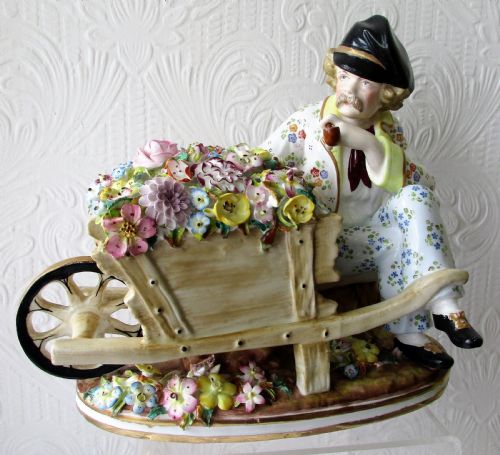
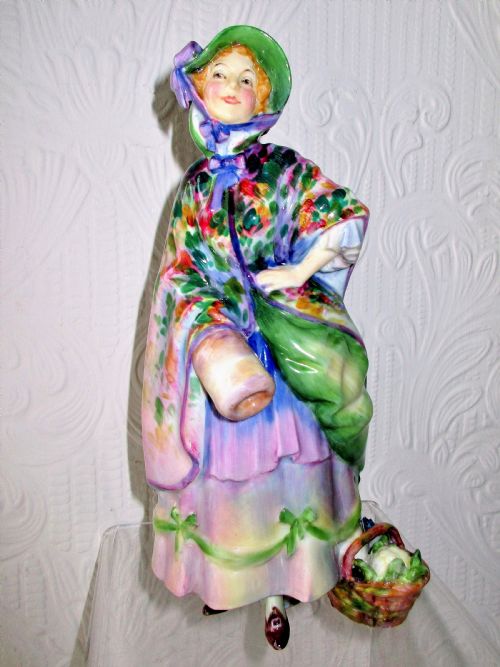
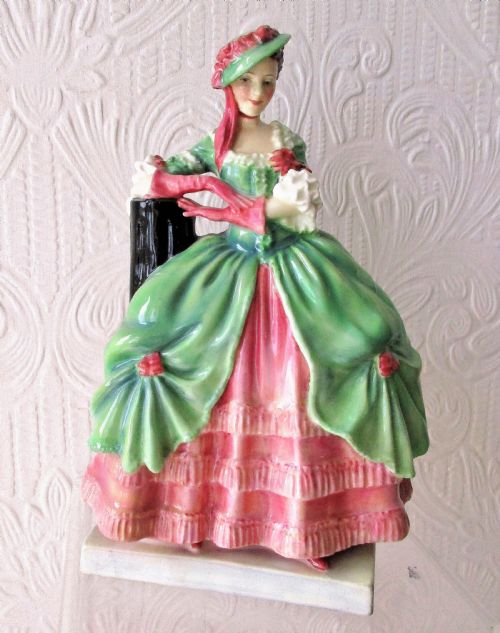
Hand Painted Porcelain Figure
These hand painted porcelain figure examples bring centuries of modelled colour and glazed character into a room.

What they are
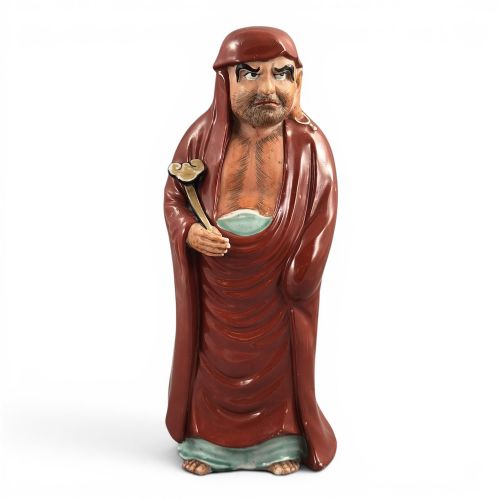
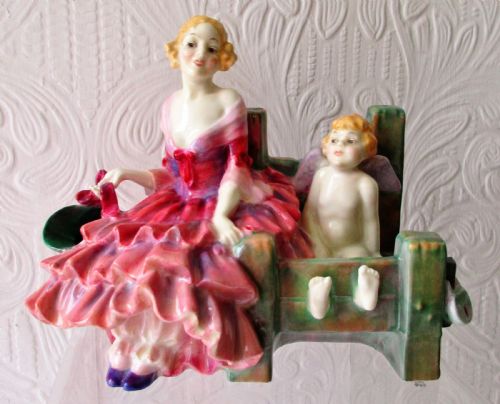
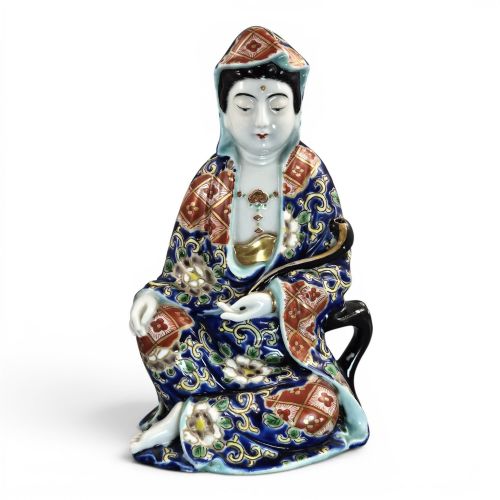
A hand painted porcelain figure represents a modelled subject brought to life through painted enamel, ceramic glaze, and careful detail.
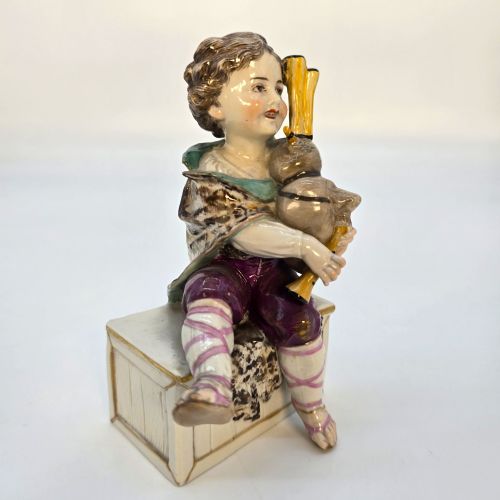
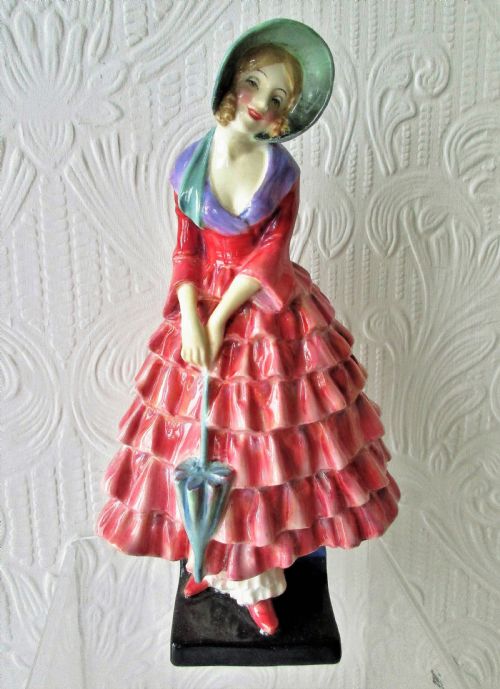
Buyers browsing for a hand painted porcelain figure will encounter pieces ranging from eighteenth century soft-paste figures to twentieth century bone china and ceramic creations.
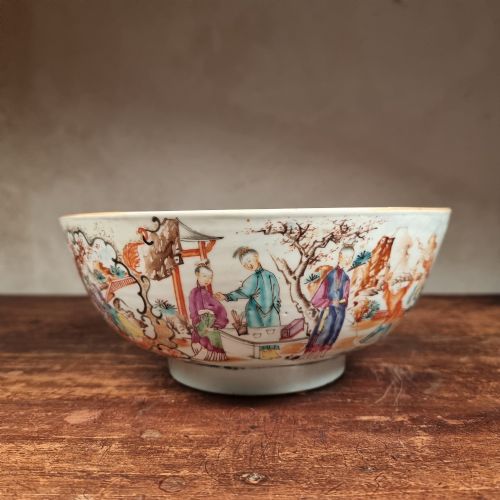
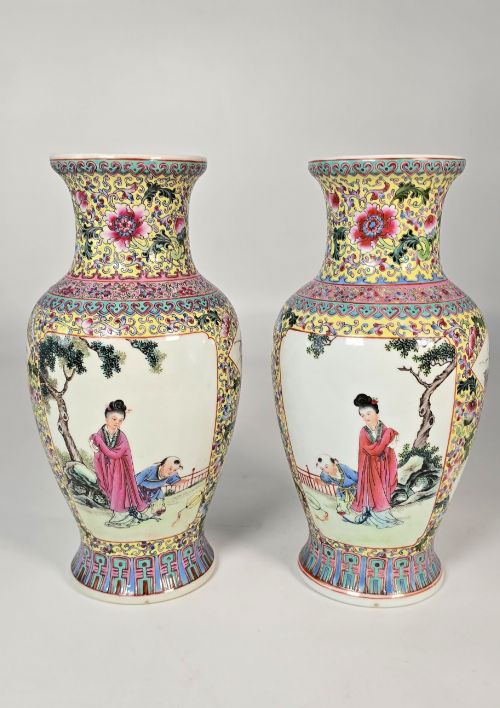
The selection includes historic European makers, Victorian works, and Chinese ceramic examples decorated with hand enamel.
How they were made
Makers fashioned these pieces using porcelain, soft-paste porcelain, bone china, ceramic, and bisque, often finishing surfaces with a smooth ceramic glaze.
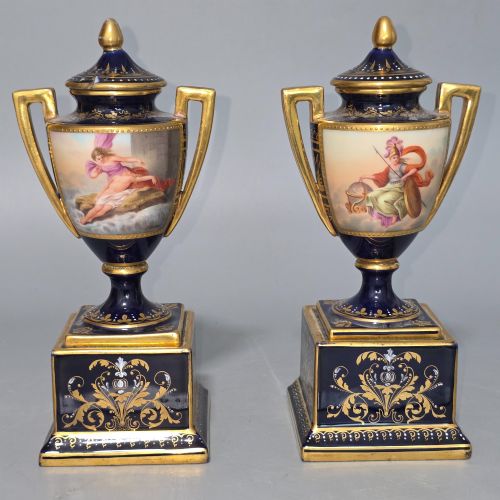
Decoration relied on skilled hand painting with enamel colours, frequently accented with gold leaf and delicate gilding.
Retail Price Guide 2026
Typical UK retail prices for hand painted porcelain figure, calculated from the Sellingantiques database of over a million retail prices indexed since 2003. This retail price guide relies exclusively on Sellingantiques data; no external sources or auction records are used, so the figures do not describe the wider market.
Materials across these listings include soft-paste porcelain, bone china, bisque, enamel, and gold leaf.
What varies in quality
Quality rests in the precision of the modelling and the finesse of the brushwork across the enamel and gilding.
Early soft-paste pieces and historic factory output display a sculptural nuance that separates them from later commercial production.
Dressel, Kister And Cie·Meissen·Vion And Baury·Chelsea·Royal Doulton·Katzhutte·Marutomoware·Karl Ens
The Hand Painted Porcelain Figure Glossary
- Bisque
- Unglazed ceramic porcelain that presents a matte, marble-like surface texture. This finish highlights fine modelling details without the reflection of a glossy glaze.
- Soft-Paste Porcelain
- An artificial porcelain composition fired at lower temperatures than hard-paste. It was widely used by eighteenth century European factories.
- Enamel
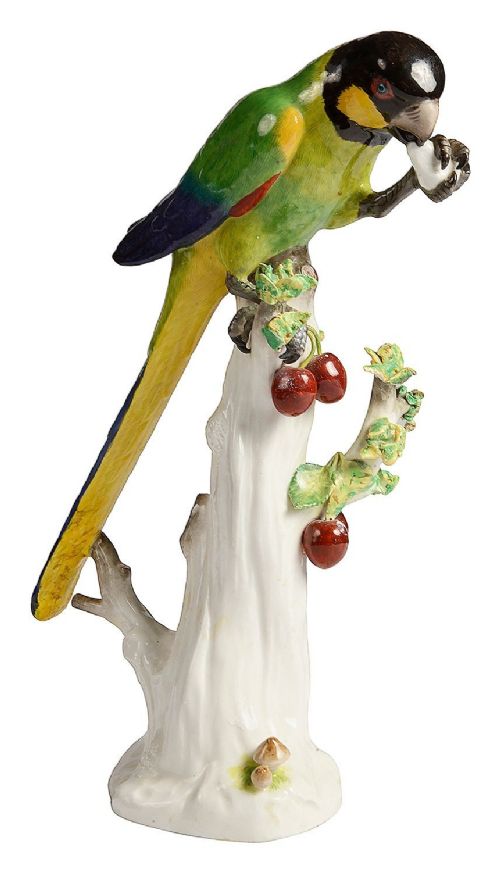
- Opaque vitreous composition fused to the porcelain surface through firing. It provides the vibrant colours seen on painted robes and feathers.
- Gilding
- The application of gold leaf or gold paint to highlight borders and decorative motifs. It adds a reflective warmth to the finished piece.
- Bone China
- A type of porcelain incorporating bone ash for strength and translucency. It became a standard body for twentieth century figures.
Frequently Asked Questions
What periods do these figures come from?
The pieces span multiple eras, beginning in the eighteenth century with soft-paste works and extending through the Victorian period.
Later examples include twentieth century productions from the interwar years and the mid-century decorative era.
How should I clean my figure?
Dust the porcelain gently using a soft, dry brush to protect the delicate enamel and gilding.
Avoid using water or chemical cleaners, which can damage painted surfaces and historic glazes.
Are all pieces marked by the maker?
Not every piece carries a factory stamp or painted mark, particularly among older or more rustic examples.
Stylistic traits, material composition, and modelling techniques often provide the best clues to origin.
What subjects do the figures depict?
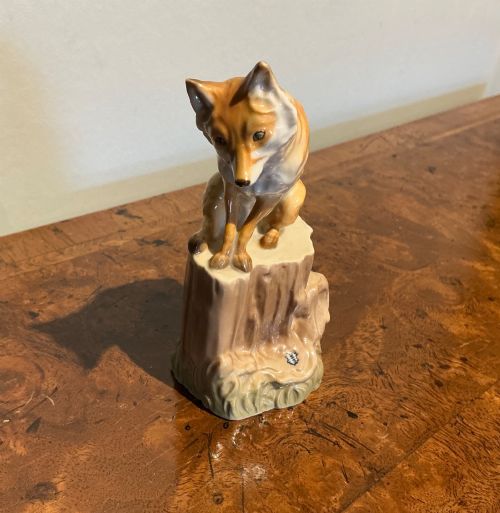
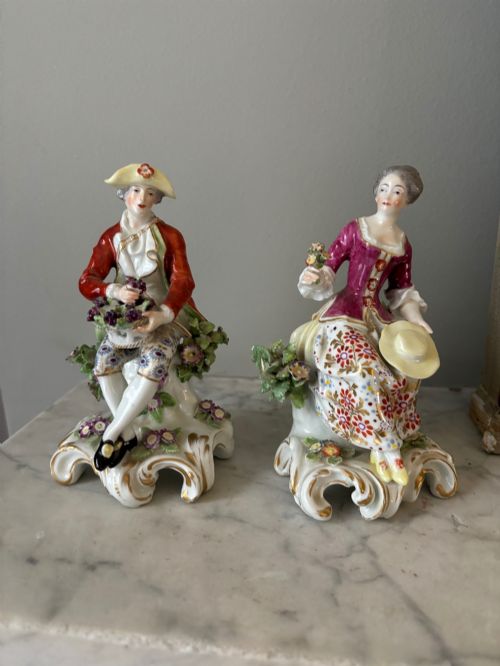
Subjects range widely from human figures such as flower sellers and historic ladies to animals like geese and mallards.
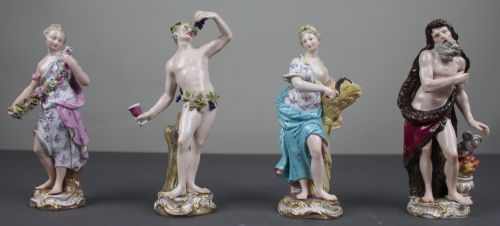
Some pieces represent allegorical themes, including historical figures and symbolic representations.