


White Porcelain Statuette
A white porcelain statuette brings the delicate modelling of the 18th and 19th centuries into a room, offering classical figures and pastoral scenes.
White Porcelain Statuette
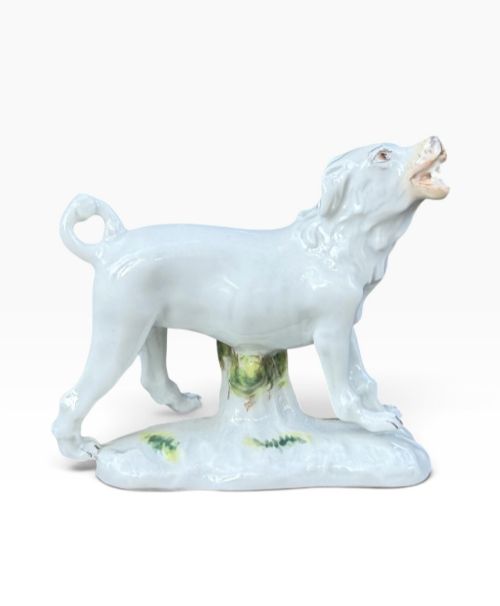
When you search for white porcelain statuette, you encounter a variety of figurines, sculptural groups, and decorative objects shaped from hard-paste and soft-paste porcelain, along with Parian ware. These pieces range from Georgian and Victorian allegorical subjects to continental factory figures and Meissen animals.
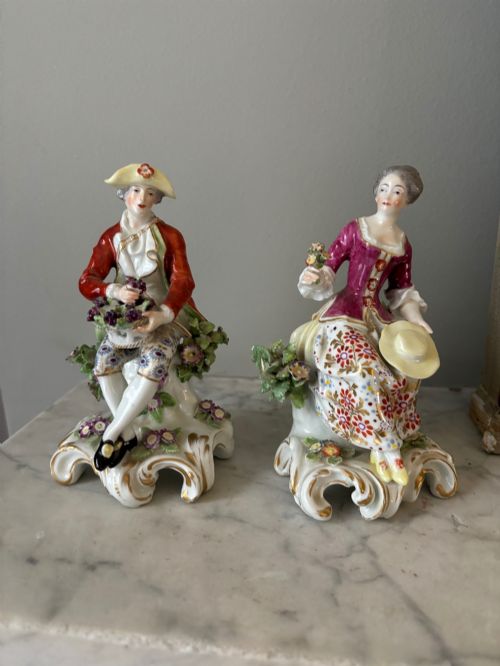
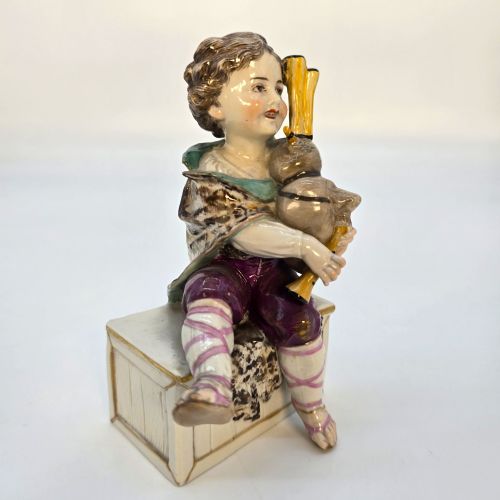
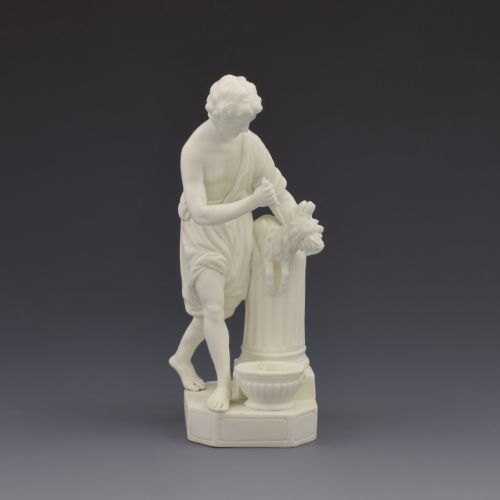
The version most commonly met on this page is the 19th-century continental or English porcelain figure, often rendered in biscuit porcelain or finished with glaze, enamel highlights, and gilding. Subjects include classical deities, musicians, gardeners, and animals modelled in the Rococo and Neoclassical styles.
How they were made
Potters shaped these objects using hard-paste or soft-paste porcelain pastes, and occasionally unglazed Parian porcelain, moulding or slip-casting the figures in sections before firing them in kilns. Artisans then applied glazes, enamel colours, or gold leaf to specific details such as garments, borders, and bases.
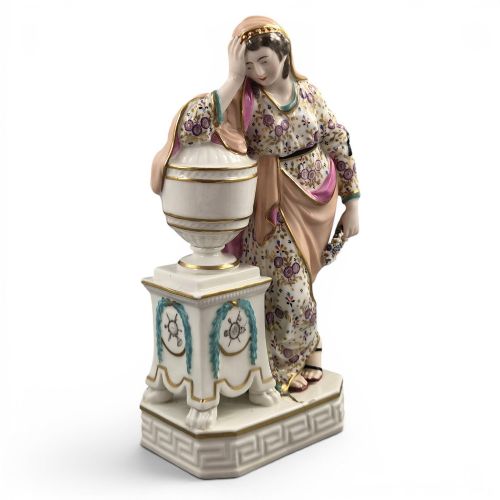
Factories employed modellers to carve intricate forms, from mythological figures like Minerva and Andromache to pastoral groups and animals. Many continental and English pieces relied on biscuit firing to achieve a matte, marble-like texture resembling carved stone.
White Porcelain Statuette Retail Price Guide 2026
Typical asking prices for white porcelain statuette among the pieces listed under this phrase on Sellingantiques today, from the lower quarter to the upper quarter. They describe what is for sale here now, not the wider market.
Listings span 18th-century pieces from factories like Bow and Derby to Victorian Parian ware and 20th-century Meissen animals.
What varies in quality
The standard of modelling defines the upper tier of these figures, where facial expressions, hand gestures, and the folds of drapery remain crisp and expressive rather than softened or heavy. Finer examples display meticulous attention to anatomical detail and botanical elements in the surrounding bases.
The application of secondary materials such as enamel, glaze, and gold leaf also distinguishes the work. Superior pieces exhibit precise hand-painting and careful firing that preserves the subtlety of the porcelain body without clouding the fine lines of the original mould.
Meissen·Edme Samson·Volkstedt Rudolstadt Factory·Derby·Bow·Royal Worcester·Vion and Baury·Sitzendorf·Ludwigsburg·Fürstenberg·Limbach Thuringia
The White Porcelain Statuette Glossary
- Biscuit porcelain
- Unglazed fired porcelain that has a matte, porous surface resembling white marble. This finish was frequently utilised for neoclassical figures and sculptural groups.
- Soft-paste porcelain
- An artificial ceramic composition fired at lower temperatures than hard-paste porcelain, produced widely by early English and continental factories. It has a warmer tone and a softer glaze.
- Hard-paste porcelain
- A true porcelain made from kaolin and petuntse, fired at high temperatures to create a dense, vitrified body. It provides a durable base for detailed glazing and enamel decoration.
- Parian porcelain
- A fine-grained unglazed biscuit porcelain developed in Victorian England to imitate white marble. It gained popularity for portrait busts and classical statuary.
- Glaze
- A glassy coating fused to the ceramic body during firing to seal the surface and impart a glossy sheen. Many statuettes combine glazed elements with matte biscuit surfaces.
White Porcelain Statuette: Frequently Asked Questions
What subjects do these figures show?
The listings feature a broad mix of classical deities, mythological characters, pastoral workers, children, and animals. Subjects often draw from theatrical, literary, or allegorical traditions.
Many figures depict classical figures such as Minerva, Andromache, and Venus, while others show everyday scenes of gardeners, musicians, and rustic pairs.
How do I care for antique porcelain?
Antique porcelain statuettes require gentle handling and placement away from direct sunlight and areas prone to heavy vibrations or knocks. Dusting with a soft, dry brush keeps the surface clean without risking abrasion.
Avoid using water or chemical cleaners, particularly on unglazed biscuit porcelain or pieces with delicate enamel and gold leaf highlights.
How can I tell the period of a figure?
Dating relies on factory marks, the composition of the paste, and the prevailing artistic style, such as Rococo, Neoclassical, or Victorian. Early pieces from the 18th century often display hand-painted factory symbols or incised numerals.
Later 19th-century reproductions and continental figures frequently employ moulded stamps or different clay bodies, reflecting the manufacturing standards of their respective eras.