
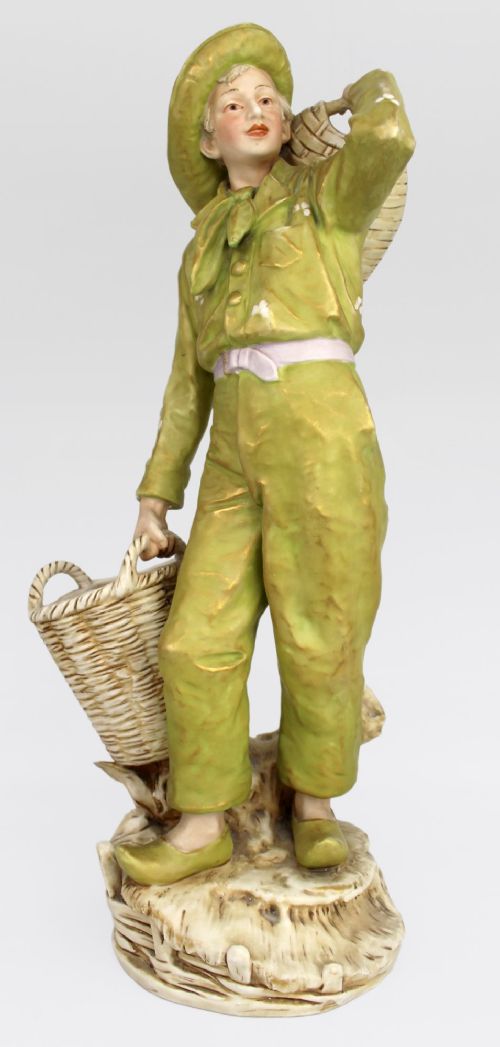



Bisque Porcelain Sculpture
When you search for bisque porcelain sculpture, you are looking for unglazed ceramic figures that capture fine neoclassical and Victorian detail.
What They Are
A bisque porcelain sculpture presents a matte, unglazed surface that highlights delicate modelling and crisp form. When you search for bisque porcelain sculpture, you encounter figures, busts, and sculptural groups spanning the eighteenth and nineteenth centuries.
The material takes various terms across the evidence, appearing as biscuit porcelain, Parian porcelain, and soft-paste porcelain alongside standard ceramic. These objects take the form of figurines, statues, and decorative sculptures in styles ranging from French Neoclassical and French Rococo Revival to Victorian.
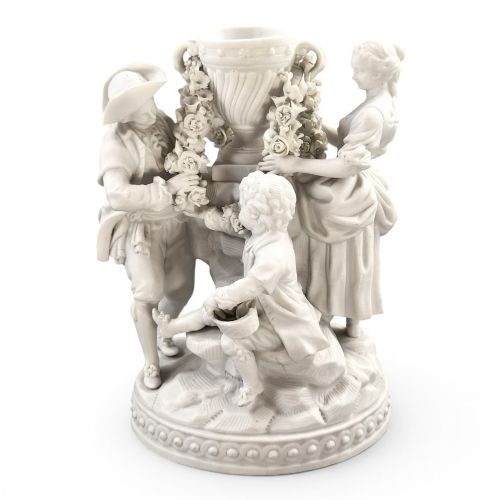
You are most likely to meet nineteenth-century Victorian pieces and pieces from the broader nineteenth-century period on this page. These include specific works such as Copeland Parian statuary and Vieux Paris biscuit porcelain sculptural groups.
How They Were Made
Makers produced these works using porcelain, ceramic, and specialised bodies like Parian porcelain, sometimes combining them with gold leaf or cobalt glazed ceramic. The manufacturing process relied on firing the ceramic body without a final glaze to achieve the characteristic matte, tactile finish.
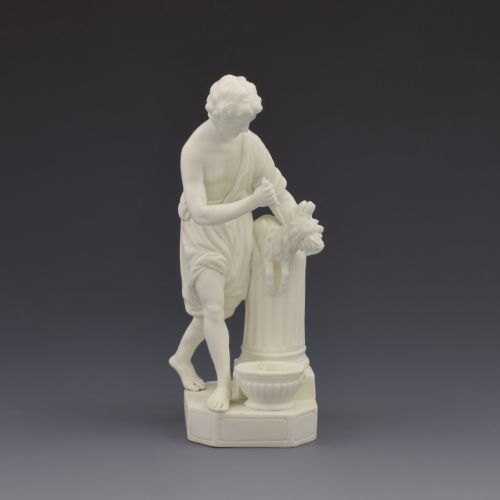
Artisans sculpted figures such as the Derby figure of sacrifice or the Copeland Parian statuary figure 'Go to Sleep' by John Durham with meticulous attention to form. Model numbers and named sculptors, such as John Durham, indicate structured workshop production during the eighteenth and nineteenth centuries.
Retail Price Guide 2026
Typical UK retail prices for bisque porcelain sculpture, calculated from the Sellingantiques database of over a million retail prices indexed since 2003. This retail price guide relies exclusively on Sellingantiques data; no external sources or auction records are used, so the figures do not describe the wider market.
Object forms range from seated ladies and portrait busts to complex sculptural groups decorated with delicate floral garlands.
What Varies in Quality
The distinction between standard figures and exceptional works rests on the sharpness of the modelling and the finesse of the surface finish. Pieces by established factories or named modellers demonstrate superior anatomical definition and drapery handling.
Complexity of form also separates the range, distinguishing simple single figures from large sculptural groups adorned with floral garlands or integrated bases. The choice of specialised material bodies, such as Parian porcelain, further elevates the sophistication of the piece.
Derby·Copeland·Sevres·Vieux Paris·John Durham
The Bisque Porcelain Sculpture Glossary
- Bisque porcelain
- Unglazed ceramic fired once to vitrify the body while leaving a matte, porous texture that resembles marble. This finish became popular for capturing fine neoclassical detail without surface gloss.
- Biscuit porcelain
- An alternative term for bisque porcelain used frequently in eighteenth-century and nineteenth-century French and English manufacture. It describes the same unglazed white ceramic state.
- Parian porcelain
- A fine, dense type of bisque porcelain developed in the nineteenth century to imitate carved marble. Copeland utilised this material extensively for statuary figures.
- Soft-paste porcelain
- An early artificial porcelain composition fired at lower temperatures than hard-paste porcelain. It produces a warm, slightly creamy body often found in eighteenth-century works.
- Neoclassical
- A decorative style inspired by classical antiquity that emphasises symmetry, restraint, and classical motifs. It dominates many of the sculptural forms and busts in this category.
Frequently Asked Questions
What is bisque porcelain?
Bisque porcelain is unglazed ceramic that has been fired to create a matte, porous surface resembling white marble. This finish allows sculptors to achieve high levels of detail in facial expressions and drapery.
Without a glossy glaze, the material absorbs light differently, casting soft shadows across the contours of the figure.
How do I care for these sculptures?
Because bisque porcelain has an unglazed and slightly porous surface, it can attract dust and absorb oils from handling. Clean them gently with a soft, dry brush rather than water or chemical cleaners.
Display them away from areas prone to heavy smoke or grease to maintain the clean matte appearance of the porcelain body.
How are Parian and bisque different?
Parian porcelain is a specific nineteenth-century formulation designed specifically to imitate carved white marble with greater density than traditional biscuit porcelain. Copeland and other English makers used it for statuary figures.
Bisque porcelain is a broader term for any unglazed ceramic sculpture produced across various European factories from the eighteenth century onward.
How can I tell the period?
You can determine the period by examining the style, the specific material body, and any factory marks or model numbers stamped into the base. Eighteenth-century pieces often employ soft-paste bodies and rococo or early neoclassical forms.
Nineteenth-century Victorian works frequently utilise Parian porcelain or crisp biscuit bodies with distinct classical or narrative subjects.