

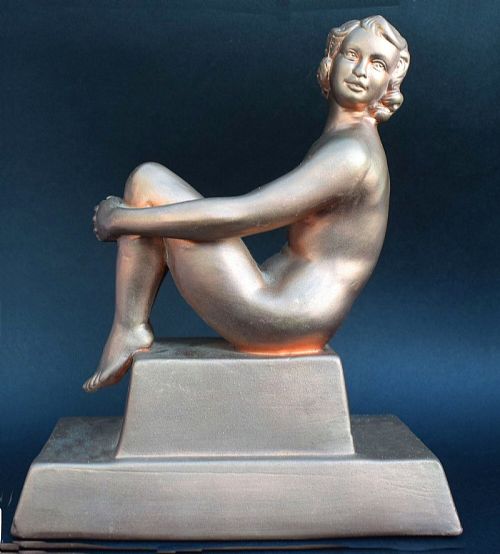
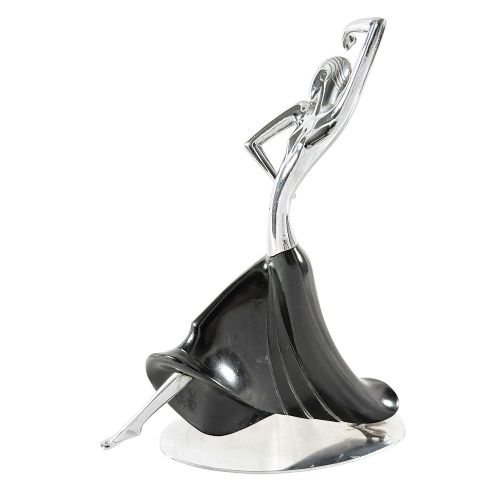


Art Deco Lady Figurine
An art deco lady figurine captures the distinct glamour of the interwar period, offering collectors a striking representation of feminine style through sculpture, lighting, and ceramics.
Art Deco Lady Figurine
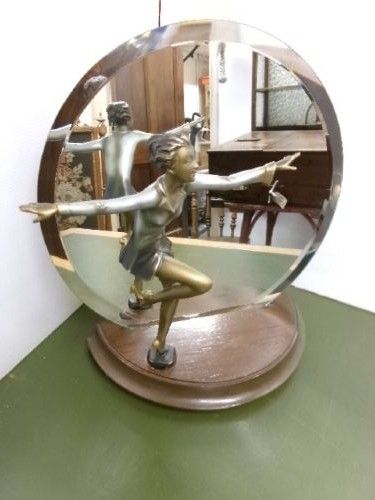
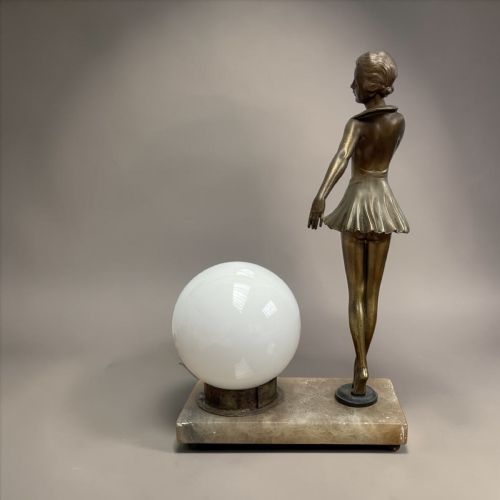
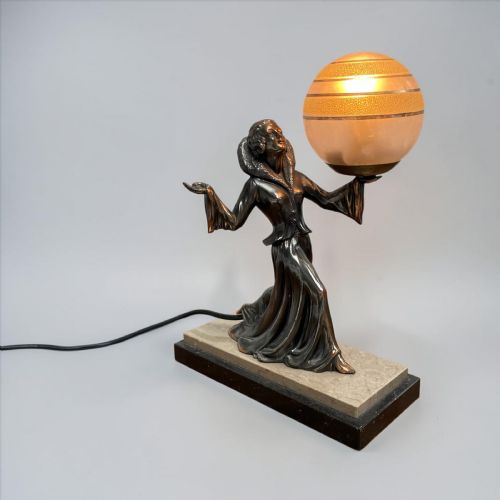
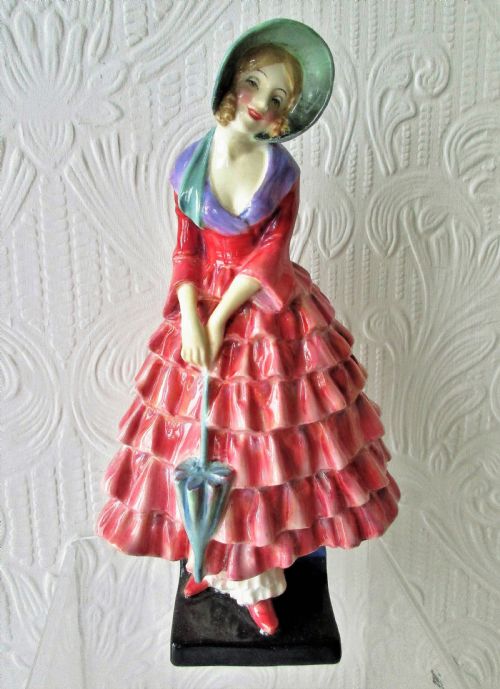
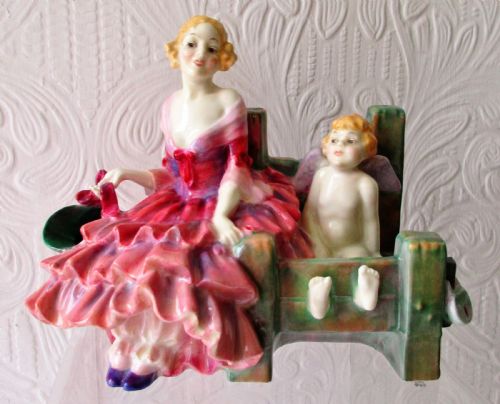
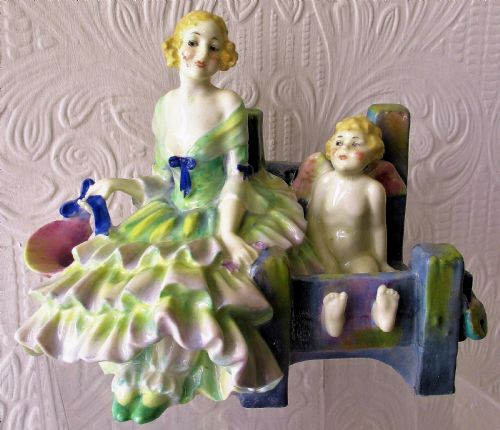
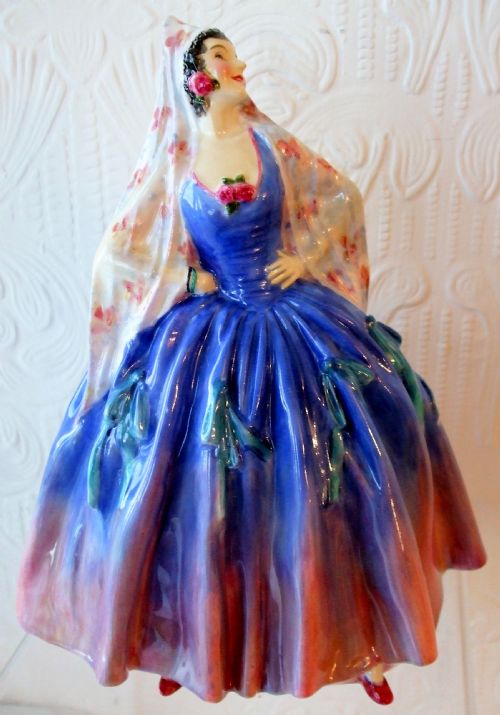
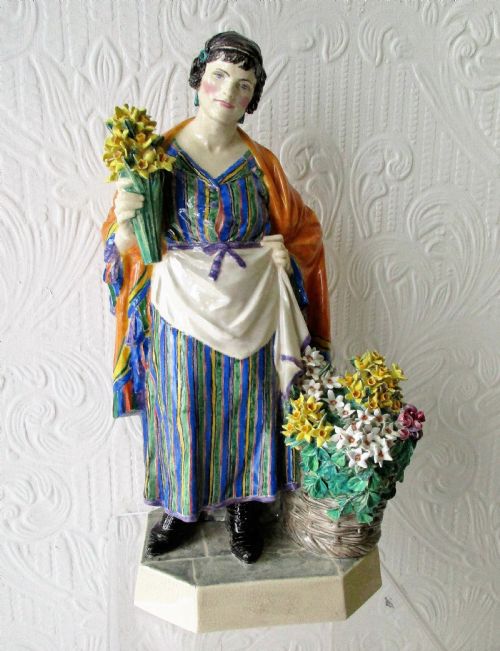
When you search for an art deco lady figurine, you encounter a diverse array of decorative objects spanning the 1920s, 1930s, and occasionally Edwardian periods. The most common manifestations on this page include ceramic and porcelain figures, metal sculptures mounted on onyx or alabaster bases, functional table lamps, and powder trinket boxes.
Makers and studios across England, France, and Germany produced these pieces to reflect contemporary tastes in fashion, dance, and leisure. Subjects range from dancers and bathers to golf players and flappers, capturing the dynamic energy of the era.
How they were made
Makers utilised a wide range of materials, combining cast metal spelter, bronze, and chrome plating with carved marble, onyx, and alabaster bases. Ceramic and porcelain examples often feature hand-painted glazes, bone china compositions, and specialised finishes on powder boxes and lamps.
Sculptors and ceramicists employed moulding, casting, and intricate hand-finishing techniques to achieve the characteristic streamlined forms and detailed facial expressions seen in studio pottery and factory production alike.
Some ladies double as match strikers or hold hat pins while gazing into miniature mirrors.
What varies in quality
The distinction between tiers largely depends upon the fidelity of the casting, the crispness of the hand-painted details, and the quality of the base materials such as genuine marble or onyx versus simpler plaster compositions. Pieces bearing clear artist signatures or originating from established potteries and foundries command greater recognition.
Overall aesthetic impact and proportion separate standard decorative items from masterworks. The integration of functional elements, such as electrical fittings on lamps or metal mounts on trinket boxes, also influences the character of each piece.
Royal Doulton·Charles Vyse·Hagenauer·Josef Lorenzl·Demetre Chiparus·Geo Maxim·Limoges·Fasold And Stauch
The Art Deco Lady Figurine Glossary
- Spelter
- A zinc-based alloy frequently cast into figures and painted to resemble bronze or other metals during the period. It provides a lighter alternative to solid bronze.
- Chryselephantine
- A sculpture technique combining bronze and ivory to depict the figure's garments and flesh respectively. This method yields a high degree of textural contrast.
- Bonbonniere
- A small decorative box or jar designed to hold sweets or confectionery. Many examples feature sculpted female figures on the lid.
- Half doll
- A ceramic upper torso without legs, commonly utilised as a decorative cover for powder boxes, whisk brooms, or pin cushions. They reflect the dressing table culture of the era.
Art Deco Lady Figurine: Frequently Asked Questions
How are these figures dated?
Dating relies on stylistic markers, registration marks, and maker stamps stamped into the ceramic base or cast into the metal. The prevalence of specific clothing styles, such as flapper dresses, also points toward the nineteen-twenties and thirties.
Comparison with documented works by known modellers provides further chronological clarity.
Were these lamps originally electrified?
Many table lamps were manufactured specifically to house lighting fixtures, integrating the female form directly into the lamp base or shade support. Wiring and plugs on surviving examples are frequently modern replacements.
Careful inspection of the original metal or ceramic fittings helps confirm period authenticity.
What is a pin cushion doll?
A pin cushion doll is a ceramic upper body used to top decorative sewing cushions placed on dressing tables. They often depict fashionable ladies with elaborate hats and hairstyles.
These functional items doubled as charming ornaments for the home.
How do I care for onyx and alabaster bases?
Onyx and alabaster require gentle dusting with a dry, soft cloth to prevent surface scratching. Moisture should be avoided entirely, as water can stain or dissolve softer stone compositions.
Keeping these materials away from direct sunlight preserves their natural polish.