

1930s Art Deco Figurine
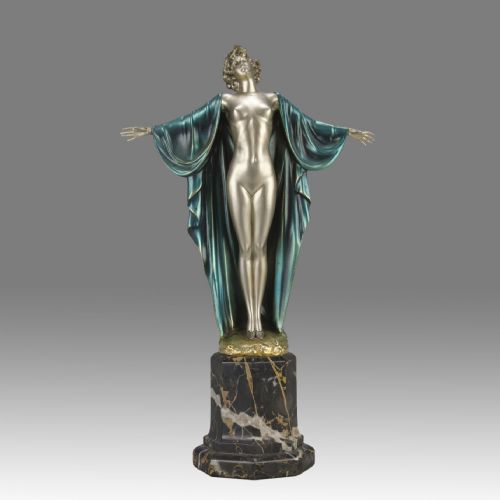
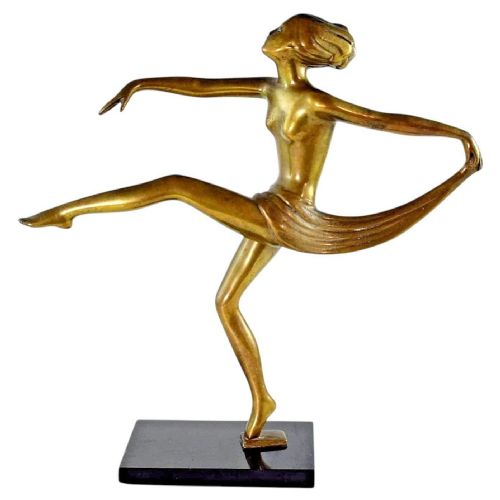
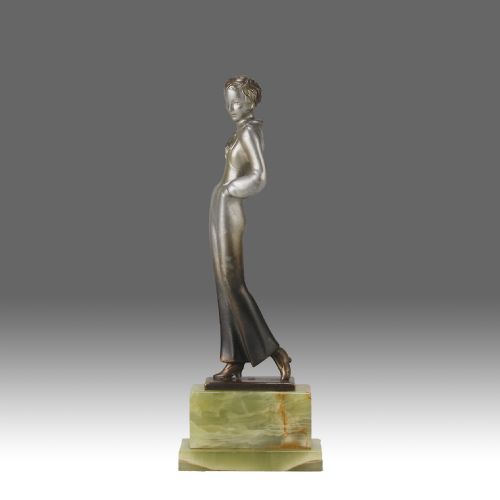
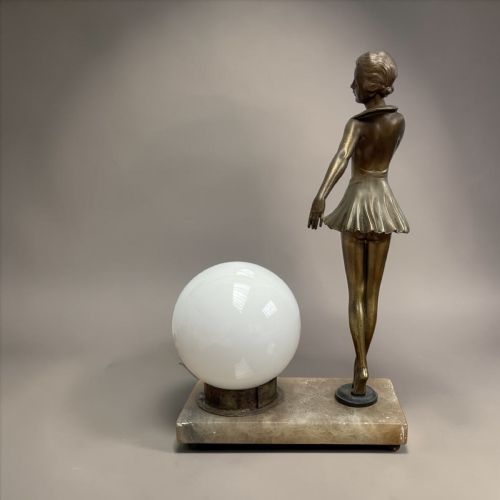
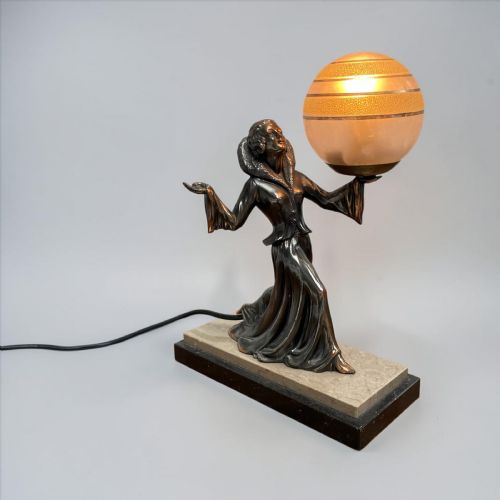
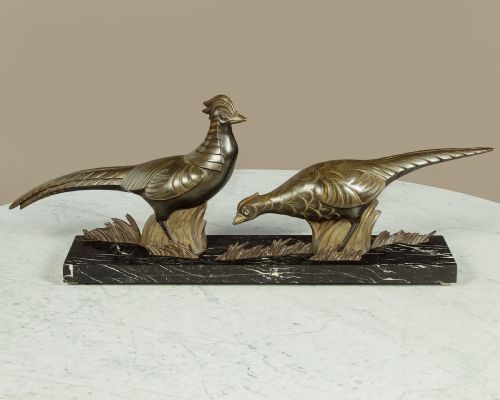
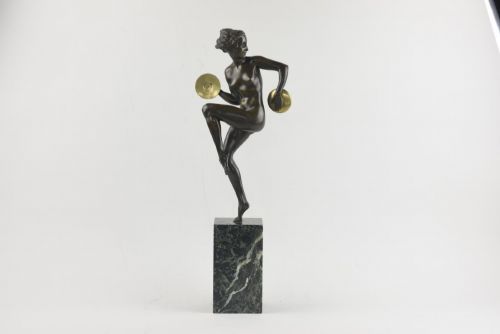
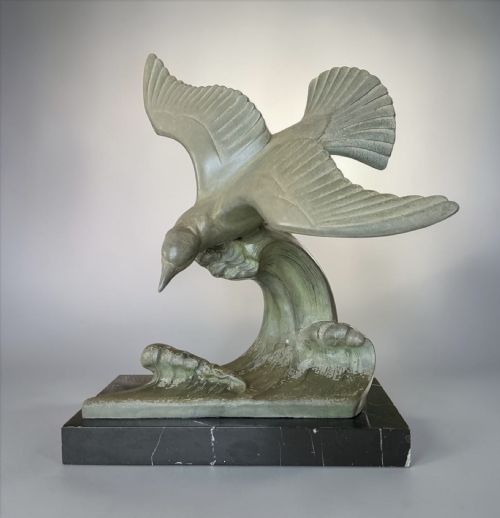
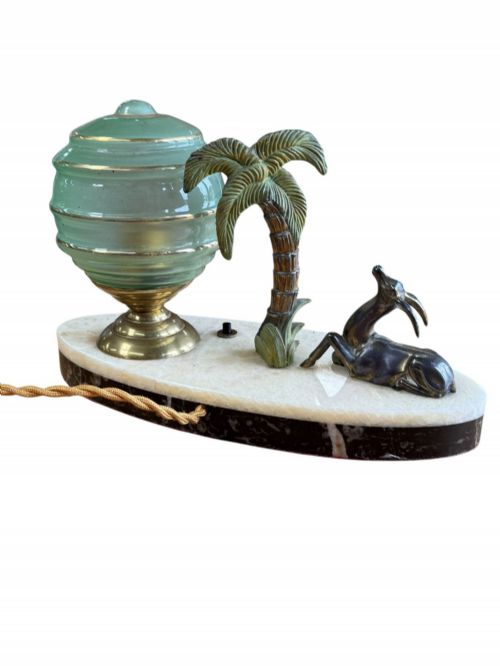
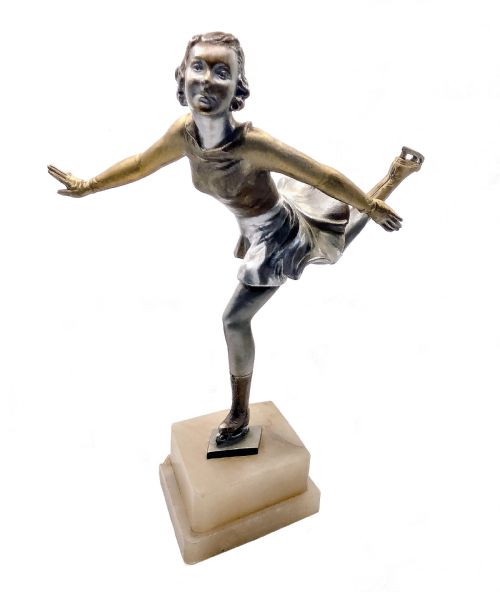
A 1930s art deco figurine captures the movement and sleek geometry of the interwar period through dancers, animals, and lamps.
1930s Art Deco Figurine
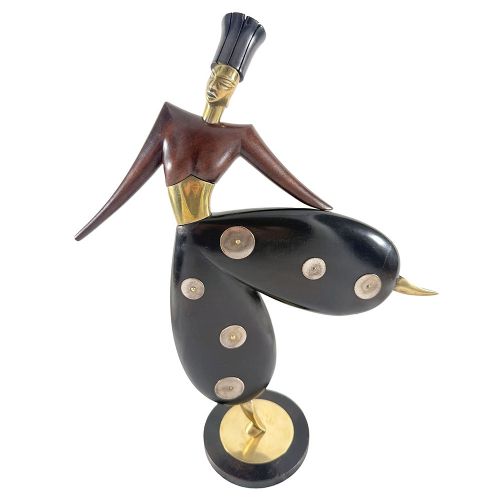
When hunting for a 1930s art deco figurine, collectors encounter diverse forms including dancers, athletes, animals, and functional items like lamps and trinket boxes. The most common variations on this page combine stylized human figures with bases of marble or onyx.
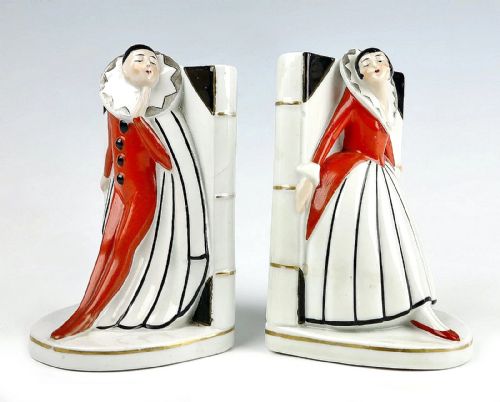
The objects span sculptures, paperweights, and bookends originating primarily from French and Austrian workshops. Pieces range from grand bronze dancers to small ceramic powder boxes and novelties.
Materials and construction
Manufacturers utilised a mix of metals including bronze, spelter, aluminium, and chrome plate, frequently combining them with painted finishes or cold painting. Spelter figures often received patination to imitate bronze.
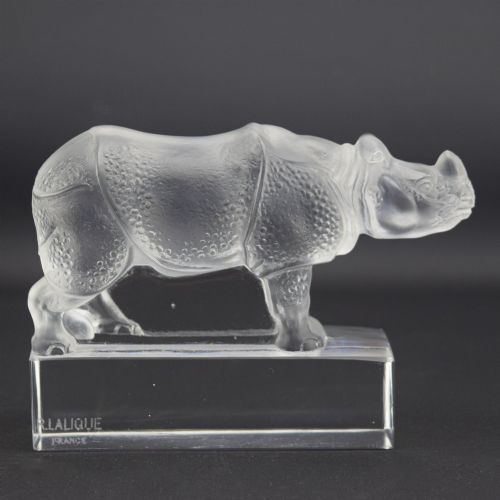
Many works incorporate carved marble or onyx bases, while glass pieces rely on opalescent or stained finishes. Ceramic and porcelain examples utilise moulded bodies, sometimes paired with brass or wood elements.
1930s Art Deco Figurine Retail Price Guide 2026
Typical asking prices for 1930s art deco figurine among the pieces listed under this phrase on Sellingantiques today, from the lower quarter to the upper quarter. They describe what is for sale here now, not the wider market.
Listings feature materials spanning bronze, marble, spelter, wood, porcelain, glass, and onyx across various decades.
Assessing quality
Quality rests in the crispness of the casting detail and the fidelity of the stylised lines, particularly in facial expressions and drapery. Superior items show careful chasing on metal and precise hand-painting on ceramics.
The choice of base materials and the integration of signature elements distinguish standard production from premier examples. Signatures or attributions to recognised sculptors elevate certain items.
Ferdinand Preiss·Josef Lorenzl·Sudre·Aurore Onu·Sier Kunst·Sibylle May·Hagenauer·Etling·Lucille Sevin·Clarice cliff·Rene Lalique·Fasold & Stuach·Goldscheider
The 1930s Art Deco Figurine Glossary
- Spelter
- A zinc alloy commonly used as a cost-effective substitute for bronze in decorative figures. It accepts patination well to simulate heavier metal.
- Cold painted
- A technique where paint is applied to metal objects without heat firing. It requires delicate preservation to prevent chipping.
- Half doll
- A ceramic upper torso without legs, historically utilised to adorn powder boxes, brushes, or tea cosies. They often depict flapper girls in period dress.
- Opalescent glass
- Glass containing ingredients that diffuse light to create a milky, multi-coloured glow. It appears frequently in modernist paperweights.
- Patination
- The ageing or chemical treatment applied to metal surfaces to produce colour and depth. It helps define sculptural contours.
1930s Art Deco Figurine: Frequently Asked Questions
How are these figures displayed at home?
These pieces suit placement on mantelpieces, desks, and bookshelves where their geometric profiles stand clear. Many function as lamps or bookends, combining utility with display.
Pairing them with period furniture enhances the modernist interior aesthetic. Collectors often group smaller items like paperweights and powder boxes together on tabletops.
Were these objects purely decorative?
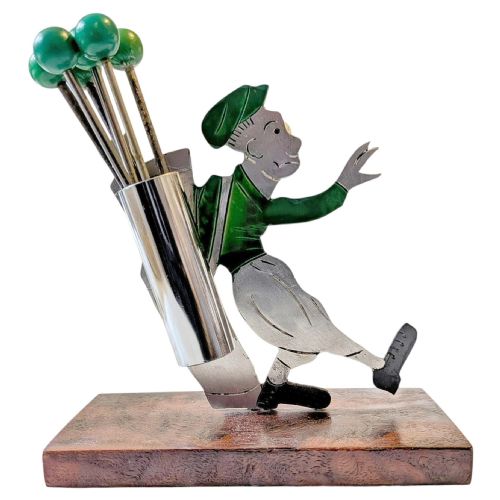
While many examples are standalone sculptures, a significant portion served everyday functions. Makers integrated figures into cocktail sticks, match strikers, and dresser boxes.
Practical forms include table lamps, cigarette strikers, and desk ornaments. This blended utility with the sleek design language of the period.
How do I spot a signature?
Signatures typically appear cast directly into the metal base or scratched into the material while wet. Look closely near the feet of figures or along the edge of marble plinths.
Ceramic items often carry factory stamps or painted monograms on the underside. Absence of a signature does not preclude attribution to a known workshop.
What subjects are most common?
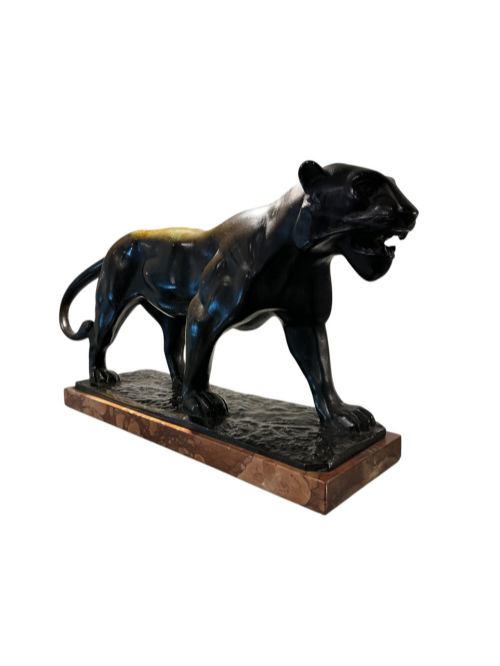
Female dancers and athletic figures dominate the sculptural output, reflecting interwar enthusiasm for movement and physical culture. Animals such as panthers, deer, and pheasants also appear frequently.
Pierrot and Pierrette figures draw on theatrical traditions, while flapper girls define the era's social style. Natural forms appear alongside stylised human geometry.