
Vintage Ceramic Pot
These vintage ceramic pot examples range from salt-glazed confit vessels to delicate porcelain tea sets, bringing historic utility and display form into domestic spaces.
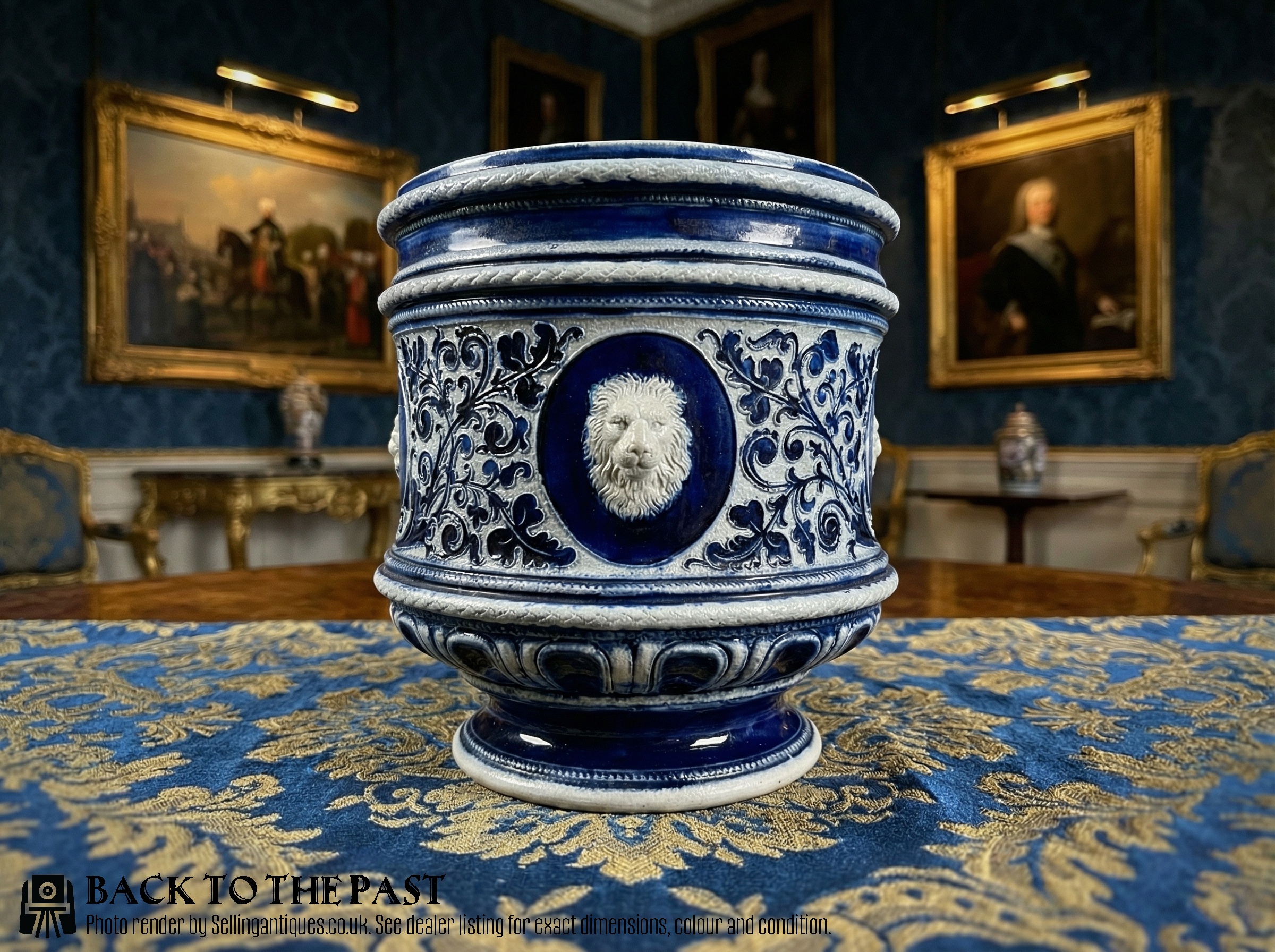
Vintage Ceramic Pot
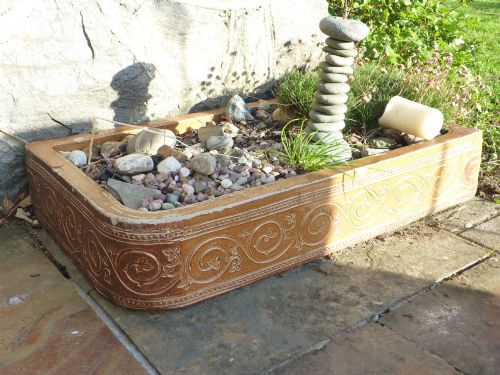
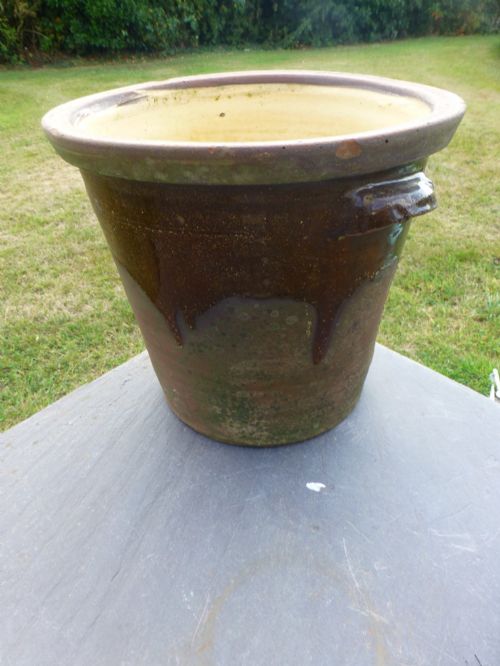
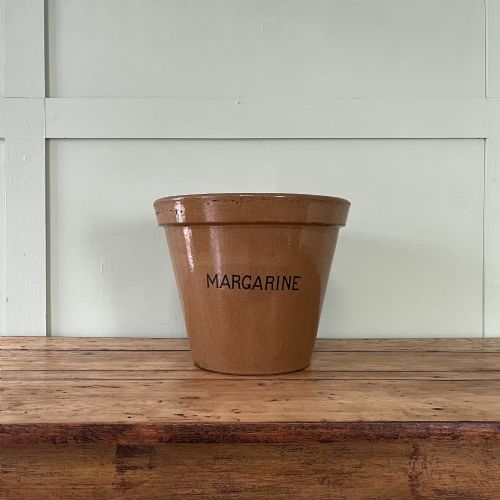
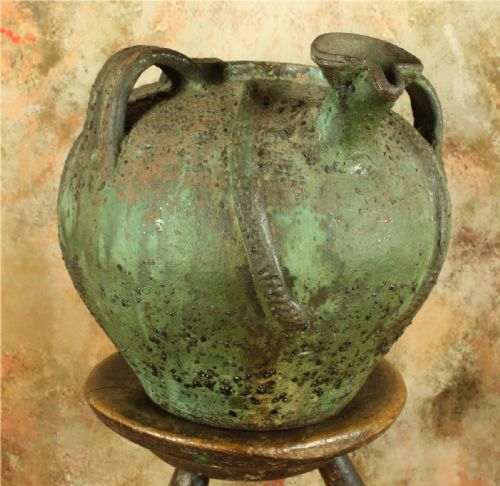
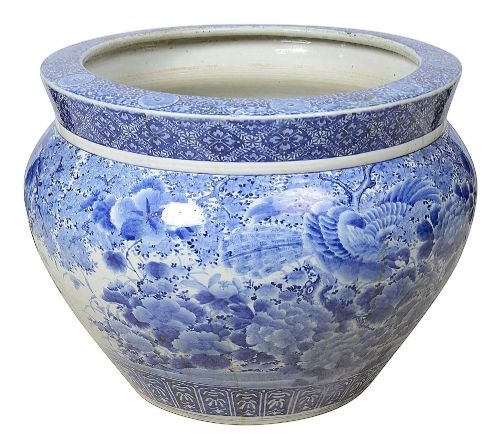
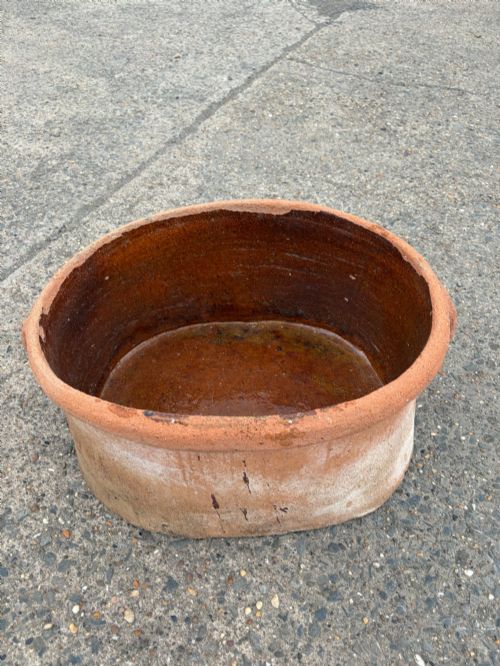
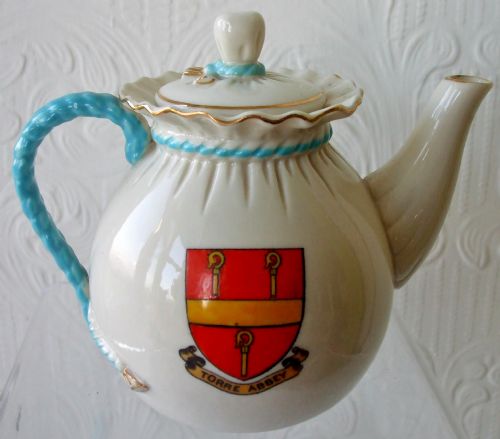
When searching for a vintage ceramic pot, buyers encounter a diverse selection of utilitarian and decorative vessels spanning multiple centuries. The inventory includes utilitarian dairy salting crocks, oil pots, and apothecary jars alongside domestic items such as teapots, jardiniere stands, and biscuit barrels.
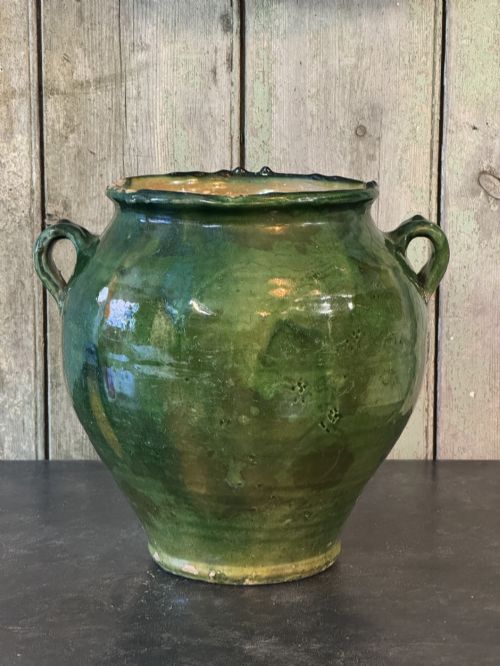
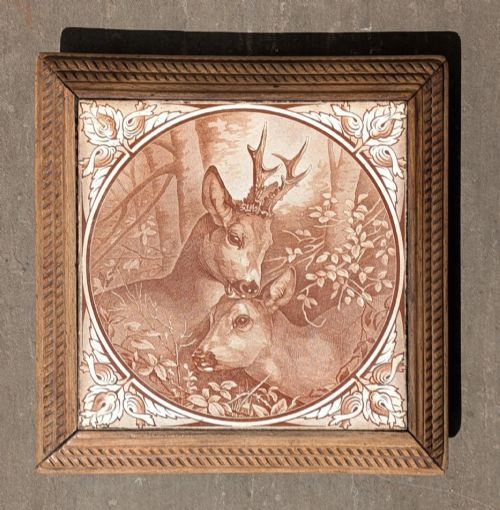
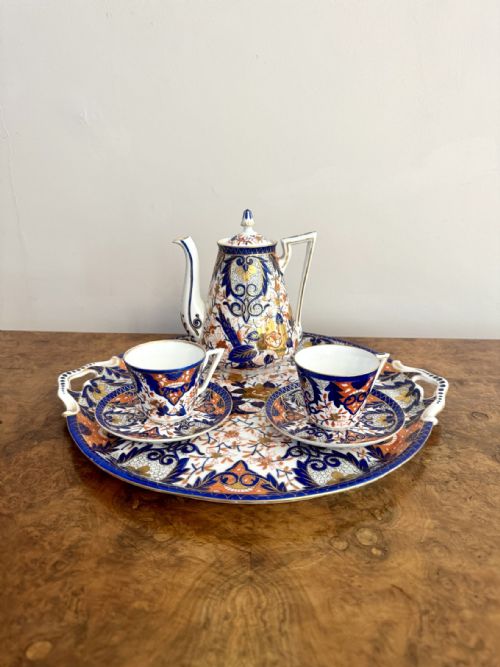
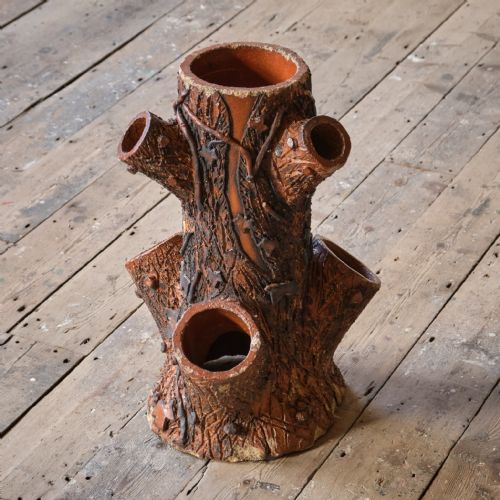
Confit pots and terracotta garden planters from France sit alongside English porcelain coffee sets and Victorian ceramic butter dishes. These items cross numerous periods, stretching from the eighteenth century through to the mid-twentieth century, encompassing Edwardian, Victorian, and Art Deco aesthetics.
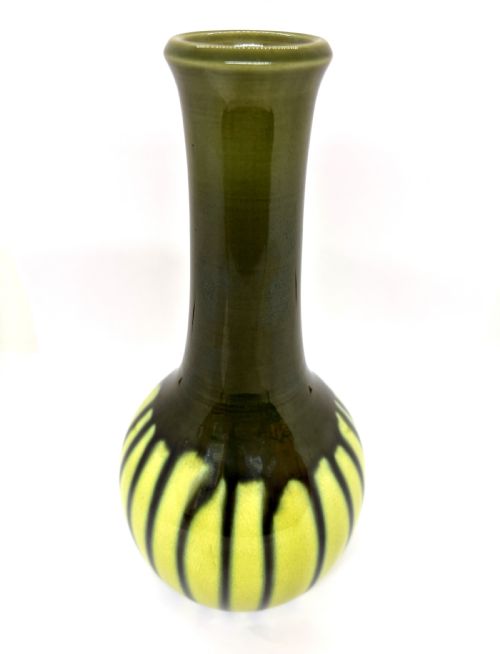
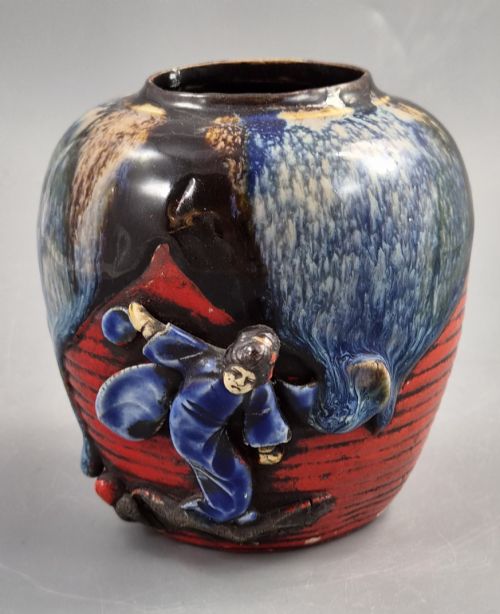
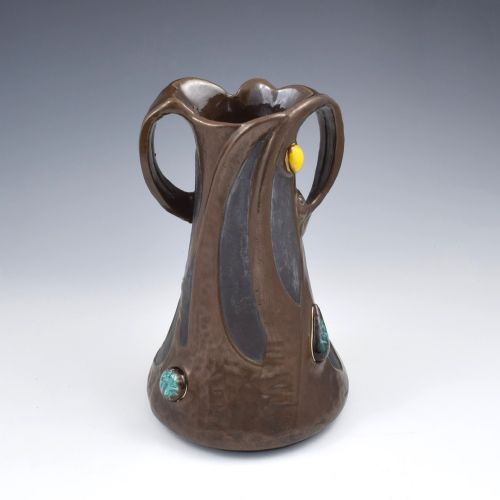
The selection reflects both functional kitchenalia and ornamental studio pottery, such as pieces from Burmantofts and Bretby. Buyers will find items intended for pantry storage, botanical display, and tabletop service in equal measure.
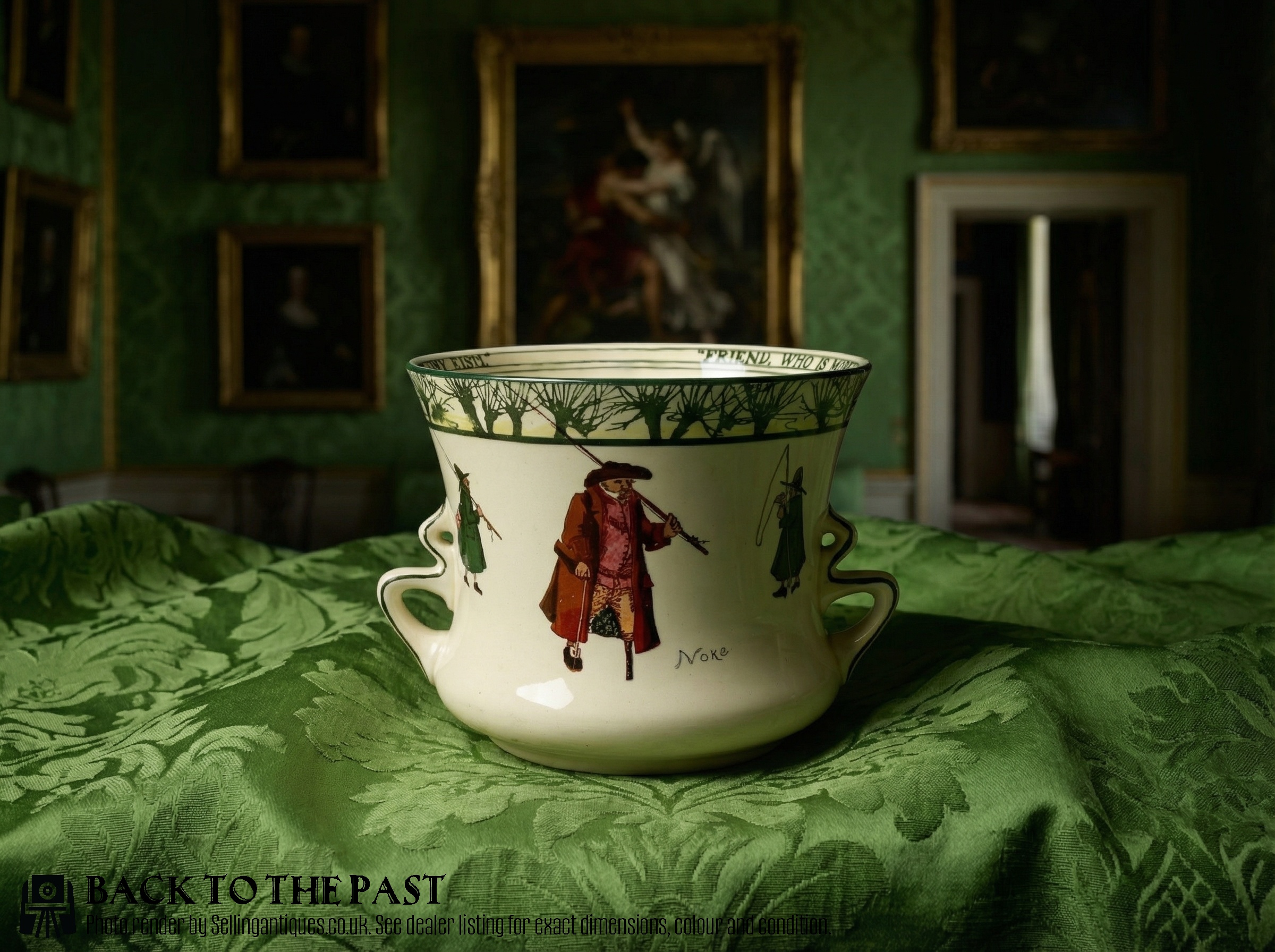
How they were made
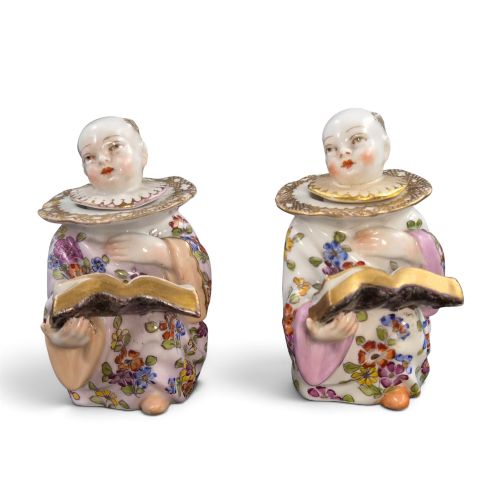
Potters shaped these vessels using earthenware, terracotta, stoneware, and porcelain bodies, often finished with lead or salt glazes to ensure liquid retention. Techniques ranged from simple hand-throwing on a wheel to intricate slip-casting and moulding for figural inkwells or decorative cache-pots.
Surface decoration involved hand-painting, transfer printing, and applied enamel, alongside specialised finishes like faux bois texturing or copper effect glazes. Firing methods varied from low-temperature earthenware kilns to higher-firing salt-glazed stoneware kilns, producing distinct surface textures and vitrification levels.
Listings feature earthenware, stoneware, and porcelain forms spanning the 18th, 19th, and 20th centuries.
What varies in quality
Quality rests upon the crispness of the moulding, the depth and evenness of the glaze application, and the preservation of hand-painted details. Superior pieces display harmonious proportions and well-defined decorative motifs, whether dealing with subtle drip glazes or intricate floral patterns.
The integrity of the ceramic body and the historical stability of any applied metal mounts, such as silver-plated lids on biscuit barrels, dictate the overall standing of an individual piece. Retaining original surface patination without aggressive restoration separates standard utility wares from collector-grade examples.
Edmé Samson·Burmantoft's Pottery·Bretby Pottery·W.H. Goss·Royal Worcester·Royal Doulton·Doulton Lambeth·Crown Devon·Samuel Alcock and Co
The Vintage Ceramic Pot Glossary
- Confit pot
- A traditional French earthenware vessel used for preserving meat and other foods, typically featuring a glazed upper section and an unglazed lower body.
- Jardinieres
- Large ornamental ceramic pots or planters designed to hold potted plants indoors.
- Albarello
- A type of majolica earthenware jar used by apothecaries to store drugs and ointments, originating in the Middle East and adopted across Europe.
- Biscuit barrel
- A covered ceramic container used in the nineteenth and twentieth centuries for storing dry biscuits at the dining table, frequently fitted with metal mounts.
- Pearlware
- A fine earthenware developed in the late eighteenth century by Josiah Wedgwood, characterised by a bluish-white glaze that pooled in recesses.
Vintage Ceramic Pot: Frequently Asked Questions
How do I clean an antique ceramic pot?
Wash the piece gently in warm water using a mild, non-abrasive detergent and a soft cloth. Avoid submerging items with porous unglazed bases or historical repairs for extended periods.
Pat the surface dry immediately with a lint-free towel and keep them away from harsh chemical solvents that might degrade aged glazes.
Are these old pots safe for planting flowers?
Many of these vessels, such as terracotta planters and stoneware crocks, were built specifically for botanical or agricultural use. However, unglazed earthenware is porous and may absorb moisture, which can lead to cracking during freezing weather.
Protect delicate historical glazes by placing a modern plastic liner inside the pot before adding soil and water.
What is a confit pot used for?
Traditional French confit pots were utilised in rural kitchens to preserve duck, goose, or pork by submerging the cooked meat in fat within the jar. The partial glaze prevented the porous clay from leaking while keeping the contents sealed.
Today, collectors repurpose these heavy earthenware jars as decorative umbrella stands, vases, or floor planters.
How can I tell Victorian pottery apart from Edwardian pieces?
Victorian ceramics often favour ornate, heavily moulded floral motifs, rich colour palettes, and Victorian revival styles. Edwardian pieces frequently lean towards lighter pastels, simpler geometric forms, or transitional Art Nouveau linearity.
Examining the registry marks, base stamps, and stylistic cues helps narrow down the manufacturing decade.