


Black Porcelain Figurine
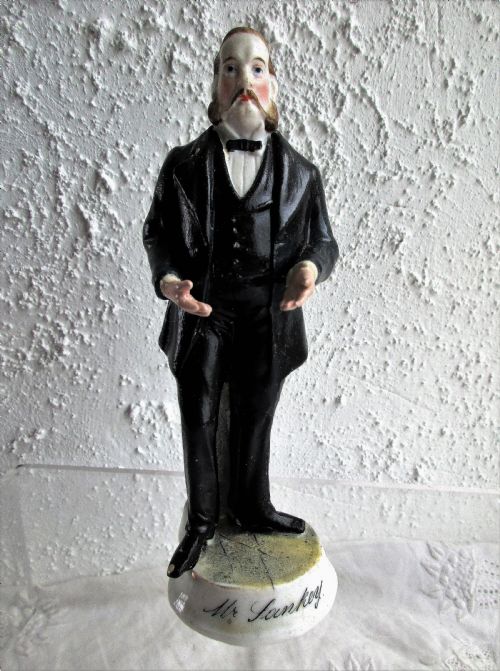
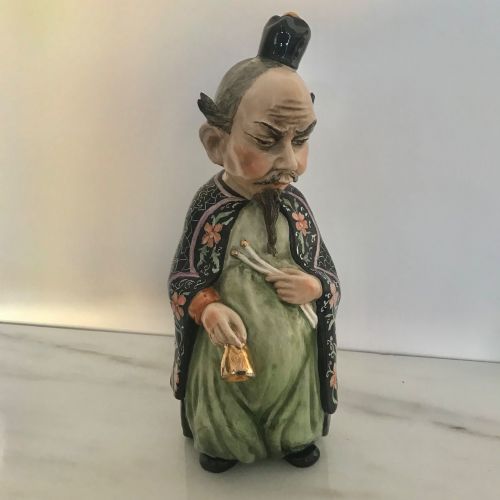
A black porcelain figurine brings dark, striking presence to a mantelpiece, offering glossy glaze and sculptural form from various European and Asian traditions.
Black Porcelain Figurine
When you search for a black porcelain figurine, you are examining sculptural ceramic pieces rendered in dark monochrome or accented finishes. The evidence reveals forms ranging from Victorian character studies and Continental animal models to Chinese and Japanese deities.
You are most likely to meet 19th century English depictions, Art Deco dresser items, and continental figures produced across several eras. Makers span diverse origins, incorporating everything from traditional English Staffordshire dogs to delicate French bonbonniere boxes.
The selection includes candle snuffers, trinket boxes, and symbolic figures representing the continents or mythological figures. Each object utilises ceramic bodies finished with specialised glazes and enamels to achieve its distinct appearance.
Methods of manufacture
Potters shaped these pieces using porcelain, soft-paste porcelain, and earthenware before applying dense dark glazes or hand-painted enamel decoration. Artisans frequently enhanced details using gold leaf and gilt highlights over the fired ceramic body.
Manufacturing methods span traditional slip casting and hand-modelling techniques seen in 18th century Derby works and later continental workshops. The application of enamel and metallic leaf required precise secondary firings to bond surface colour securely to the glaze.
A solitary fox stands ready to snuff out flames, proving that even a small ceramic dog can hold a very serious job.
Standards of craftsmanship
Quality rests in the crispness of the modelling and the evenness of the dark glaze across complex surfaces. Finer examples show precise hand-painted enamel work and well-preserved gilding that remains sharp against the dark body.
Royal Worcester·Limoges·Beswick Staffordshire
The Black Porcelain Figurine Glossary
- Porcelain
- A hard, white, vitrified ceramic material fired at high temperatures. It forms the impermeable white body beneath the dark glazes found on many figures.
- Soft-paste porcelain
- An artificial porcelain composition fired at lower temperatures than true hard-paste. It appears frequently in earlier European figures and domestic ceramics.
- Enamel
- A glass-like substance fused to the surface of ceramics for decoration. Artisans applied these coloured paints by hand before secondary firing.
- Bonbonniere
- A small decorative container designed for holding sweets. These lidded ceramic boxes often incorporate figural lids.
Black Porcelain Figurine: Frequently Asked Questions
What periods do these figures come from?
The listings span from the eighteenth century through the Victorian era and into the Art Deco period of the nineteen-thirties. You will encounter nineteenth-century English character pieces alongside twentieth-century continental designs.
Production methods and stylistic details shift noticeably between these eras, reflecting the changing tastes of European and Asian potteries.
How were these figures used originally?
Many served as purely decorative mantel ornaments, while others doubled as functional items such as candle snuffers or powder trinket boxes. Some were created as part of larger decorative sets, like allegorical representations of the continents.
Their dual role as art and utility made them popular additions to nineteenth-century and early twentieth-century domestic interiors.
How do I care for a porcelain figure?
Clean surfaces gently with a soft, dry cloth to remove dust without disturbing delicate enamel work or gilding. Avoid using harsh chemical cleaners or abrasive materials that could scratch the dark glaze.
Display the pieces away from direct sunlight and areas of high moisture to preserve the integrity of the ceramic body and metallic highlights.