


Art Deco Vanity Jar
An art deco vanity jar is a dressing table container for powder or trinkets that brings geometric colour and period polish to a modern interior.
Identifying an art deco vanity jar
These pieces are dressing table containers designed to hold powder, trinkets or cosmetics during the early twentieth century. When searching for an art deco vanity jar, buyers frequently encounter lidded bowls and trinket boxes fashioned from glass, ceramic and precious metals.
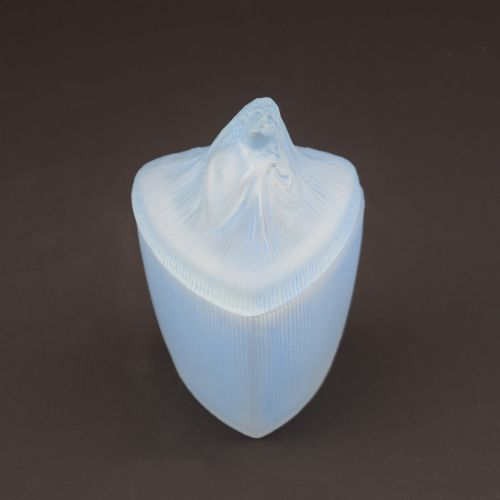
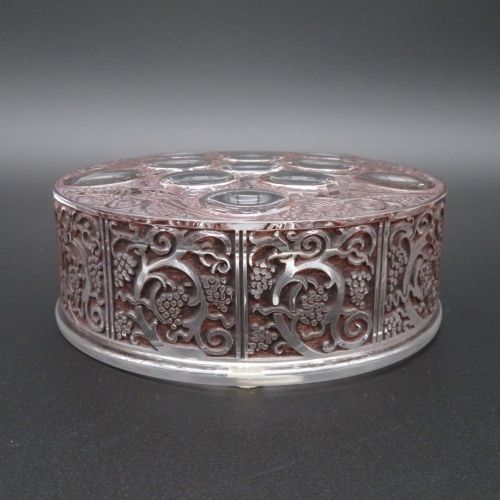
The objects span the 1920s and 1930s, showing distinct shifts from Edwardian influences into clean modernist lines. Most examples on offer combine glass bodies with decorated metal lids or feature figural ceramic toppers such as flapper girls and bathing belles.
French and English origins dominate the available inventory, reflecting the major centres of interwar ceramic and silversmithing production. Whether formed as a simple cut glass bowl or a moulded porcelain figure, each piece serves as a functional relic of the dressing room.
Materials and construction
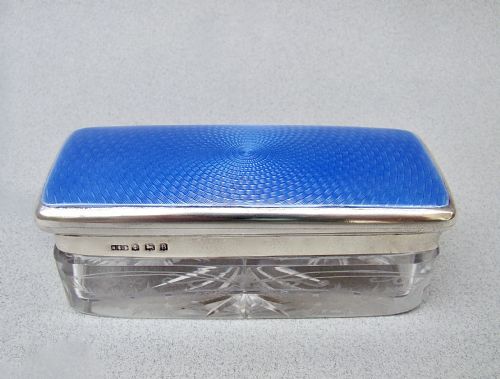
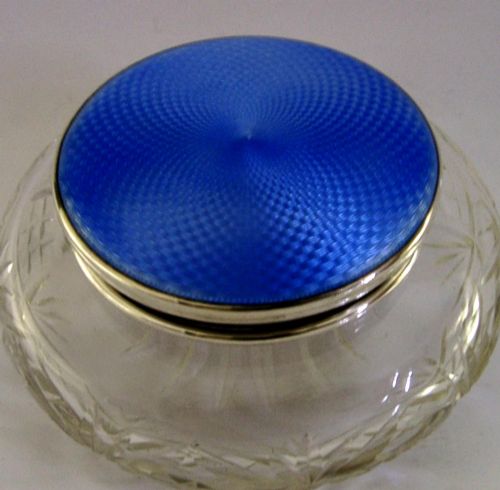
Makers utilised heavy cut and etched crystal for the lower body to catch the light on a dressing table. Sterling silver mounts and fitted collars were then added to secure the lids of these glass vessels.
Ceramic bodies were cast in moulds and finished with vibrant glazes, particularly in the figural powder boxes depicting bathing belles and flapper girls. Guilloché enamel supplied colourful geometric patterns across silver lids through engine-turned metalwork beneath translucent coloured glass.
Retail Price Guide 2026
Typical UK retail prices for art deco vanity jar, calculated from the Sellingantiques database of over a million retail prices indexed since 2003. This retail price guide relies exclusively on Sellingantiques data; no external sources or auction records are used, so the figures do not describe the wider market.
Listings feature ceramics, glass, silver, and guilloche enamel across the 1920 and 1930 periods.
Judging quality in interwar vanity pieces
Quality rests heavily on the crispness of the glass cutting and the precision of the engine-turned pattern beneath the enamel. Superior pieces display deep, sharp facets on the crystal and flawless translucent enamel without chipping.
Figural ceramic boxes depend on the delicacy of the moulding and the hand-painted details of the facial expressions and attire. Finer silver lids bear clear hallmarks that confirm the maker and assay office, adding historical weight to the decorative appeal.
Albert Carter
The Art Deco Vanity Jar Glossary
- Guilloché enamel
- A decorative technique involving precise mechanical engraving beneath translucent enamel. This method produces intricate geometric patterns that reflect light through the coloured glass layer.
- Sterling silver
- An alloy consisting of silver and other metals to ensure durability. Pieces carrying this standard usually bear official hallmarks indicating the assay office and year of production.
- Flapper girl
- A cultural archetype of the interwar period representing modern young women. Ceramic representations of these figures frequently form the lids of dressing table powder boxes.
- Cut glass
- Glassware shaped and patterned by abrasive wheels. The resulting facets scatter light across the vanity table and provide weight to the base of the jar.
Frequently Asked Questions
What were vanity jars used for?
These jars held loose face powder, dusting powder, pins or small trinkets on a lady's dressing table.
They kept daily cosmetics contained while adding a decorative focal point to the bedroom furniture of the period.
How do I date an art deco jar?
Dating relies on hallmarks stamped on the silver mounts, registry numbers, or stylistic markers such as flapper motifs.
Items from the 1920s often retain Edwardian delicacy, whereas 1930s pieces lean towards bolder geometric forms and ceramic figural designs.
Are these jars fragile?
The glass and ceramic components require careful handling due to their age and delicate moulded extremities.
Enamel lids also demand gentle care to prevent scratching or impact damage to the coloured decorative surface.
Where were these pieces made?
Production was centered in England and France, drawing on established silversmithing hubs and ceramic factories.
English examples frequently feature sterling silver mounts with Birmingham or London assay marks, while French pieces often highlight moulded ceramic forms.