
Silver Vanity Jar
A silver vanity jar holds dressing table essentials in style, combining metal mounts with glass or crystal bodies.
Understanding silver vanity jar pieces
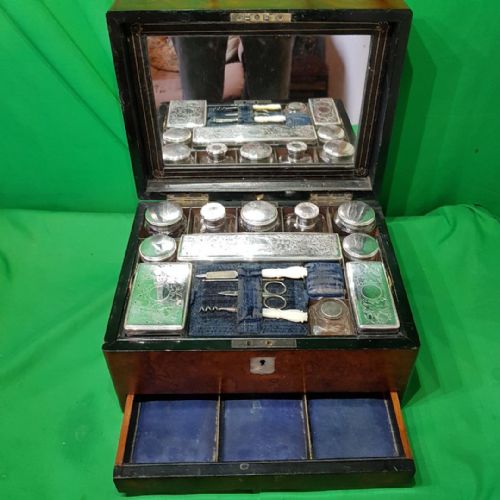
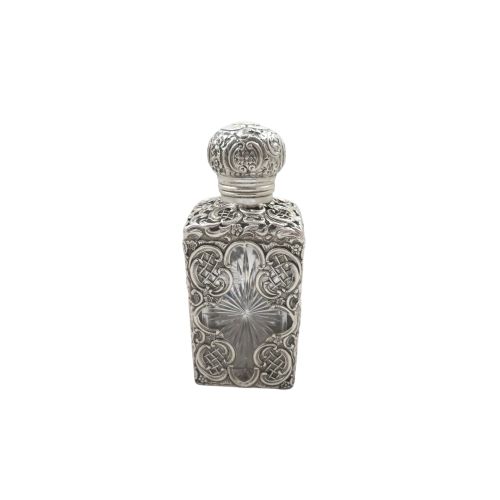
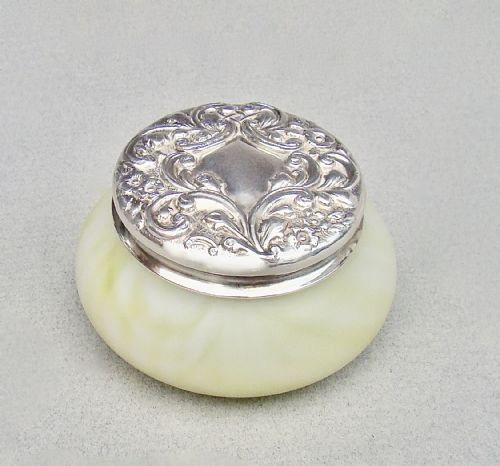
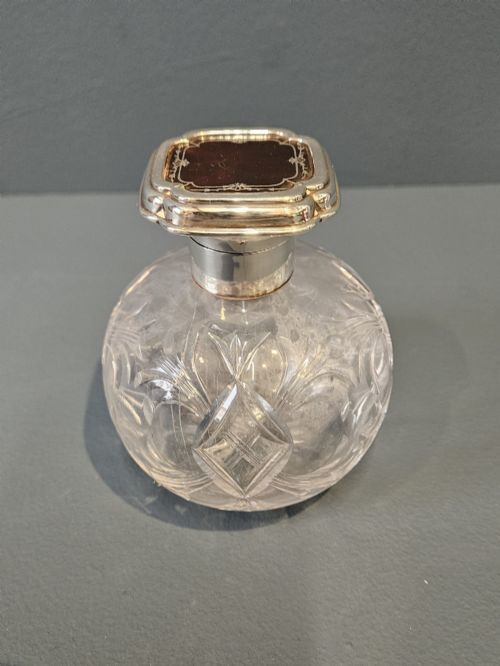
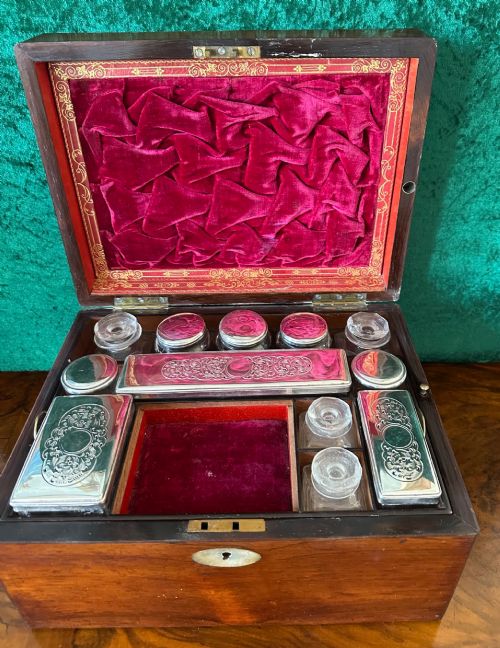
A silver vanity jar sits on dressing tables and dressing cases, holding powders, trinkets and pins. When you search for a silver vanity jar, you encounter forms dating from the Victorian period through to the 1920s and 1930s. The most frequent examples pair sterling silver lids with cut crystal, cut glass, or tortoiseshell bodies.
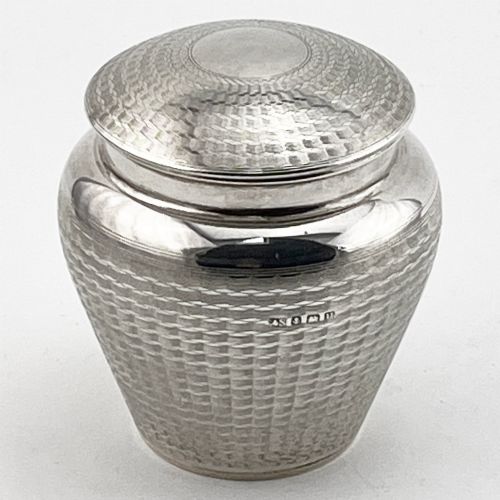
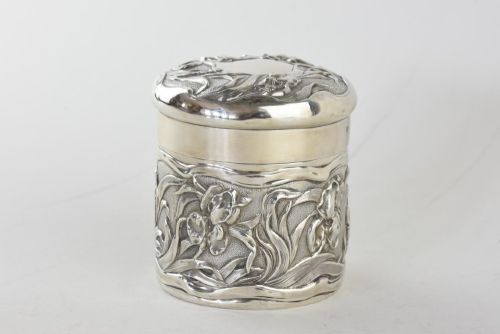
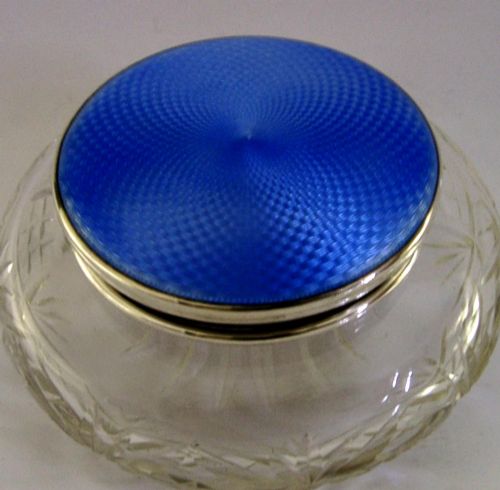
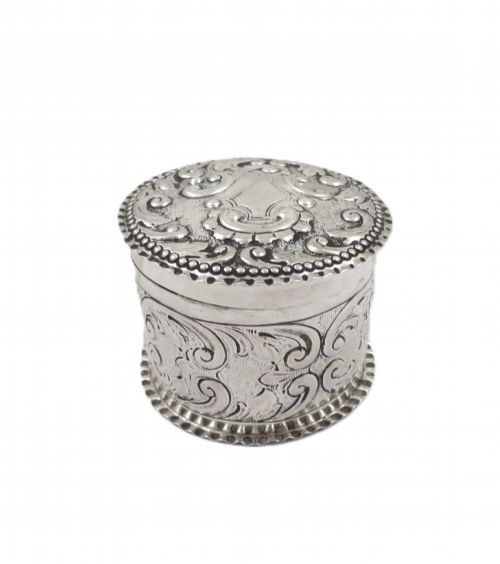
Makers produced these items in various shapes including cylindrical pots, heart shapes, and jars with musical or cherub embossed motifs. The surviving stock ranges from plain sterling silver mounts to colourful guilloché enamel and pique work lids.
Materials and construction
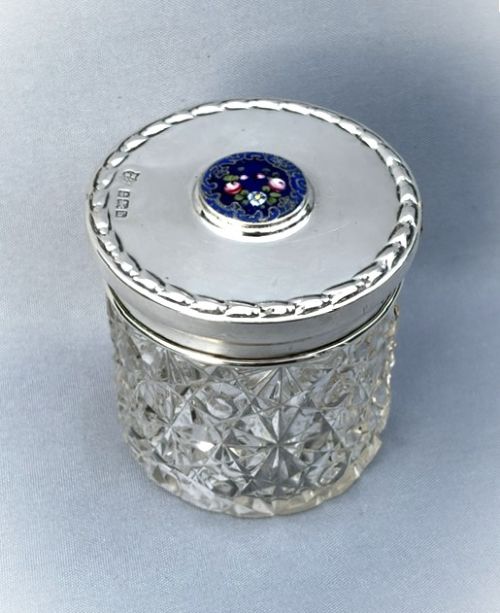
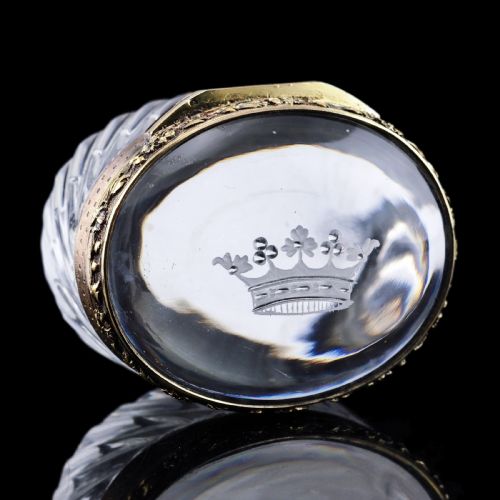
Silversmiths formed the lids from sterling silver, often adding embossed decoration, chased angels, or coloured enamel layers. Glass bodies were heavy, featuring cut crystal or etched patterns to catch the light on a dressing table.
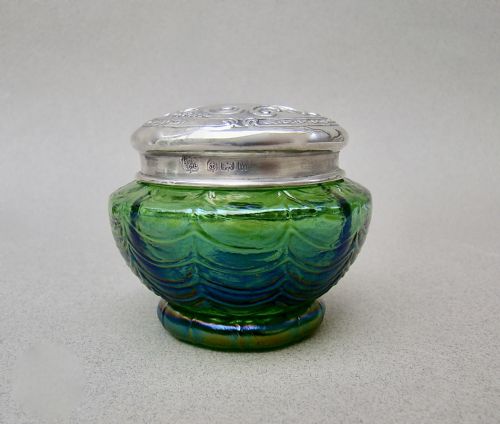
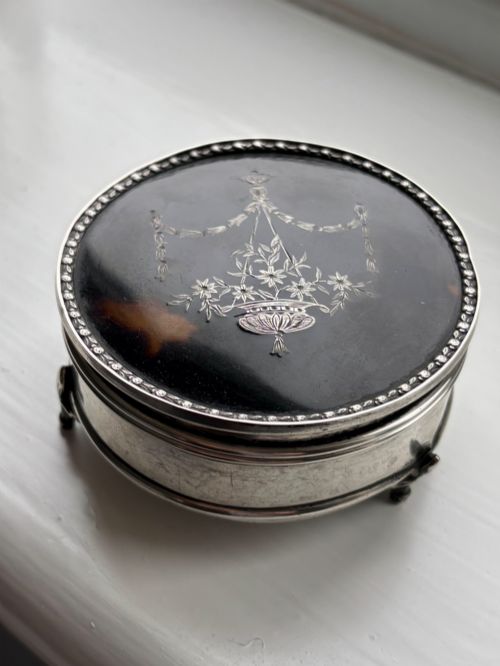
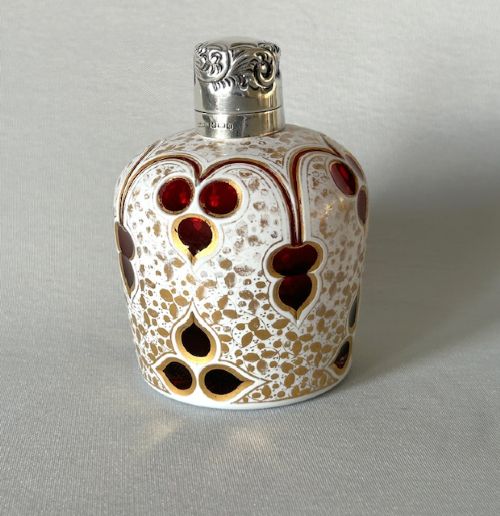
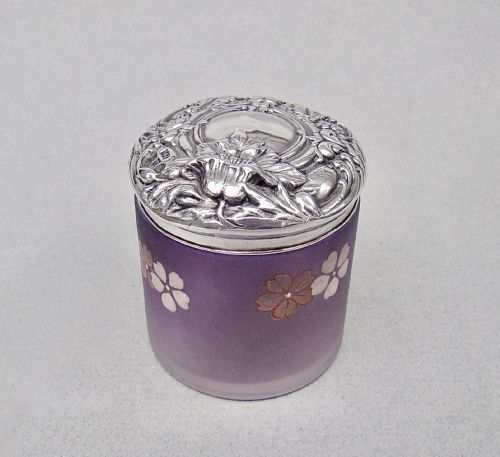
Tortoiseshell was frequently inlaid with silver pique work, fitted neatly onto glass jars. Other pieces utilised iridescent Loetz glass or frosted glass mounted with silver collars.
Some Victorian jars feature embossed cherubs or musical themes on the lid, perhaps to inspire cheerful grooming habits.
Judging the range
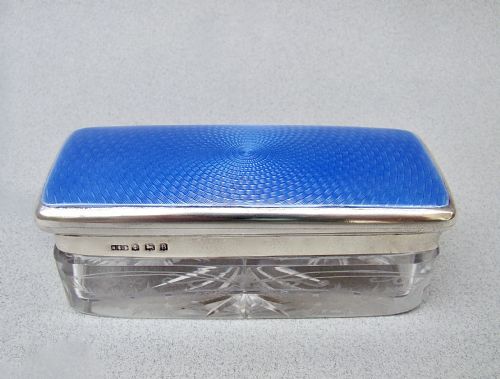
Quality rests upon the crispness of the silver embossing and the condition of fragile materials like enamel and tortoiseshell. Intricate guilloché enamel patterns or inlaid pique work denote higher workshop input.
The weight and depth of the cut crystal or glass body also separates standard production items from more decorative examples produced by notable silversmiths.
Asprey And Co·Mappin And Webb·Levi And Salaman·A And J Zimmerman·R Comyns
The Silver Vanity Jar Glossary
- Sterling Silver
- A silver alloy containing 92.5 percent pure silver and 7.5 percent other metals, typically copper. This standard composition is marked on the mounts of period vanity jars.
- Guilloché Enamel
- A decorative technique where a precise geometric pattern is engraved beneath a translucent enamel layer. It appears frequently on twentieth-century vanity jar lids.
- Tortoiseshell
- The shell of certain turtle species used for decorative veneer on vanity jar lids. It is often paired with sterling silver pique inlay.
- Pique Work
- A method of inlaying tiny points or patterns of gold or silver into tortoiseshell. This technique decorates the lids of select period jars.
- Hair Tidy
- An alternative name for a vanity jar or pot used on dressing tables to collect loose hair from brushes.
Frequently Asked Questions
What is a silver vanity jar?
A silver vanity jar is a small lidded container designed for dressing tables to hold cosmetics, pins, or hair tidy remnants.
They combine a solid silver lid with a decorative glass, crystal, or tortoiseshell base.
How do I date a silver vanity jar?
Dating relies heavily on the hallmarks stamped into the sterling silver mounts, which indicate the assay office and year of manufacture.
Stylistic shifts, such as Victorian cherub embossing versus Art Deco guilloché enamel, also help narrow the period.
How were these jars used?
These jars sat atop dressing tables to store small personal items, vanity powders, and hair dressings in an orderly fashion.
Their decorative lids kept contents concealed while adding a polished element to the room.
What materials are common?
The primary materials are sterling silver for the mounts and lids, paired with cut crystal, cut glass, or frosted glass for the bodies.
Many examples incorporate tortoiseshell, colourful enamel, or iridescent glass into the lid design.