

Antique Sterling Caddy
An antique sterling caddy is a refined vessel meant to store loose tea leaves securely, bringing period silverwork directly to the table.
Antique Sterling Caddy
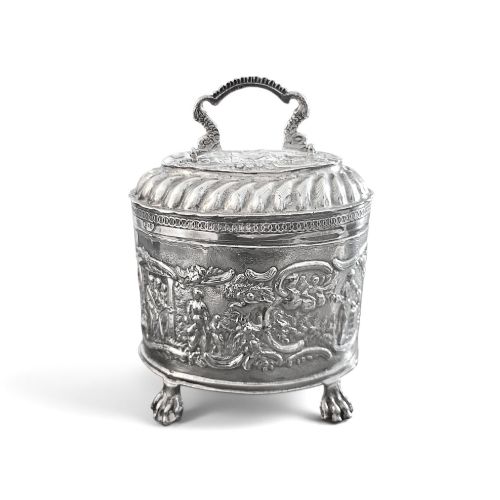
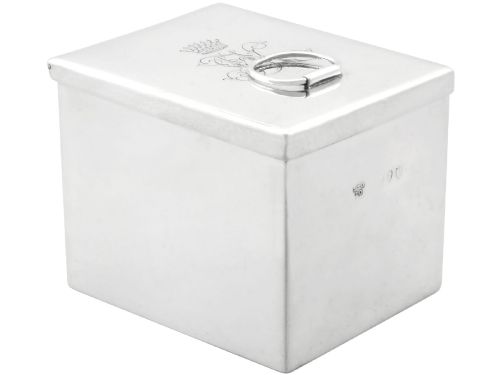
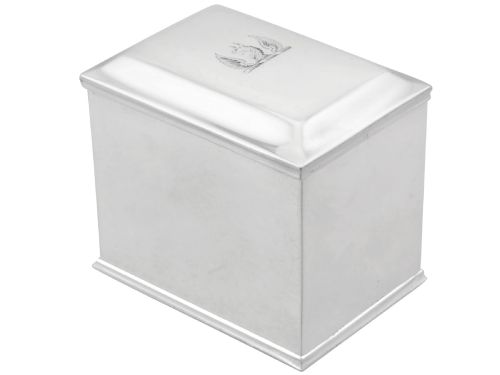
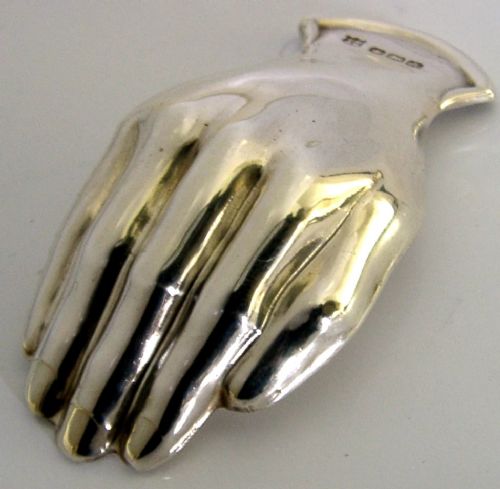
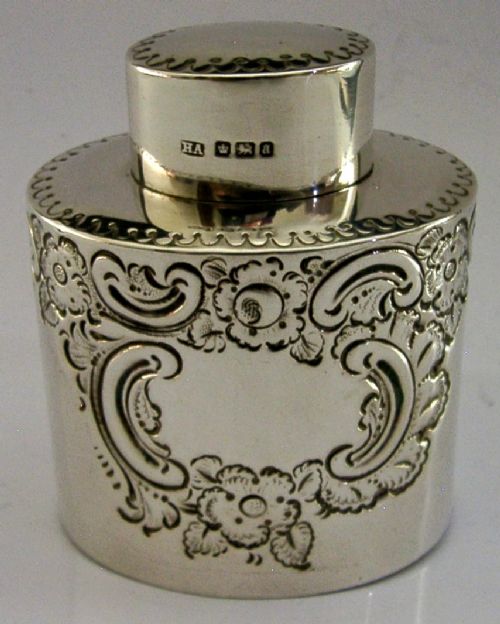
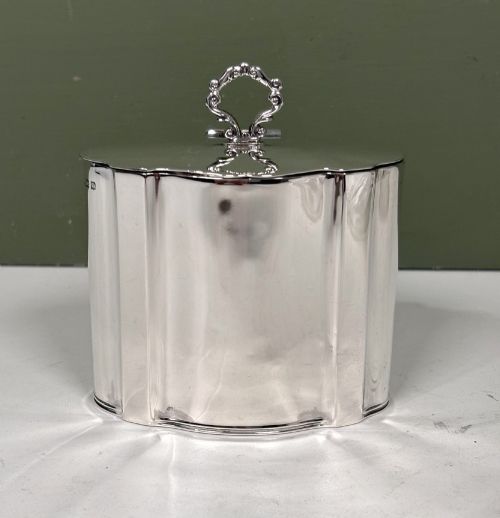
The versions most likely to meet you on this page include cylindrical tea caddies, bombe tea caddies, and knife box forms made of sterling silver. Many examples incorporate decorative repousse work or pierced panels that reflect the stylistic preferences of their respective decades.
Materials and construction methods
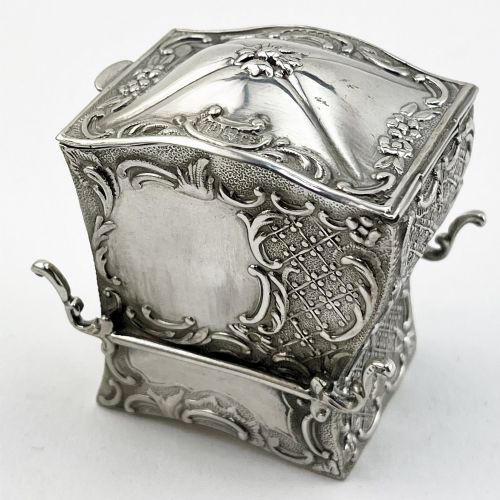
Makers utilised solid sterling silver alongside supplementary materials like cut crystal and faux tortoiseshell to construct these vessels. Techniques such as repousse hammering, casting, and piercing allowed silversmiths to shape rigid metal into ornate botanical or geometric motifs.
Internal components often relied on tight-fitting lids to preserve the aroma of stored tea leaves. Structural stability was achieved through soldered joints and reinforced hinges designed for daily domestic use.
Antique Sterling Caddy Retail Price Guide 2026
Typical asking prices for sterling caddy among the pieces listed under this phrase on Sellingantiques today, from the lower quarter to the upper quarter. They describe what is for sale here now, not the wider market.
One unexpected Victorian iteration takes the literal form of a miniature sedan chair holding playing cards instead of tea.
Assessing quality in silver caddies
The weight of the silver and the crispness of the chased or repousse decoration separate standard vessels from superior examples. Thicker gauge metal ensures the body retains its structural integrity without undue denting over generations.
Quality also resides in the precision of the maker's marks and the smooth operation of the hinged lid. Well-executed pierce-work and balanced proportions indicate higher craftsmanship during the manufacturing process.
Martin Hall & Co·Ollivant & Botsford·Zimmermann·Thomas Hayes·Robert Hennell·John Walton·William Hutton & Sons Ltd·William Comyns
The Antique Sterling Caddy Glossary
- Sterling silver
- An alloy containing ninety-two point five percent silver by mass, with the remainder consisting of other metals usually copper. This standard composition guarantees durability and a distinct lustre.
- Repousse
- A metalworking technique where the silversmith hammers the design from the reverse side to form a raised relief on the front. It creates tactile depth on tea caddy bodies.
- Hallmark
- A series of official marks stamped on items made of precious metals, showing the standard of purity, the assay office, and the date letter. These marks authenticate British and imported silver.
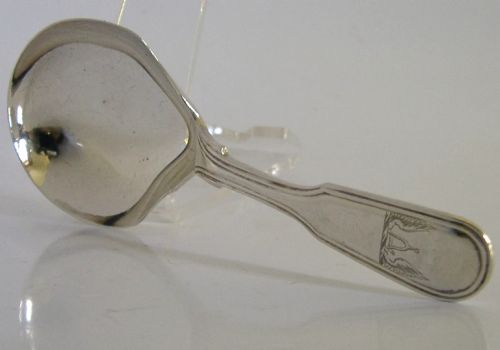
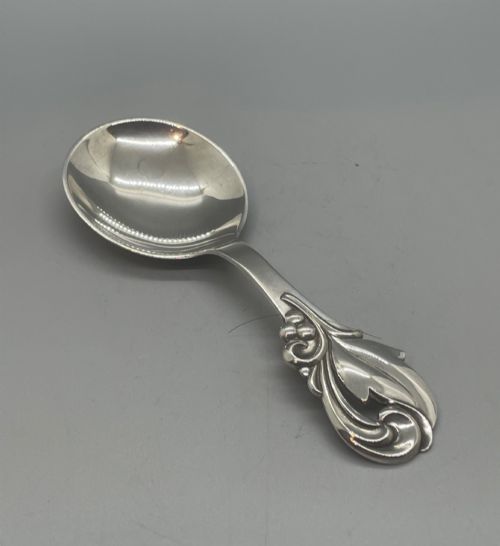
- Caddy spoon
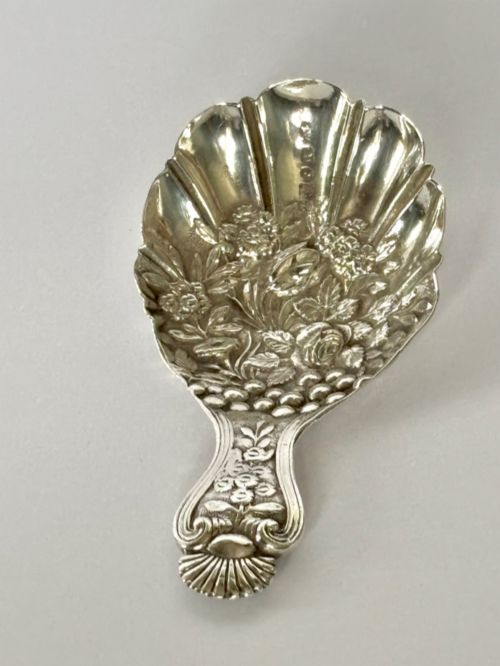
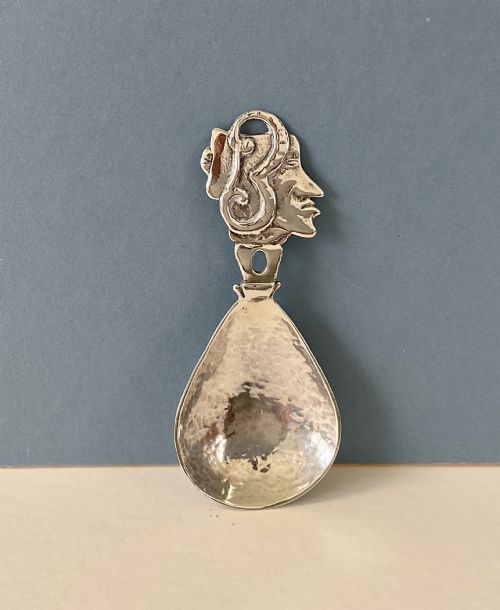
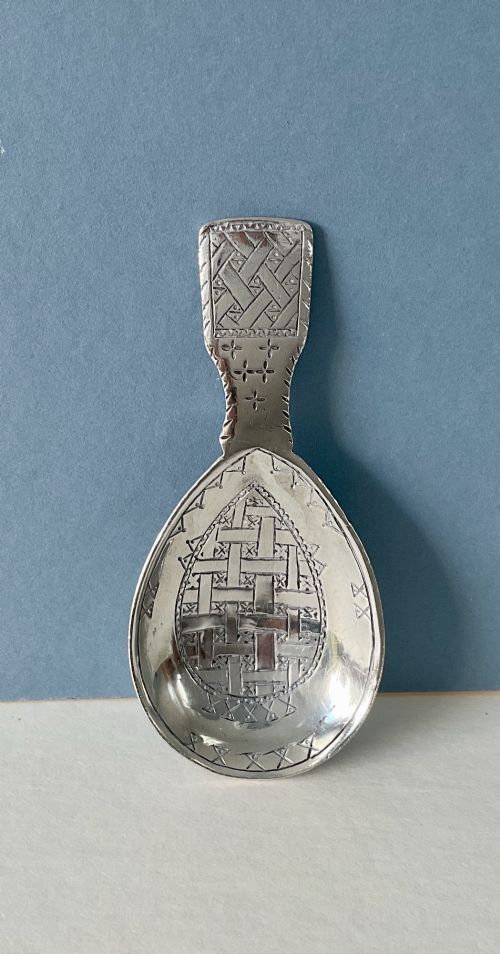
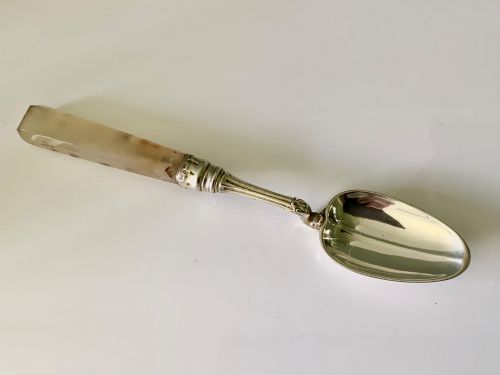
- A short-handled spoon specifically designed for measuring loose tea leaves from the caddy into the pot. They frequently match the decorative style of the accompanying caddy.
Antique Sterling Caddy: Frequently Asked Questions
What is an antique sterling caddy?
An antique sterling caddy is a silver container originally manufactured to store dry tea leaves safely away from light and moisture. These vessels date from the eighteenth, nineteenth, and early twentieth centuries.
They serve primarily as decorative display items in modern interiors while retaining their historical function as table silver.
How do I date a silver caddy?
Dating a silver caddy relies upon identifying the stamped hallmarks and maker's marks located on the body or lid. Assay office symbols and date letters correspond to specific years of manufacture.
Stylistic cues such as Georgian neoclassical lines or Edwardian repousse work also help narrow down the production period.
Were caddies used only for tea?
Tea caddies were designed specifically for dry tea leaves when tea was an expensive commodity requiring secure storage under lock and key. Some forms also accommodated sugar or multiple compartments for different tea varieties.
Today, collectors appreciate these pieces for their versatile sizes which suit modern trinket or dry storage uses.
How do I care for sterling silver?
Sterling silver benefits from occasional gentle cleaning with a soft cloth and a specialised silver polish to remove natural tarnishing. Avoiding harsh abrasive cleaners protects the delicate repousse details and engraved crests.
Storing pieces in a dry environment prevents excessive oxidation over time.