


Mappin Webb Silver
Mappin webb silver spans domestic metalwork from biscuit boxes to cocktail shakers, offering solid silver and plate crafted across Victorian and later periods.
What Mappin Webb Silver Pieces Are
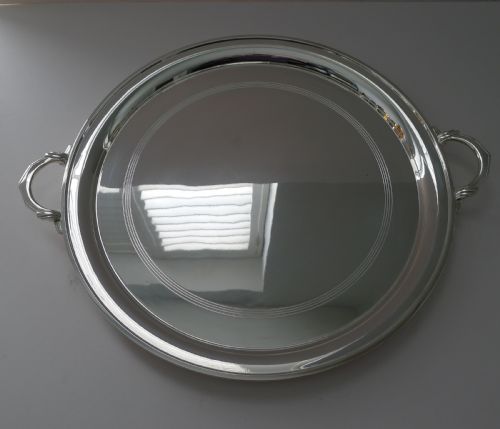
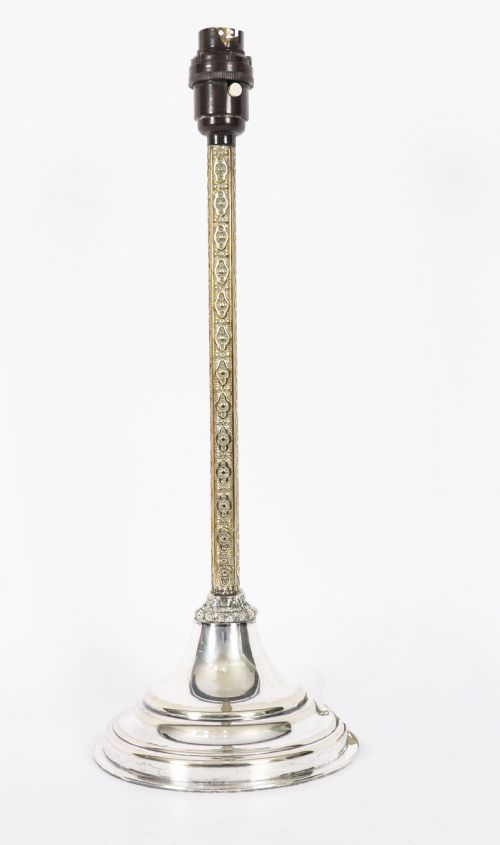
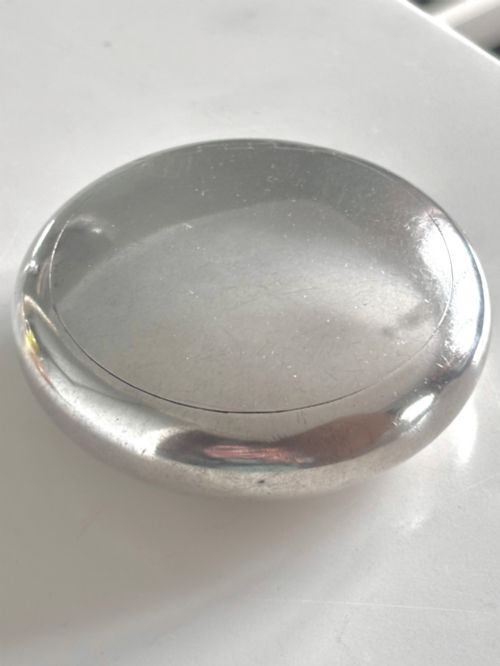
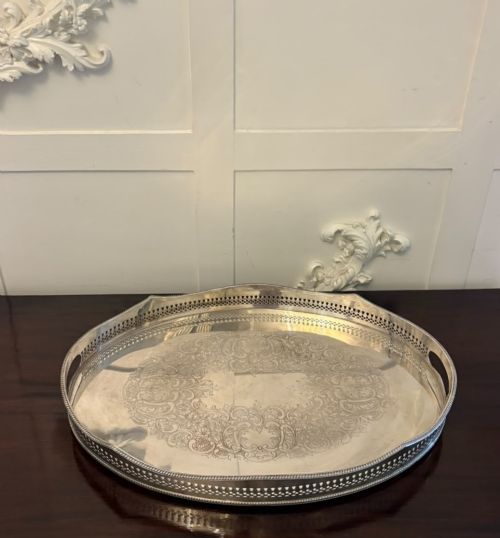
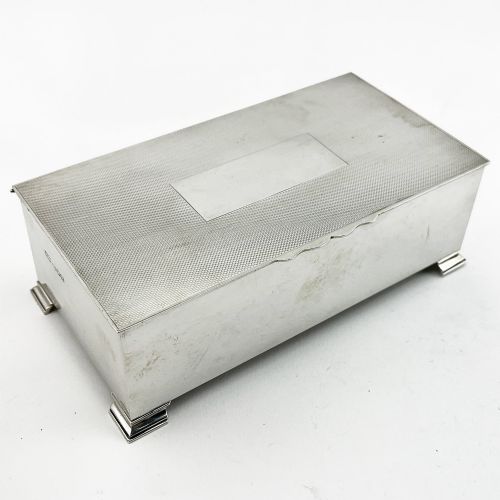
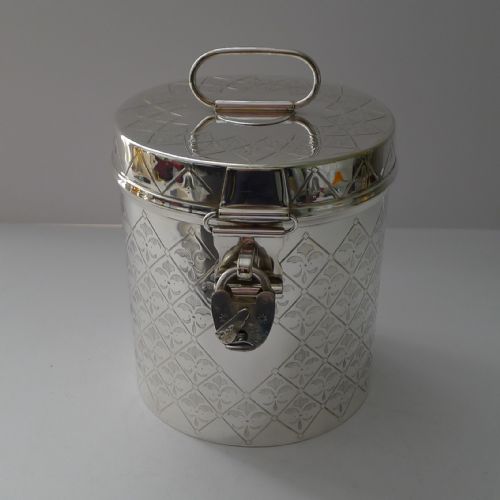
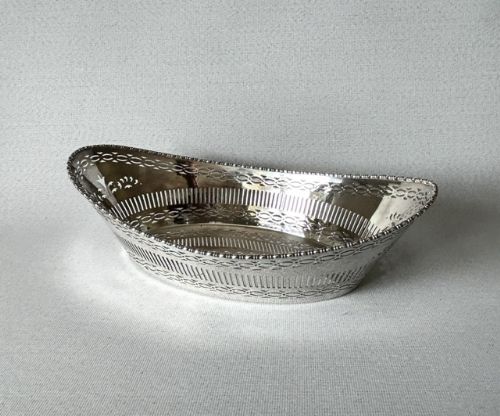
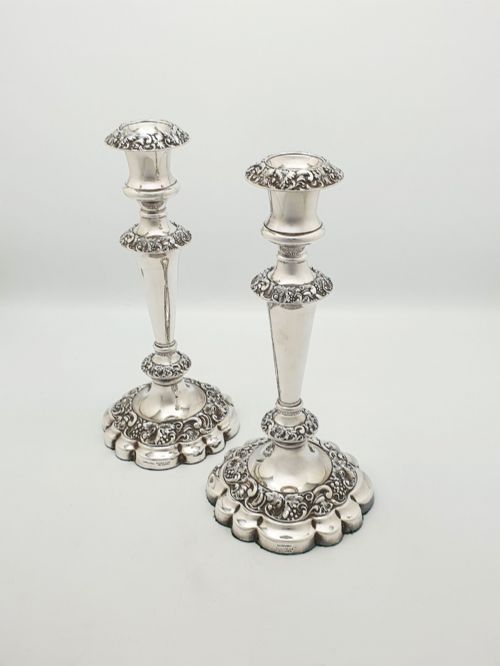
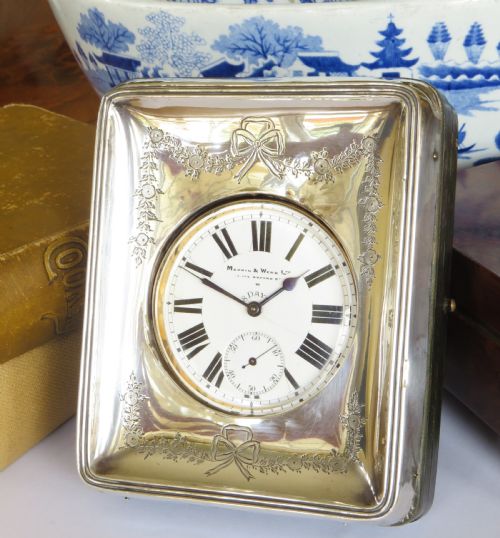
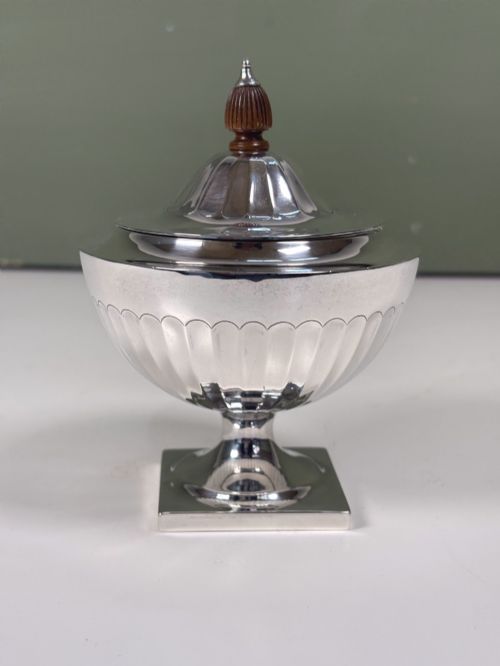
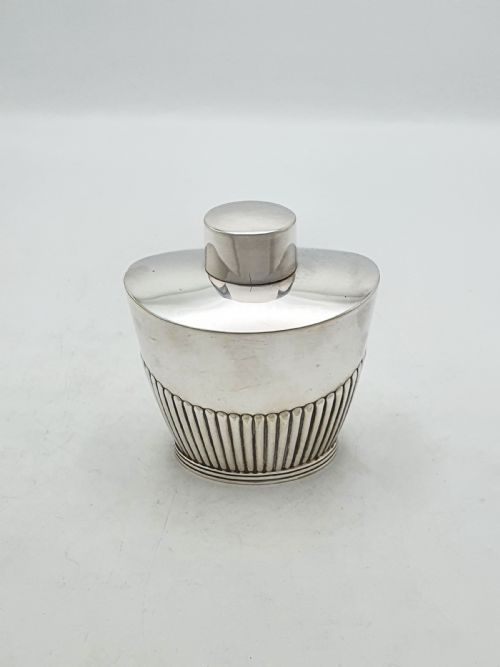
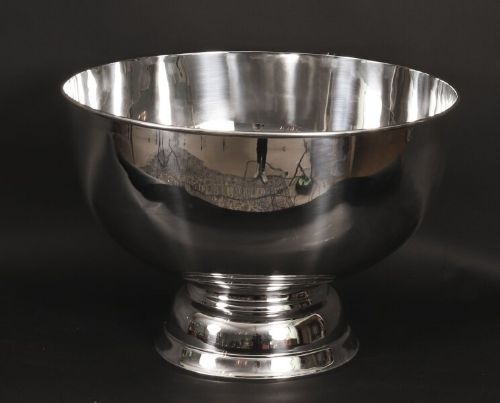
Mappin webb silver encompasses a diverse catalogue of dining wares, smoking accessories and dressing table items produced in solid sterling silver and silver plate. The selection frequently includes biscuit boxes, tea caddies, christening mugs and cigar boxes alongside tableware and decorative containers.
Objects on this page range from Victorian locking biscuit boxes and early Victorian christening mugs to later designs such as cigar boxes and tea caddies. Pieces reflect domestic routines of the nineteenth and twentieth centuries through functional forms suited to display and daily use.
Origins span British manufacturing centres including London, Sheffield and Birmingham, marked by the firm's established hallmarks and plates. Buyers encounter both utilitarian vessels and ornate decorative items reflecting the shifting stylistic preferences of successive reigns.
Materials and Techniques
Items are constructed from solid sterling silver or silver plate applied to base metal foundations, frequently incorporating secondary materials such as wood, leather, velvet and coloured glass liners. Structural components rely on metal-working techniques including casting, piercing, chasing and silver-plating.
Glass elements such as scent bottles and decanters integrate with silver mounts, while boxes feature internal linings of wood or fabric. Manufacturing methods combine traditional silversmithing with industrial plating processes standard to the firm's output.
Retail Price Guide 2026
Typical UK retail prices for mappin webb silver, calculated from the Sellingantiques database of over a million retail prices indexed since 2003. This retail price guide relies exclusively on Sellingantiques data; no external sources or auction records are used, so the figures do not describe the wider market.
Materials appearing across pieces include wood, leather, velvet and coloured glass.
Evaluating Quality
Quality differentiates through the weight of the metal, the crispness of chased or pierced decoration and the integrity of internal fittings such as wood linings or glass inserts. Heavier gauge sterling silver and deeply defined ornament distinguish superior pieces from standard production.
The precision of assembly between mixed materials, such as secure silver mounts on glass bottles or smooth hinges on boxes, determines the standard of manufacture. Well-preserved plating on silver-plated wares and legible hallmarks on solid pieces indicate higher grade production.
Mappin and Webb·Keith Murray
The Mappin Webb Silver Glossary
- Sterling silver
- A silver alloy containing 92.5 percent pure silver by mass, standard for solid British domestic wares. It provides durability while maintaining a bright metallic lustre.
- Silver plate
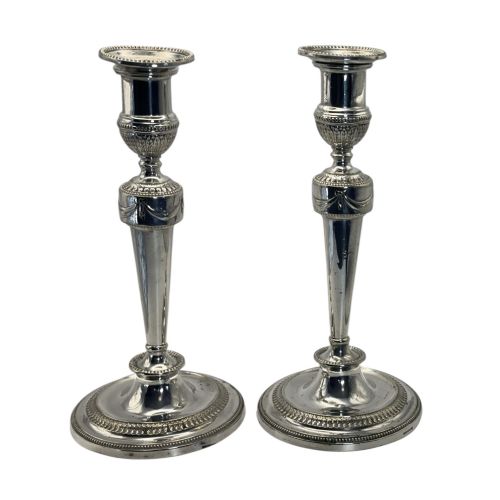
- A layer of silver bonded to a base metal core, utilised extensively for larger domestic items like trays, tea services and candelabra. This method offered the appearance of solid silver at a lower production cost.
- Hallmark
- An official stamp applied to precious metals indicating the standard of purity, the assay office, and the date letter. These marks provide secure dating and attribution for British items.
- Chasing
- A metalsmithing technique where designs are hammered into the front surface of the metal to create raised patterns. This method adds tactile relief and ornamental depth to boxes and bowls.
- Piercing
- The practice of cutting openwork designs through sheet metal to create decorative galleries or lattices. It appears frequently on dish rims, wine coasters and baskets.
Frequently Asked Questions
What is mappin webb silver?
Mappin webb silver refers to hollowware, flatware and decorative objects produced by the historic British firm Mappin & Webb. The items include both solid sterling silver and silver-plated pieces made for dining, dressing tables and domestic display.
Production spans the Victorian era through the twentieth century, encompassing various functional categories such as biscuit boxes, cigar boxes, photo frames and tea services. Each piece carries the maker's mark or stamp associated with the firm's workshops.
How do I identify periods?
Periods are identified primarily through official British hallmarks on solid silver pieces, which include date letters corresponding to assay offices in London, Sheffield or Birmingham. Stylistic cues such as Victorian ornamentation, Edwardian forms or later Art Deco geometry also indicate the date of manufacture.
Materials and construction methods further assist in dating, as certain glass types, plating techniques and box linings align with specific decades of production. Comparing the specific maker's mark typography to established corporate timelines refines the period further.
Were these items used daily?
Many pieces were created for active domestic use, including tea caddies, biscuit boxes, match holders and cruet sets intended for dining and drawing rooms. Silver-plated trays, wine coasters and claret jugs served regular functions in middle and upper-class households.
Other items, such as christening mugs or presentation dressing table jars, held sentimental value or served decorative roles. Despite their ornamental appearance, the sturdy construction of solid silver and thick plating allowed for practical service.
How do I care for items?
Care involves gentle cleaning with appropriate silver polish to remove tarnish without abrading fine chased decoration or thin plating layers. Storing pieces in dry environments away from direct sunlight helps preserve secondary materials like velvet, leather or wood linings.
Items featuring glass or ceramic inserts benefit from hand washing separate from their metal mounts to protect adhesives and fasteners. Regular handling distributes natural oils that actually retard tarnish on displayed solid silver surfaces.