


Victorian Biscuit Barrel
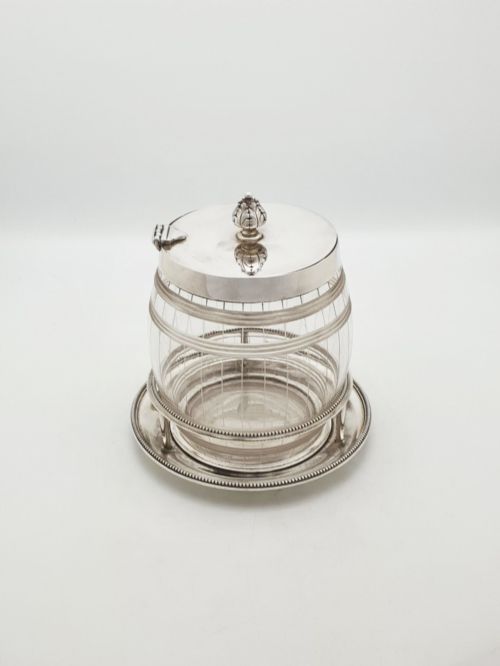
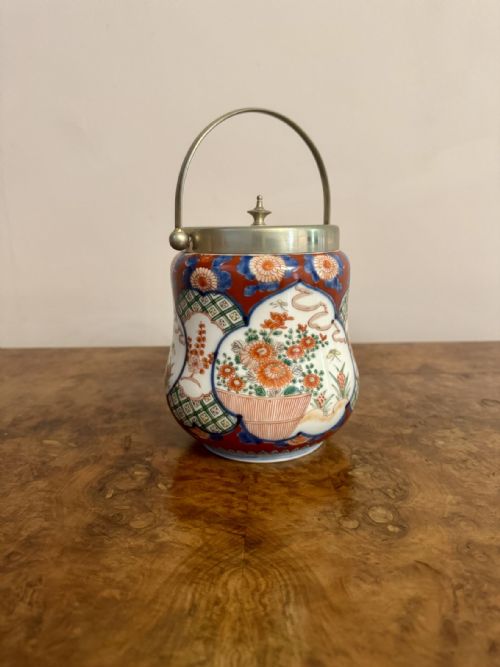
A victorian biscuit barrel holds the dining table's after-dinner dry sweets inside silver-plated mounts and ceramic or glass bodies.
Victorian Biscuit Barrel
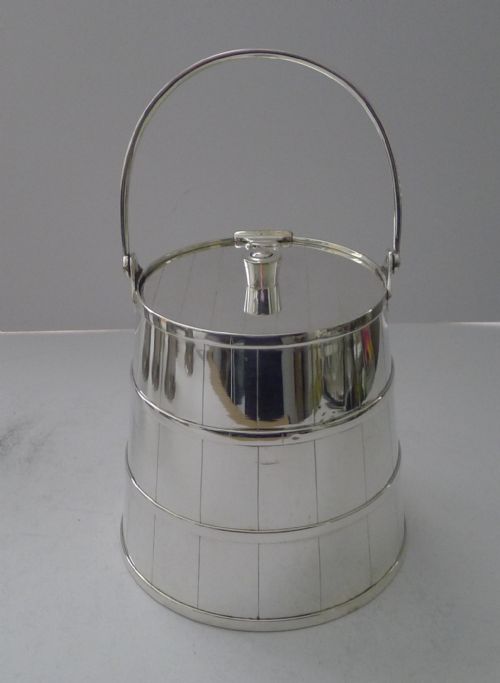
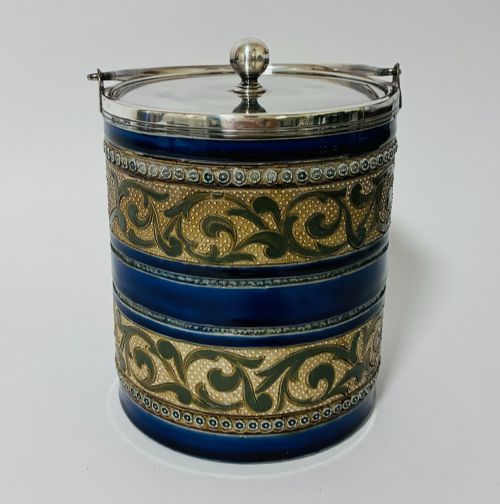
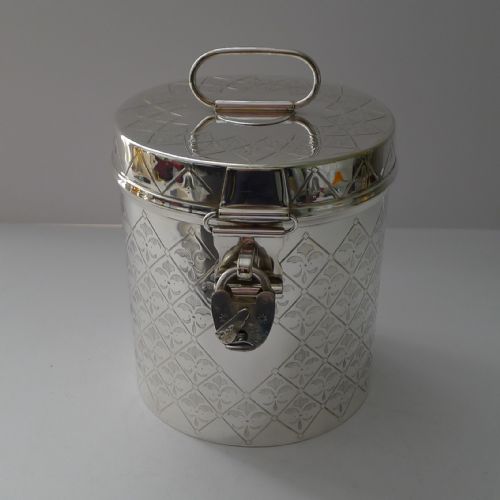
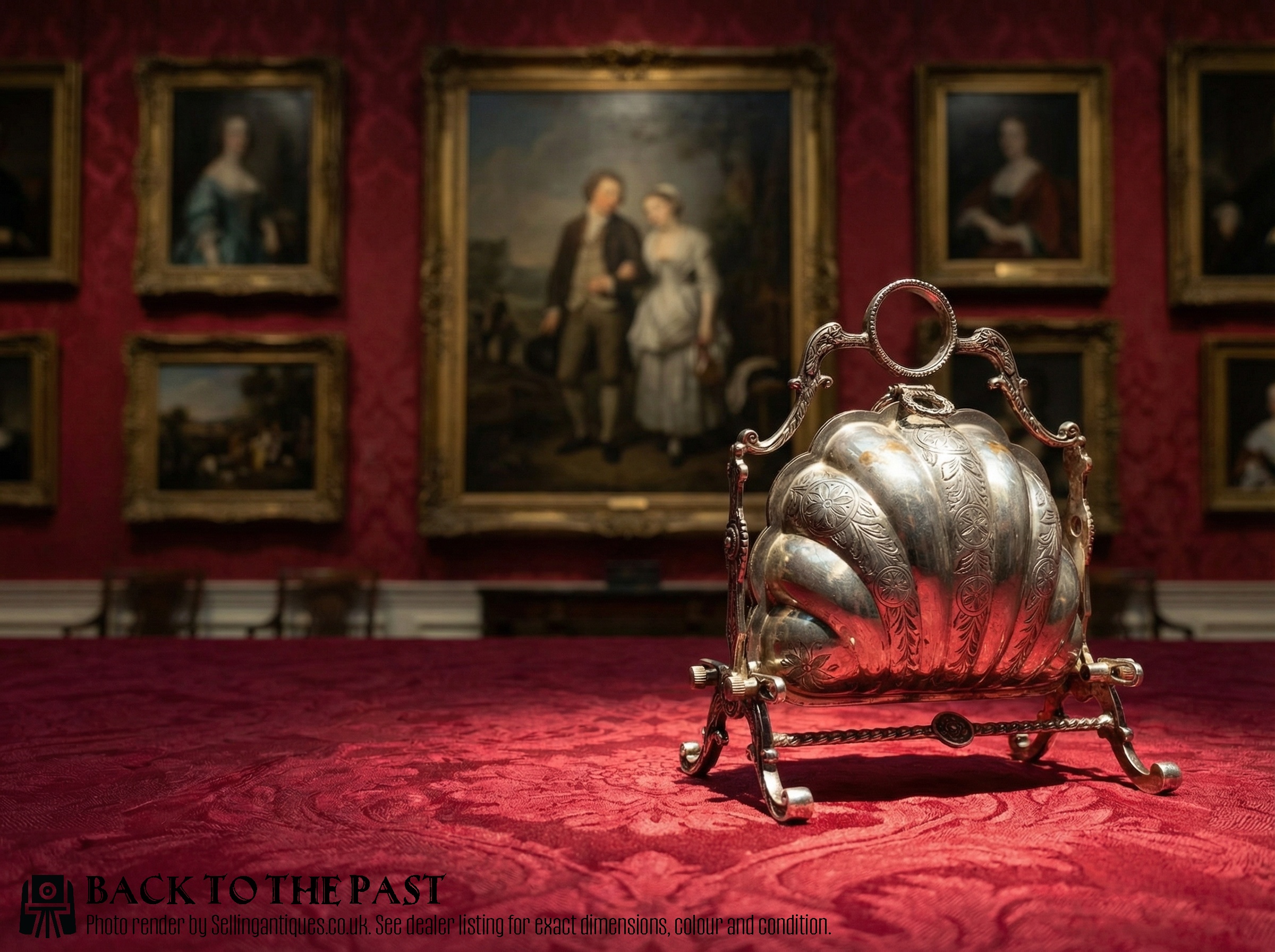
A buyer seeking a victorian biscuit barrel encounters a tabletop container designed to keep dry baked goods fresh during the nineteenth and early twentieth centuries. These pieces appear on this page in varied forms, ranging from cylindrical drums and sloping shells to novelty weights and oak staves.
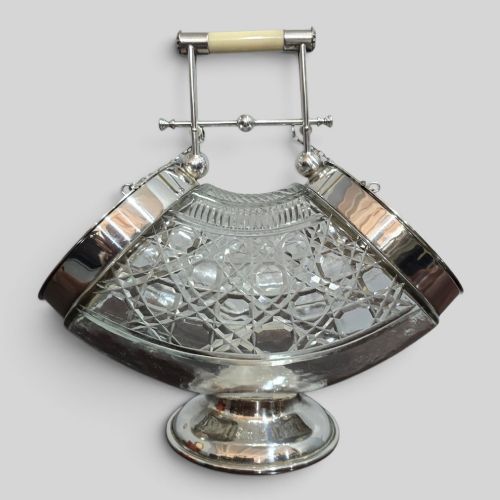
The most frequent version on this page pairs a cut glass, cranberry glass, or ceramic body with electroplated nickel silver mounts, lids, and swing handles. Makers often added finials shaped as birds or heraldic dragons to the hinged covers.

How they were made
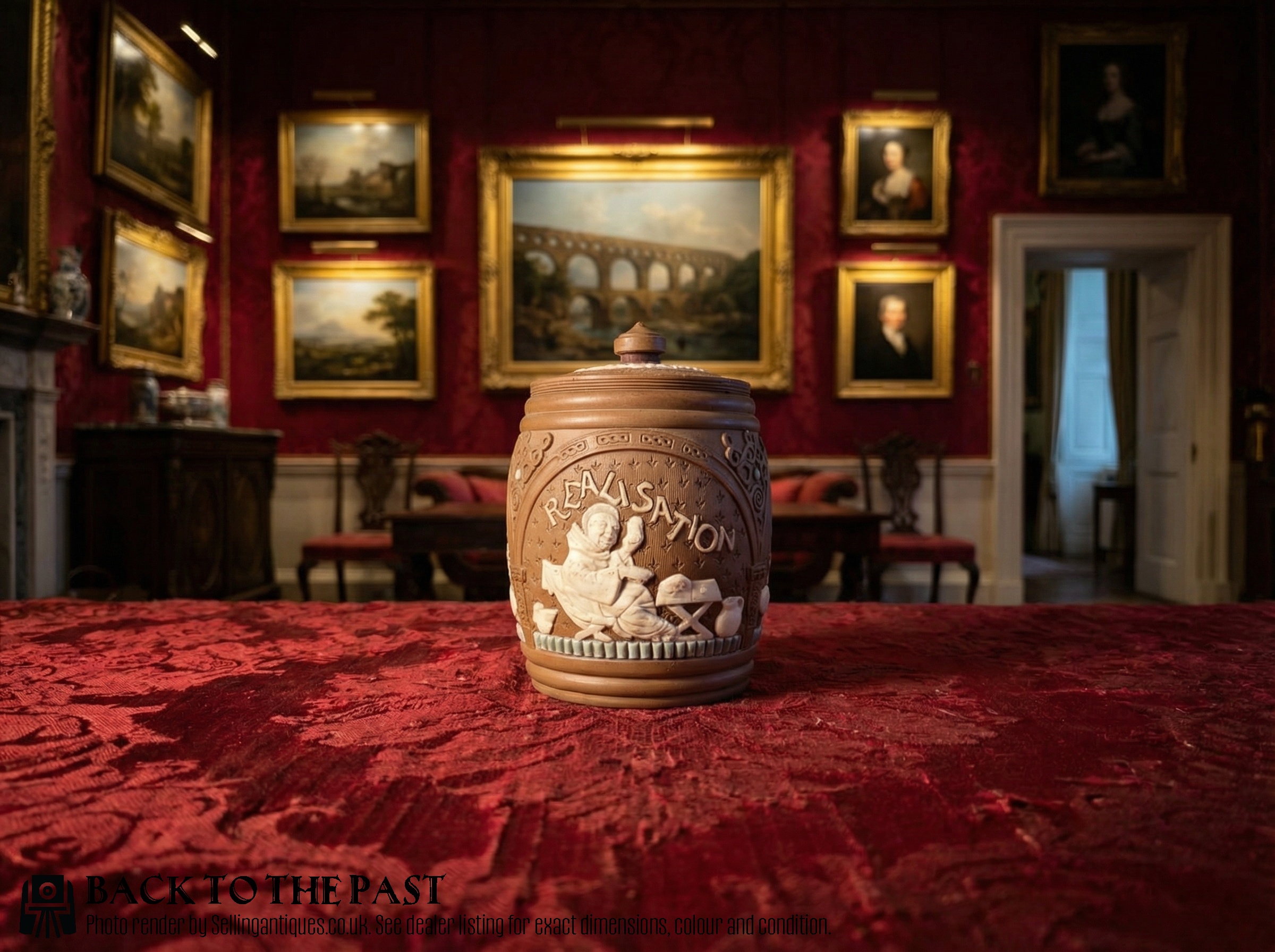
Makers formed the metal elements using electroplated nickel silver, applying a thin layer of silver over a base metal foundation. They combined these mounts with vessels blown from glass or shaped from stoneware and jasperware.
Ceramic bodies received either transfer printing, enamel painting, or moulded relief decoration, while glass versions displayed hobnail cutting or acid etching before assembly with the metal frames.
Victorian Biscuit Barrel Retail Price Guide 2026
Typical asking prices for victorian biscuit barrel among the pieces listed under this phrase on Sellingantiques today, from the lower quarter to the upper quarter. They describe what is for sale here now, not the wider market.
Several makers transformed heavy weights into biscuit boxes, letting diners store snacks inside a deceptive metallic poundage.
What varies in quality
The weight and thickness of the silver plate over the base metal determine the durability of the mounts and the crispness of the chased patterns. Thicker plating resists wear on high-touch areas like the swing handle and lid hinge.
The clarity and depth of the glass cutting, alongside the precision of the ceramic moulding in jasperware or stoneware bodies, separate standard production items from finer workshop pieces.
Mappin and Webb·Elkington and Co·Robert and Belk·Walker and Hall·John Grinsell and Sons·James Dixon and Sons·Fenton Brothers
The Victorian Biscuit Barrel Glossary
- Silver Plate
- A layer of silver bonded to a base metal core such as nickel silver. This technique allowed Victorian manufacturers to produce bright tableware at a lower cost than solid silver.
- Jasperware
- A fine stoneware developed by Wedgwood, characterised by a unglazed matte surface and contrasting applied white relief figures. Collectors prize pieces featuring multiple colours.
- Cranberry Glass
- A rich red-pink transparent glass coloured with gold chloride during production. It frequently appears on this page in blown and etched barrel forms.
- Finial
- A decorative knob attached to the top of the lid. These small ornaments often took sculptural animal or heraldic shapes.
- Electroplated Nickel Silver
- An alloy of copper, nickel, and zinc coated with silver through an electrolytic process. It served as the primary foundation for metal mounts on nineteenth-century boxes.
Victorian Biscuit Barrel: Frequently Asked Questions
What was a biscuit barrel used for?
These containers sat on the dining table or sideboard to hold sweet baked goods and dry biscuits during the Victorian period. The lidded design protected the contents from moisture and air.
Servants brought them out after dinner alongside wine or tea to complete the evening meal.
How do I clean a silver plated barrel?
Use a soft cloth and a gentle silver cream formulated to protect thin metal platings without abrasive scrubbing. Avoid harsh chemical dips that strip the underlying base metal from older mounts.
Keep glass and ceramic bodies separate from liquid immersion if the mounting cement or hinge pins appear delicate.
How can I date my biscuit box?
Examine the registry marks, maker stamps, and style cues stamped onto the base or metal rims. Victorian examples often feature specific patent numbers or manufacturer hallmarks corresponding to the 1860s through the 1900s.
Material choices like cranberry glass or jasperware also help narrow the production era alongside the complexity of the glass cutting.
Are these barrels waterproof?
Most antique containers were built solely for dry biscuits and lack watertight seals around the fitted lids or base mounts. Liquid stored inside may seep past the joints or damage internal ceramic surfaces.
Keep them for display or dry storage rather than utility as modern kitchen canisters.