


Antique Cookie Jar
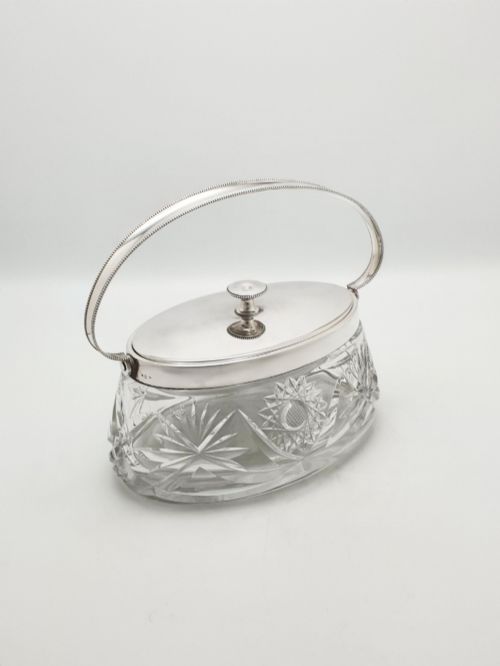
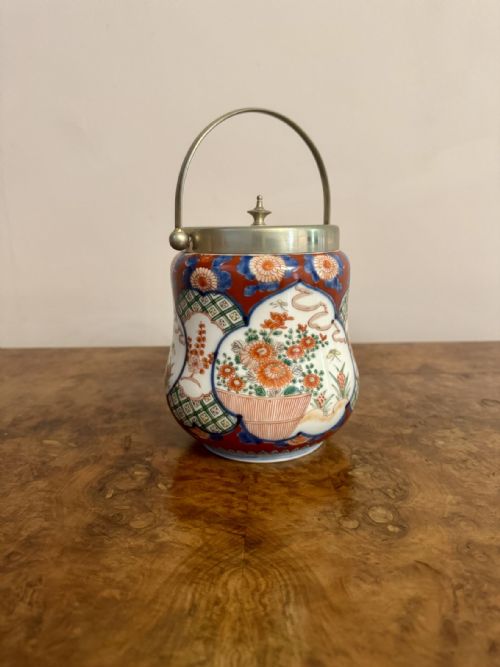
An antique cookie jar brings warmth to a pantry, offering sturdy storage fashioned from ceramic and glass.
What an antique cookie jar is
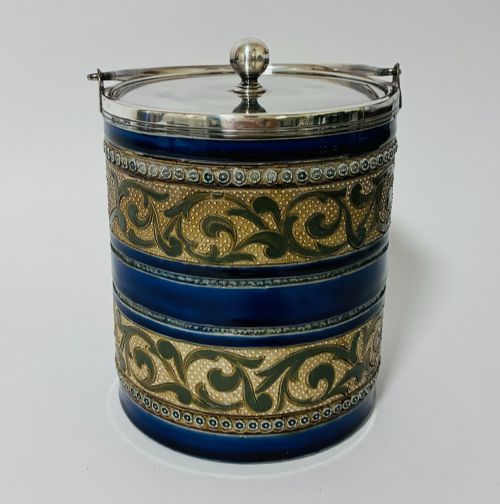
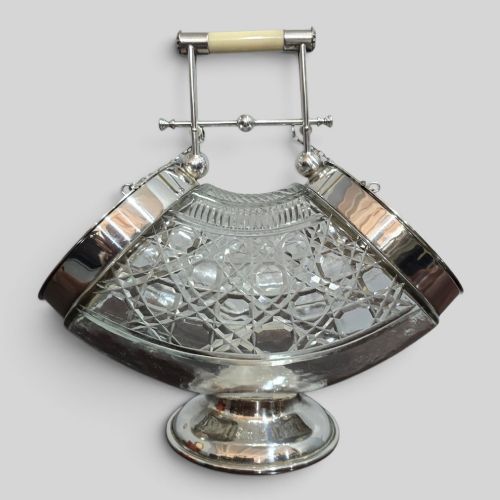
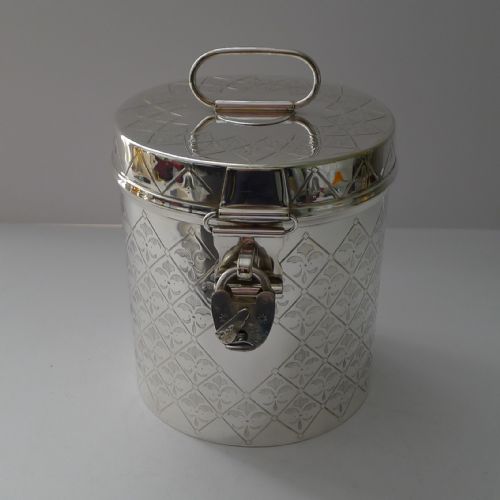
An antique cookie jar, often catalogued as a biscuit barrel or biscuit box, serves as a traditional larder container designed to keep baked treats crisp on the dining table or sideboard. These pieces originate from domestic settings across the Victorian, Edwardian, and George V eras, reflecting the formal hospitality of British households.
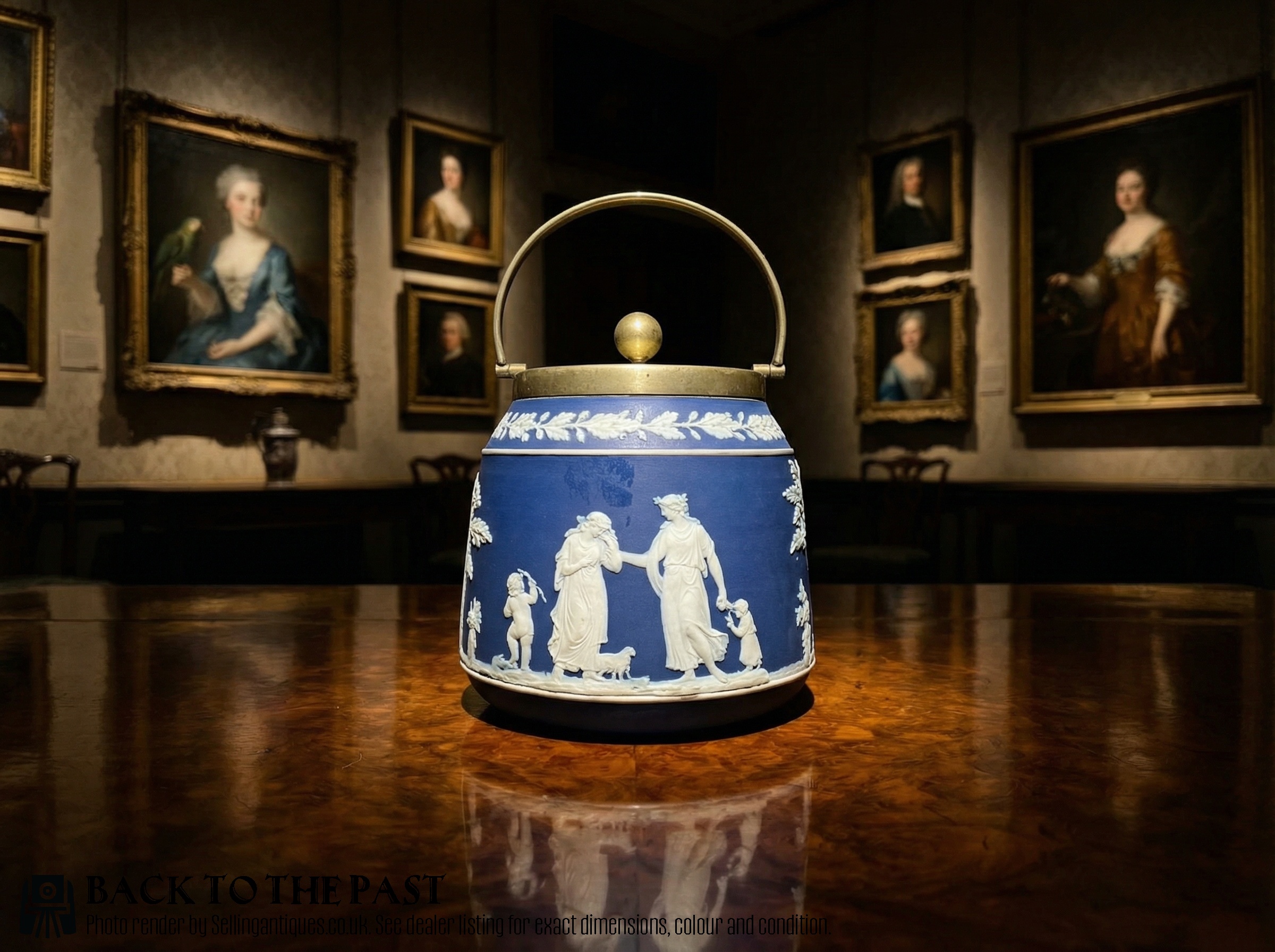
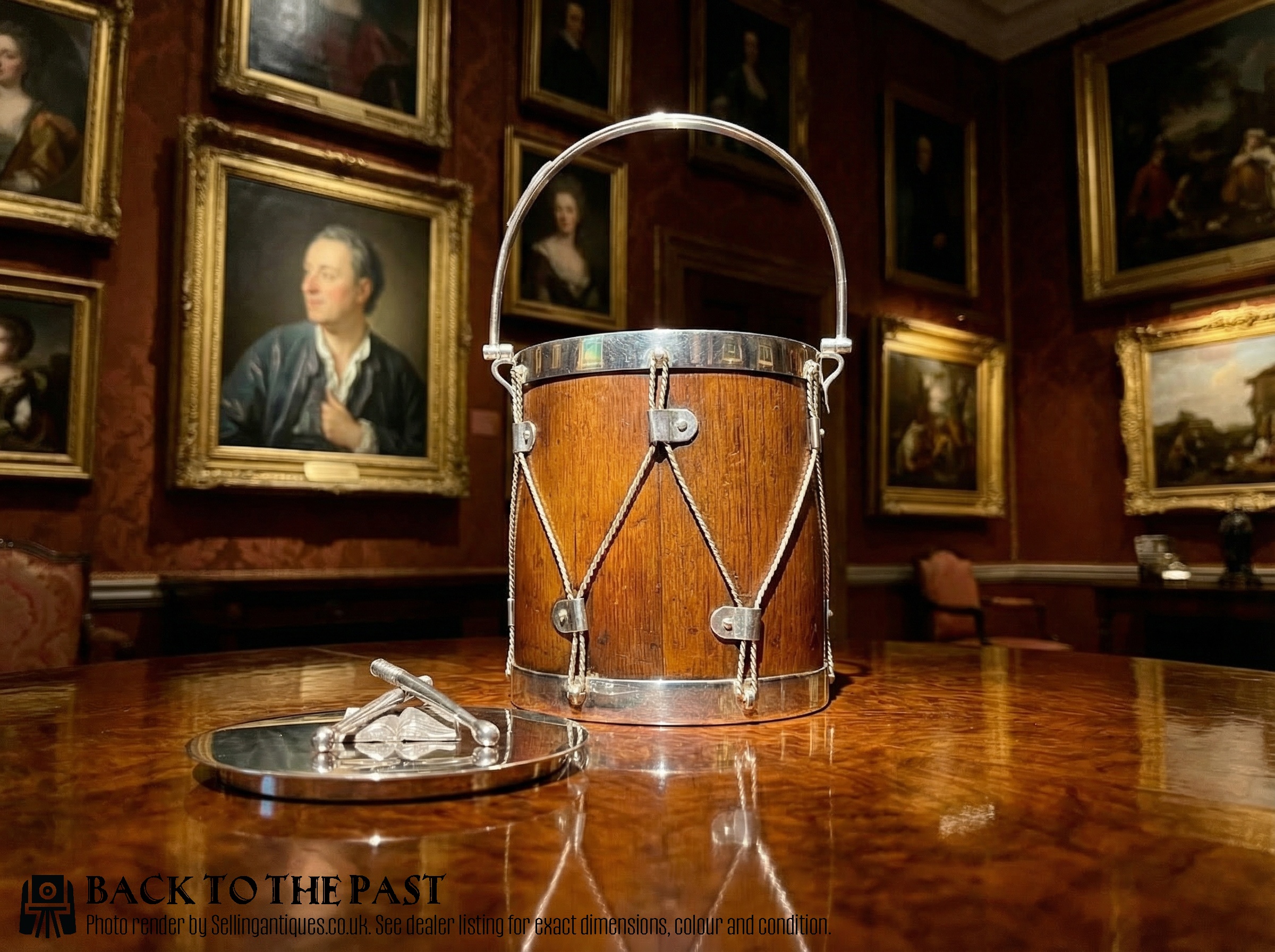
Makers and manufacturers of the period, notably Wedgwood, produced these items in distinct styles spanning Victorian, Neoclassical, and Edwardian designs. Collectors encounter both drum-shaped boxes and handled barrels featuring heraldic or hunting motifs.
How they were made
Makers combined ceramics such as stoneware and Jasperware with mounted metalwork in silver, silver plate, and brass to build durable containers. Lids and rims required precise metalfitting to secure the bodies.
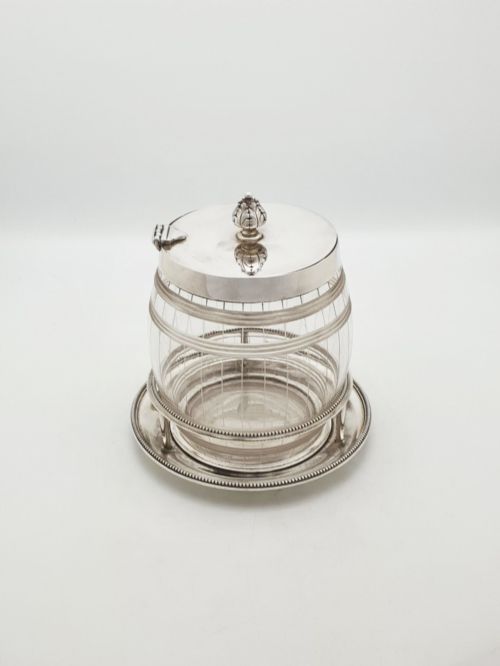
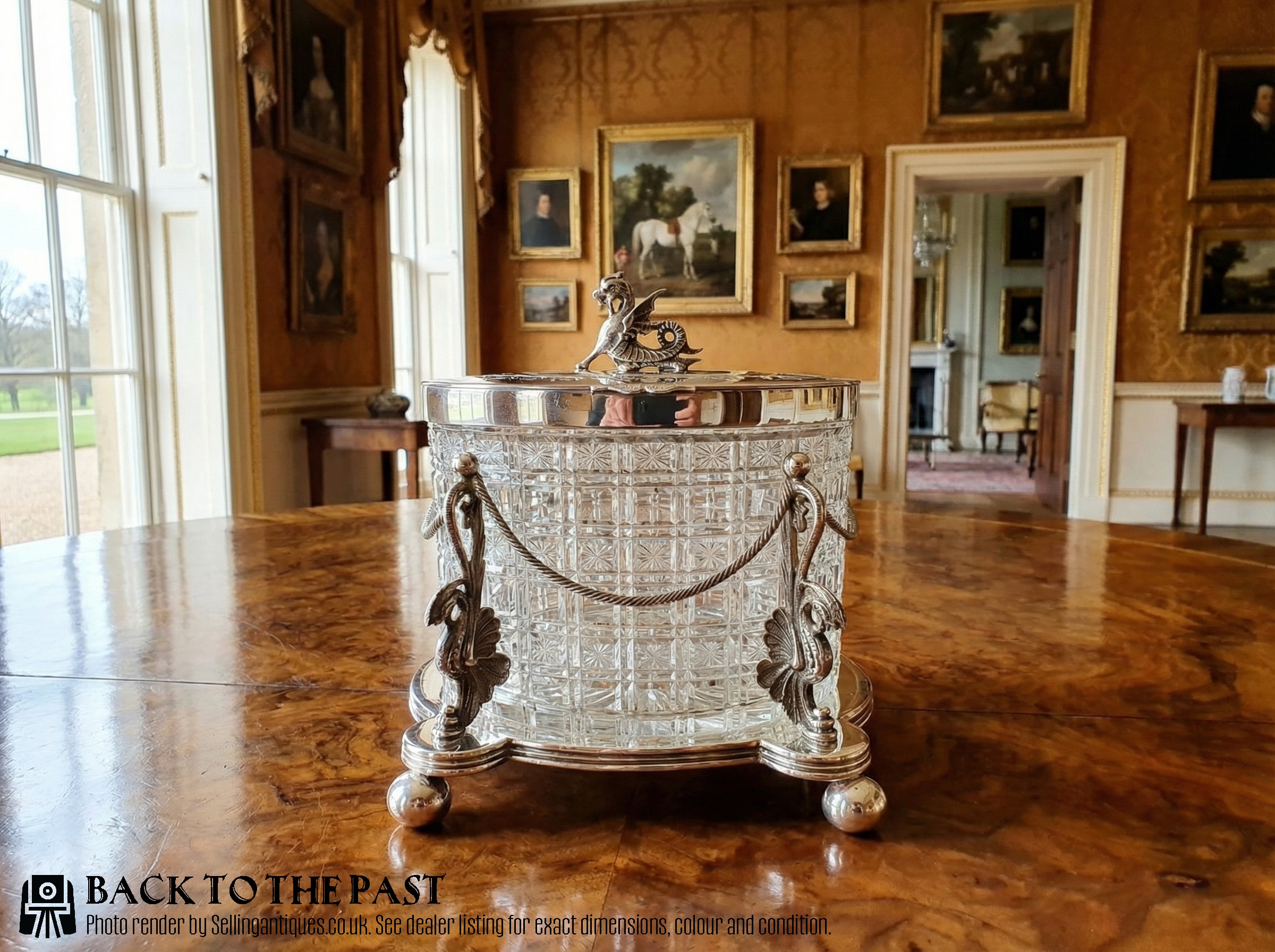
Wooden elements like oak provided structural framing for novelty drum-shaped boxes, while cut crystal and cut glass formed the bodies of other vessels. Finials often featured cast details, including heraldic dragon motifs.
Retail Price Guide 2026
Typical UK retail prices for cookie jar, calculated from the Sellingantiques database of over a million retail prices indexed since 2003. This retail price guide relies exclusively on Sellingantiques data; no external sources or auction records are used, so the figures do not describe the wider market.
Listings feature pieces spanning the Victorian, Edwardian, and George V periods, utilising materials from silver plate and oak to Jasperware.
What varies in quality
Quality rests in the crispness of the moulded relief on Jasperware bodies and the weight of the silver-plated mounts. Three-colour ceramic applications command attention compared to standard single-colour wares.
The integration of mixed materials, such as fitted oak staves with solid silver mounts or intricate crystal cutting, separates standard utilitarian pieces from high-status tablewares.
Wedgwood
The Antique Cookie Jar Glossary
- Jasperware
- A fine stoneware developed by Wedgwood, characterised by a matte surface and contrasting applied white relief figures. It remains the most recognisable ceramic body found on these biscuit barrels.
- Biscuit barrel
- The traditional British term for a covered container designed to hold dry biscuits or cookies on the table. These vessels are functionally identical to what modern collectors call cookie jars.
- Silver plate
- A layer of silver fused to a base metal core, commonly used for the rims, swing handles, and lids of ceramic and glass barrels. It provides the bright finish typical of Victorian dining wares.
- Finial
- The decorative knob or sculpture situated on top of the lid, such as the heraldic dragon figures seen on Victorian examples. It serves both an aesthetic and a practical lifting purpose.
Frequently Asked Questions
What is a biscuit barrel?
A biscuit barrel is a covered container traditionally used in British dining rooms to keep baked goods dry and presentable on the table. They function as the direct historical equivalent of a modern cookie jar.
These pieces typically feature a fitted lid and a swing handle for easy transport from the larder to the sideboard.
How old are these jars?
The pieces available range primarily from the late Victorian period through the Edwardian era and into the reign of George V, spanning roughly the 1870s to the 1920s.
Material choices, stylistic motifs, and mounting techniques help narrow down the manufacturing decade of each individual vessel.
What materials were used?
Makers utilised a diverse mix of ceramics, metals, and glass, including Jasperware, stoneware, cut crystal, and cut glass. Mounts, handles, and lids were predominantly fashioned from silver plate, sterling silver, brass, or oak.
These varied combinations allowed the containers to match the formal dining table settings of their respective periods.
How do I clean an antique jar?
Careful dusting and gentle wiping with a soft, dry cloth preserve the delicate relief work on Jasperware and the polished finish of silver plate. Moisture should be kept away from wooden components and older metallic mounts to prevent tarnishing or warping.
Harsh chemical cleaners must be avoided entirely to protect the historic surfaces.