
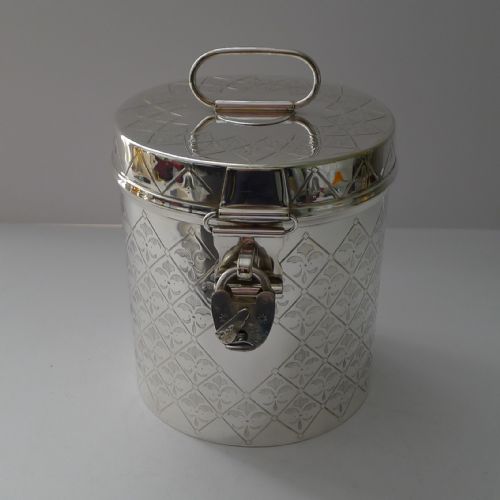
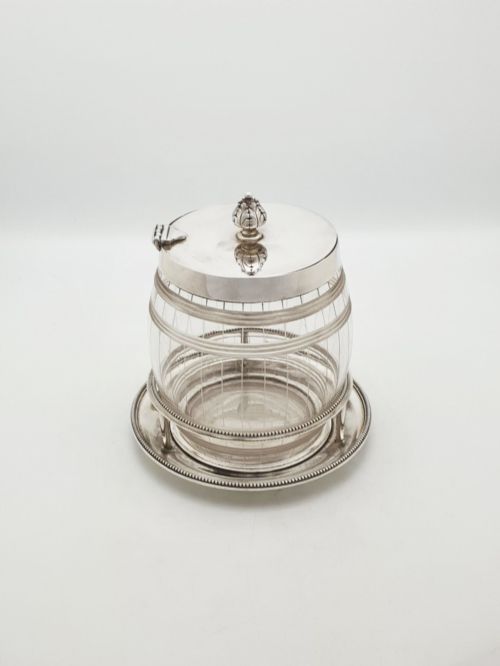
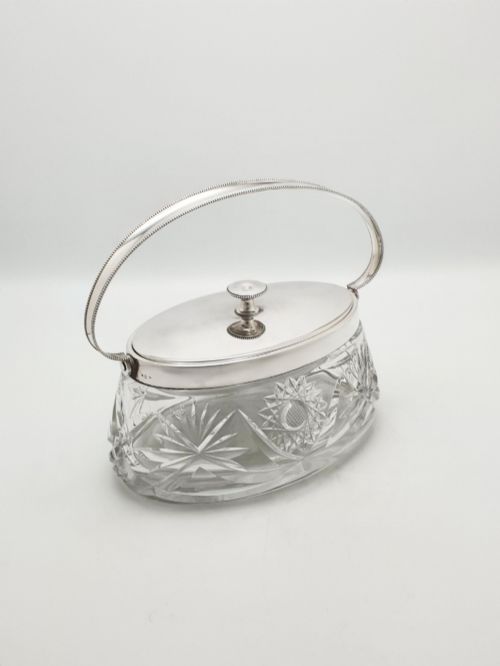


Silver Biscuit Box
A silver biscuit box brings nineteenth-century dining ritual and polished metal onto the sideboard for daily use.

Forms and Origins
A silver biscuit box serves as a specialised receptacle designed to store dry sweet baked goods on the dining table or sideboard. These vessels appear in various forms across the Victorian, Edwardian, and later periods, reflecting changing domestic habits of the nineteenth and twentieth centuries.
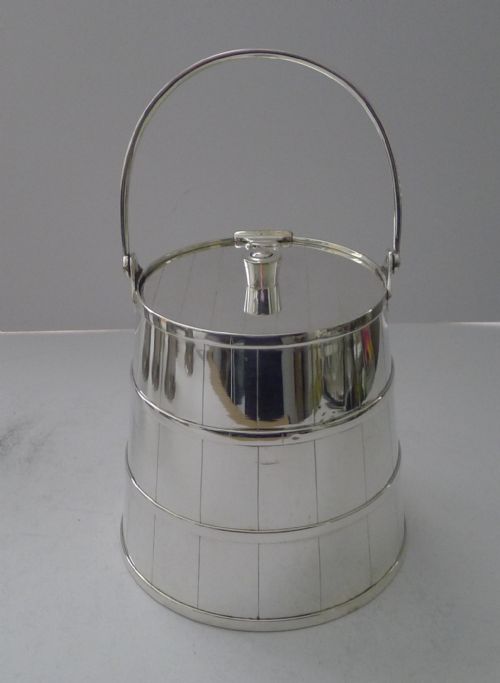
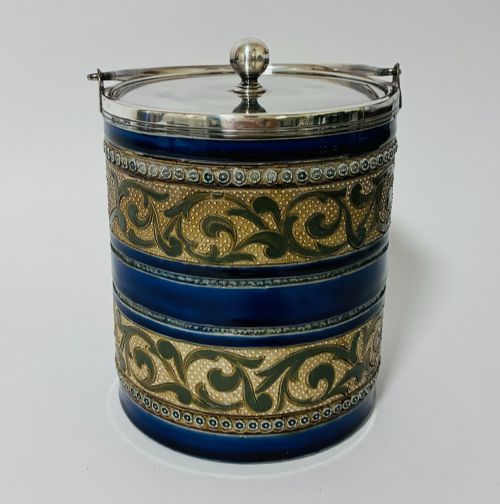
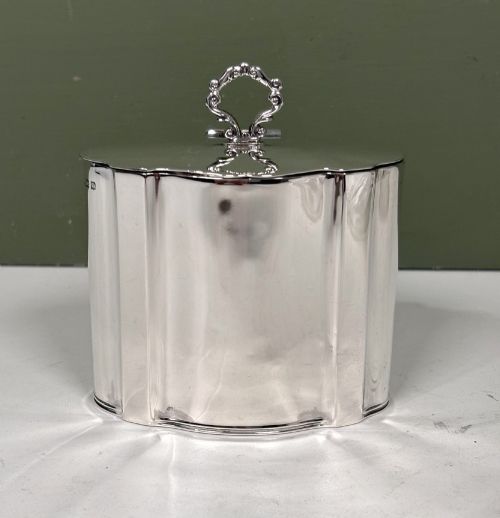
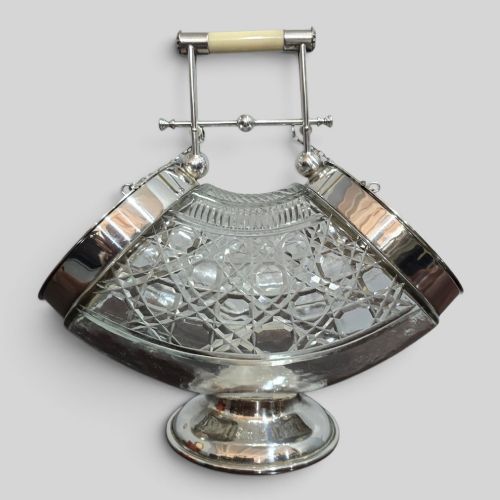
The objects catalogued here span solid silver, sterling silver, and silver plate, frequently incorporating materials such as cut crystal, porcelain, and carved oak. Common configurations include oval barrels, triple shell shapes, folding warmers, and double opening compartments with hinged or locking lids.
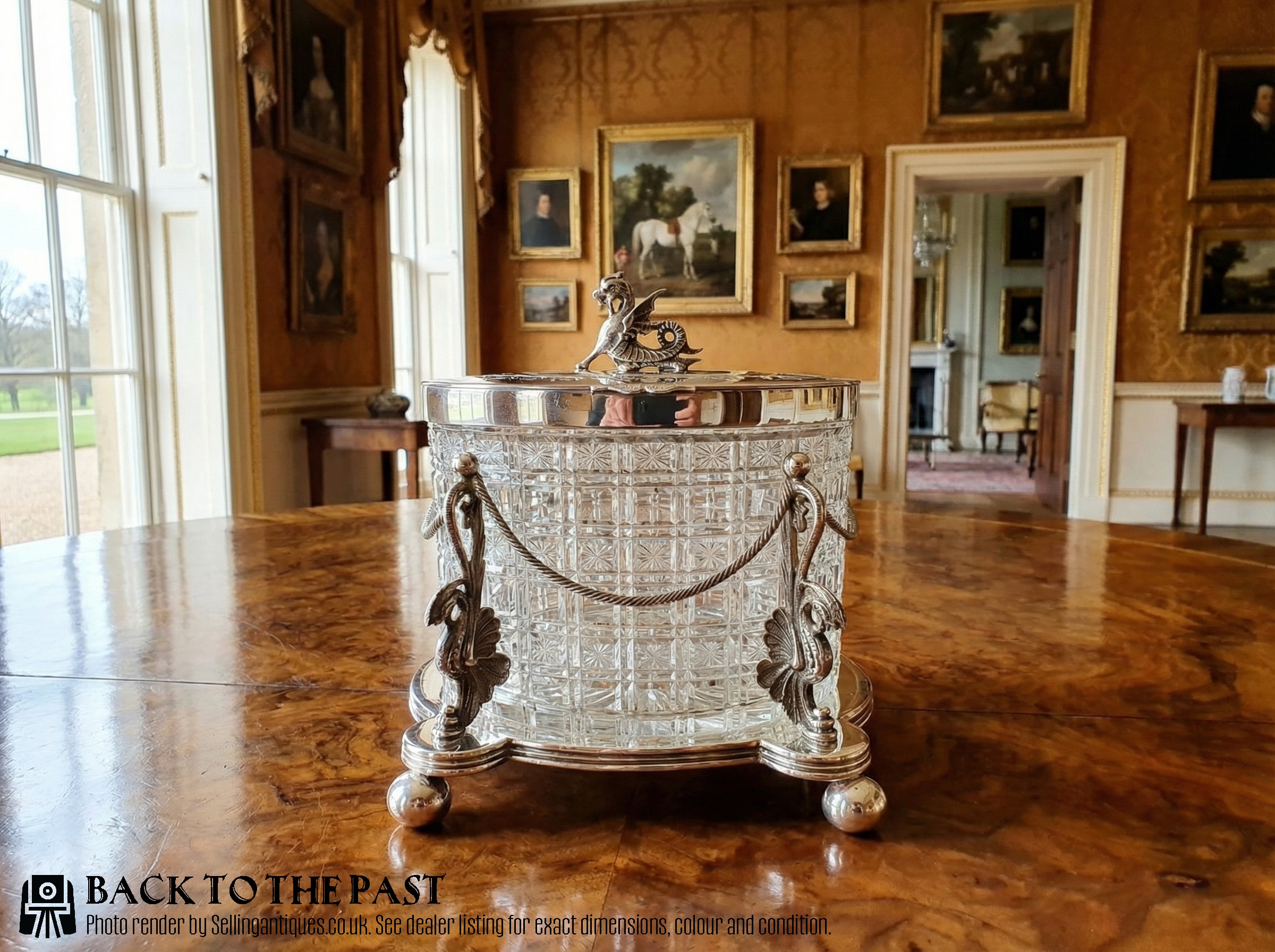
Victorian examples dominate the historical record, often displaying elaborate embossing, mechanical folding actions, or figural finials like heraldic dragons and pheasants. Later pieces from the George V and Edwardian eras continue the tradition in both solid sterling and plated metal.
Materials and Technique
Silversmiths employed techniques such as silver plating over base metal, electroplating on nickel silver (EPNS), and working with solid sterling silver to construct the bodies of these containers. Artisans also integrated cut crystal glass inserts, ceramic porcelain bodies, and hand-carved oak mounts into the metal frameworks.
Hinges, push-button mechanisms, and folding warmer frames required precise mechanical assembly to ensure smooth operation of the lids and interior compartments. Hallmarks, maker stamps, and fully struck stamps applied to the metal surfaces indicate assay offices and manufacturing workshops.
Retail Price Guide 2026
Typical UK retail prices for silver biscuit box, calculated from the Sellingantiques database of over a million retail prices indexed since 2003. This retail price guide relies exclusively on Sellingantiques data; no external sources or auction records are used, so the figures do not describe the wider market.
Craftsmanship and Distinction
The distinction between standard production and superior craftsmanship rests in the complexity of the mechanism and the integrity of the secondary materials. Folding actions, locking lids, and mechanical roll-top designs executed with precision separate sophisticated engineering from simple hinged containers.
The weight and gauge of the metal, the clarity and depth of cut crystal liners, and the crispness of embossed ornamentation define the upper tier of examples. Maker attribution to notable silversmiths further elevates pieces through documented execution and refined proportions.
Mappin and Webb·Fenton Bros·Cooper Bros of Sheffield·Roberts and Belk·Deykin and Sons·Martin Hall and Co
The Silver Biscuit Box Glossary
- EPNS
- Electroplated Nickel Silver. This designates a base metal core coated with a layer of silver through an electrical process.
- Solid Silver
- Precious metal construction throughout rather than a plated coating over a base metal. This term encompasses sterling standards and regional variations.
- Finial
- A decorative knob or ornament fixed to the top of a lid. Examples in this category include heraldic dragons and birds.
- Hallmark
- A series of official marks stamped onto precious metal items. These symbols indicate the maker, standard of purity, assay office, and date of manufacture.
Frequently Asked Questions
What is a silver biscuit box?
A silver biscuit box is a covered container made to hold dry sweet biscuits on the dining table.
Victorian and Edwardian households utilised these vessels to keep baked goods fresh and presentable for guests.
How do folding biscuit boxes work?
Folding biscuit boxes feature hinged side panels or mechanical lids that swing open when a button or lever is pressed.
This mechanism retracts the halves to reveal the interior compartment or glass liner.
Are these boxes made of solid silver?
These pieces appear in both solid sterling silver and silver plate over base metal or nickel.
Hallmarks on the metal indicate solid silver standards, whilst EPNS denotes electroplated versions.
How do I date a silver biscuit box?
Dating relies upon official assay hallmarks, maker marks, and stylistic clues such as Victorian embossing or Edwardian proportions.
Materials like cut glass liners and carved oak mounts also point to specific nineteenth and twentieth century decades.