


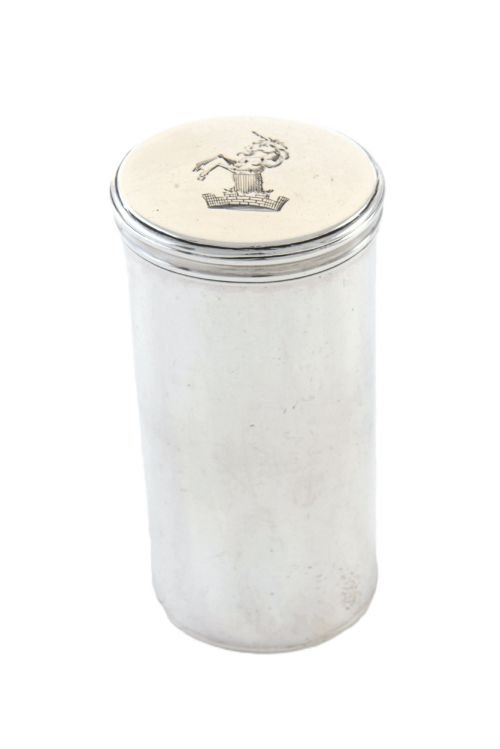
Sterling Silver Container
When you search for a sterling silver container, you enter a diverse field of small domestic vessels spanning tea caddies, snuff boxes, and ecclesiastical pyx boxes.
Sterling Silver Container
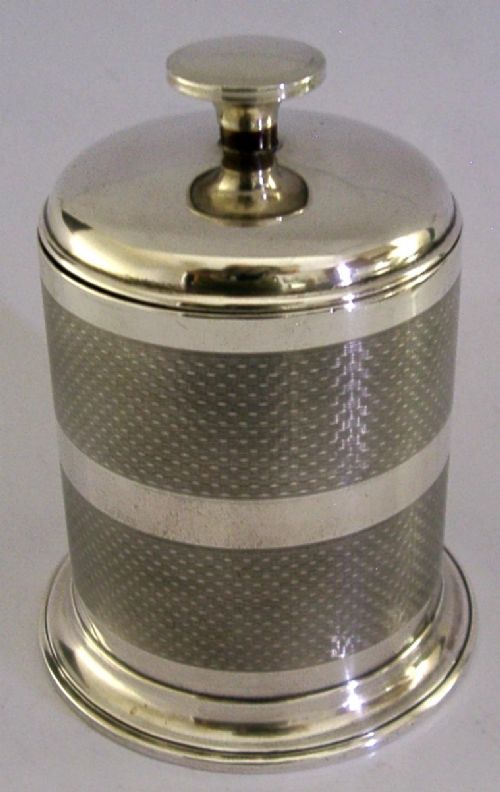
A sterling silver container encompasses a wide variety of functional domestic and personal items, ranging from Georgian nutmeg graters and tea caddies to Edwardian vesta cases and pill boxes. These objects were made to hold tea, tobacco, matches, coins, or religious wafers securely.
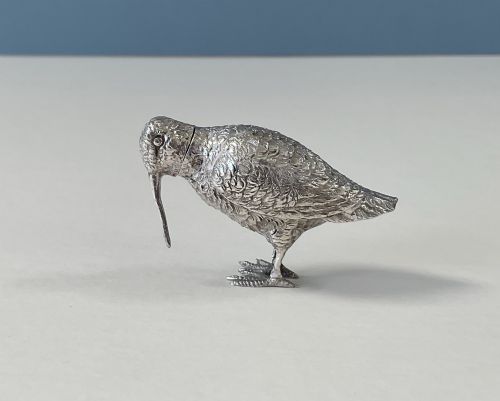
The pieces appearing on this page extend across the Georgian, Victorian, Edwardian, and mid-century periods. Tea caddies and snuff boxes represent the larger end of the scale, while sovereign cases and vinaigrettes form the smaller pocket-sized category.
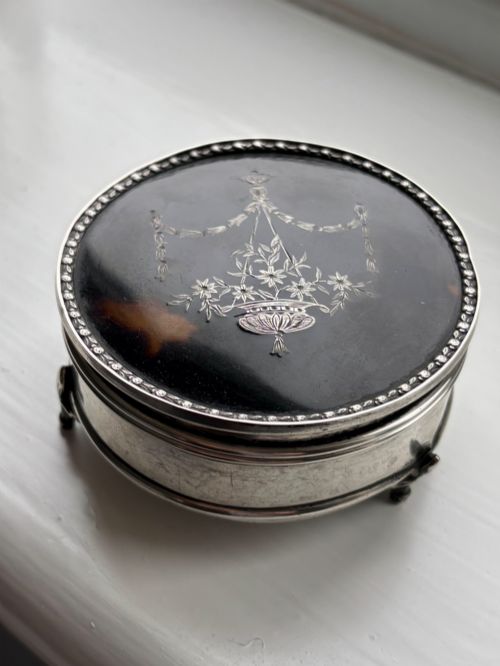
Materials beyond silver frequently appear in the construction, including cobalt glass inserts, mother of pearl inlay, garnet accents, and faux tortoiseshell panels. Ecclesiastical examples often utilise silver gilt finishes for sacred interior use.
How they were made
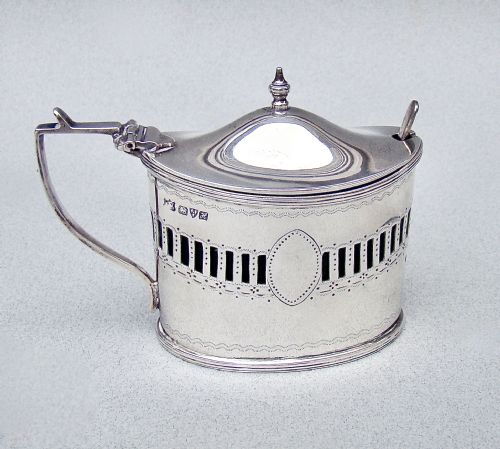
Silversmiths shaped these vessels using traditional techniques such as hammering, casting, and piercing, frequently creating hinged lids with tight-fitting bezels. Solid silver and silver gilt provide the structural body, whilst internal components rely on cobalt glass liners or wooden carcases.
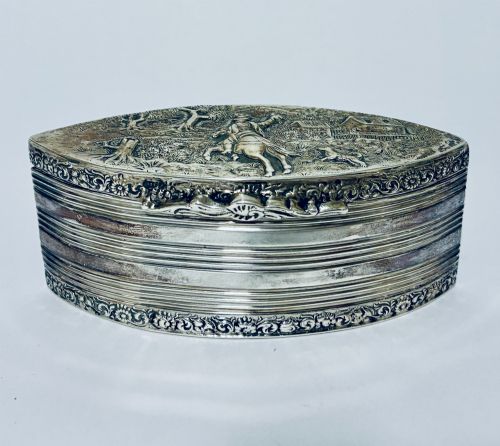
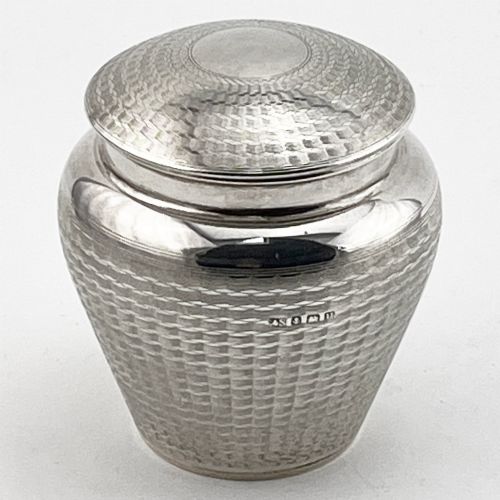
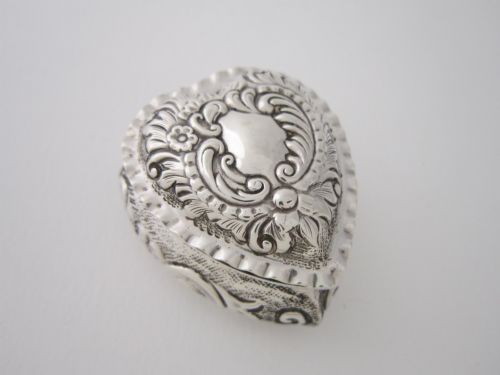
Decorative surface work involved engine-turning, repousse, and chased detailing to produce floral motifs, fluting, and pictorial castle scenes. Specialised items integrate mixed media elements like mother of pearl lids and faux tortoiseshell veneer into the silver mounts.
Sterling Silver Container Retail Price Guide 2026
Typical asking prices for sterling silver container among the pieces listed under this phrase on Sellingantiques today, from the lower quarter to the upper quarter. They describe what is for sale here now, not the wider market.
Listings span the Georgian, Victorian, Edwardian, and mid-century eras, incorporating materials like mother of pearl, garnet, and cobalt glass.
What varies in quality
The standard of a sterling silver container rests on the crispness of its chased ornament and the precision of its mechanical joints. Well-made hinges operate smoothly, and lids close flush against the body without gaps.
Maker attribution also dictates standing, with pieces bearing the marks of known workshops such as Paul Storr or Sampson Mordan commanding greater attention. The inclusion of subsidiary materials like intact cobalt glass liners or intricate mother of pearl panels elevates the overall execution.
Aaron Lufkin Dennison·Ollivant and Botsford·Alfred Marston·EV Pledge and Son·F. Osbourne and Co·Robert Chandler·Burns Oats and Washbourne·FA Barrett·Robert Hennell·Zimmermann·Levi and Salaman·Thomas Hayes·Nathan and Hayes·Paul Storr·Sampson Mordan·Robert Thornton
The Sterling Silver Container Glossary
- Pyx box
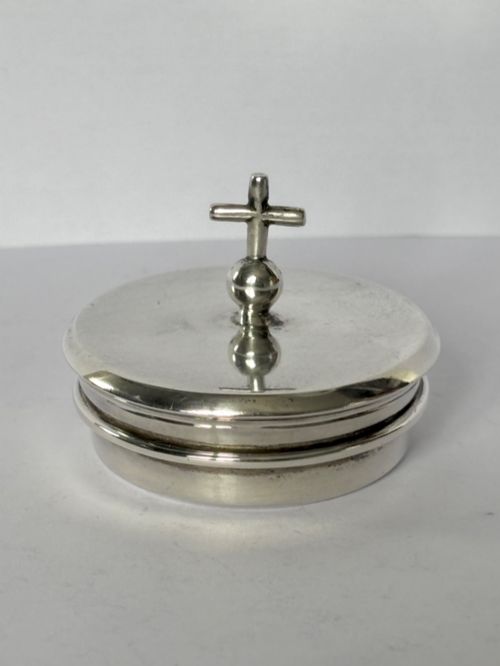
- A small round container used in ecclesiastical settings to hold sacramental bread. These pieces are frequently finished in silver gilt.
- Vesta case
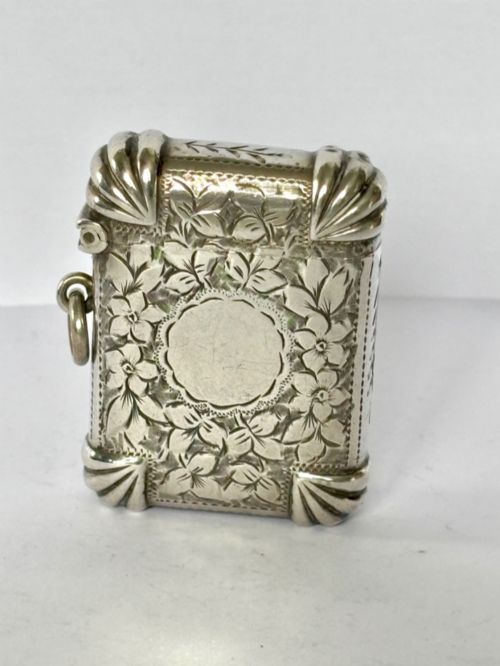
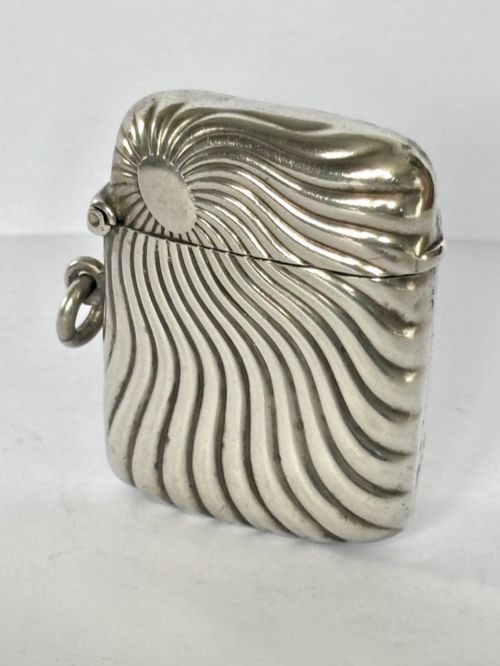
- A pocket-sized matchsafe featuring a striker on the base. Victorian and Edwardian examples often display engraved sunburst or foliate patterns.
- Caddy
- A container designed to store loose tea leaves securely. Georgian and Victorian versions frequently incorporate lockable lids.
- Vinaigrette
- A small decorative box containing a perforated internal grille. This grille covered a sponge soaked in aromatic vinegar.
- Castle top
- A descriptive term for boxes featuring a high-relief architectural image pressed onto the lid. These scenes typically depict historic British landmarks.
Sterling Silver Container: Frequently Asked Questions
What were tea caddies used for?
Tea caddies served to store precious tea leaves safely under lock and key in the formal reception rooms of Georgian and Victorian homes. Because tea was an expensive commodity, these containers were built with secure hinged lids and fitted interiors.
Over time, the forms evolved from simple canisters into elaborate knife box shapes and bombe profiles. They remain highly collectible examples of domestic silver smithing.
How do I identify a pyx box?
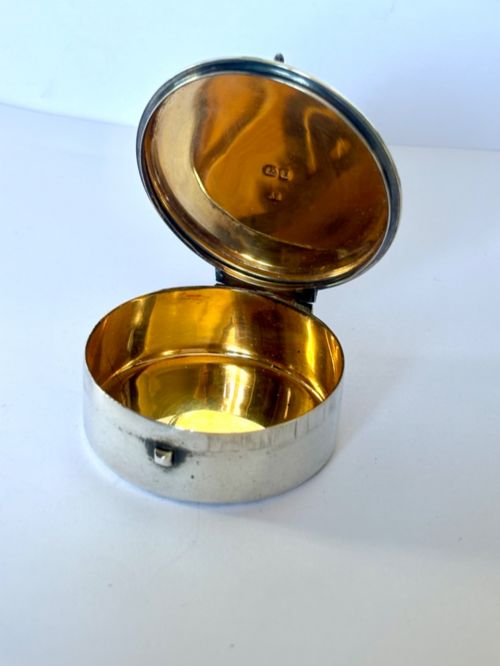
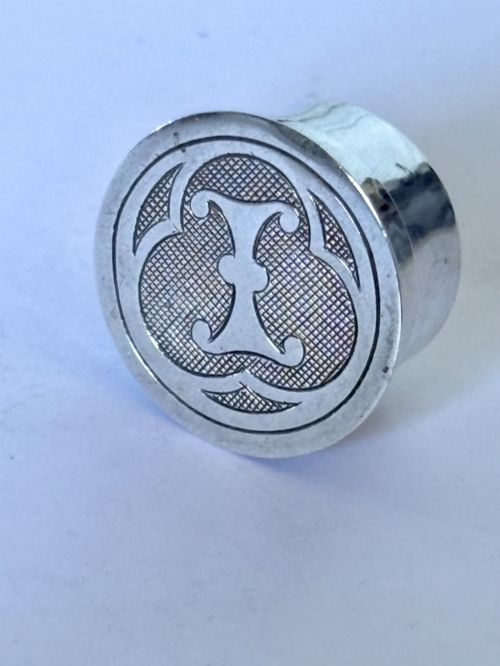
A pyx box is distinguished by its small, flat, round shape and ecclesiastical motifs. These pieces were utilised by clergy to transport communion wafers.
Many examples feature sterling silver gilt interiors and religious engravings. Makers such as F. Osbourne and Co specialised in producing these sacred vessels.
What is a vesta case?
A vesta case is a small pocket container designed to hold matches safely. They typically feature a hinged lid and a striated striking area integrated into the bottom.
Victorian and Edwardian gentlemen carried them daily. Their exterior surfaces frequently display intricate engraved designs like sunbursts or heraldic motifs.
How do I clean antique silver containers?
Antique silver containers require gentle cleaning with a soft cloth and a reputable silver polish to preserve the original hallmarks and surface detail. Avoid harsh chemical dips that strip away the natural patination built up over centuries.
Pieces with delicate additions like mother of pearl, faux tortoiseshell, or cobalt glass liners need extra care to keep moisture away from the vulnerable joints.