

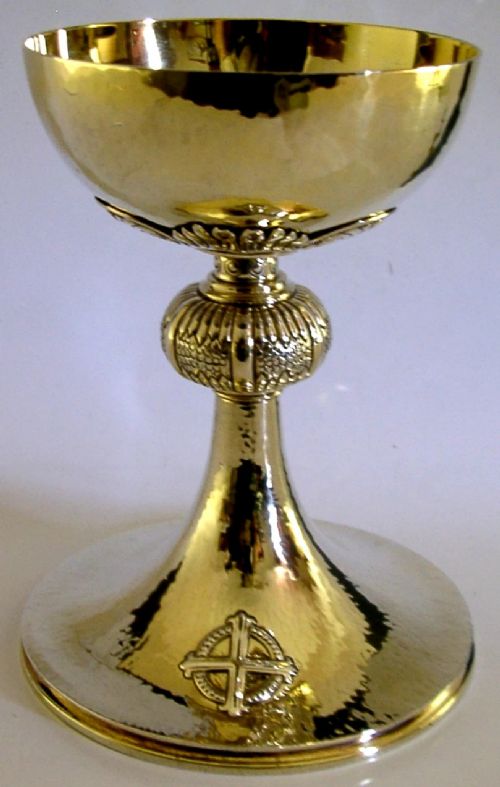


Vintage Religious Silver
Vintage religious silver encompasses sacred vessels and devotional jewellery crafted from sterling silver and silver gilt.
Vintage Religious Silver
Vintage religious silver brings together ecclesiastical vessels and personal devotional items spanning the nineteenth century through the mid-twentieth century. Buyers seeking vintage religious silver encounter liturgical implements such as chalices and pyx boxes alongside wearable pieces including lockets, pendants, and brooches.
The selection ranges from Edwardian and Arts and Crafts personal items to mid-century ecclesiastical metalwork and Italian devotional pieces. Pyx boxes and chalices represent the liturgical side of the category, while crosses and lockets reflect personal devotion.
How they were made
Makers utilised sterling silver and silver gilt, often combining the metalwork with wood, glass, fabric, and mother of pearl. Stones such as marcasite, amethyst, and moonstone appear set into silver crosses and pendants.
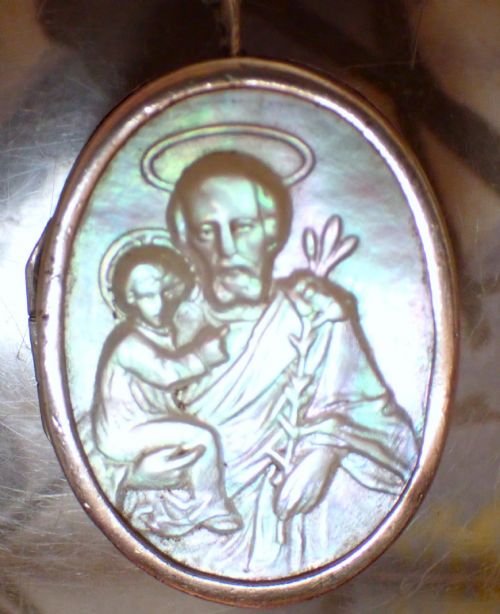
Techniques range from hand-carved mother of pearl and enamel work to cast silver gilt and structural metal fabrication. Pieces display stylistic influences from the Gothic Revival, Rococo Revival, and Modernist movements.
Vintage Religious Silver Retail Price Guide 2026
Typical asking prices for vintage religious silver among the pieces listed under this phrase on Sellingantiques today, from the lower quarter to the upper quarter. They describe what is for sale here now, not the wider market.
The listings show materials spanning sterling silver, silver gilt, wood, marcasite, glass, fabric, and gold gilt across multiple decades.
What varies in quality
Quality in these pieces rests upon the crispness of the metalwork, the weight of the silver, and the finesse of any secondary materials like enamel or carved mother of pearl. Substantial ecclesiastical pieces demonstrate heavy casting and careful gilding.
Maker marks and hallmarks contribute to the standing of liturgical items, while the artistry of the stone setting or painting distinguishes personal devotional jewellery.
F. Osbourne & Co London·Burns, Oats & Washbourne·Rouillard Angers·Henry Cook
The Vintage Religious Silver Glossary
- Pyx box
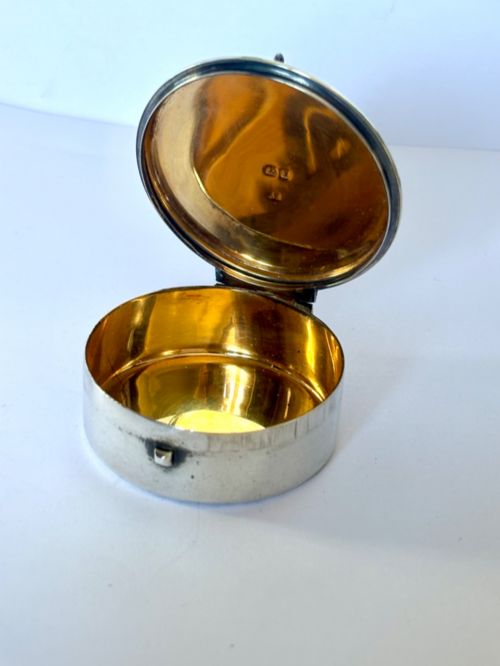
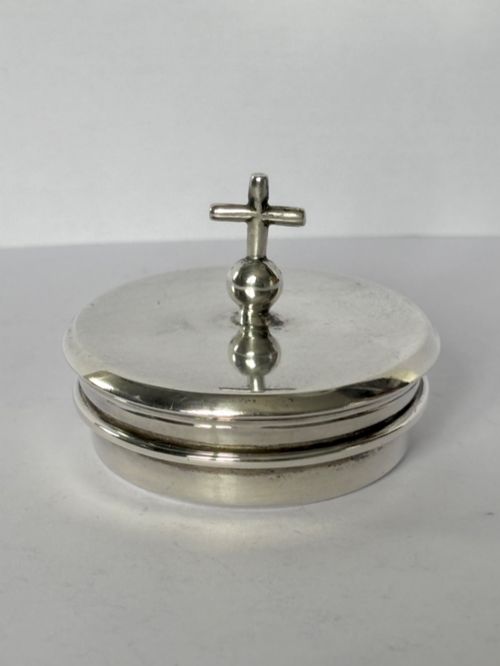
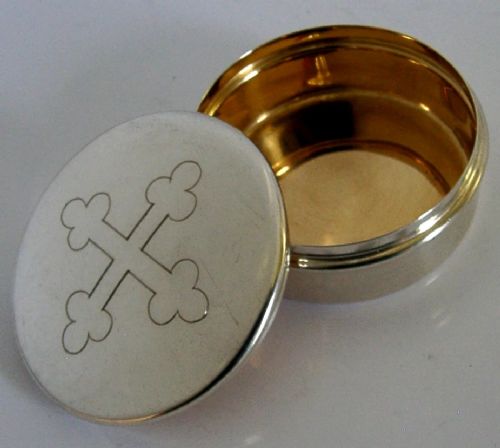
- A small round container used to carry the Eucharist. These boxes are frequently fashioned from sterling silver gilt.
- Chalice
- A large cup used in church services to hold sacramental wine. They are typically made from solid sterling silver or silver gilt.
- Ex Voto
- A votive offering placed in a sacred place for vows or thanksgiving. Italian examples often take the form of a Sacred Heart in silver.
- Silver gilt
- Silver that has been coated with a thin layer of gold on its surface. This finish is common on ecclesiastical vessels.
Vintage Religious Silver: Frequently Asked Questions
What is a pyx box used for?
A pyx box is a small receptacle designed to hold and transport the consecrated bread for communion. These vessels are typically manufactured from sterling silver or silver gilt.
Liturgical examples often bear clear hallmarks indicating their maker and year of production, reflecting their formal role in church services.
How do I identify Edwardian religious silver?
Edwardian pieces often incorporate delicate materials such as carved mother of pearl or enamel work. Styles from this period balance traditional iconography with early twentieth-century craftsmanship.
Items like lockets and brooches from this era reflect distinct aesthetic choices that separate them from later mid-century ecclesiastical designs.
What are ex voto offerings?
Ex voto offerings are devotional objects placed in shrines or churches as acts of thanksgiving or prayer. Italian examples in silver frequently depict the Sacred Heart.
These pieces capture a specific tradition of personal and community devotion found across continental Europe.
How should I care for silver gilt vessels?
Silver gilt requires gentle handling to preserve the delicate gold layer over the silver base. Avoid harsh chemical dips that can strip the surface.
Store pieces in dry conditions away from direct light to protect any accompanying materials such as wood, fabric, or enamel.