


Antique Silver Sugar Caddy
An antique silver sugar caddy provides a handsome focal point for tea service, housing sweeteners with period craftsmanship and enduring utility.
Antique Silver Sugar Caddy
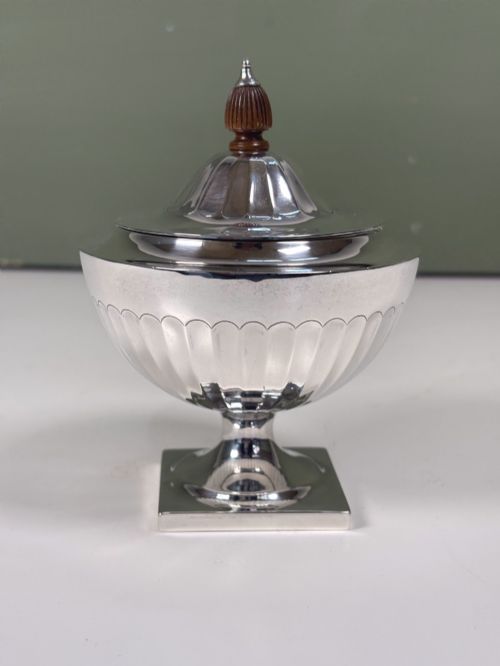
When you search for an antique silver sugar caddy, you encounter vessels and containers designed for storing and serving tea sweeteners across the Georgian, Victorian, and early twentieth-century periods. The selection includes tea caddies, sugar boxes, and accompanying caddy spoons or scoops in various forms.
You are most likely to meet sterling silver and silver-plated examples dating from the nineteenth and early twentieth centuries, alongside occasional German sterling silver figural boxes and English hallmarked pieces. These items range from simple utilitarian spoons to ornate repousse tea caddies and figural sugar boxes.
How they were made
Silversmiths utilised sterling silver and silver plate, frequently employing electroplated nickel silver as a base for plated items. Techniques included repousse hammering to create raised decorative motifs on the body of the caddy.
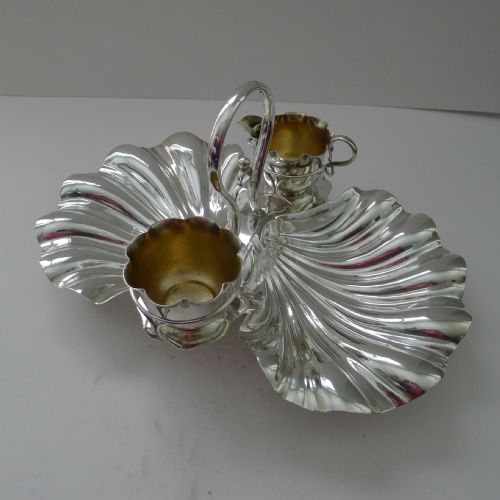
Makers incorporated supplementary materials such as gold wash to the interior of spoons and boxes, alongside wooden elements and ebony handles. Glass liners in cranberry or vaseline hues also appear in preserve and strawberry dishes associated with the serving ware.
Listings feature items from the Georgian and Victorian periods, alongside early twentieth-century German and English pieces in sterling silver and silver plate.
What varies in quality
Quality depends upon the weight of the solid silver and the crispness of the hallmarking or repousse work. Heavier solid silver tea caddies and detailed figural boxes represent the higher end of the range compared to lighter plated items.
The degree of artistic execution in figural forms, such as goat or squirrel sugar boxes, distinguishes standard production pieces from finer sculptural work. Preservation of internal gold wash and intact glass components also influences the standing of an individual piece.
John Walton·Daniel Arter·Mappin and Webb·Georg Jensen·Samuel Taylor
The Antique Silver Sugar Caddy Glossary
- Hallmark
- An official stamp applied to precious metals indicating the standard of purity, the assay office, and the date letter. English examples feature town marks and maker initials.
- Repousse
- A metalworking technique where the smith hammers the design from the reverse side to form a raised relief pattern on the front. This style appears frequently on Victorian tea caddies.
- Caddy spoon
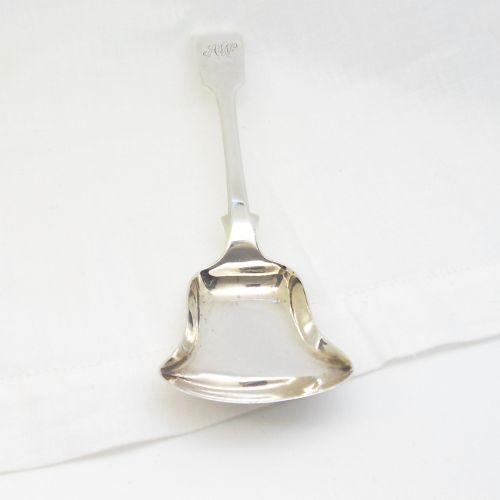
- A specialised small spoon used for measuring loose tea leaves or sugar from the caddy. They often feature figural handles or shovel-shaped bowls.
- Gold wash
- A thin layer of gold applied to the interior surface of silver items, also known as vermeil. It protects the silver from corrosion caused by acidic contents.
- Silver plate
- A base metal, such as nickel silver, coated with a thin layer of pure silver. This method offered an accessible alternative to solid sterling silver.
Antique Silver Sugar Caddy: Frequently Asked Questions
What is an antique silver sugar caddy used for?
These containers and boxes held loose sugar for tea service in the Georgian and Victorian eras. Wealthy households stored refined sugar loaf pieces or granulated sugar securely within them.
Today, collectors utilise them as decorative table pieces or for holding small items. They remain functional accessories for traditional afternoon tea settings.
How do I identify a Georgian sugar caddy?
Georgian pieces date from the eighteenth or early nineteenth century and display distinct hallmarks indicating London, Newcastle, or provincial assay offices. The silver often has a heavier gauge and simpler, classical proportions.
Stylistic cues include neoclassical motifs or early crest engravings without the heavy repousse work common in later Victorian manufacturing.
Are all caddies made of solid silver?
Many items in this category consist of sterling silver, while others are silver-plated over a base metal such as nickel. Hallmarks help differentiate solid metal from plated wares.
Manufacturers during the late nineteenth century produced numerous electroplated items to satisfy domestic demand for affordable tableware.