


Silver Sugar Box
These silver sugar box examples bring tangible historical form to the tea service, holding refined sweetness with undeniable presence.
Silver Sugar Box
A silver sugar box is a container specifically fashioned to store and present sugar during tea service, appearing across various periods from the nineteenth century into the twentieth century. These pieces emerge in distinct forms, ranging from figural animal designs and bombe shapes to traditional tea caddies and lidded vessels.
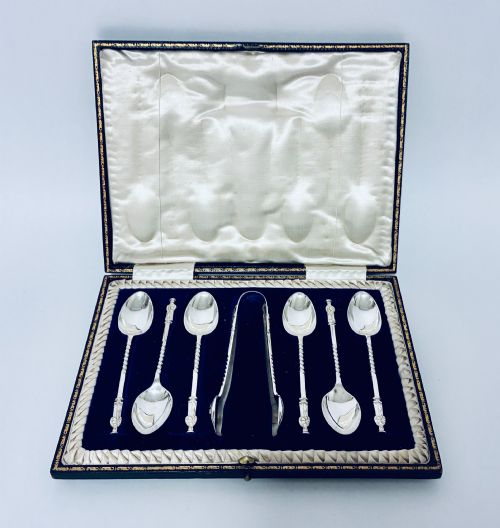
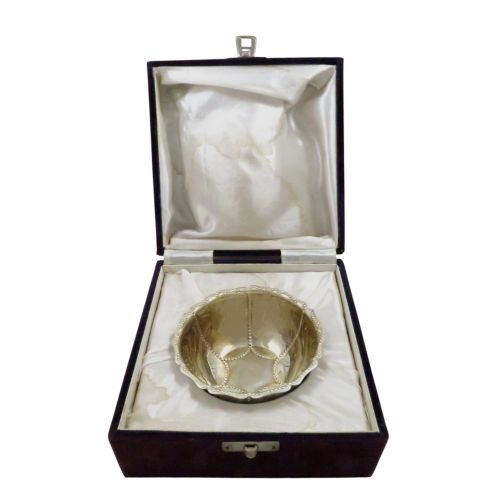
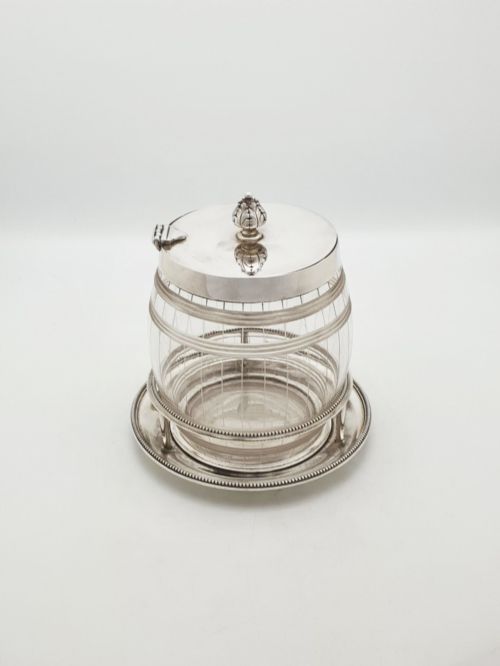
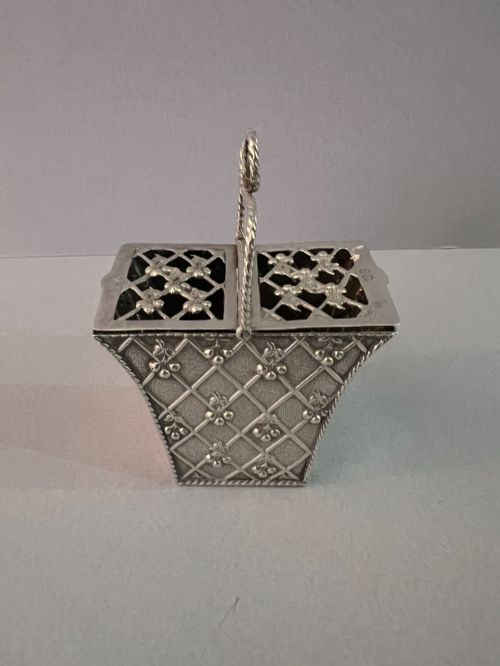
The pieces encountered on this page encompass works originating from Victorian, Edwardian, and Art Deco eras, alongside continental examples in German Historicism styles. Certain items combine sterling silver with cut glass or silver plate, sometimes accompanied by fitted presentation cases.
Makers and workshops across England and continental Europe shaped these containers to reflect changing domestic customs, utilising solid sterling silver or plated metals. Buyers navigating this category encounter both utilitarian receptacles and elaborate figural containers designed for display.
Materials and construction
The primary material across these pieces is sterling silver, supplemented by instances of silver plate, cut glass, and cranberry glass. Interior linings frequently incorporate delicate textiles such as velvet, silk, satin, and leatherette within fitted boxes.
Metalsmiths employed traditional techniques including casting, hammering, and embossing to shape figural forms like owls, goats, squirrels, and stags, alongside geometric Art Deco profiles and half-fluted bodies. Surface decoration often draws upon historical revivals, channeling eighteenth-century German styles through detailed chased work.
Listings feature sterling silver, silver plate, and cut glass across periods spanning the Victorian era, Edwardian years, and the Art Deco twentieth century.
Distinctions in quality
The hierarchy of quality rests upon the crispness of the chased or cast detail, particularly evident in figural boxes shaped as animals or botanical motifs. Superior examples maintain intact internal gilding, robust hinges, and secure lids that close flush against the body.
Weight and gauge of the silver distinguish substantial solid metal containers from lighter items, while the presence of original fitted velvet or silk-lined cases elevates the completeness of a piece. Continental and English hallmarked examples demonstrate distinct standards of assay work that anchor their provenance.
Robert Stebbings·Harry Atkin·Charles Stuart Harris·S Blanckensee & Co Ltd
The Silver Sugar Box Glossary
- Sterling silver
- A silver alloy containing 92.5 percent pure silver by mass, representing the standard metal purity found across English and continental items.
- Sugar box
- A lidded receptacle designed to hold dry sugar for the tea table, frequently interchangeable with the term tea caddy in historical nomenclature.
- Bombe shape
- A rounded, bulging container profile with convex sides that swells outward toward the base, typical of continental and George V designs.
- German Historicism
- An artistic movement drawing inspiration from earlier historical periods, visible in ornate sixteenth- and eighteenth-century revival sugar boxes.
- Silver plate
- A base metal substrate coated with a thin layer of pure silver, utilised in utilitarian and figural vessels.
Silver Sugar Box: Frequently Asked Questions
How were sugar boxes used?
These boxes sat upon the tea table or sideboard, keeping dry sugar secure and protected from moisture until needed for sweetening beverages. Wealthier households locked their sugar containers to protect a valuable commodity.
Many examples came paired with matching tongs, sifters, or teaspoons to facilitate transferring the sugar into cups.
How do I date a silver sugar box?
Dating relies primarily upon official hallmarks stamped into the metal, which indicate the assay office, date letter, and maker's mark. Stylistic indicators also help, such as clean geometric lines for Art Deco items or ornate animal motifs for German Historicism pieces.
Matching fitted cases and associated documentation further confirm the era of manufacture.
Are sugar boxes the same as tea caddies?
While the terms frequently overlap in historical descriptions, tea caddies traditionally stored loose tea leaves while sugar boxes held sugar loaves or granules. Both served adjacent functions within the formal tea service ritual.
Many surviving nineteenth and twentieth-century vessels share similar lidded proportions and can accommodate either dry commodity.