


Silver Plate Biscuit Box
When choosing a silver plate biscuit box, you select a refined Victorian or Edwardian entertaining accessory designed to keep dry pastries crisp.

Silver Plate Biscuit Box
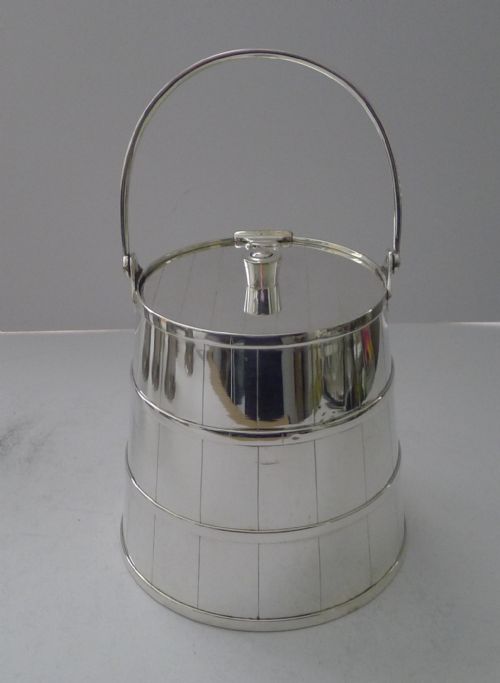
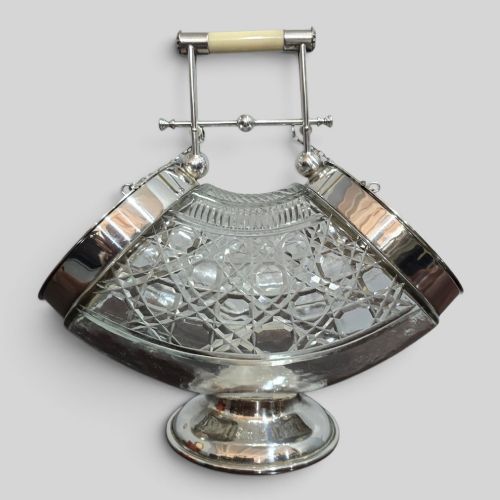
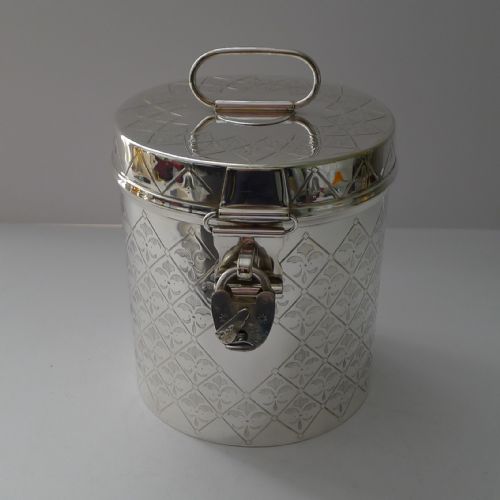
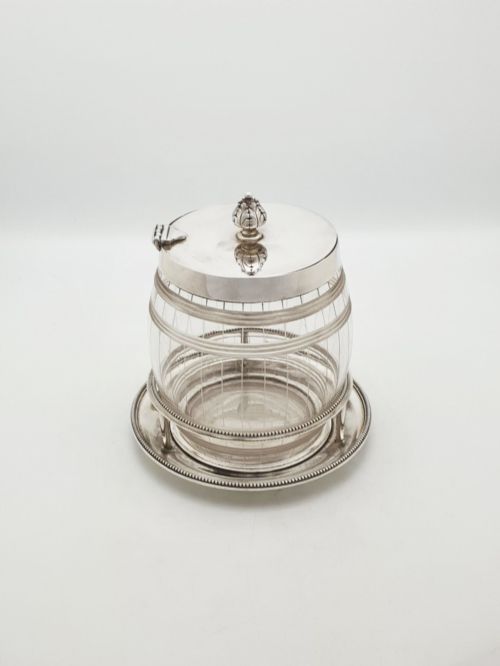
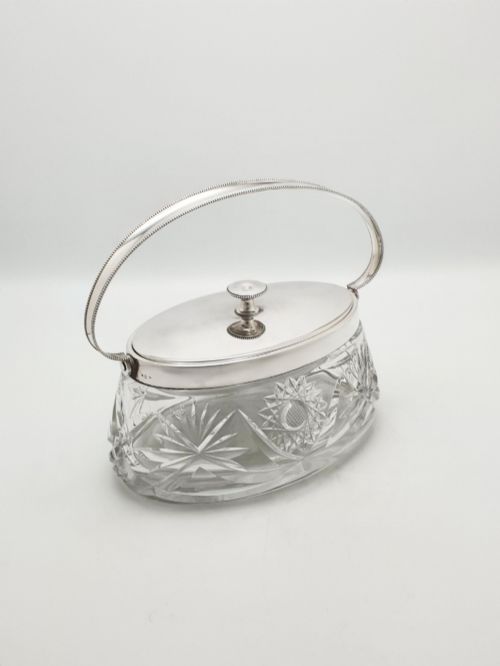
A silver plate biscuit box is a covered container specifically manufactured to serve dry baked goods in formal dining rooms during the nineteenth and early twentieth centuries. These pieces appear in multiple configurations, including cylindrical barrels, drum forms, hinged shells, and tabletop boxes mounted on stands.
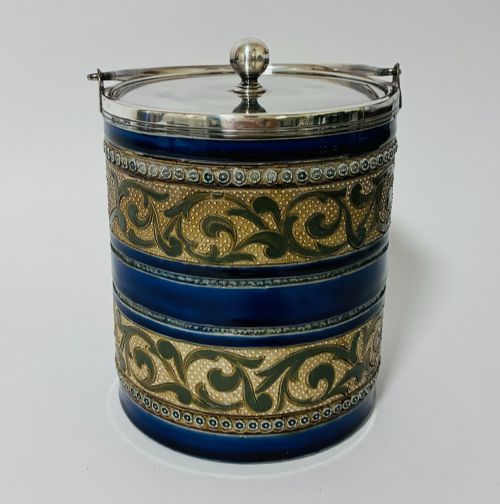
The objects frequently combine silver plate mounts with cut glass liners, ceramic bodies, or carved oak staves. Examples from the Victorian and Edwardian eras dominate the available selection, alongside pieces spanning from the 1860s through the 1920s.
Makers utilised various functional mechanisms, producing automated designs, folding shell structures, and locking lids. Novelty iterations take unusual shapes like weights, while standard cylinders offer straight-sided storage for the dining table.
Materials and Technique
Silversmiths applied electroplating to base metals like nickel silver or standard white metal, creating durable silver plate surfaces that mimicked solid silver at lower production costs. Workshops also employed electroplated nickel silver as a primary structural medium for mounts and hinges.
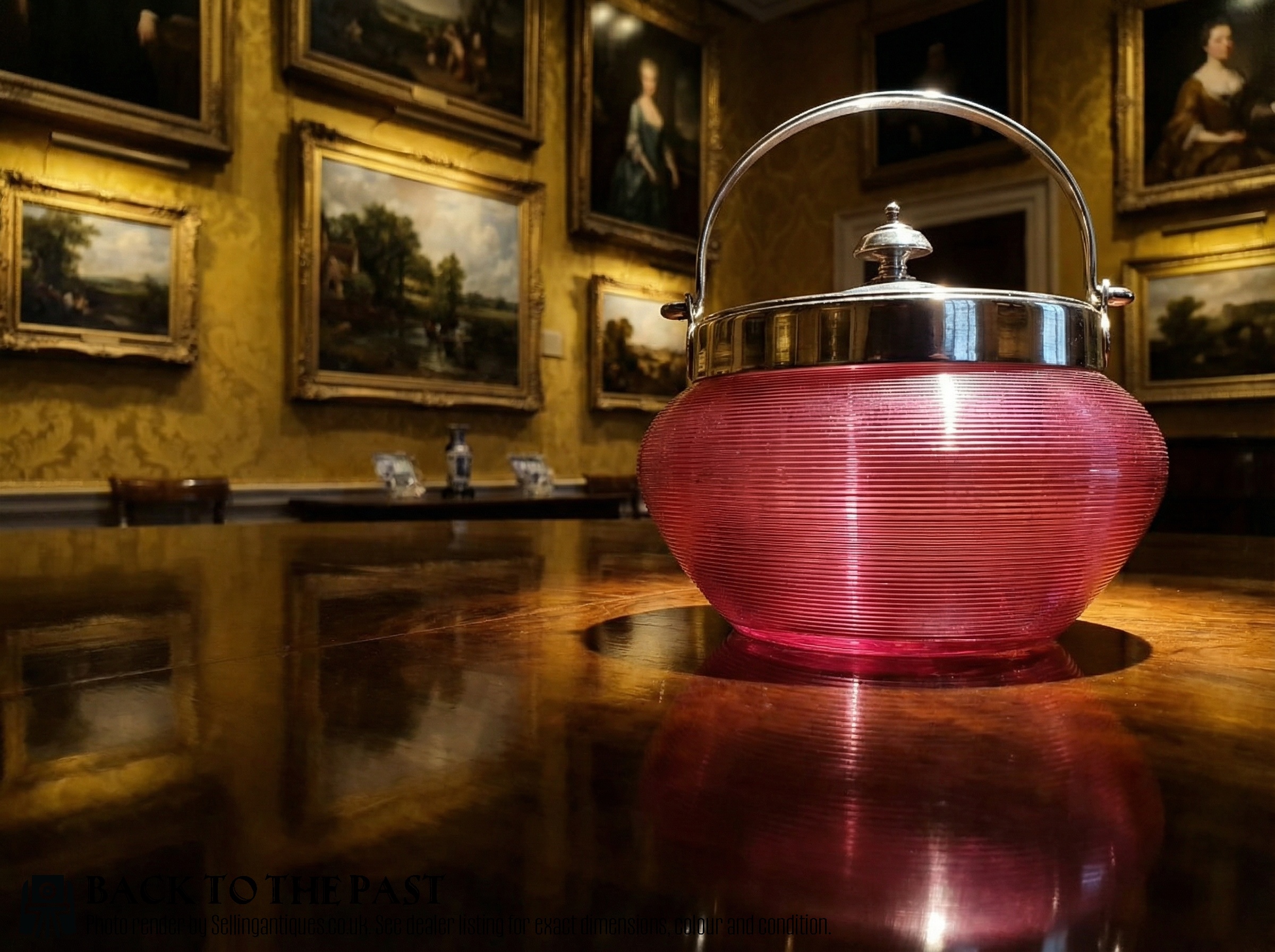
Glass components feature heavy hobnail, faceted, or pressed cutting techniques to catch light through transparent or coloured bodies, including cranberry glass. Wooden elements rely on solid oak, frequently carved or coopered to form robust drum and barrel bodies.
Ceramic interiors incorporate glazed earthenware and pottery from known potteries, held securely within plated metal frameworks. Makers added cast decorative details such as heraldic finials and floral embossing to complete the outer shells.
Silver Plate Biscuit Box Retail Price Guide 2026
Typical asking prices for silver plate biscuit box among the pieces listed under this phrase on Sellingantiques today, from the lower quarter to the upper quarter. They describe what is for sale here now, not the wider market.
Makers occasionally fashioned biscuit boxes to resemble heavy iron weights, hiding dry pastries inside deceptive metallic gymnasium equipment.
Distinctions in Execution
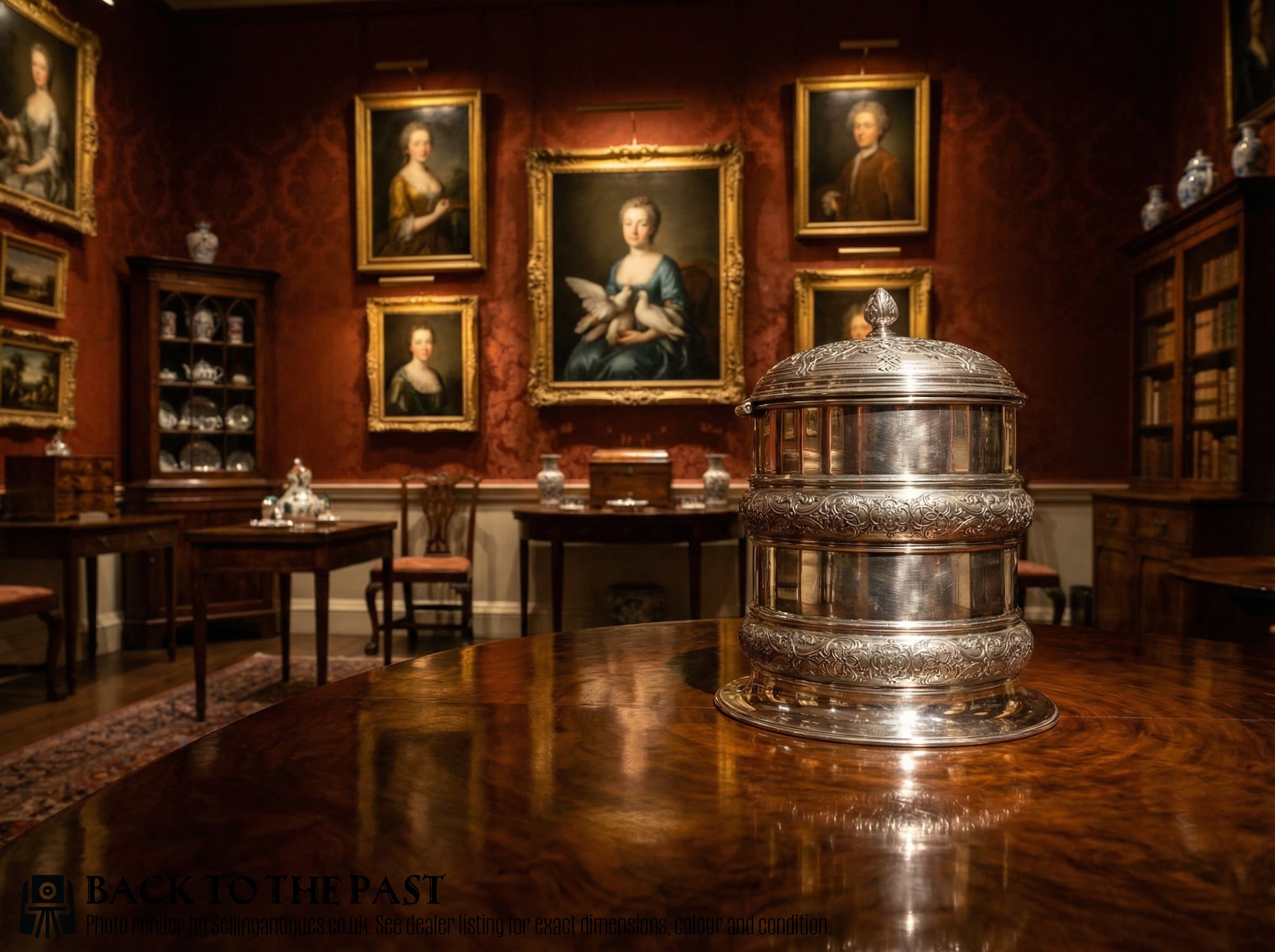
Quality separates standard production wares from pieces produced by prominent silversmiths through the weight of the metal and the crispness of cast ornaments. Superior examples display deeply chased floral motifs, substantial gauge silver plate, and finely detailed figural finials.
The precision of mechanical actions defines the upper tier of manufacturing standards, where folding shells and locking lids operate smoothly without binding. Original glass liners, matching ceramic inserts, and fully intact interior gilding elevate the status of individual containers.
Mappin and Webb·Elkington and Co·Robert and Belk·Walker and Hall·Fenton Brothers·John Grinsell and Sons
The Silver Plate Biscuit Box Glossary
- EPNS
- Electroplated Nickel Silver. This designation indicates a base alloy of copper, nickel, and zinc coated with a thin layer of pure silver.
- Biscuit Barrel
- A cylindrical container with a fitted lid. These vessels formed the standard receptacle for dry biscuits on Victorian dining tables.
- Shell Box
- A hinged container formed of two or three opening metal segments. This design spreads outward to display the contents when activated.
- Hobnail Cut
- A raised geometric pattern carved into glass surfaces. The technique produces faceted points resembling traditional hobnails on boots.
- Finial
- A decorative knob attached to the top of a lid. Makers cast these ornaments in floral, animal, or heraldic shapes.
Silver Plate Biscuit Box: Frequently Asked Questions
What are silver plate biscuit boxes?
These decorative receptacles are lidded vessels created during the Victorian and Edwardian periods to store and present biscuits in middle and upper-class households.
Craftsmen combined silver-plated mounts with glass, ceramic, or wooden bodies to protect delicate baked goods from damp air.
How were they used?
Servants placed the boxes on dining tables during afternoon tea or after dinner for the dessert course.
Guests lifted the hinged lids, rolling mechanisms, or folding shells to help themselves to dry biscuits and sweet treats.
How do you live with them?
These containers integrate easily into modern living spaces as decorative storage on sideboards, coffee tables, or open kitchen shelving.
They function practically for holding small household items or sweets while maintaining period character within a room.
How to tell periods apart?
Early examples from the 1860s and 1870s often feature heavy cut glass liners combined with ornate cast mounts and natural oak staves.
Later pieces from the 1900s and 1920s embrace Edwardian elegance, Jugendstil curves, or streamlined Art Deco geometric forms.