


Elkington Silver Plate
Elkington silver plate comprises domestic tableware and decorative metalwork spanning the Victorian, Edwardian and George V periods.
Forms and Origins
Elkington silver plate encompasses a diverse array of domestic items designed for dining and display, ranging from practical vessels to decorative table centrepieces. When searching for elkington silver plate, buyers encounter objects spanning the Victorian, Edwardian and George V periods, reflecting changing household habits across the nineteenth and twentieth centuries.
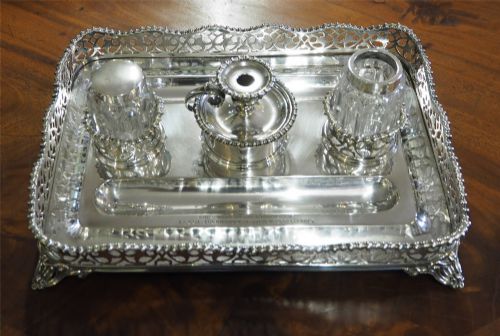
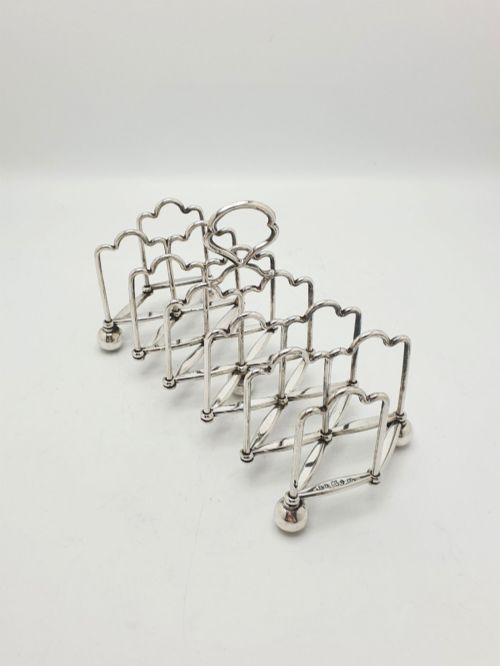
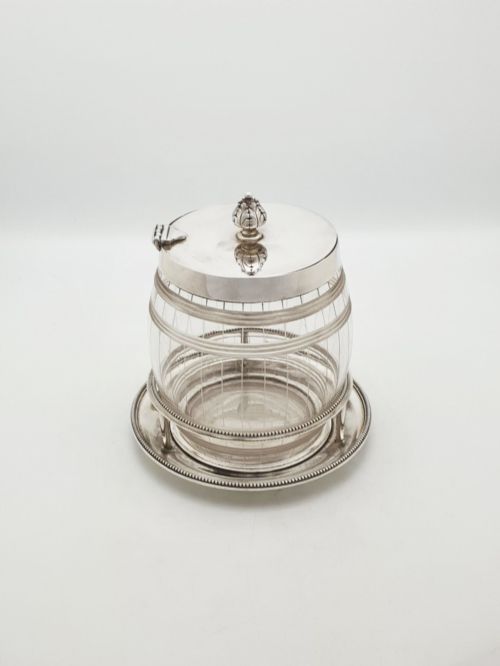
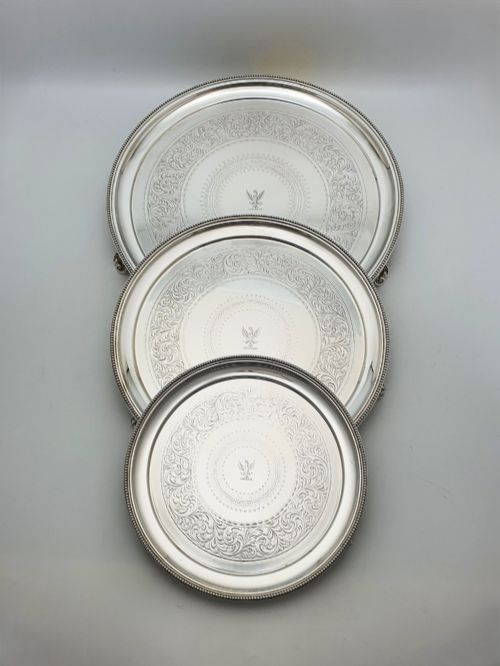
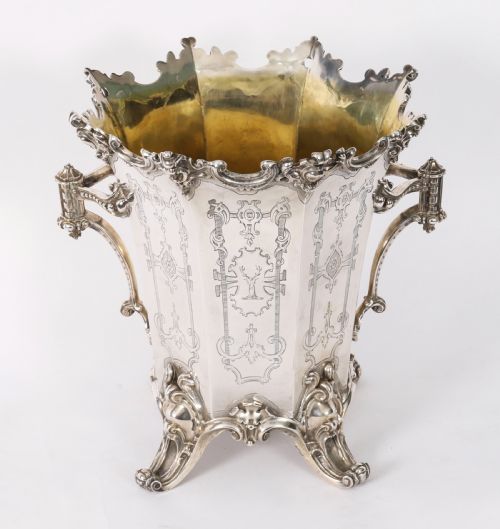
The assortment includes functional tablewares such as toast racks, salvers, trays, teapots, coffee services, biscuit barrels and fruit baskets, alongside more specialised pieces like decanter stands, wine coolers and communion sets. Victorian examples dominate the record, displaying ornate styling and diverse forms from inkstands to figural salts.
Later pieces extend into the twentieth century with George V designs, bread baskets and cocktail shakers, demonstrating the firm longevity. Buyers frequently meet serving trays, candelabra and candlesticks among the surviving stock, illustrating the widespread adoption of silver plate in formal dining.
Materials and Techniques
Elkington silver plate relies upon base metals such as nickel silver, copper, brass and standard silver plate, often enhanced with gilt linings or paired with cut glass components. Artisans utilised electroplating techniques developed and patented by the firm, depositing a layer of silver onto a durable foundation metal.
Many candlesticks, candelabra and figural items involve cast construction, yielding substantial weight and defined relief work. Engraving, piercing and chasing adorn salvers, trays and baskets, while combination pieces integrate cut glass butter dishes and decanters into fitted metal stands.
Retail Price Guide 2026
Typical UK retail prices for elkington silver plate, calculated from the Sellingantiques database of over a million retail prices indexed since 2003. This retail price guide relies exclusively on Sellingantiques data; no external sources or auction records are used, so the figures do not describe the wider market.
Listings for elkington silver plate encompass items from the Victorian, Edwardian and George V periods, utilising nickel silver, cut glass and silver plate.
Distinctions in Execution
Quality in elkington silver plate rests upon the depth of the casting, the crispness of chased ornament and the preservation of the original silver surface. Pieces featuring heavy cast mounts, intricate figural elements or detailed hand-engraving stand apart from simpler utilitarian vessels.
The integrity of the underlying metal foundation and the survival of gilt interiors inside items like salts or communion sets also dictate the standing of a piece. Well-balanced proportions and maker marks that denote specific production periods add distinction to individual items.
Elkington and Company·Elkington and Sons·Elkington and Mason
The Elkington Silver Plate Glossary
- EPNS
- Electroplated Nickel Silver. This acronym denotes a base metal of nickel silver coated with a layer of pure silver through an electrolytic process.
- Salver
- A flat serving tray. These items typically rest on small feet and feature engraved or raised decorative borders.
- Toast rack
- A small table stand designed to hold slices of toast upright. Examples often incorporate looped dividers and a central lifting handle.
- Samovar
- A heated metal urn. These vessels were used to boil water for tea in large Victorian households.
- Chasing
- A metalworking technique. Artisans push metal from the front using hammers and punches to create surface patterns without removing material.
Frequently Asked Questions
What is elkington silver plate?
Elkington silver plate refers to metalware produced by the pioneering Birmingham firm that popularised commercial electroplating in the nineteenth century. These items include dining table accessories, tea services and decorative centerpieces.
The firm transformed the silver trade by applying a thin layer of silver onto base metals like nickel silver, making luxurious table goods accessible to a broader public. Surviving pieces carry distinct maker marks that help identify their period of manufacture.
How can I date my piece?
Dating relies upon examining the specific maker marks, date letters and stylistic cues stamped onto the underside or edge of the metal. Victorian items often feature registration marks or gothic lettering specific to the nineteenth century.
Comparing the form, such as ornate Neo-Classical inkstands or later Art Deco champagne buckets, provides additional context for the manufacturing decade. Archival records for the firm assist in narrowing down the production year.
Were these items used daily?
Many pieces served practical functions in formal nineteenth and twentieth-century dining rooms, from holding toast at breakfast to chilling wine at dinner. Tea services, biscuit barrels and butter dishes saw regular service in middle and upper-class households.
Other objects, such as large centrepieces and elaborate candelabra, remained reserved for special occasions and grand banquets. This mix of utility and display explains the wide variety of surviving forms.