
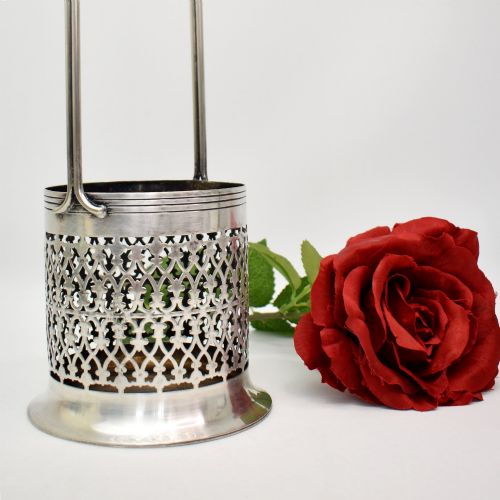
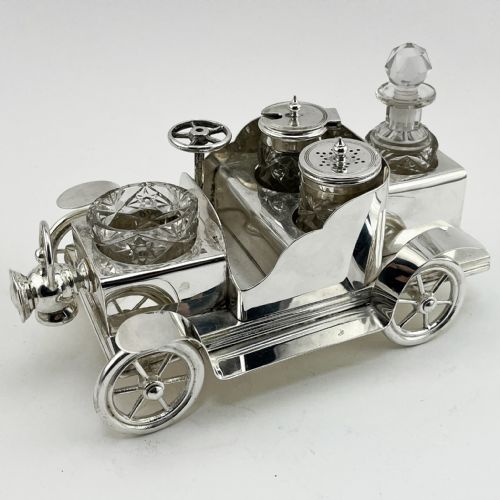


Silver Plated Decanter Stand
A silver plated decanter stand holds your bottles securely while adding a touch of period elegance to the dining table.
Identifying the Silver Plated Decanter Stand
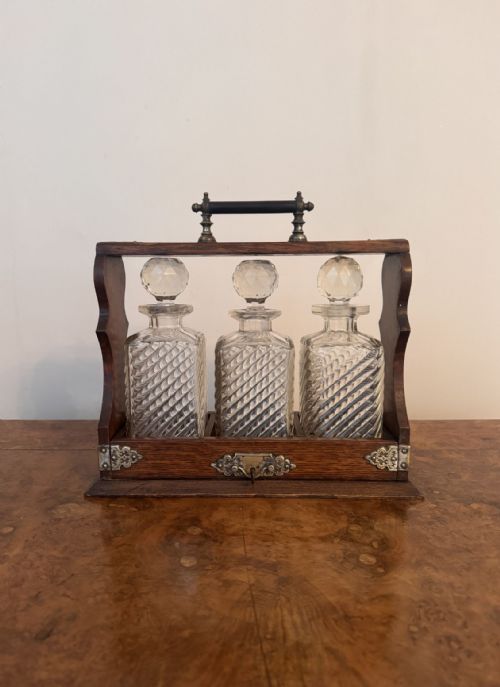
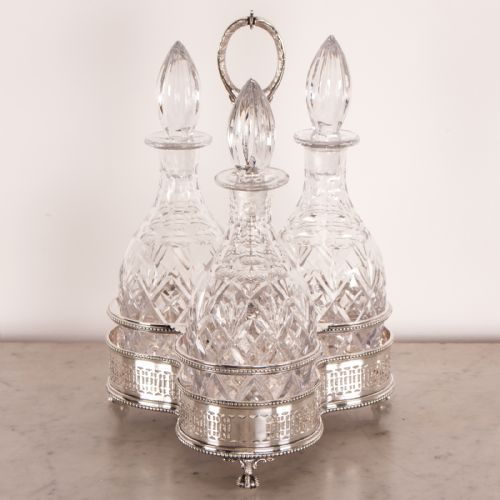
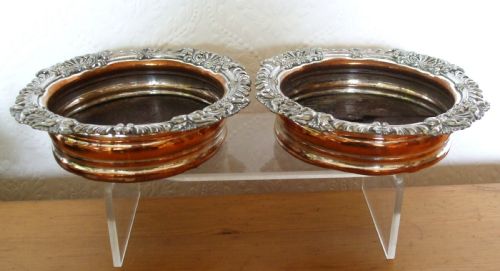
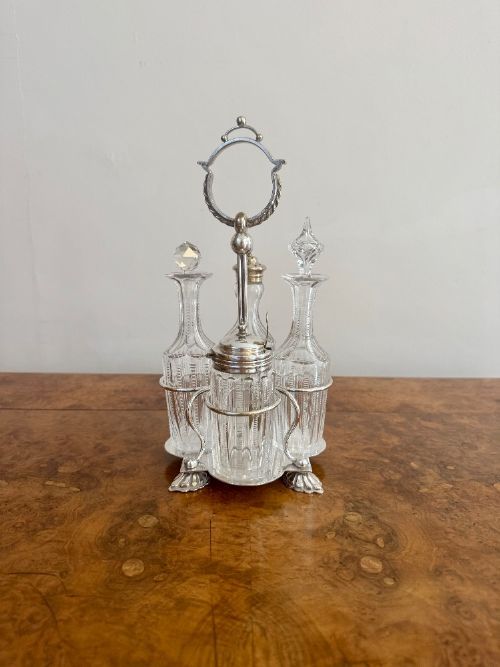
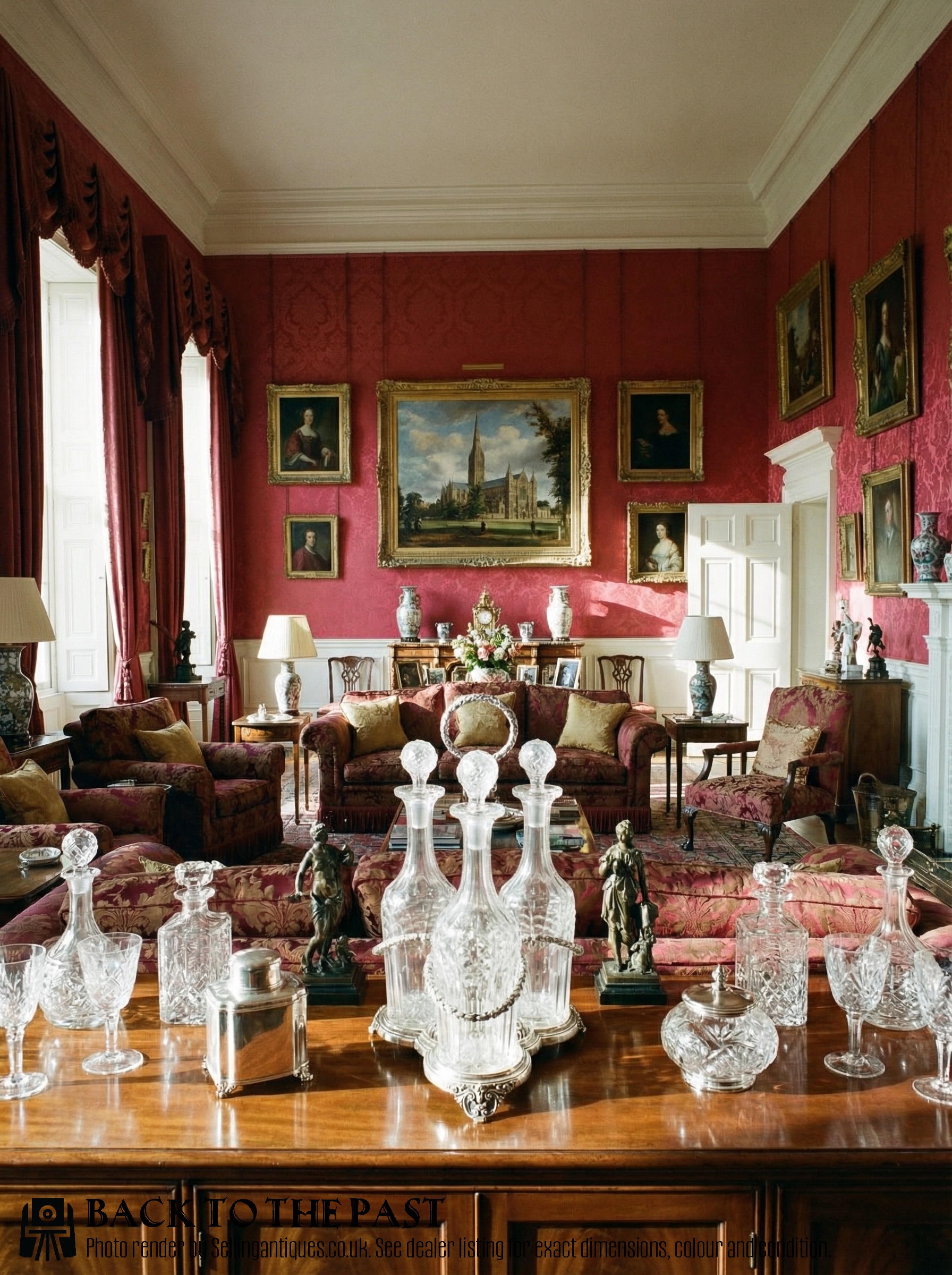
When you search for a silver plated decanter stand, you uncover items designed to hold glass bottles for dining and entertaining. These pieces appear frequently from the Victorian and Edwardian periods, often taking the form of multi-bottle frames, coasters, or locking tantaluses.
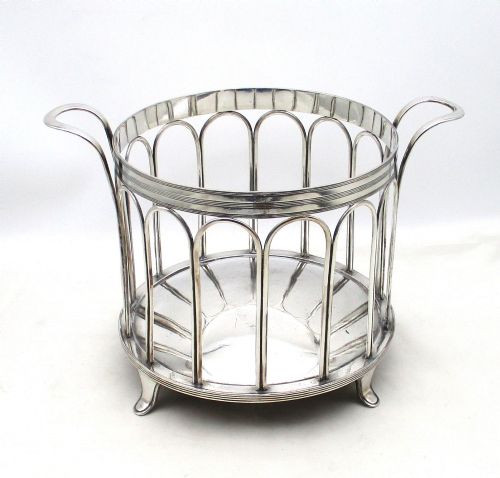
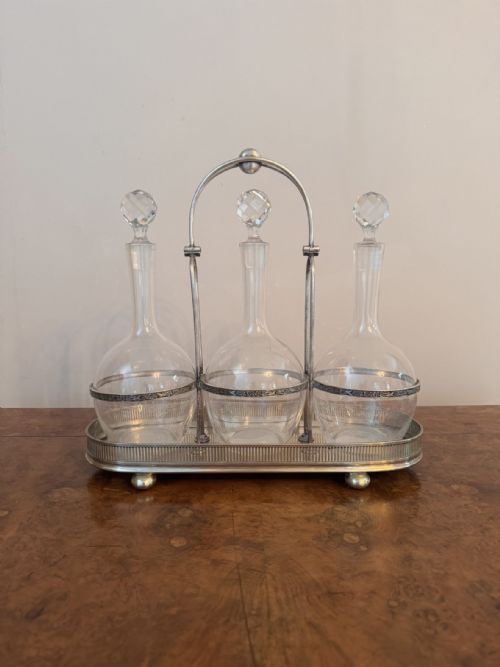
The most common versions on this page are multi-bottle stands featuring cut glass decanters fitted snugly into ornate or reticulated silver plated metalwork. Many include handles for passing around the table or specific compartments for matching glassware.
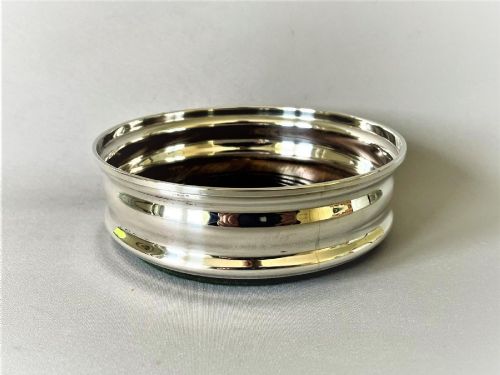
Examples span traditional styles from the nineteenth and early twentieth centuries, reflecting the changing social habits of those eras. Whether holding single wine coasters or triple spirit sets, each object serves the practical purpose of protecting surfaces and displaying glassware.
Materials and Construction
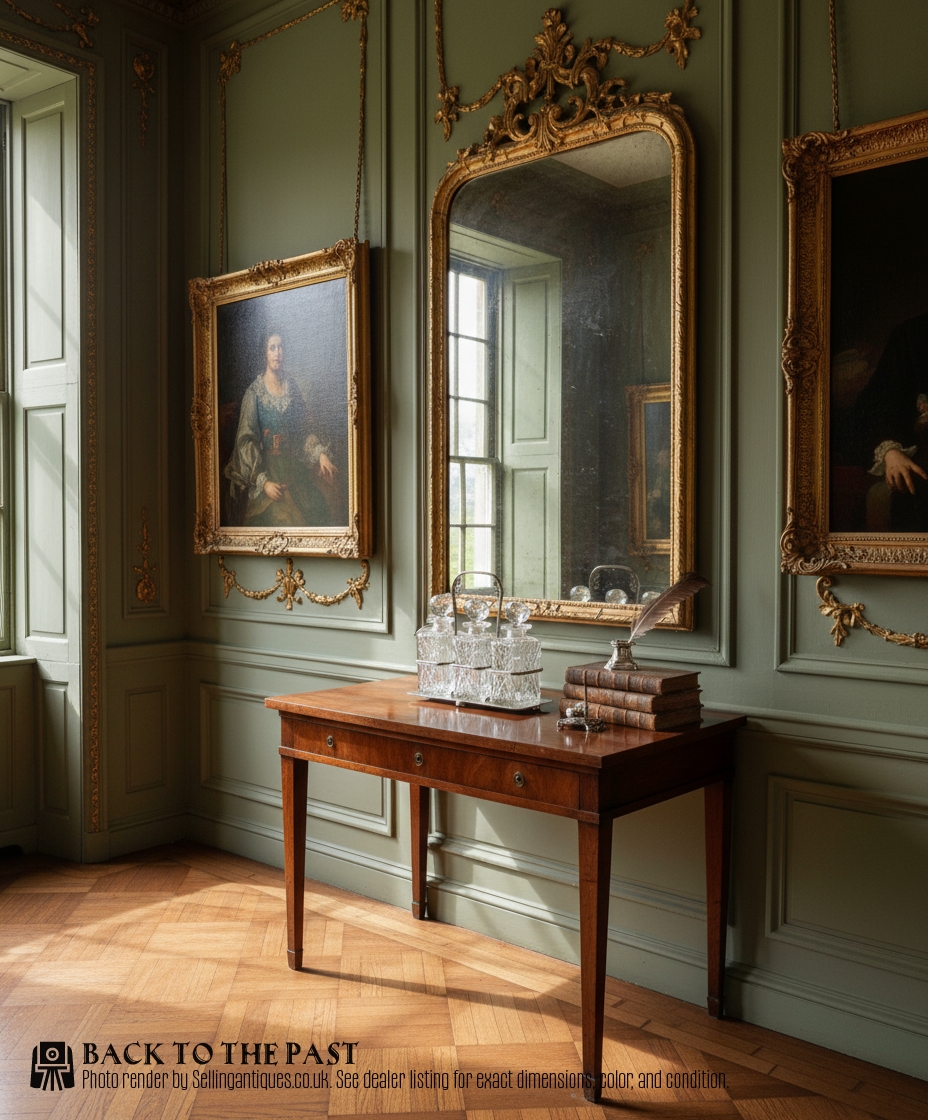
These items combine silver plate over a base metal with clear, coloured, or cut glass components. Many examples incorporate wood elements such as oak bases or partner's trays to support the weight of heavy glass bottles.
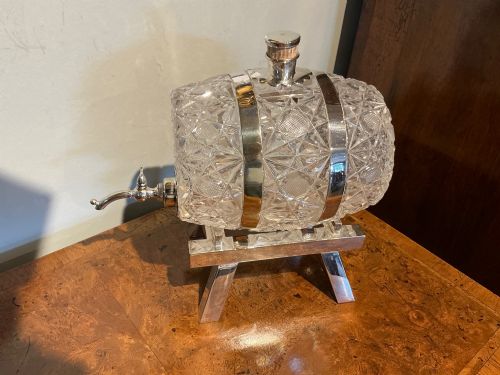
Makers utilised techniques like casting, piercing, and reticulation to shape the silver plated frames into decorative patterns. Glass vessels were blown and often deeply cut with geometric or botanical motifs to catch the light.
Retail Price Guide 2026
Typical UK retail prices for silver plated decanter stand, calculated from the Sellingantiques database of over a million retail prices indexed since 2003. This retail price guide relies exclusively on Sellingantiques data; no external sources or auction records are used, so the figures do not describe the wider market.
Listings feature items from the Victorian and Edwardian eras, utilising silver plate, oak, cut glass, and coloured glass.
Assessing Quality and Craftsmanship
Quality rests in the heaviness of the silver plate and the crispness of the cast or reticulated metal details. Superior examples maintain intact plating that covers the underlying metal evenly without thinning on high-touch areas.
The integration of the glass components matters greatly, with top-tier pieces retaining their original matched cut glass decanters rather than later replacements. Sturdiness of handles, hinges, and locking mechanisms on tantalus versions also distinguishes finer items.

Elkington·Hukin and Heath·Henry Wilkinson and Co
The Silver Plated Decanter Stand Glossary
- Silver plate
- A layer of silver fused to a base metal such as copper or brass. This method provided the appearance of solid silver at a lower cost.
- Tantalus
- A locking drink container frame that secures the stoppers in place. It prevents guests from pouring contents while keeping the bottles visible.
- Reticulated
- Metalwork that is pierced or cut into an openwork lattice pattern. This technique lightened heavy stands while adding intricate visual detail.
- Coaster
- A small stand or tray designed to hold a single bottle or decanter. These protected polished wooden tabletops from condensation and drips.
- Cut glass
- Glass decorated by grinding facets or patterns into the surface using a wheel. It creates sparkling effects when combined with polished metal.
Frequently Asked Questions
What is a silver plated decanter stand?
A silver plated decanter stand is a metal framework designed to hold one or more glass decanters or bottles securely on a table or sideboard.
These pieces range from simple single-bottle coasters to elaborate locking frames created during the Victorian and Edwardian eras.
How were these stands used?
Hosts used them during and after meals to serve wine, spirits, or cordials to guests around the dining table. The handles allowed the bottles to be passed easily from person to person.
Locking versions kept expensive spirits secure from household staff in large Victorian homes.
Are the glass decanters usually original?
Many surviving stands retain their original cut glass or coloured glass decanters, which fit the specific contours of the metal frame.
Because glass breaks easily over time, some pieces have been matched with period replacements that suit the original style and era.
How do I clean silver plate?
Silver plate requires gentle cleaning with a specialised silver cloth or mild polish to avoid wearing through the thin metal layer. Harsh abrasives will damage the finish and expose the base metal underneath.
Glass components can be washed separately in warm soapy water and dried thoroughly before returning them to the stand.