



Victorian Decanter Set
These Victorian decanter set pieces bring period hospitality into the room with cut glass and silver plate.
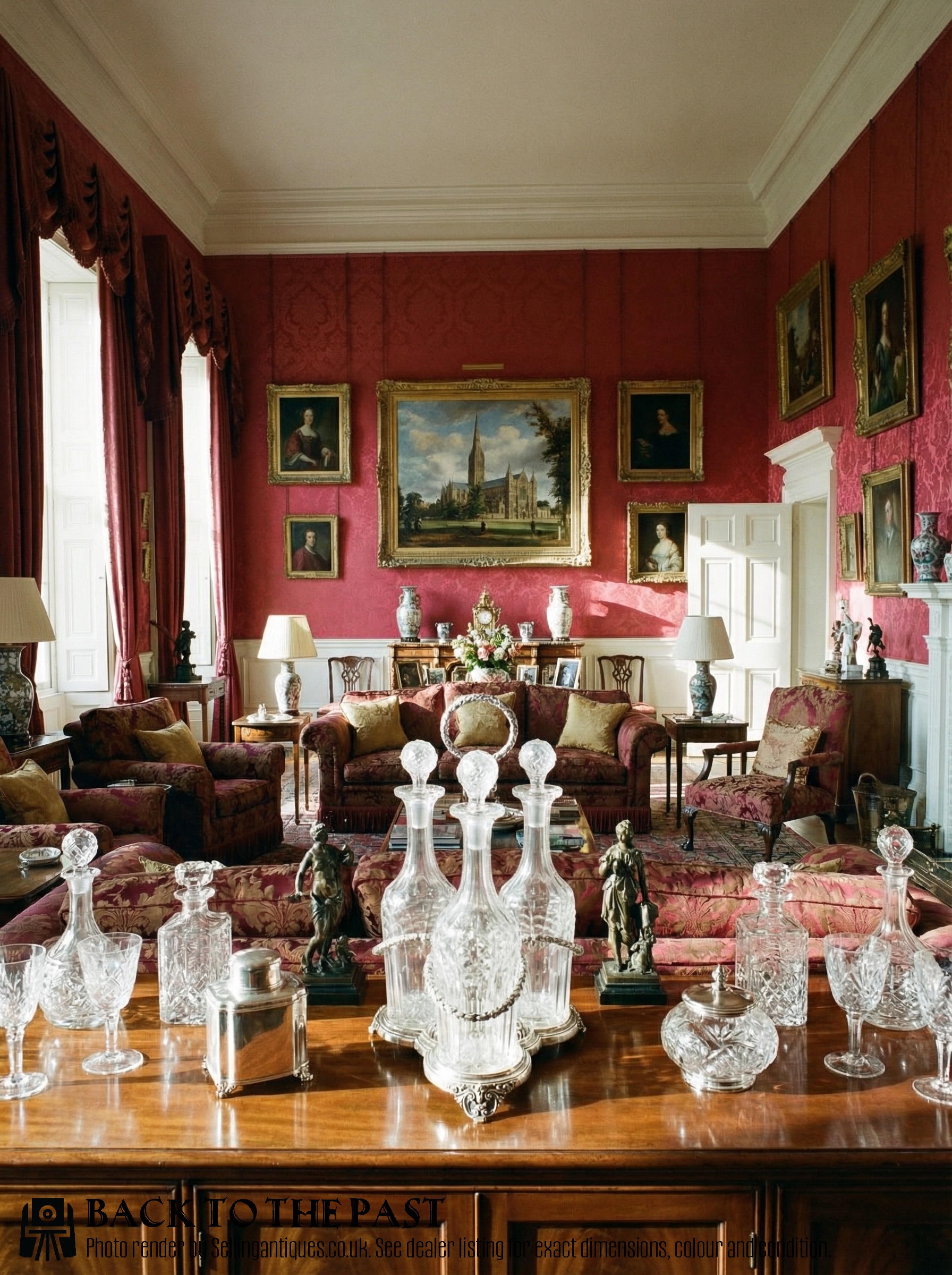
Forms and Origins
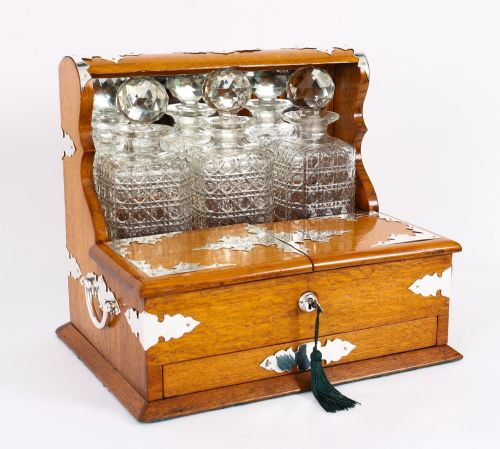
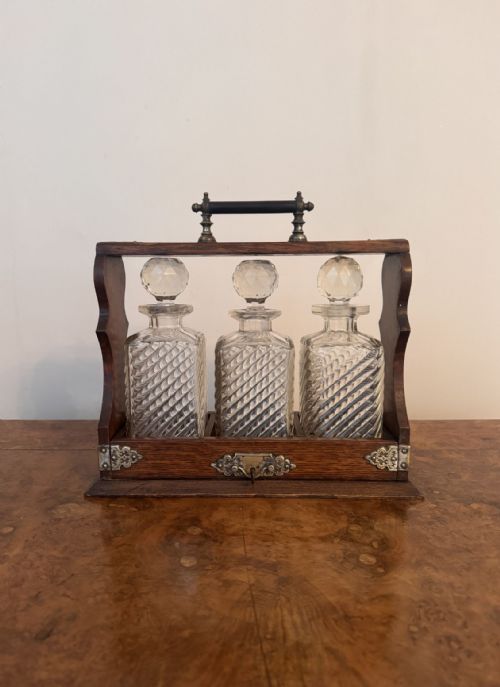
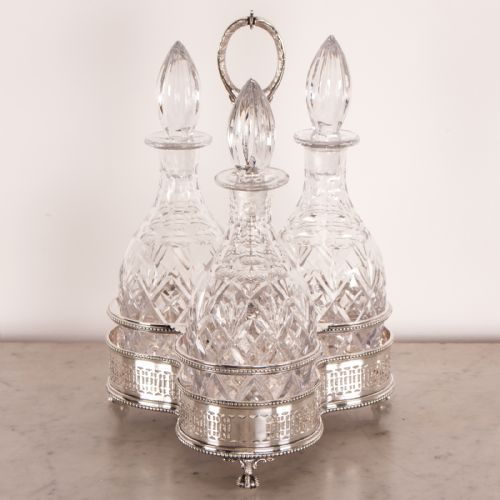
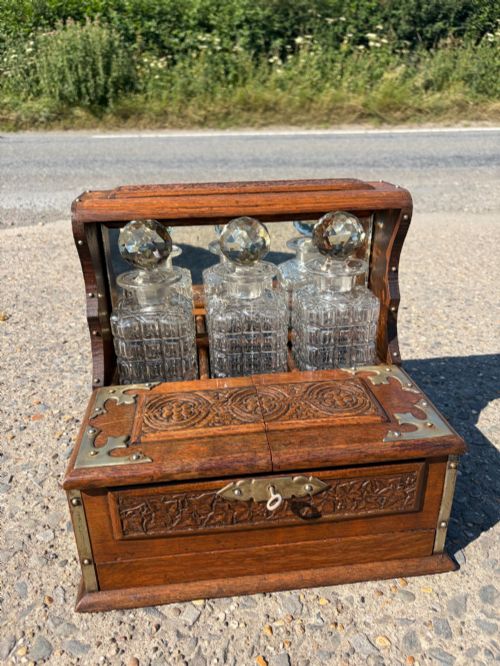
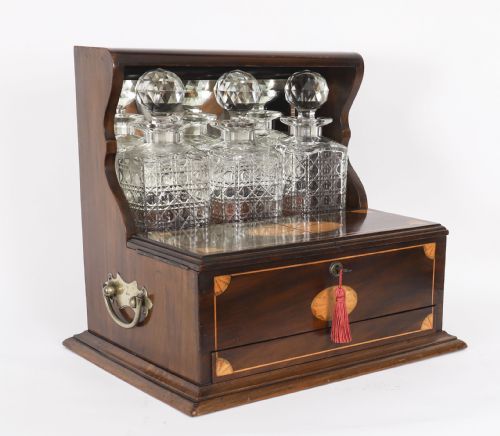
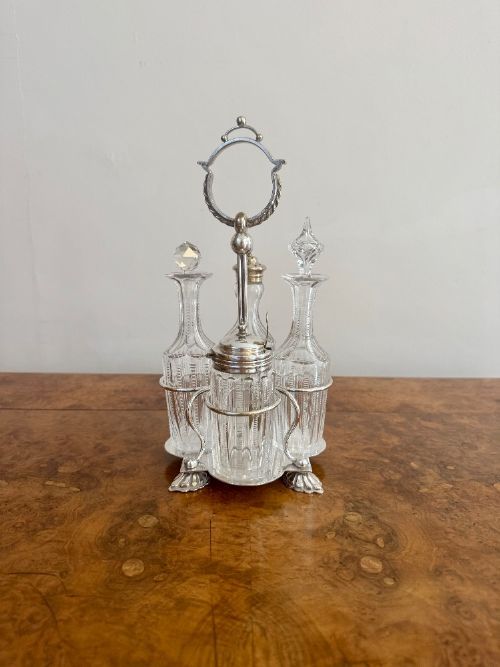
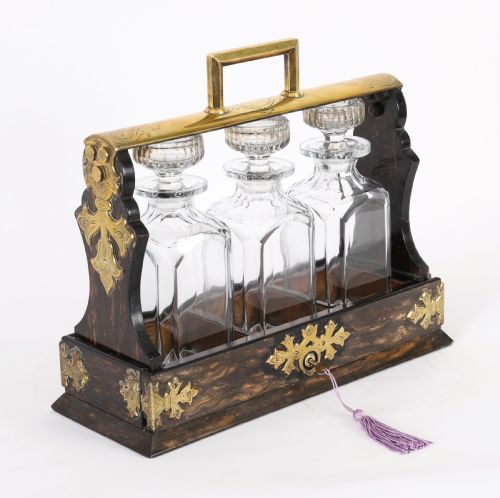
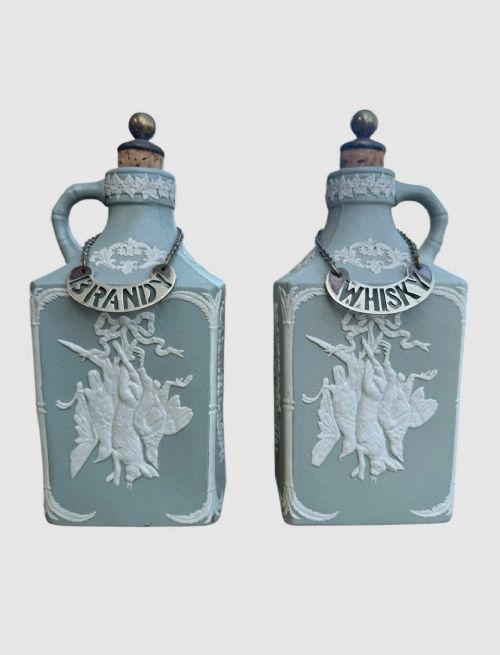
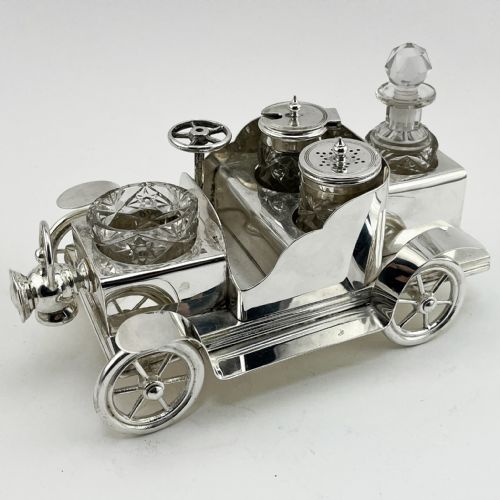
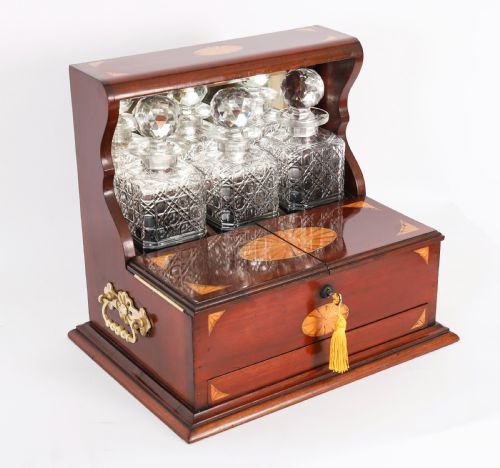
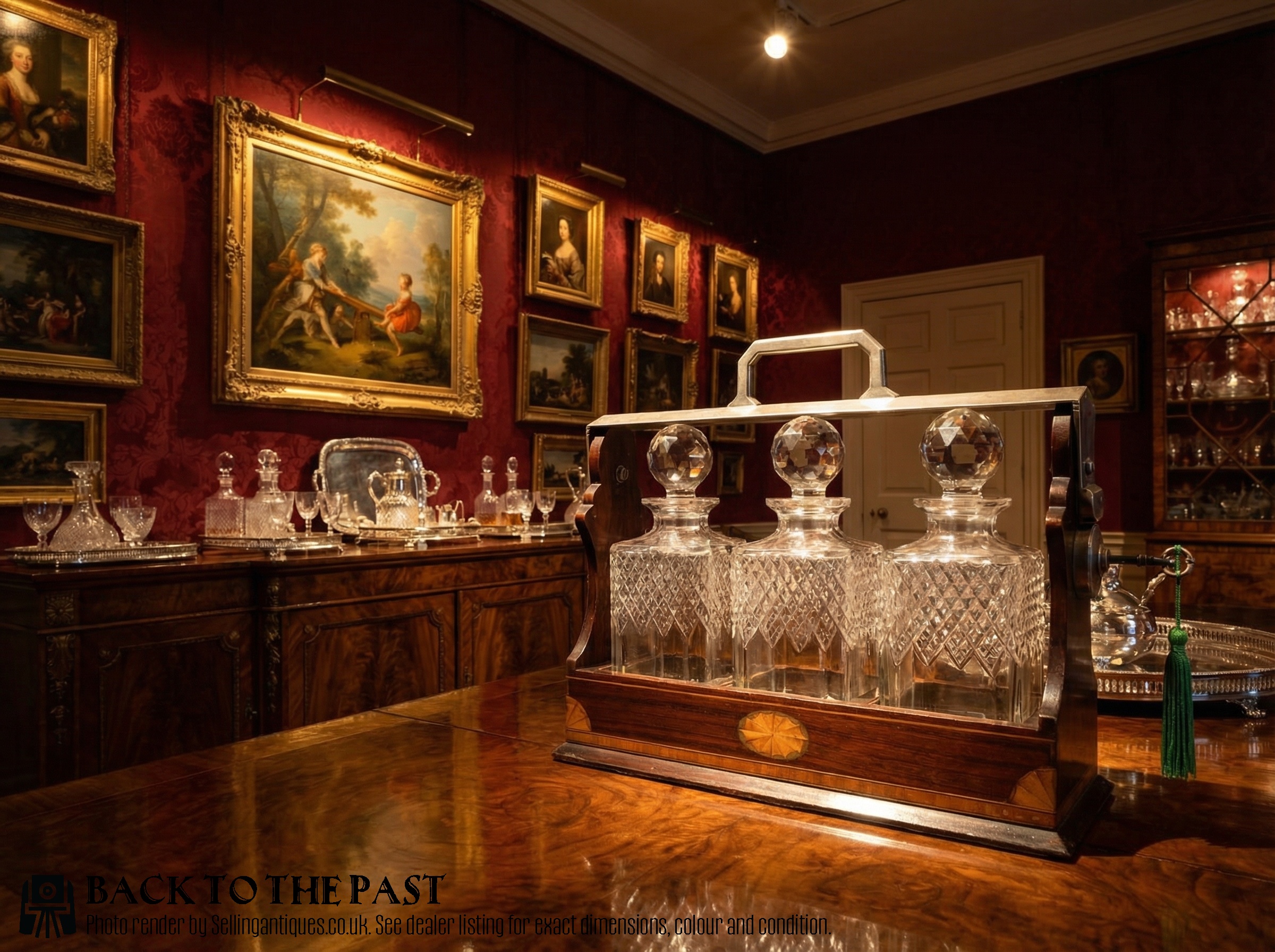
A victorian decanter set gathers glass bottles inside fitted stands, boxes or locking tantalus frames for after dinner service. These groupings include three bottle formats housed in oak, walnut, mahogany or ornate silver-plated metal frameworks.
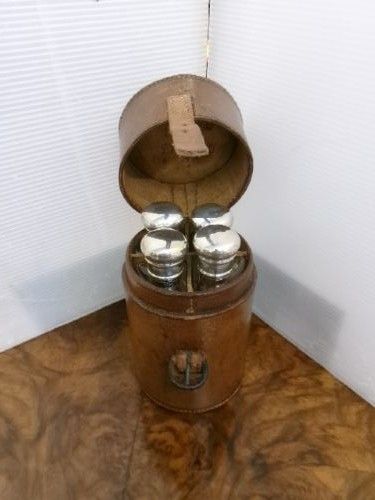
Makers designed portable campaign versions for travel alongside stationary cabinet styles intended for the dining sideboard. Many examples incorporate metal locking mechanisms such as Bramah locks to secure the contents from unauthorised access.
The objects stem from the Victorian era, spanning decades from the early nineteenth century through to eighteen eighty five. Common configurations feature matching cut glass, cut crystal, green glass or amethyst bottles resting within metal stands.
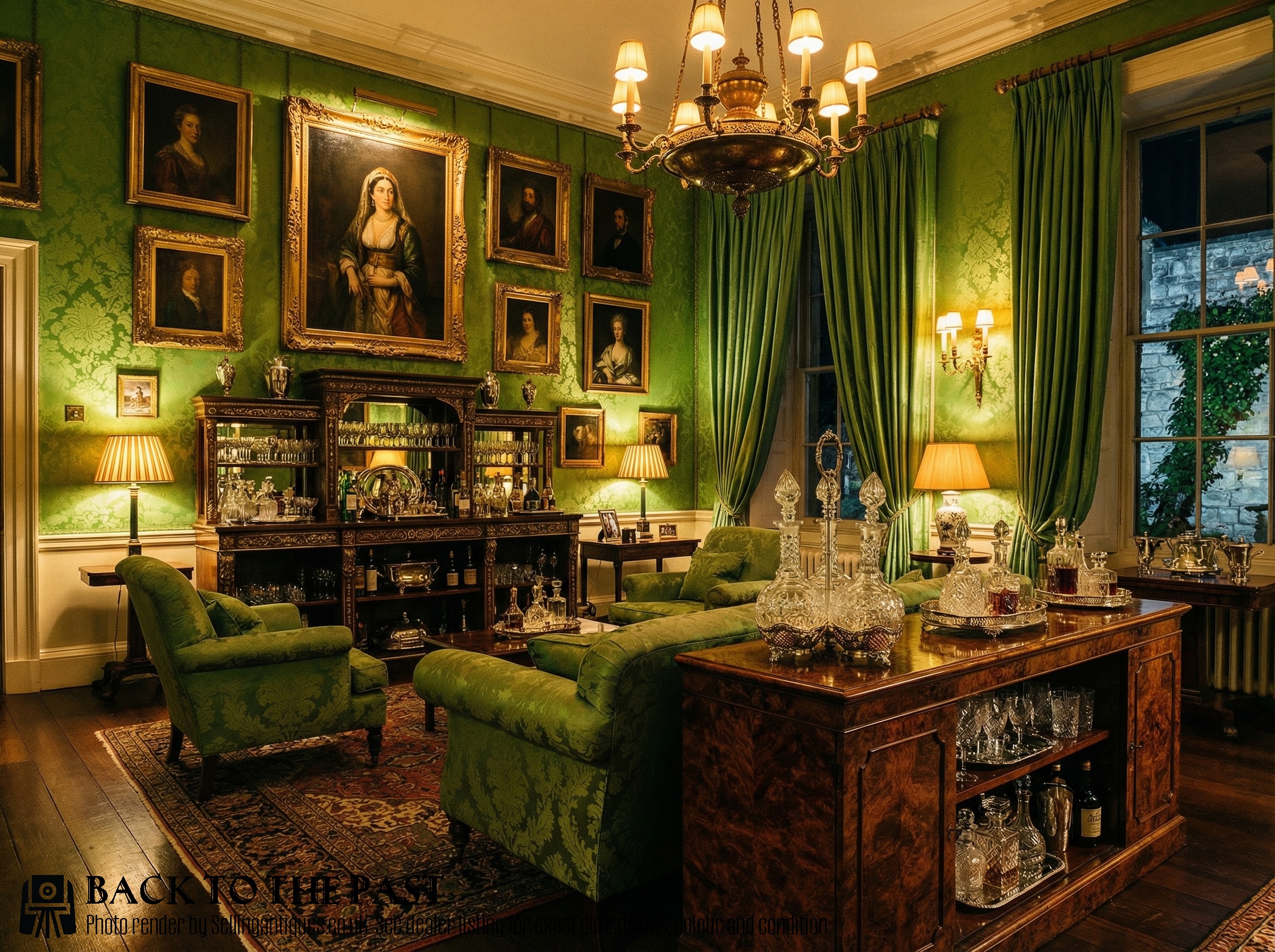
Assessing the Pieces
Refinement rests in the depth and precision of the glass cutting across the decanters and matching bottles, where sharp facets and clear rings separate standard production from superior work. The weight and complexity of the metal stands or fitted wooden boxes also signal distinction.
Hardware execution dictates the standing of a piece, with sturdy brass fittings, working locks and intact silver plating showing deliberate care. Complete sets retaining their original matching bottles and stoppers achieve higher cohesion than assembled or replacement groups.
Retail Price Guide 2026
Typical UK retail prices for victorian decanter set, calculated from the Sellingantiques database of over a million retail prices indexed since 2003. This retail price guide relies exclusively on Sellingantiques data; no external sources or auction records are used, so the figures do not describe the wider market.
Listings feature oak, walnut, mahogany, silver plate, brass, cut glass and cut crystal across pieces dated between eighteen thirty and eighteen eighty five.
Elkington·Philip Ashberry·Henry Wilkinson and Co
The Victorian Decanter Set Glossary
- Tantalus
- A locking frame that holds decanters securely by their necks so they remain visible yet impossible to remove without a key. This clever Victorian invention kept household spirits safe from servants.
- Silver Plate
- A thin layer of silver fused to a base metal core, widely utilised for the stands and bottle mounts of the period. It provided the brilliant appearance of solid silver at a more accessible cost.
- Cut Crystal
- High-clarity glass containing lead, shaped by grinding geometric patterns into the surface to maximise brilliance. The facets reflect candlelight across the dining table during evening service.
- Campaign Set
- A portable decanter arrangement housed in a fitted wooden box with brass corners and recessed handles, built for travel. Officers carried these durable containers on military postings.
Frequently Asked Questions
What is a tantalus?
A tantalus is a locking wooden or metal frame designed to secure decanters while leaving their contents visible.
Victorian hosts utilised them on sideboards to prevent uninvited sampling by staff or guests.
How do I date a set?
Dating relies on timber choices, lock types, hallmarks on silver mounts and the specific style of glass cutting.
Earlier pieces often feature campaign boxes with brass inlay, while later examples lean towards heavy oak tantalus frames.
Are campaign sets different?
Campaign sets are housed in compact wooden boxes fitted with brass handles and secure locks for travel.
Officers and travellers used these robust configurations to transport spirits safely across long journeys.
How were these sets used?
Victorian hosts placed them on dining tables or sideboards for after dinner drinks and social gatherings.
The matching bottles held different spirits ready for pouring into glasses or cordial tumblers.