




Three Decanter Tantalus
A three decanter tantalus locks away the evening spirits behind a clever sliding bar of metal and wood.
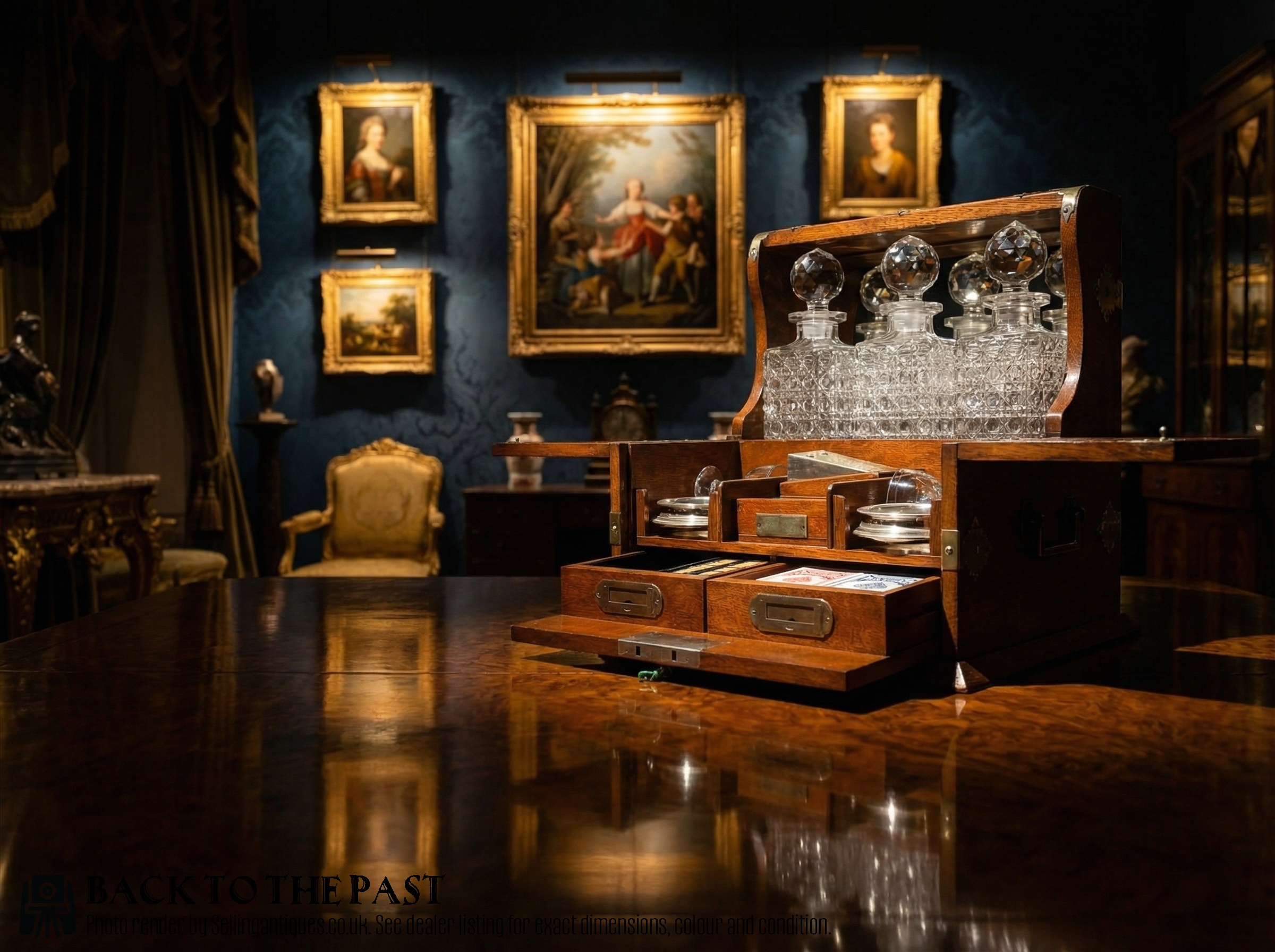
Three Decanter Tantalus
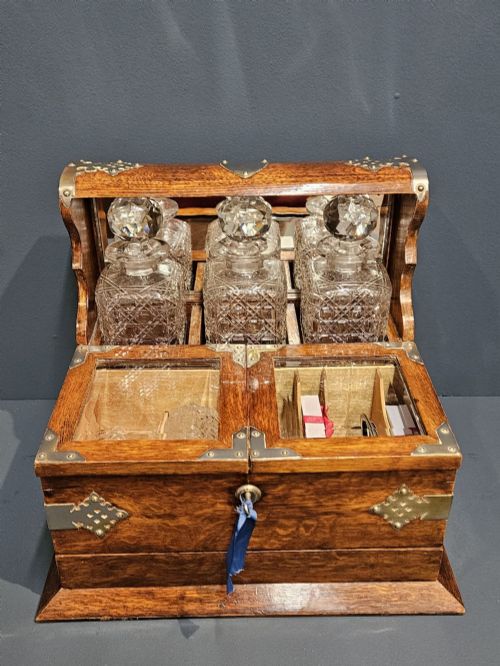
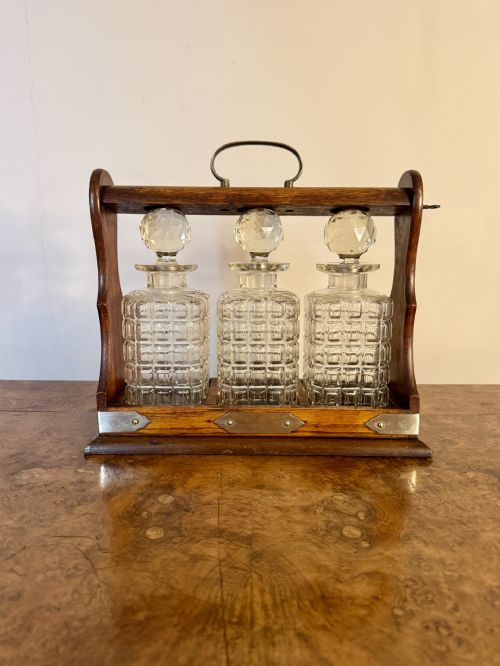
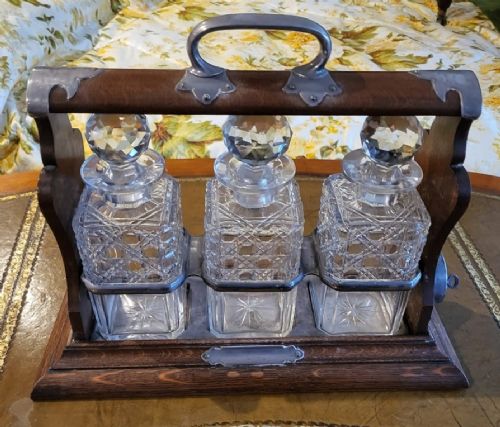
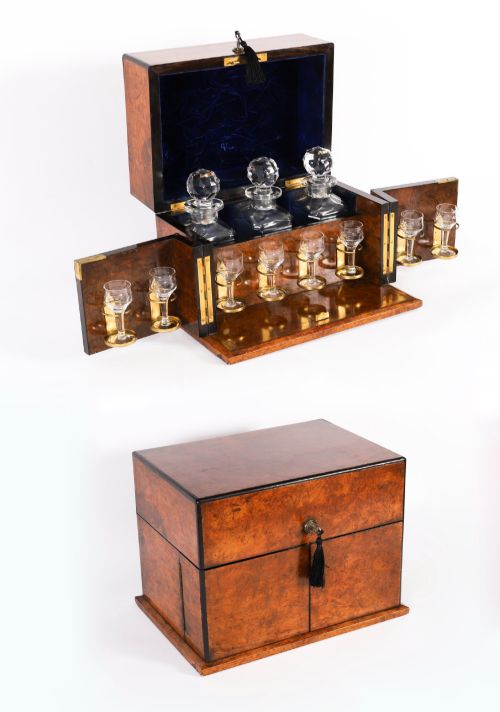
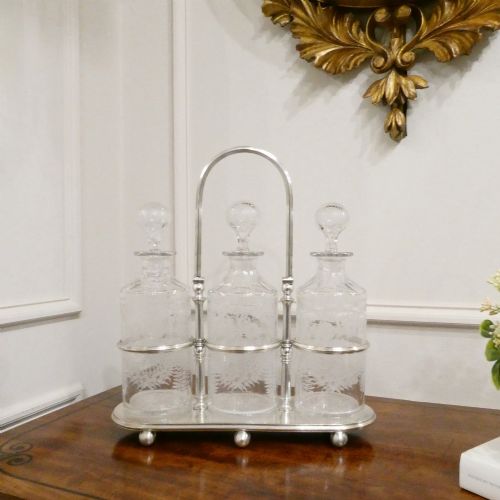
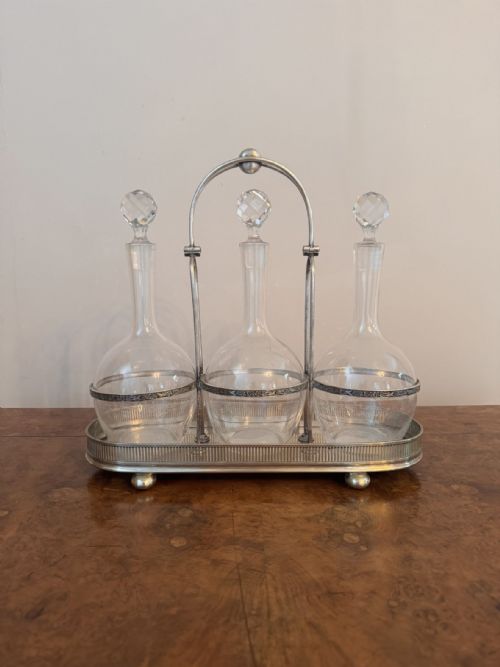
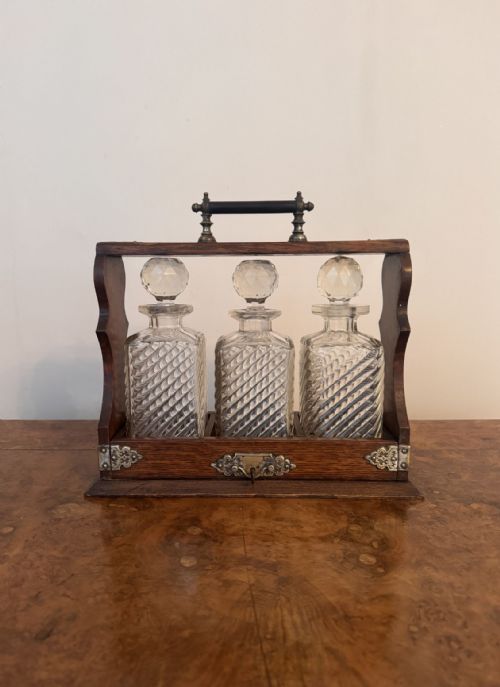
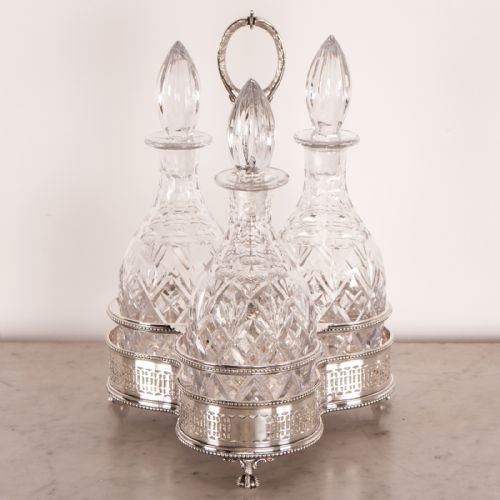
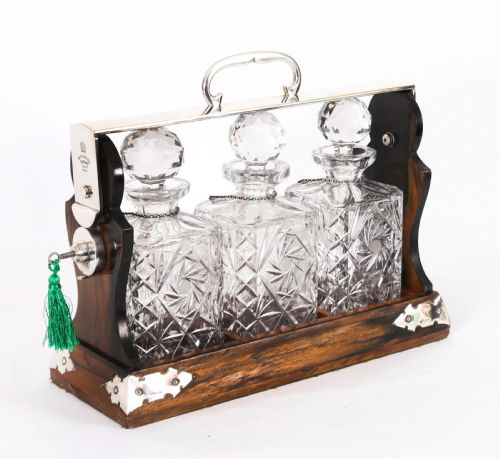
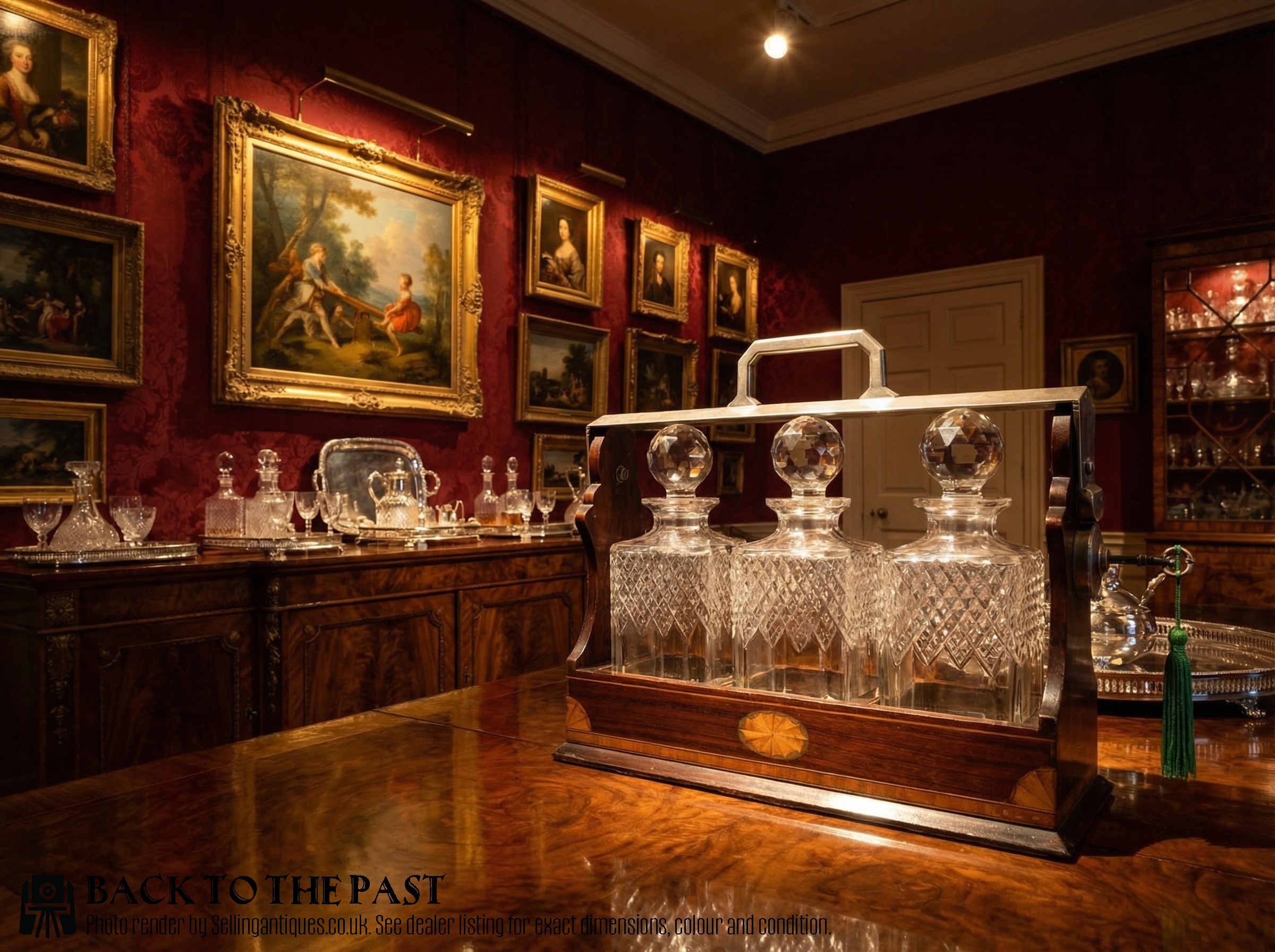
A three decanter tantalus holds a trio of glass vessels within an ornate wooden or metal frame designed to prevent unauthorized access to the contents. The locking mechanism traps the stoppers in place so the bottles cannot be removed until a key is turned in the integrated lock.
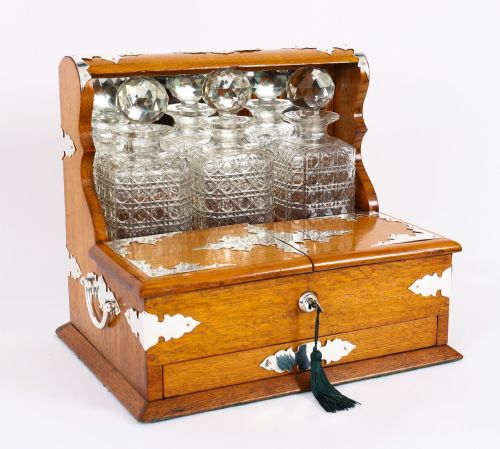
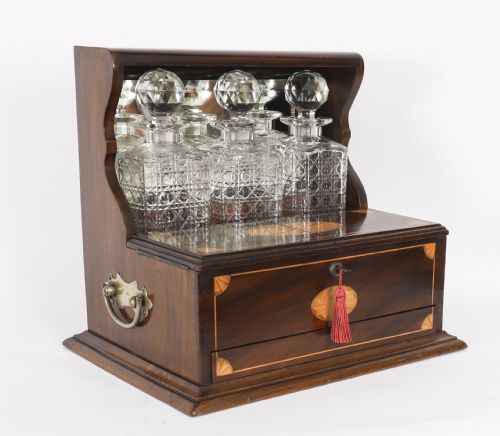
Most examples found on this page date from the Victorian and Edwardian periods, constructed as dedicated after dinner drinks cabinets or combined games compendiums with integrated humidor drawers.
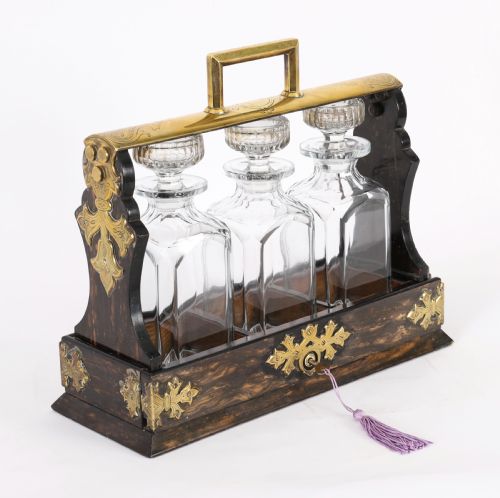
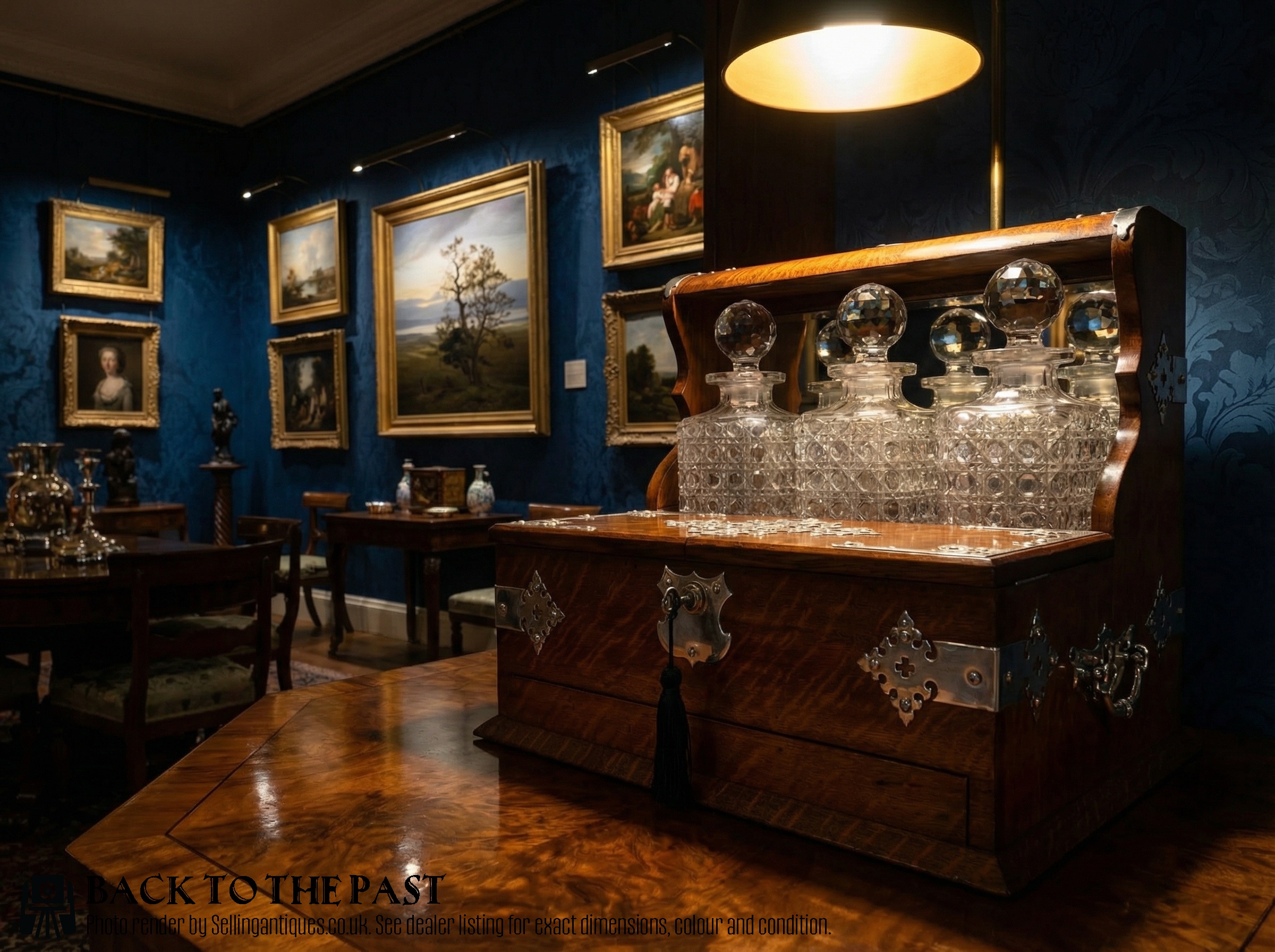
Oak and coromandel frames predominate, frequently mounted with silver plated handles and keyplates alongside cut crystal bottles.
What separates the finest examples
The calibre of the locking mechanism and the precision of the cabinetwork dictate the standing of an individual piece, with patented systems by makers such as Betjemann holding higher regard.
The inclusion of functional additions like folding games boards, playing card compartments, and working keys elevates the utility and desirability of the ensemble.
The preservation of the original matched set of three cut crystal decanters without chips or replacements marks the distinction between standard production and superior craftsmanship.
Three Decanter Tantalus Retail Price Guide 2026
Typical asking prices for three decanter tantalus among the pieces listed under this phrase on Sellingantiques today, from the lower quarter to the upper quarter. They describe what is for sale here now, not the wider market.
Some tantalus models hid secret compartments beneath the decanters for playing cards, ensuring guests stayed entertained long after the spirits were locked away.
Walker and Hall·Elkington·The Goldsmith Co·Philip Ashberry
The Three Decanter Tantalus Glossary
- Tantalus
- A locking drink container that displays three decanters while denying access to the contents without a key. The name originates from the mythological figure punished by eternal thirst and frustration.
- Coromandel
- A dense, heavily grained cabinet timber imported from Asia utilised for luxury Victorian boxes and tantalus frames. It displays dark brown and black striations across a warm golden brown ground.
- Games Compendium
- A multi-use box containing equipment for pastimes such as chess, draughts, and cards, frequently incorporated beneath the decanter tier of a tantalus. These units fold out or slide open via secret locking levers.
- Silver Plate
- A layer of silver fused to a base metal foundation, commonly utilised for the carrying handles, lock plates, and bottle collars of late nineteenth century barware. It provides the appearance of solid silver at a lower manufacturing cost.
Three Decanter Tantalus: Frequently Asked Questions
How do you open a three decanter tantalus?
Insertion of the correct key into the lock allows the metal retaining bar to slide or pivot upward, releasing the stoppers.
Once the bar clears the bottlenecks, each crystal decanter lifts straight out of its fitted wooden well.
Are the decanters removable?
The decanters lift out freely once the locking bar is unlocked by turning the key.
When the bar is locked down over the stoppers, the bottles remain securely trapped inside the frame.
What wood was used for these?
Cabinetmakers selected durable timbers such as oak, walnut, and flame mahogany for daily household use.
More luxurious pieces utilised exotic coromandel or satinwood embellished with marquetry inlay and brass mounts.
How do I care for the metal parts?
Silver plated components require gentle cleaning with a soft cloth to avoid wearing away the thin metal layer.
Harsh chemical dips should be avoided to protect the surrounding wood frame from staining or damage.