
Antique Decanter Stand
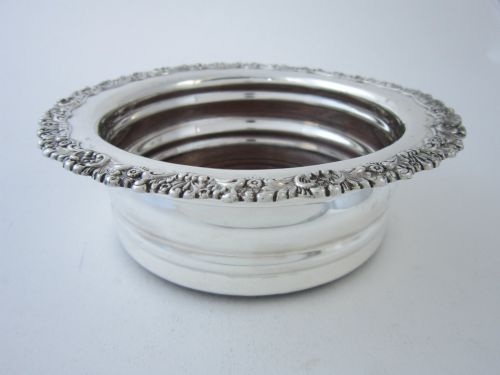
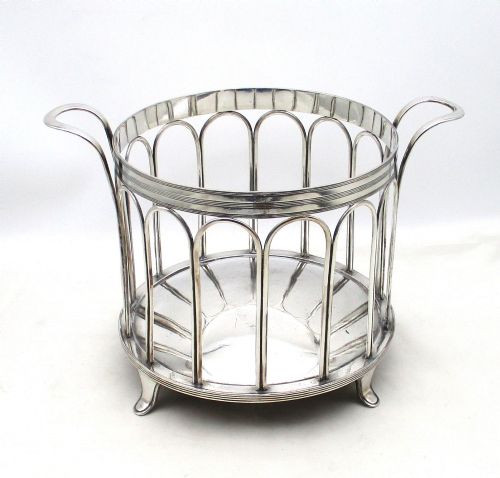
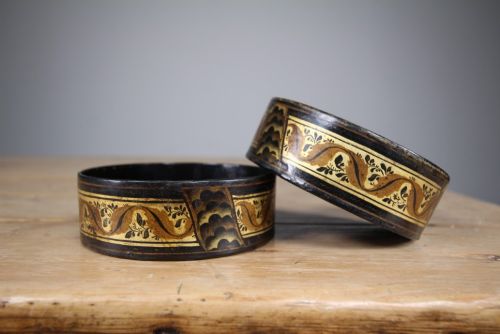
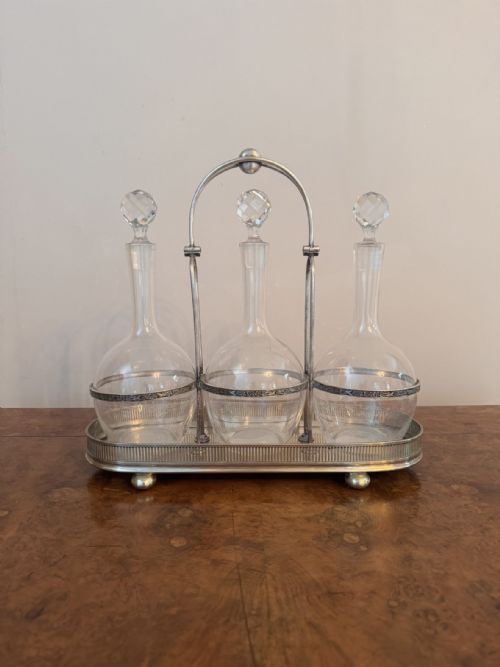
An antique decanter stand organises bottles with formality, combining heavy timber or plated metal with cut glass for the dining table.
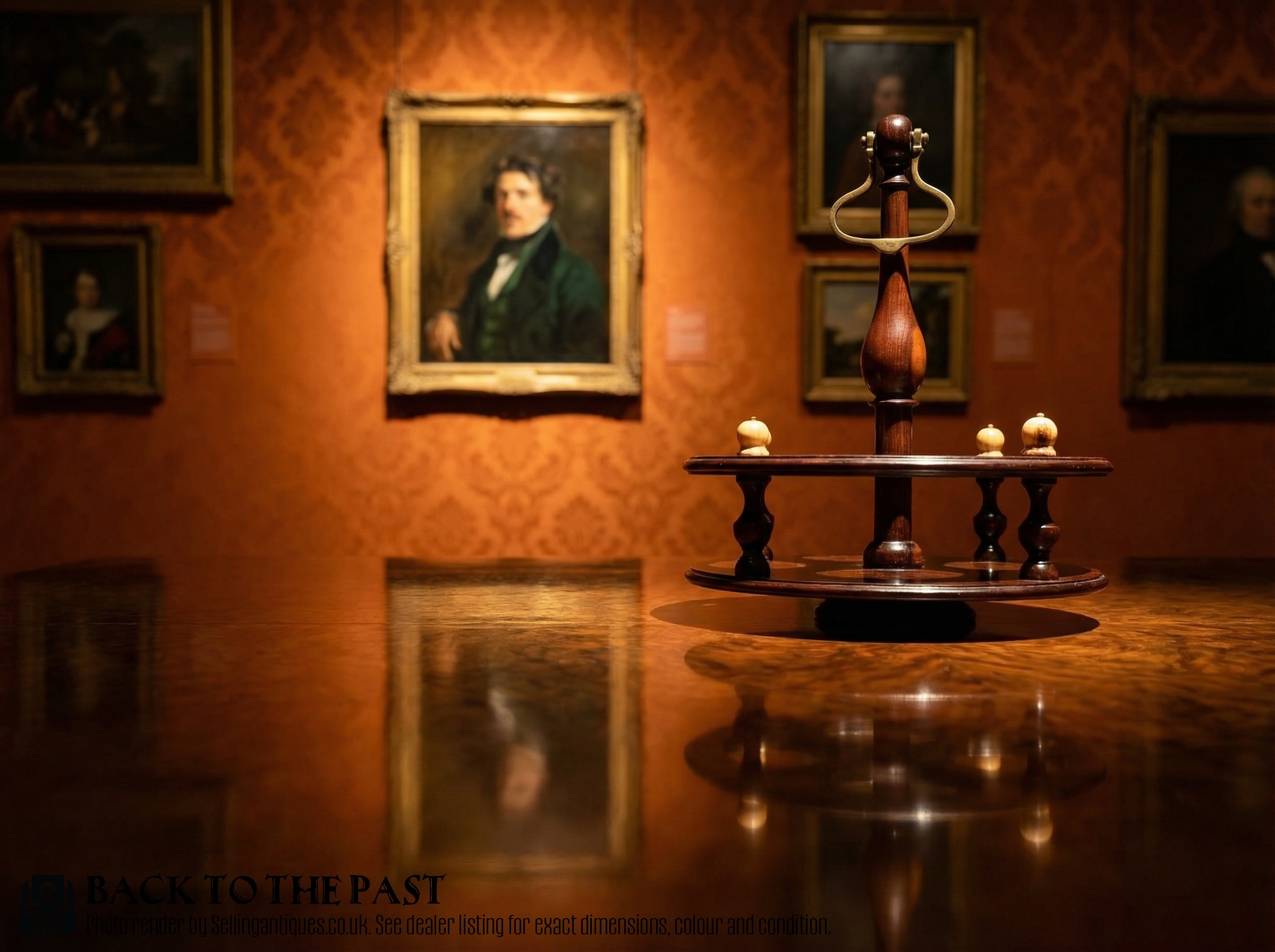
Forms and periods
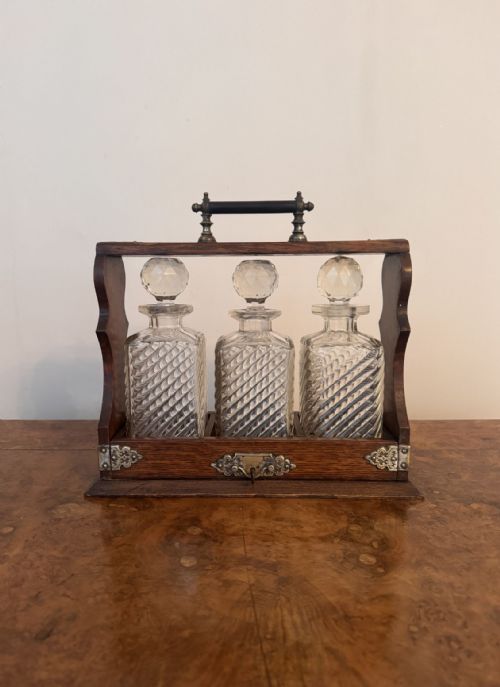
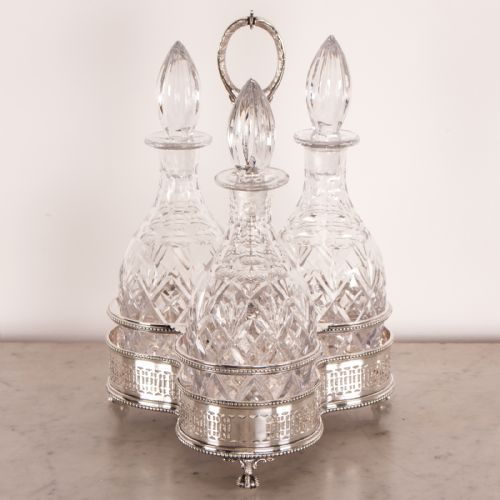
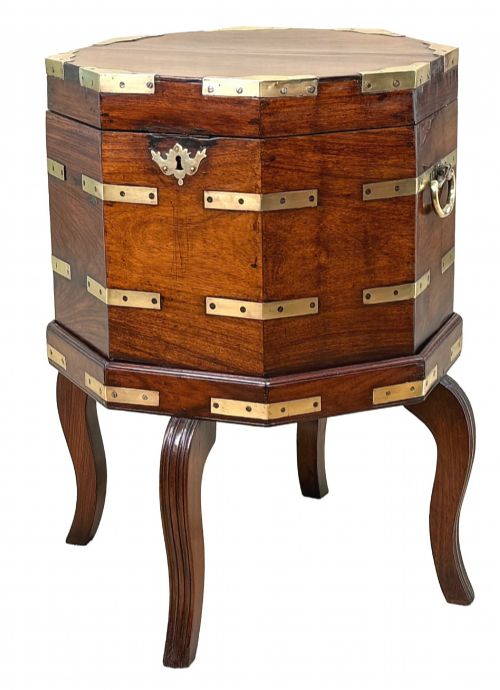
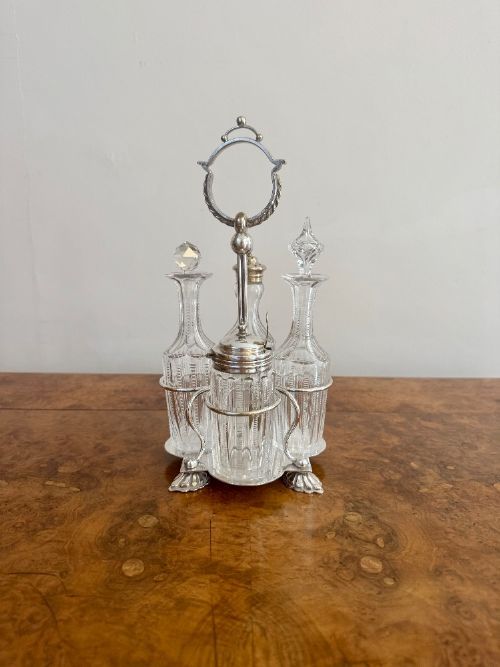
The most frequent forms on this page include oak and silver-plated three-bottle tantalus frames alongside Old Sheffield plate cruets. These pieces range from simple wooden frames to marquetry-strung cabinets and side table adaptations holding cut crystal.
Earlier Georgian mahogany and treen four-bottle holders appear alongside Edinburgh crystal thistle decanter sets on silver-plated stands. Each configuration reflects the social dining habits of its period, from locked nineteenth-century spirits cases to open serving trays.
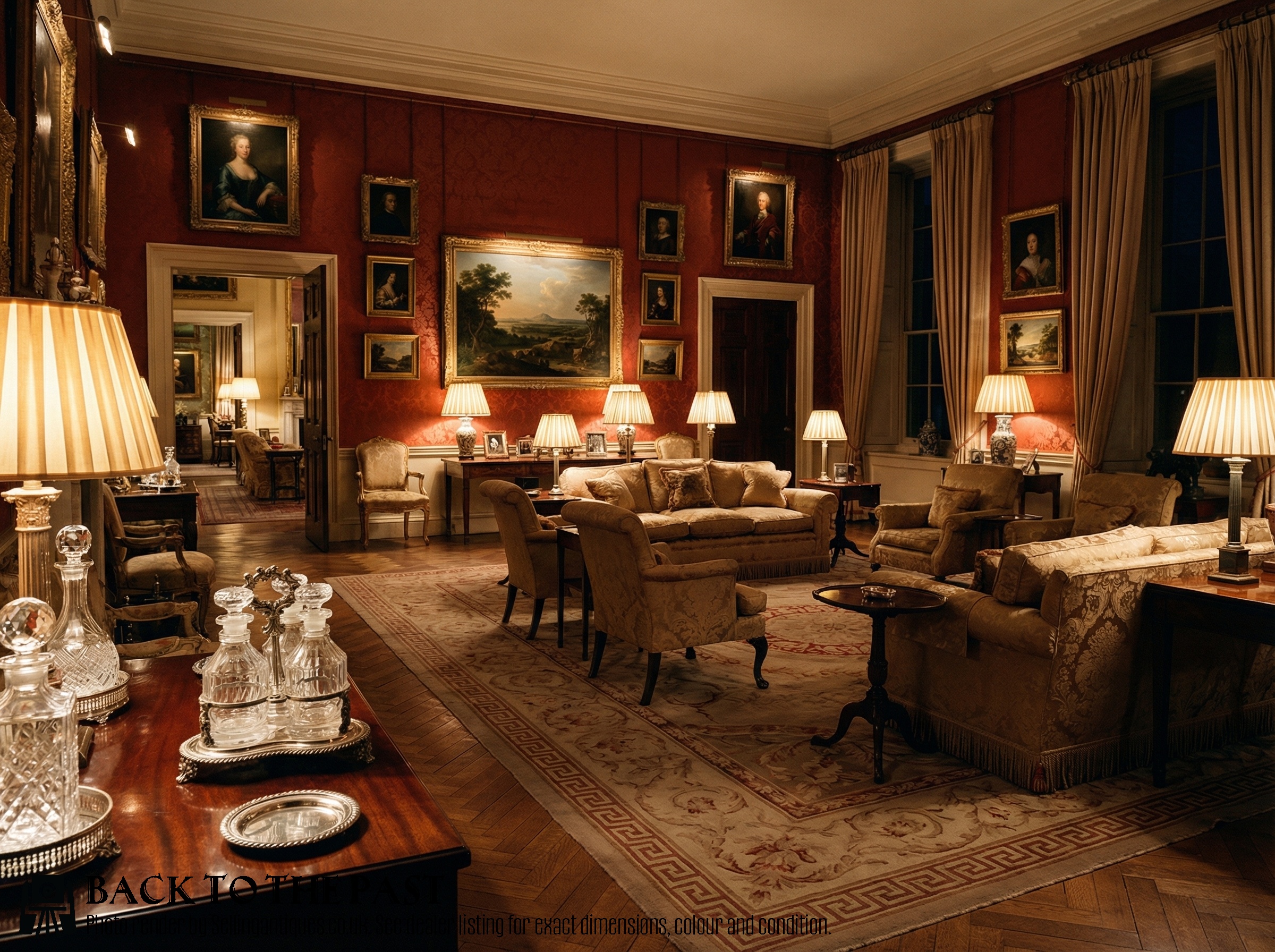
Materials and construction
Maker construction combines solid oak and mahogany framework with silver plating, Old Sheffield plate, or brass fittings. Timber bodies frequently feature marquetry stringing or barrel-stave shaping to enclose or support glass vessels.
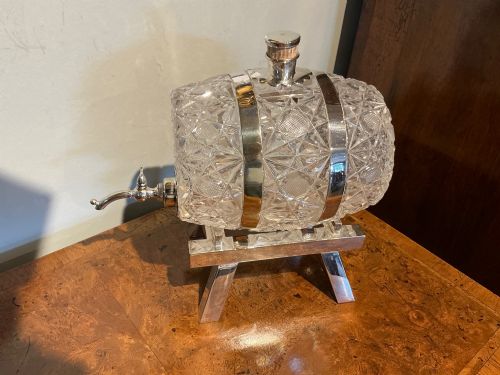
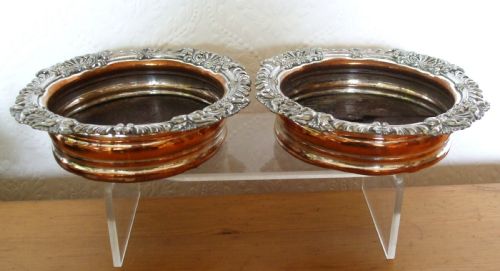
Vessels utilise cut glass and cut crystal, incorporating patterns such as thistle motifs alongside plain blown profiles. Metal components rely on traditional plating techniques over base metals, complemented by glass mirror inserts on coaster bases.
Retail Price Guide 2026
Typical UK retail prices for decanter stand, calculated from the Sellingantiques database of over a million retail prices indexed since 2003. This retail price guide relies exclusively on Sellingantiques data; no external sources or auction records are used, so the figures do not describe the wider market.
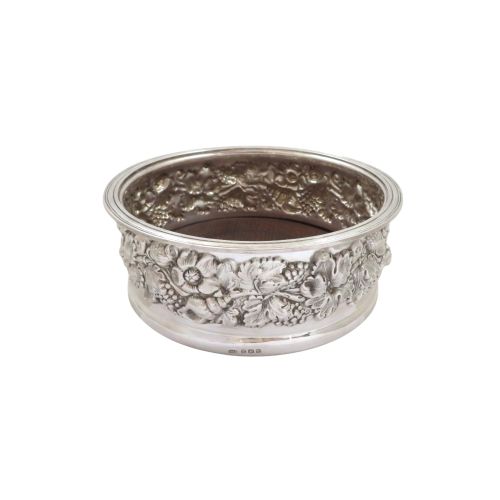
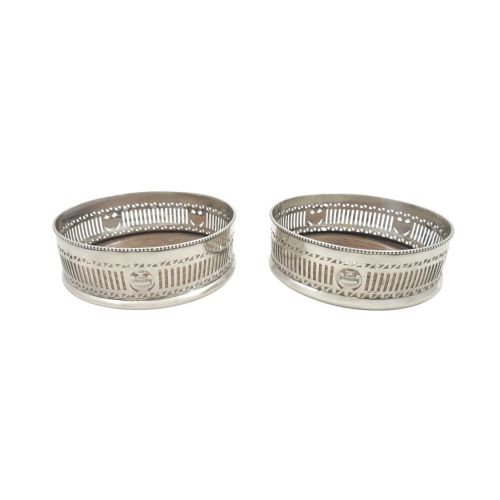
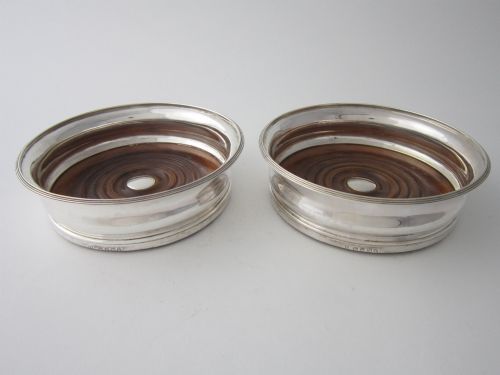
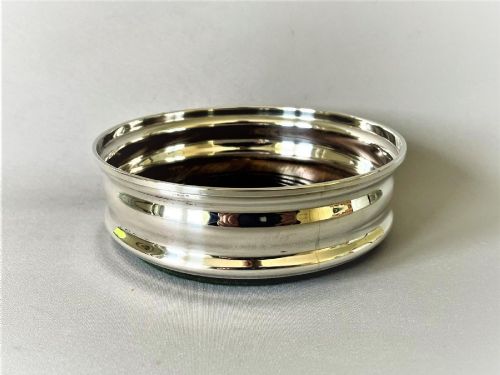
Bottle configurations on this site range from single coasters to triple tantalus sets and four-bottle treen holders.
Distinctions in craftsmanship
Quality separates through the integrity of the timber framing, the precision of marquetry stringing, and the weight of the silver plating or Sheffield plate. Superior pieces integrate locking mechanisms that operate smoothly alongside original, matching cut crystal decanters.
The distinction between standard production and exceptional work lies in the depth of glass cutting and the presence of original components. Maker attribution and substantial mountings elevate the standing of a piece within its period.
Mappin & Webb
The Antique Decanter Stand Glossary
- Tantalus
- A locking frame that displays spirits bottles while preventing access without a key. The mechanism engages handles or stoppers to secure the decanters inside the stand.
- Sheffield Plate
- A fused layer of silver over a copper base created before modern electroplating methods. This technique produces a characteristic warm glow where underlying copper occasionally shows through wear.
- Treen
- Small domestic wooden objects turned or carved by hand. These items display the natural grain of the wood without extensive applied decoration.
- Cruet
- A small stand carrying bottles or cruets for condiments or wine. These pieces are typically formed in silver plate or metal for table service.
- Marquetry
- Inlaid wood patterns applied to furniture surfaces. Contrasting veneers create decorative geometric or floral motifs across the oak or mahogany body.
Frequently Asked Questions
What is a tantalus?
A tantalus is a locking wooden or metal frame that holds spirit decanters securely. It allows guests to view the contents while restricting access.
The mechanism engages the bottle stoppers or necks when locked, requiring a key to release the vessels for pouring.
How do I date an oak decanter stand?
Dating relies on timber selection, construction methods, and hardware styles. Victorian and Edwardian examples often feature heavy oak frames combined with silver plating.
Earlier eighteenth-century pieces tend to use mahogany or treen with simpler, unplated joinery and different bottle profiles.
Are the glass decanters original?
Many stands retain their original cut crystal or cut glass bottles, shaped specifically to fit the frame compartments. Matching sets usually display identical glass weight and matching star-cut bases.
Replacements occur frequently due to breakage over decades of use, so matching collars and stoppers indicate period integrity.
How were these stands used?
Hosts placed these stands on dining tables or sideboards during and after meals to serve wine and spirits. Locking versions kept expensive imported liquors secure from household staff.
Open stands provided immediate access to multiple wine bottles and cordials during formal dinner parties.