



Antique Tantalus Set
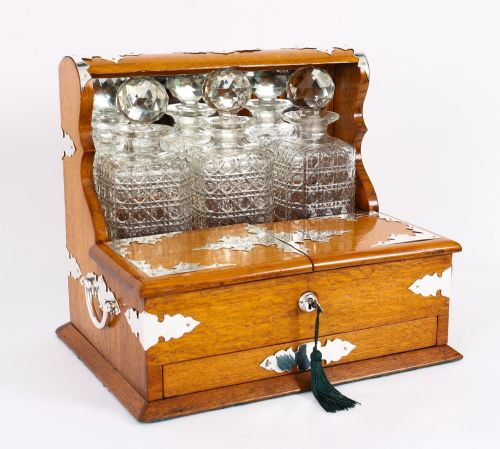
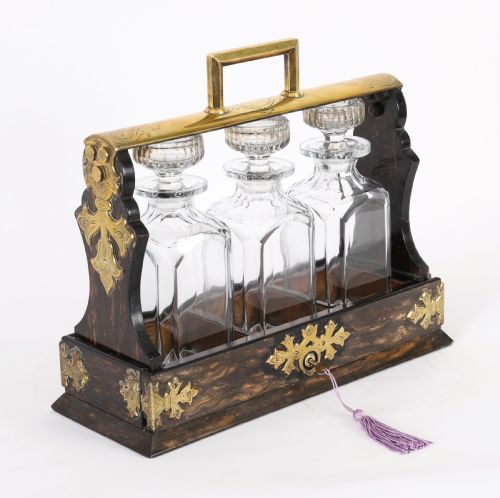
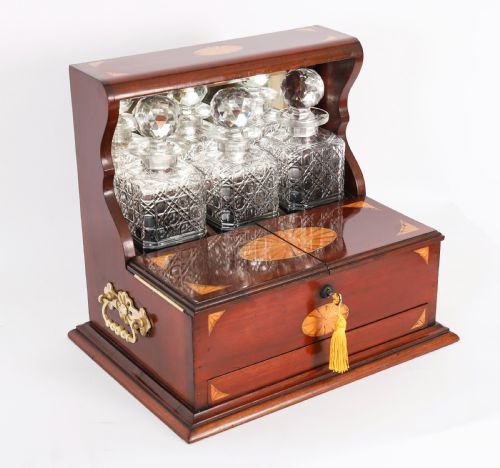
An antique tantalus set is a locking drinks cabinet designed to secure expensive spirits from thirsty servants, housing cut crystal decanters within oak, mahogany or coromandel frames.
Antique Tantalus Set
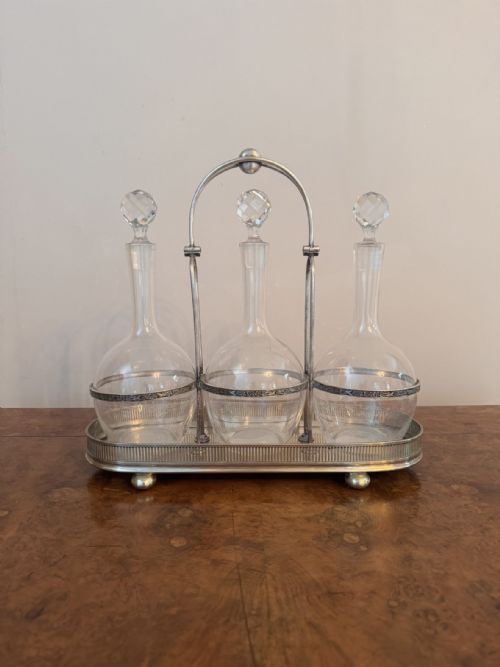
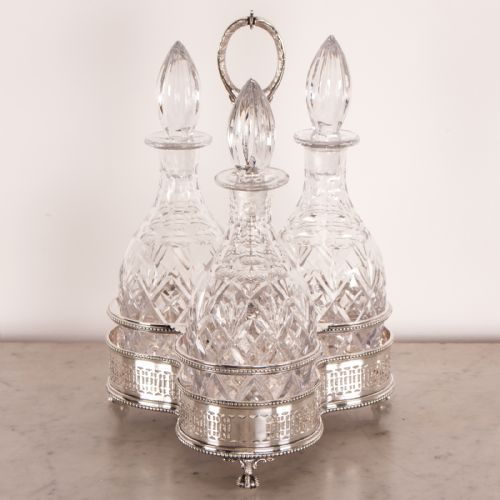
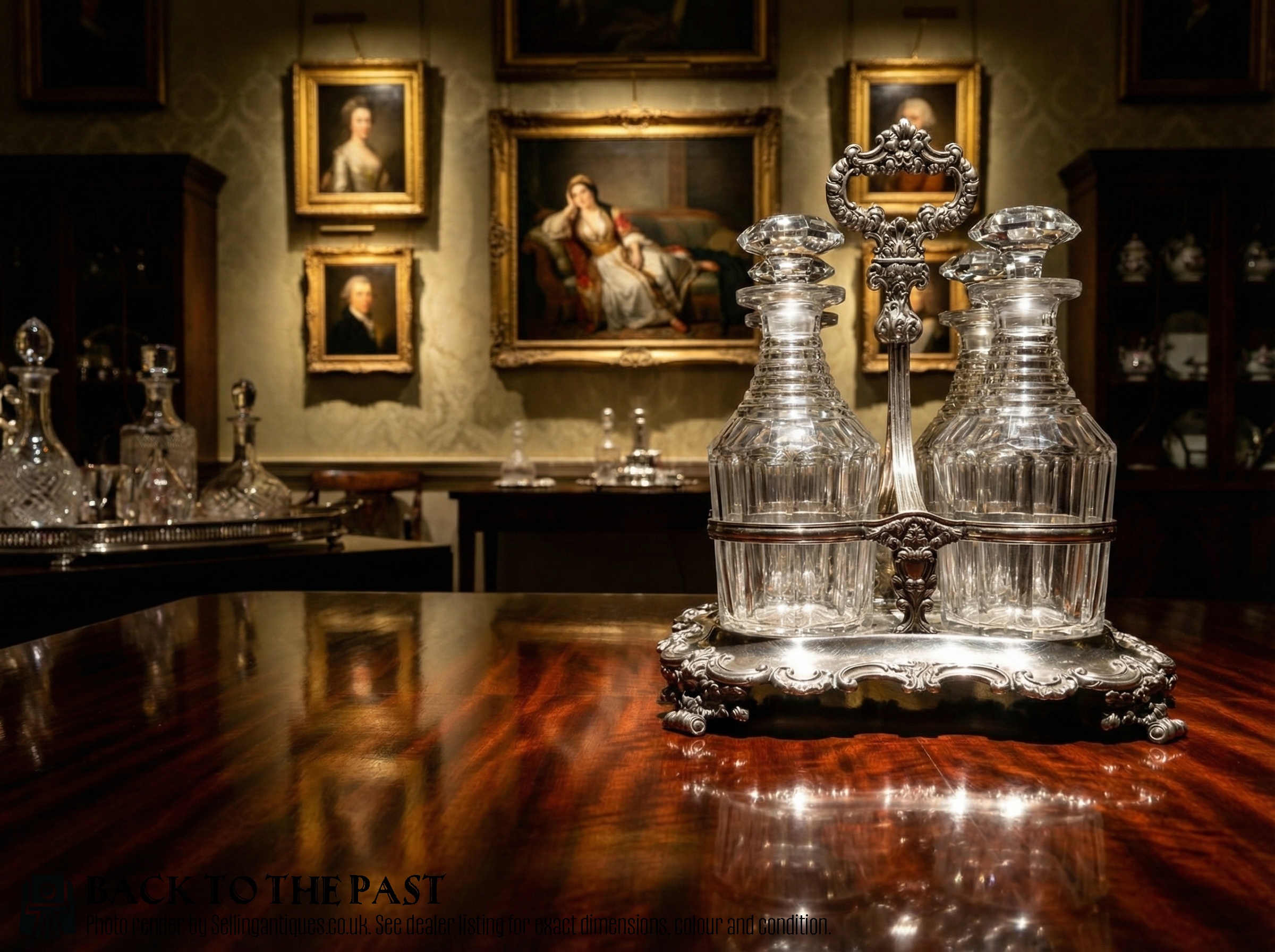
An antique tantalus set is primarily found in Victorian and Edwardian iterations, spanning from the mid-nineteenth century through to the early twentieth century. These pieces function as locking decanter stands, barware containers, or elaborate dry bar and games compendiums housing multiple bottles.
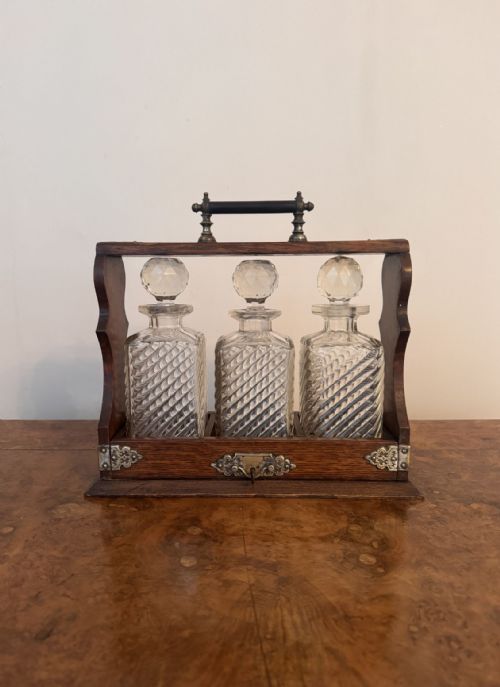
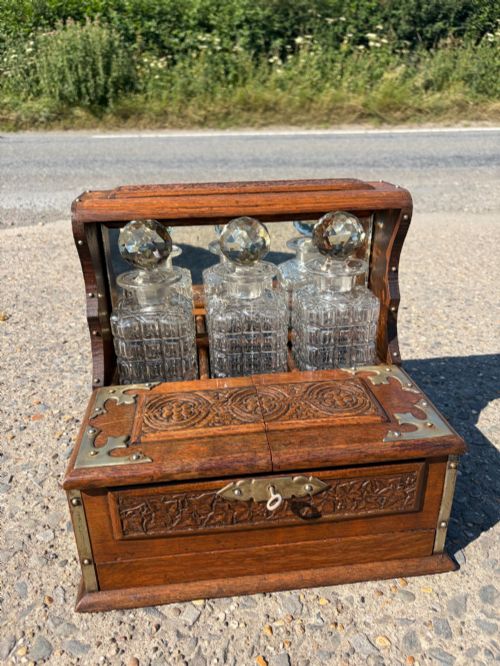
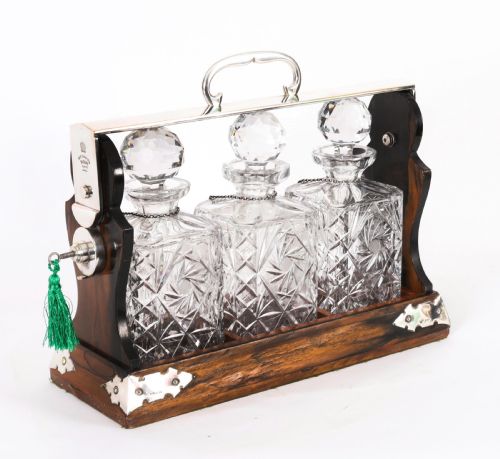
The most common form encountered on this page is the three-bottle oak or mahogany framework fitted with a silver-plated locking bar and cut crystal decanters. French variants, often titled cave a liqueur, frequently utilise exotic timbers, ormolu mounts and Baccarat crystal within hinged box enclosures rather than open locking bars.
How They Were Made
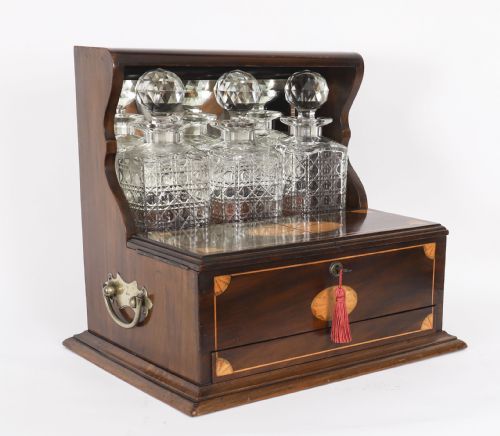
Cabinetmakers constructed the frames using durable hardwoods including oak, walnut, mahogany, coromandel and satinwood, frequently embellishing the surfaces with brass mounts, marquetry stringing or inlaid details. The locking mechanisms rely on engineered metal bars that secure the stoppers of the decanters in place when a key is turned.
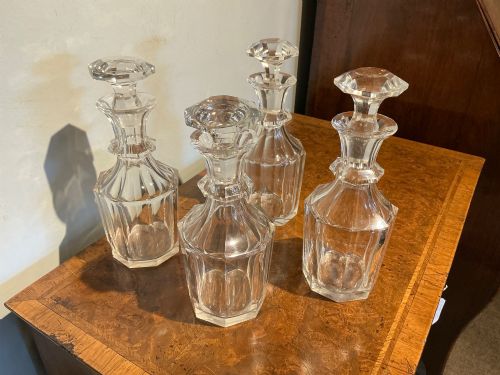
The accompanying vessels are formed from heavy cut crystal, cut glass, frosted glass or cranberry glass, paired with silver plate, Old Sheffield plate or bronze hardware. Many examples incorporate specialised compartments lined for cards and gaming pieces beneath or beside the bottle storage.
Antique Tantalus Set Retail Price Guide 2026
Typical asking prices for tantalus set among the pieces listed under this phrase on Sellingantiques today, from the lower quarter to the upper quarter. They describe what is for sale here now, not the wider market.
Listings feature oak, mahogany and coromandel frames fitted with cut crystal decanters and silver-plated hardware.
What Varies In Quality
The distinction between standard production and superior examples rests upon the choice of cabinet timbers and the complexity of the internal fittings. Dense figured coromandel, intricate marquetry inlay and comprehensive games compendium drawers elevate an ordinary drinks stand into a luxury piece.
Crystalline clarity, deep hand-cut facets on the decanters and heavy silver plating or solid hallmarked silver mounts indicate superior workshop output. The precision of the locking mechanism and the original matching status of all decanters further govern the desirability of the set.
Walker And Hall·Betjemann·Elkington
The Antique Tantalus Set Glossary
- Cave a liqueur
- A French locking liquor box or tantalus, typically lined with fitted compartments for glassware and bottles. These containers often feature ormolu mounts and fine crystal.
- Compendium
- A multi-functional box or cabinet combining a tantalus with games equipment such as playing cards and dice. They represent comprehensive Victorian entertaining furniture.
- Silver plate
- A layer of silver bonded to a base metal, commonly utilised for the handles, locking bars and mounts of late nineteenth-century barware. It provides the appearance of solid silver without the prohibitive cost.
- Cut crystal
- High-clarity glass containing lead oxide, shaped with deep geometric facets that refract light. This heavy material characterises the better decanters found in these sets.
Antique Tantalus Set: Frequently Asked Questions
What is an antique tantalus set?
An antique tantalus set is a lockable drinks holder designed to keep expensive wines and spirits safe from household staff. The clever mechanism locks the decanter stoppers in place so the bottles cannot be removed without the key.
Most surviving examples date from the Victorian and Edwardian eras, housed in wooden frames made of oak or mahogany. They remain decorative and functional additions to a modern dining room or study.
How do you open a tantalus?
Opening a tantalus requires the original key to unlock the metal security bar at the side or top of the frame. Once the lock is turned, the hinged bar lifts or slides away, releasing the necks of the decanters.
Without the key, opening the mechanism safely requires a specialist locksmith, as forcing the brass or plated bar damages the surrounding wood and metalwork.
What is a cave a liqueur?
A cave a liqueur is the French equivalent of an English tantalus, usually taking the form of a portable wooden box rather than an open stand. Inside, gilded frames hold several matching liqueur glasses and decanters securely.
These French boxes frequently feature exotic veneers like coromandel or walnut, embellished with ormolu mounts and fine Baccarat crystal bottles.
Are the decanters always original?
Finding a set with all its original matching decanters is a primary concern for collectors, as bottles were easily broken over decades of use. Replacements are common, so inspecting the cut glass patterns and neck sizes carefully helps confirm originality.
Even with mismatched or later replacement bottles, a quality oak frame and working silver-plated mechanism retain significant decorative appeal.