

Silver Serving Platter
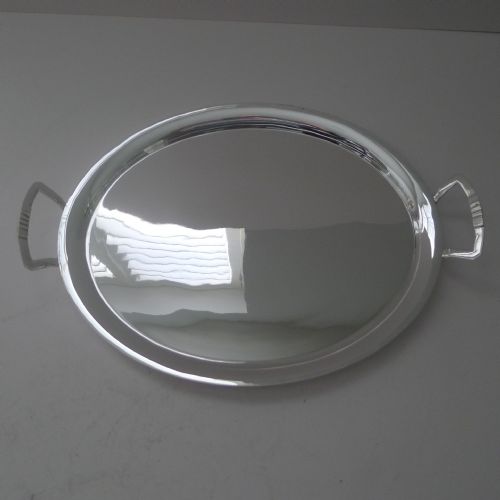
A silver serving platter organises hospitality with weight and gleam, spanning substantial Victorian centrepieces and sleek Art Deco cocktail trays.
Silver Serving Platter
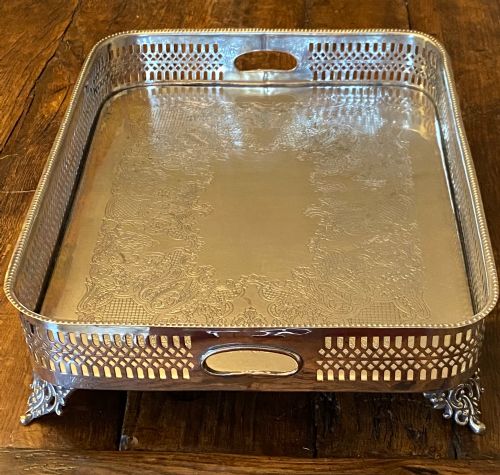
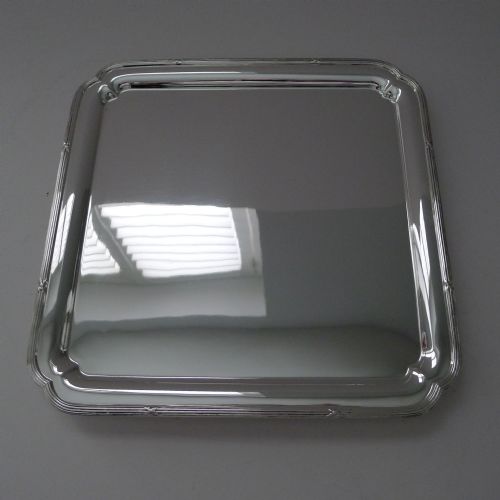
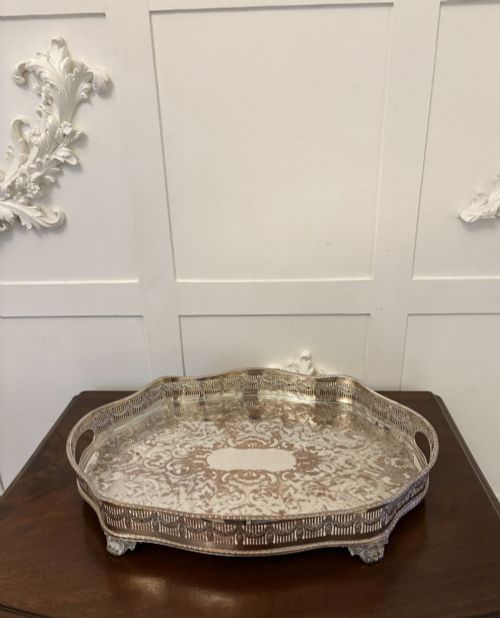
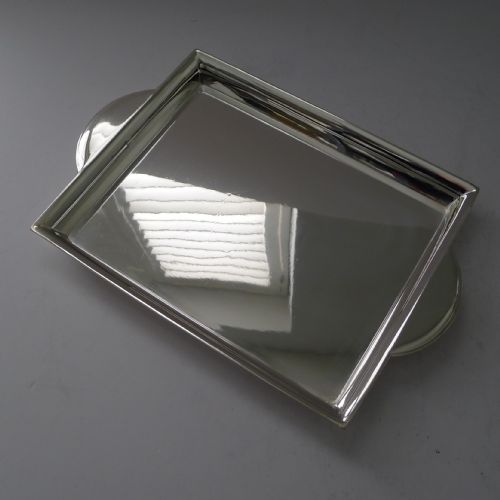
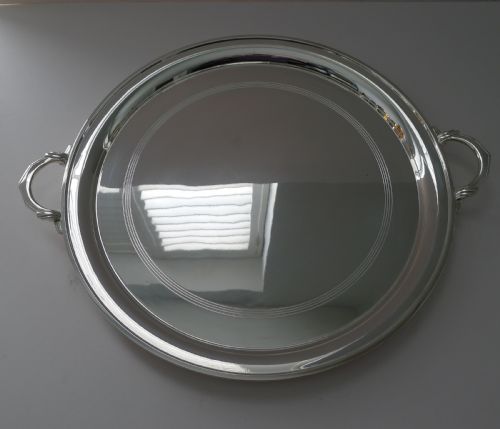
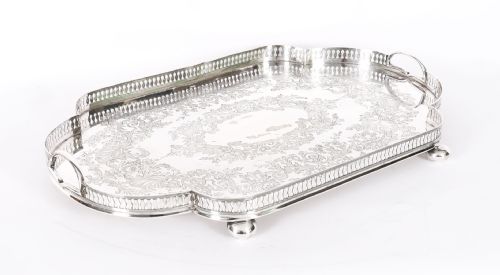
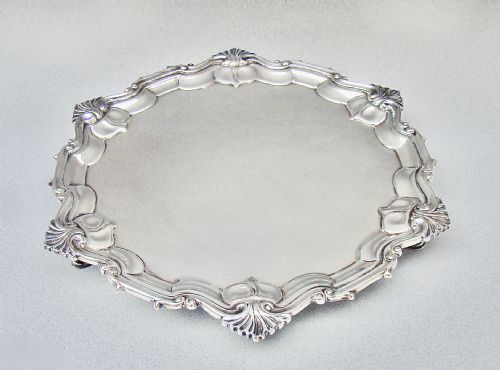
A silver serving platter encompasses large salvers, gallery trays, and meat dishes designed for presentation and table service across formal dining rooms and drawing rooms. When searching for a silver serving platter, buyers frequently encounter Edwardian and Victorian iterations alongside earlier Georgian examples and mid-century designs.
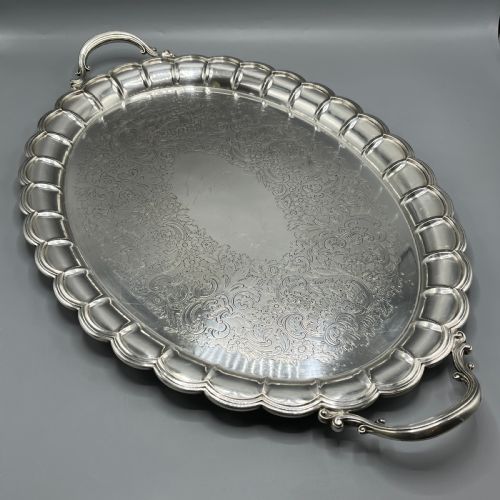
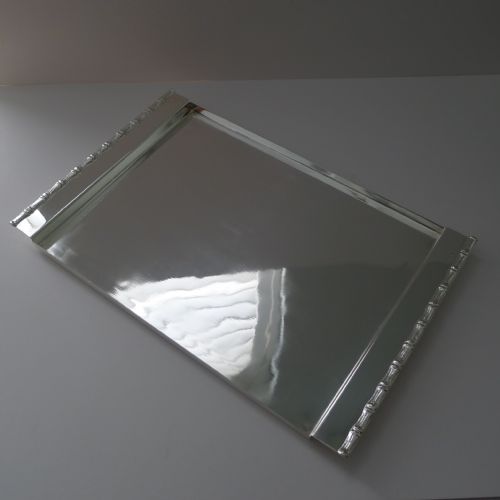
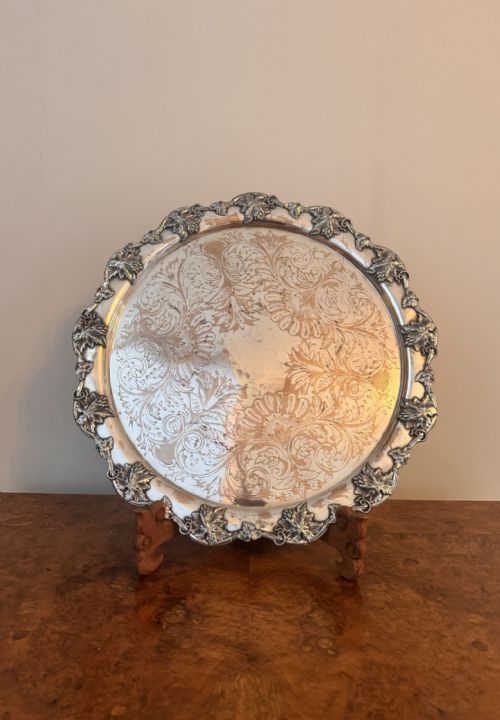
The domestic utility of these objects evolved from heavy roast meat platters and domestic dinner plates in the eighteenth century to refined tea trays, salvers, and cocktail servers by the twentieth century. Surfaces often feature elaborate floral engraving, grape borders, or pierced galleries, whilst others rely on clean modernist lines.
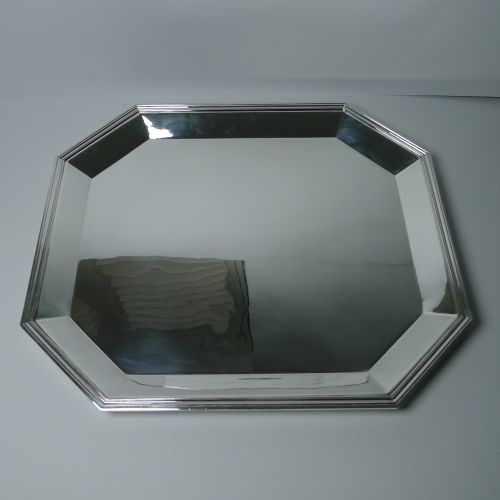
Originating predominantly from British workshops, continental makers, and French silver houses, these pieces reflect shifting dining rituals through variations in form, from octagonal chargers to extended serving dish stands.
Materials and construction
Traditional examples rely on sterling silver or substantial Old Sheffield Plate, where a thin layer of silver is fused to a copper base, visible only where wear reveals the warm metal beneath. Victorian and Edwardian production frequently employed electroplated nickel silver (EPNS) and silver plate over base metals, providing durable reflective surfaces for domestic service.
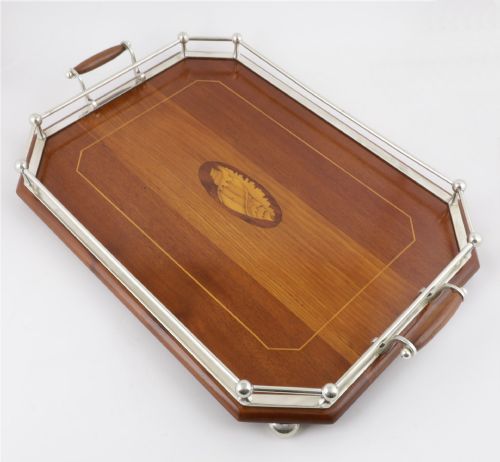
Specialised manufacturing methods combined heavy base stamping with applied cast borders, handles, and gallery rails soldered to the central tray. Details such as shell inlays, wood inserts, and cut glass mirror bases further augmented the construction of specialised drinks and presentation trays.
Silver Serving Platter Retail Price Guide 2026
Typical asking prices for silver serving platter among the pieces listed under this phrase on Sellingantiques today, from the lower quarter to the upper quarter. They describe what is for sale here now, not the wider market.
Listings feature diverse forms including cocktail trays, meat domes, entree dishes, and gallery trays spanning the eighteenth to mid-twentieth centuries.
Assessing quality and execution
Quality rests in the crispness of chased and engraved surface decoration, the weight of the metal base, and the structural integrity of applied borders and handles. Superior pieces maintain even silver plating across high-relief motifs like grapevines and floral scrolls without exposing the underlying base metal.
Maker attribution and the precision of gallery assembly distinguish exceptional workshop output from standard commercial production. Balanced proportions, sturdy feet, and securely integrated wooden or mirrored bases elevate domestic utility to high craftsmanship.
Keith Murray For Mappin & Webb·James Deakin·William Hutton & Sons·Christofle·Thomas Bradbury & Sons·John Harrison·Henry Wilkinson·Matthew Boulton·Robert Breading·Harrison Bros·Rogers Bros·Elkington·Goldsmith's & Silversmith's Company
The Silver Serving Platter Glossary
- Salver
- A flat tray, typically with feet, used for serving drinks or presenting items. They generally feature circular or shaped edges with decorative engraving.
- Gallery tray
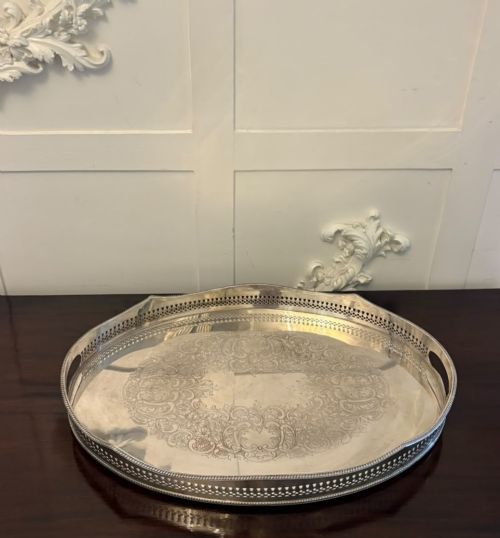
- A tray featuring a pierced or solid upright metal railing around its perimeter. This raised border prevented decanters and glasses from sliding during transit.
- Old Sheffield Plate
- An early composite material made by fusing a thin sheet of sterling silver to a thick copper core. This technique predates modern electroplating methods.
- EPNS
- Electroplated Nickel Silver. A base alloy of copper, nickel, and zinc coated with a layer of pure silver through an electrical process.
- Meat dome
- A heavy domed cover placed over a platter to keep roasted meats warm at the table. These often accompanied matching platters in substantial dining services.
Silver Serving Platter: Frequently Asked Questions
What is the difference between a salver and a tray?
A salver typically describes a formal, footed tray traditionally used for carrying letters, calling cards, or small vessels in domestic settings.
Trays generally denote flat or handled vessels intended for transporting larger collections of tea ware, decanters, or dining courses.
How do I care for silver plated serving items?
Regular maintenance involves washing the surface in warm soapy water using a soft cloth, followed by thorough drying to prevent water spots.
Avoid abrasive cleaners that wear away the thin silver layer, particularly on nineteenth-century plated items where the base metal might show.
Can I use antique silver platters for food?
Most antique silver and silver-plated platters are suitable for serving dry foods, cheeses, or cold items during meals.
Acidic foods should not be left on silver-plated surfaces for extended periods to prevent tarnishing and chemical interaction with the plating.
How do I identify Old Sheffield Plate?
Old Sheffield Plate can often be identified by examining the edges where tiny lines of copper show through the worn silver surface.
Unlike electroplated items, this fused copper and silver material feels heavier and displays a distinctive warmth along high-friction areas.