


19th Century Silver Tray
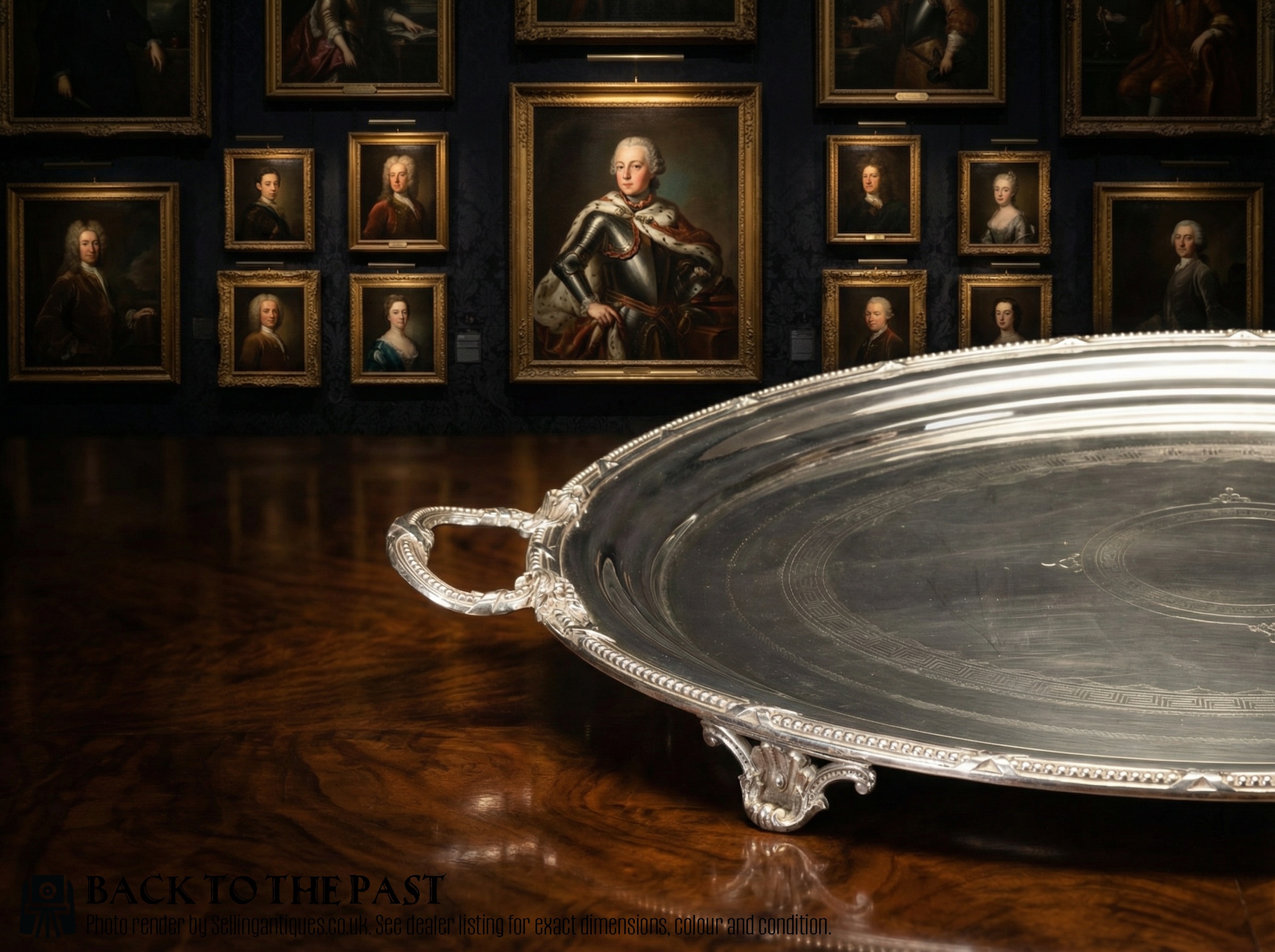
A 19th century silver tray brings weight and formal presence to a table, offering a solid surface designed for serving and display.
Understanding the 19th century silver tray
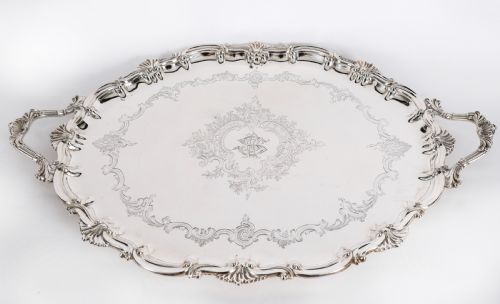
A 19th century silver tray encompasses diverse forms such as serving trays, salvers, gallery trays, and butler's trays originating from Victorian and 19th century European periods. These pieces serve functional roles in dining and hospitality while displaying the distinct design shifts of the era.
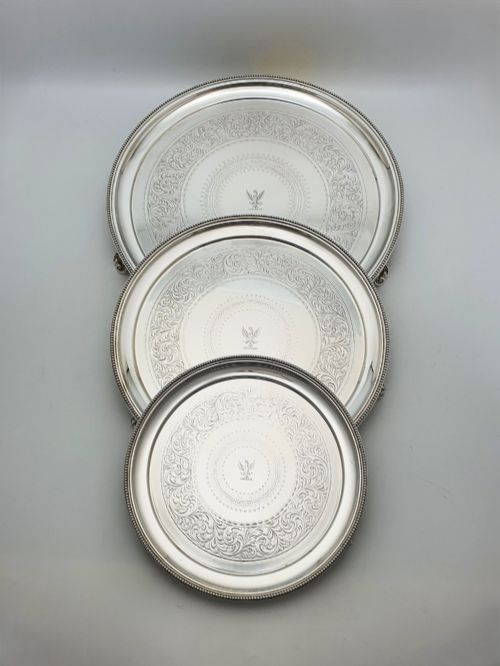
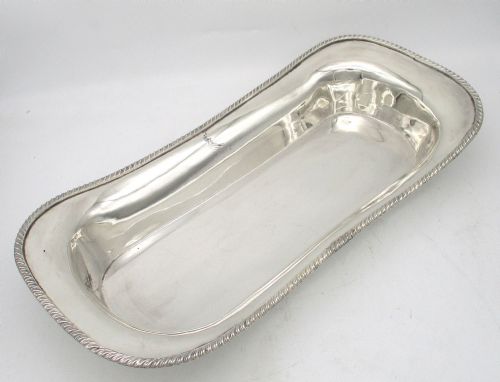
The typical examples encountered on this page are silver plated pieces from the Victorian era, particularly dating from the 1850s through to the 1880s. Alongside these, sterling silver variants and mixed materials like oak and silver plate appear in various shapes from oval to twin-handled and rectangular formats.
Materials and construction methods
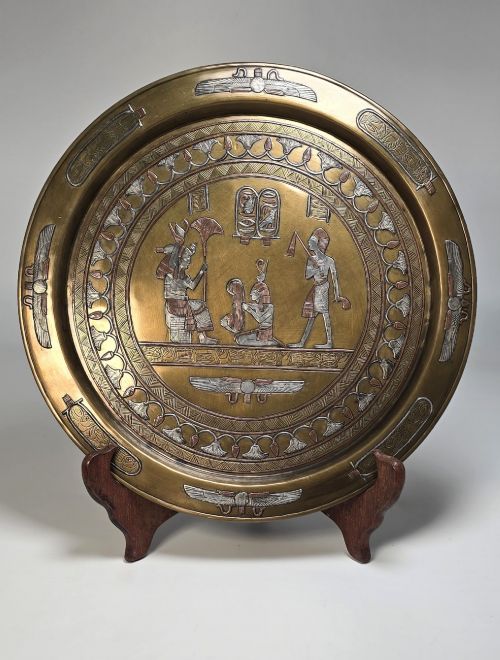
The objects recorded here utilise sterling silver and silver plate, sometimes combined with copper or oak bases. Makers applied silver plating techniques to base metals, creating durable surfaces that replicated the appearance of solid silver.
Decoration involves hand engraving, piercing to form galleries, and cast elements such as coats of arms, inscriptions, or crests. Handles and raised rims are securely attached to the main body to support heavy service use.
Retail Price Guide 2026
Typical UK retail prices for 19th century silver tray, calculated from the Sellingantiques database of over a million retail prices indexed since 2003. This retail price guide relies exclusively on Sellingantiques data; no external sources or auction records are used, so the figures do not describe the wider market.
Keep an eye out for unexpected wildlife cameos: at least one tray records a remarkably detailed racoon crest alongside standard heraldic lions.
Distinguishing quality and workmanship
Quality rests in the depth and crispness of engraved decoration, the structural integrity of pierced galleries, and the weight of the metal. Heavier gauge silver plate and solid sterling silver provide a more substantial feel in the hand.
The finesse of cast handles, applied crests, or personalised inscriptions separates standard production items from workshop pieces with individual artistic input. Maker attributions also influence the standing of a piece within the range.
Elkington·Peters Hamburg·Paul Storr·James Dixon·Mappin & Webb·Atkins Brothers·Manoah Rhodes
The 19th Century Silver Tray Glossary
- Salver
- A flat tray, typically with feet, used for serving drinks or presenting items. They frequently feature engraved surfaces.
- Gallery tray
- A tray featuring a pierced or solid raised vertical border around the edge, designed to keep items secure during transport.
- Silver plate
- A layer of silver bonded to a base metal such as copper or a white metal alloy. This technique allowed for the creation of substantial domestic items at a lower cost than solid silver.
- Sterling silver
- An alloy consisting of silver and other metals, usually copper, meeting a specific fineness standard. It represents solid precious metal construction throughout the object.
- Coat of arms
- A formal heraldic design engraved or cast onto the surface of a tray. These markings denote ownership by a specific family or institution.
Frequently Asked Questions
What is the difference between a salver and a tray?
A salver generally denotes a flat plate or tray supported on small feet, traditionally used for presenting letters, calling cards, or glasses.
Trays often lack feet and include handles or gallery rails designed for carrying heavier loads across a room.
How do I care for a silver plated tray?
Clean silver plated items using a dedicated silver polish applied with a soft cloth to remove tarnish without abrading the thin silver layer.
Avoid harsh chemical dips and store the tray in a dry environment to slow the natural oxidation process.
Can I use a Victorian tray for daily serving?
Many of these trays are robustly constructed from silver plate over sturdy base metals and remain entirely functional for serving drinks and food.
Care should be taken with engraved or sterling silver pieces to protect the historical surface from excessive wear.
What does a gallery rail do?
The gallery rail is an upright pierced or solid border attached to the perimeter of the tray.
Its primary function is to prevent decanters, glasses, and tea services from sliding off the edge during movement.