

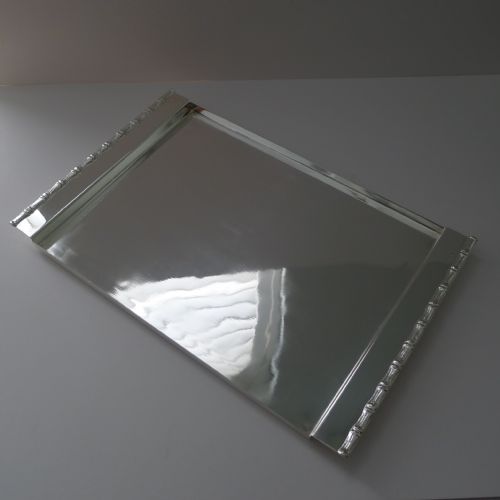
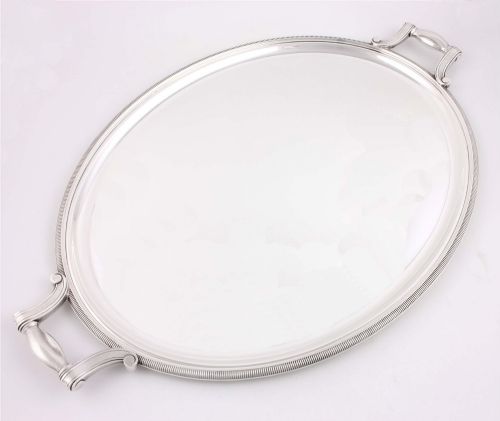
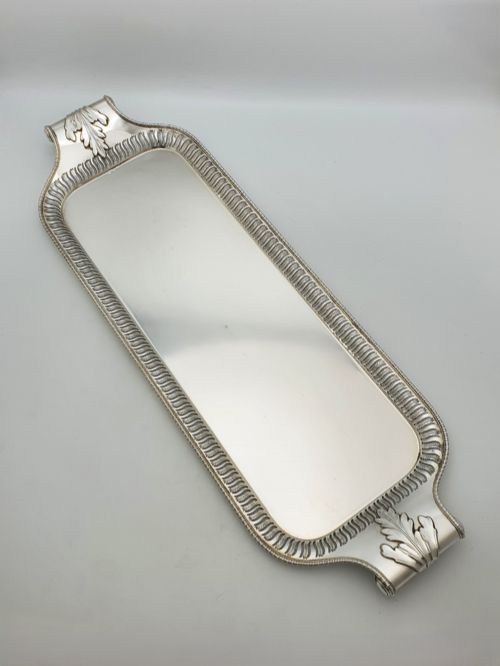

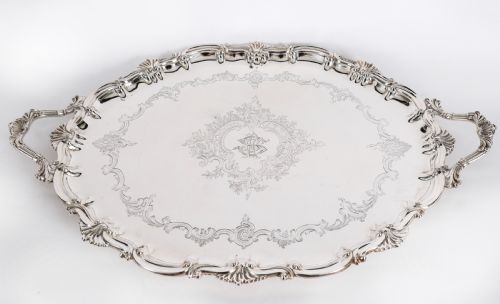
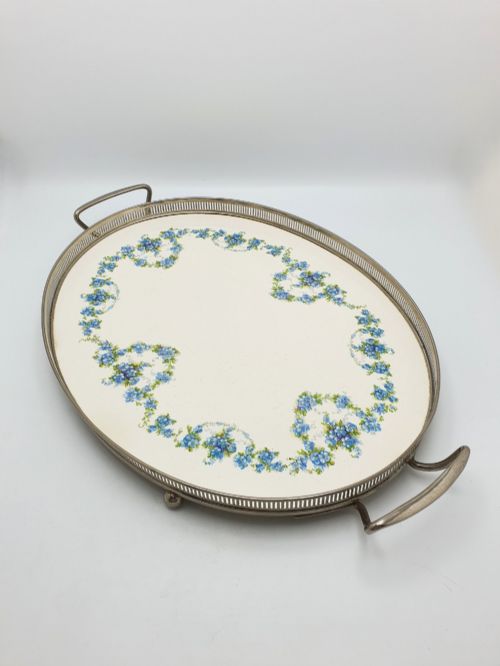
Handled Silver Tray
When you search for a handled silver tray, you are looking at substantial vessels designed for serving drinks or displaying afternoon tea.
Handled Silver Tray
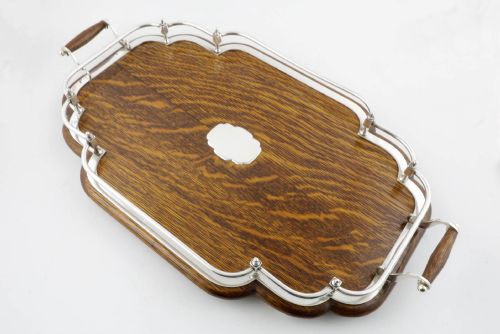
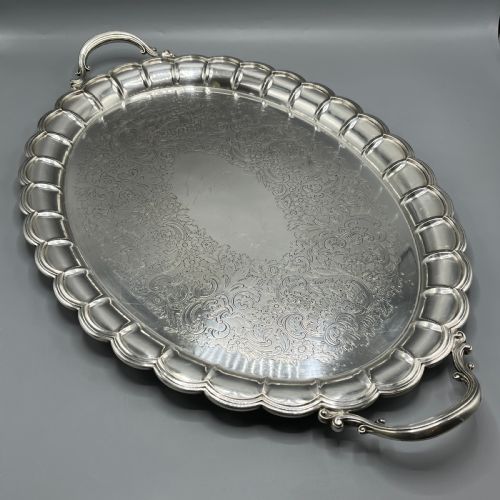
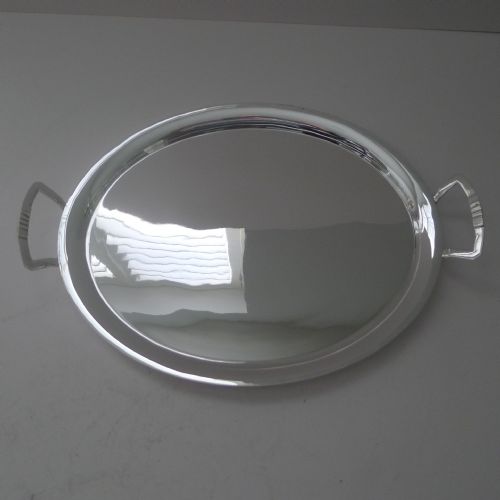
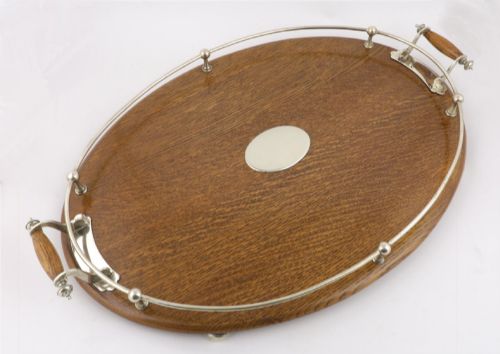
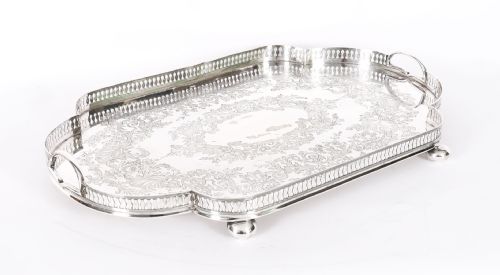
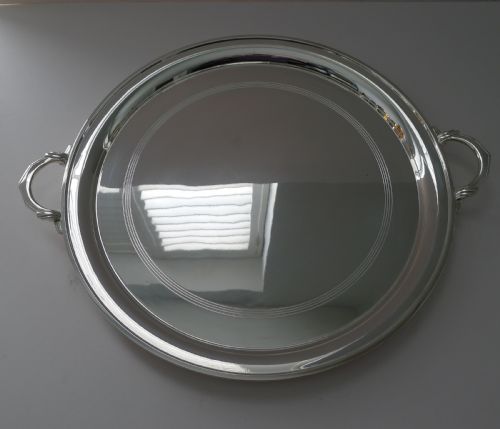
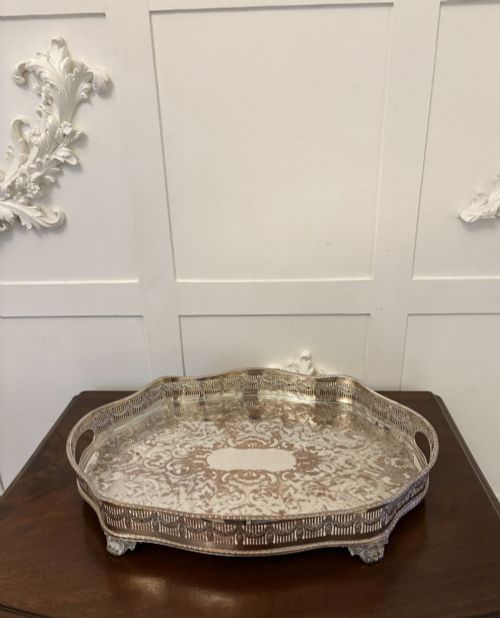
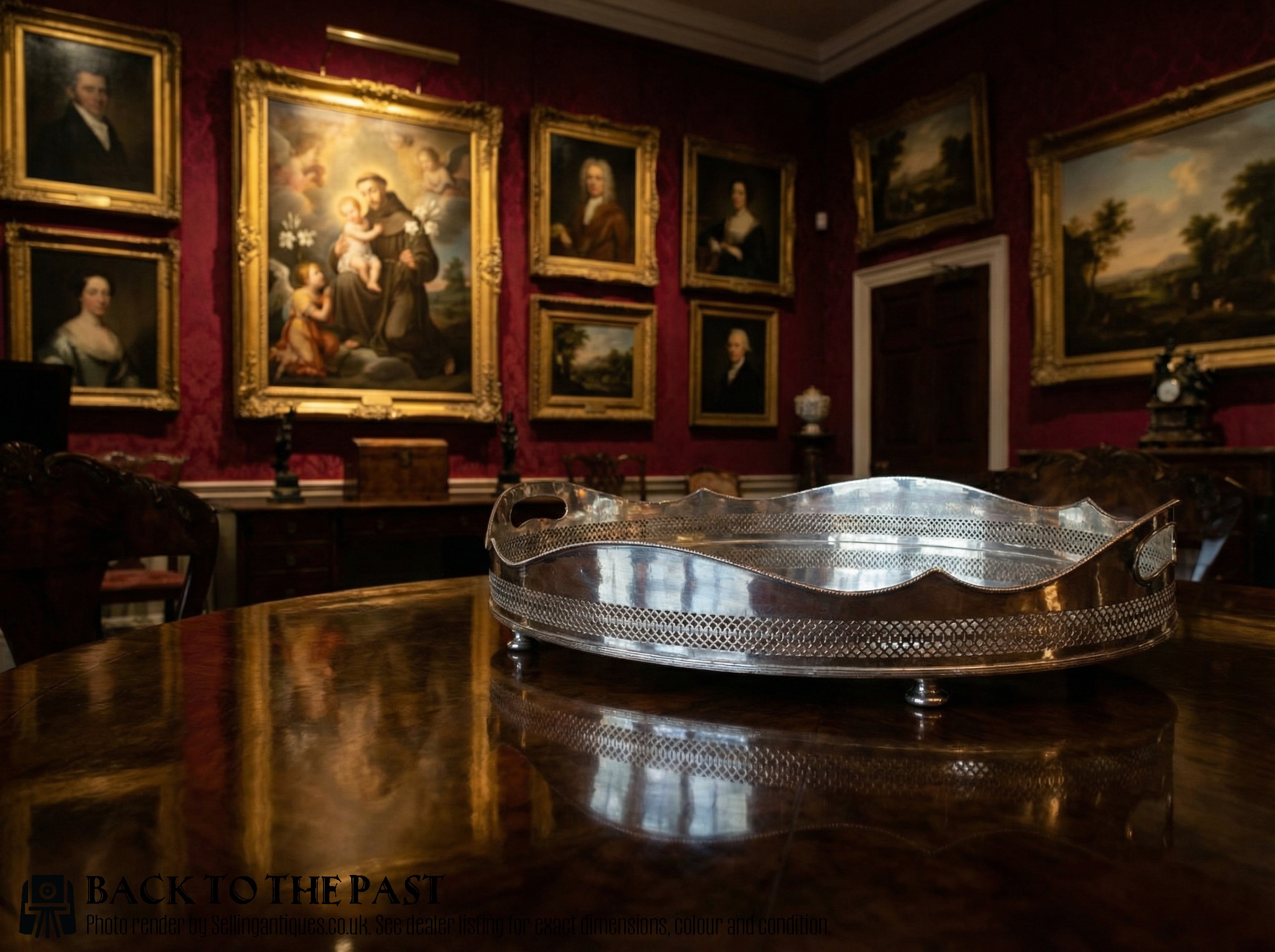
When buyers search for a handled silver tray, they encounter serving pieces spanning the Victorian, Edwardian, and Art Deco periods, alongside mid-century interpretations. These objects appear in various forms, including cocktail trays, gallery trays with pierced borders, and large presentation surfaces.
The most common versions on this page are silver plated Edwardian and Victorian designs featuring integrated handles and engraved surfaces. English makers dominate the listings, though French and continental examples also appear.
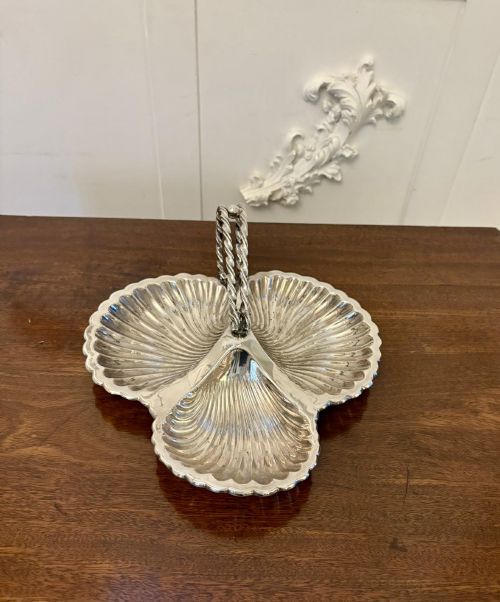
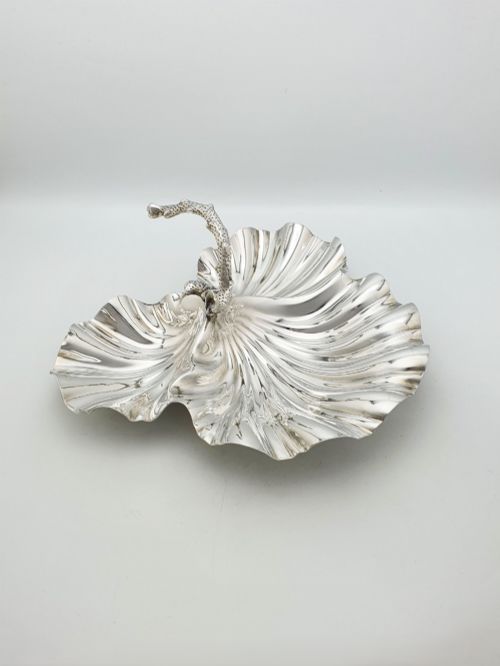
Forms extend beyond simple serving dishes to encompass side table conversions, warming dishes, and drinks trays intended for the drawing room or sideboard. These pieces combine utility with decorative metalwork.
How they were made
Makers utilised sterling silver and silver plate over base metals such as nickel silver, copper, and electroplated nickel silver. Sheffield plating and EPNS techniques allowed manufacturers to produce durable surfaces with the appearance of solid silver.
Decorative elements involve cast borders, pierced galleries, and engraved floral or geometric motifs applied to the metal plate. Handles were cast separately and soldered or riveted to the main body of the tray.
Handled Silver Tray Retail Price Guide 2026
Typical asking prices for handled silver tray among the pieces listed under this phrase on Sellingantiques today, from the lower quarter to the upper quarter. They describe what is for sale here now, not the wider market.
Includes trays ready for midnight cocktails.
What varies in quality
Quality rests on the weight of the metal and the crispness of the engraving or cast border work. Substantial gauge metal prevents flexing when carrying heavy decanters or tea services.
The preservation of the silver plate layer dictates longevity, as heavier plating resists wear down to the base metal better than thinner applications. Maker attribution and restrained decorative detail further distinguish finer examples.
Keith Murray For Mappin & Webb·James Deakin·Christofle·Thomas Bradbury & Sons·John Hunt·Harrison Bros·Mappin & Webb·Ralph Lauren·Elkington & Co.·W. Gibson·Walker & Hall·Barnard·Harrison Brothers and Howson
The Handled Silver Tray Glossary
- Sterling silver
- A silver alloy containing 92.5 percent pure silver and 7.5 percent other metals, usually copper. This standard provides durability while maintaining a bright appearance.
- Silver plate
- A layer of pure silver fused or electroplated onto a base metal core such as copper or nickel silver. It offered an accessible alternative to solid silver.
- EPNS
- Electroplated Nickel Silver, a common base metal composition for plated wares from the nineteenth century onward. It forms a sturdy foundation for silver deposition.
- Gallery tray
- A tray featuring an upright pierced or solid metal border designed to prevent items from sliding off. These rims are often pierced with geometric or classical patterns.
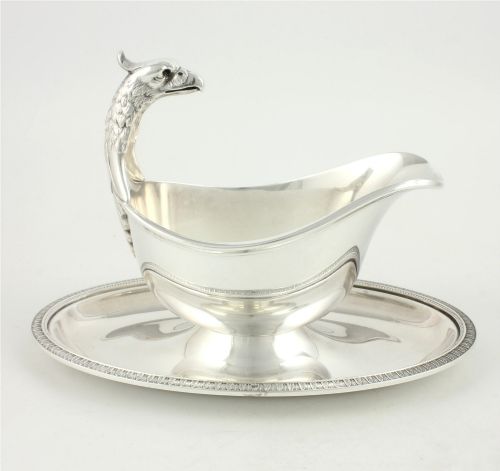
- Sauciere
- A French term for a sauce boat or gravy boat, sometimes found among related silver table service items. These vessels often include an attached undertray.
Handled Silver Tray: Frequently Asked Questions
What is a handled silver tray?
A handled silver tray is a serving vessel designed for carrying drinks, tea services, or decanters. These pieces feature integrated handles for secure transport.
They range from large Edwardian butler trays to compact Art Deco cocktail trays made from sterling silver or silver plate.
How do I clean a silver tray?
Cleaning requires a specialised silver polish and a soft cloth to remove tarnish without scratching the metal surface. Harsh abrasives should be avoided to protect silver plate.
Regular gentle dusting helps maintain the shine between deeper cleanings.
Can I use these trays daily?
These trays are suitable for everyday use in serving drinks or displaying objects around the home. Solid silver and thick silver plate withstand regular handling.
Care should be taken to protect the surface from acidic liquids and moisture accumulation.
How do I identify the period?
Period identification relies on maker marks, assay office stamps, and stylistic cues such as Art Deco geometric lines or Victorian naturalistic engraving. Design motifs often reflect the prevailing taste of their manufacturing decade.
Consulting accompanying hallmarks provides precise dates for sterling silver items.