



Epns Serving Tray
An epns serving tray brings the bright gleam of plated metal to the table, offering a durable and elegant surface for afternoon tea or evening cocktails.
Epns Serving Tray
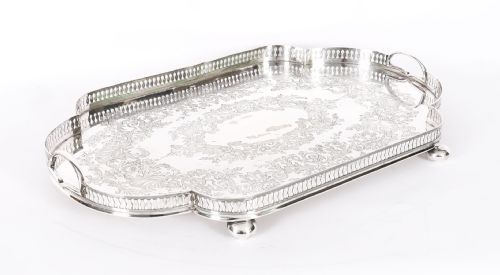
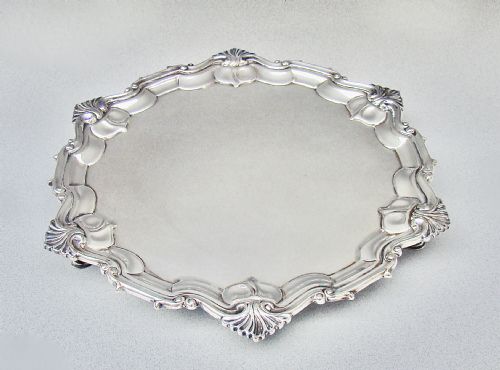
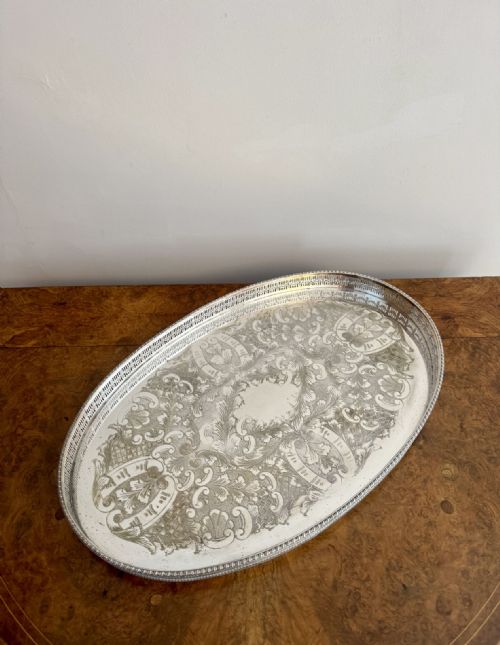
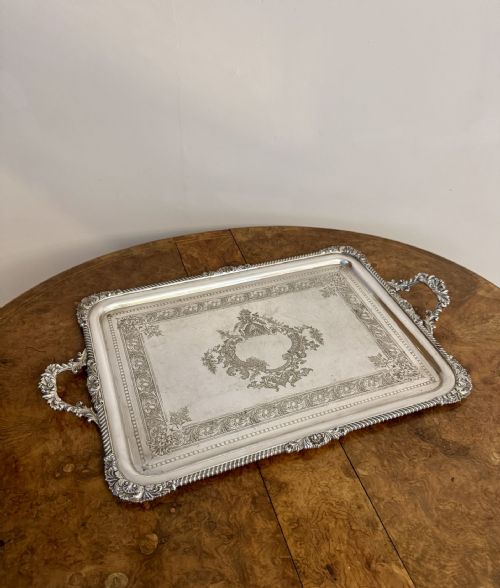
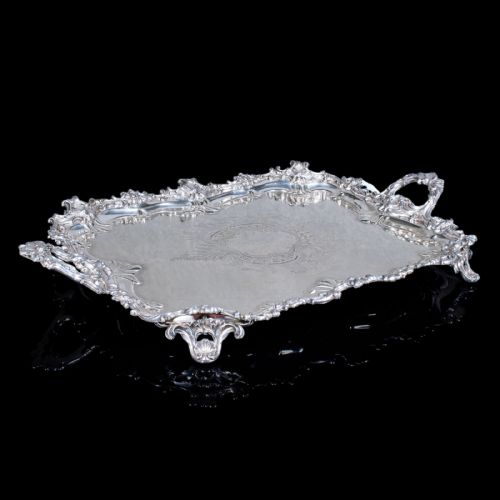
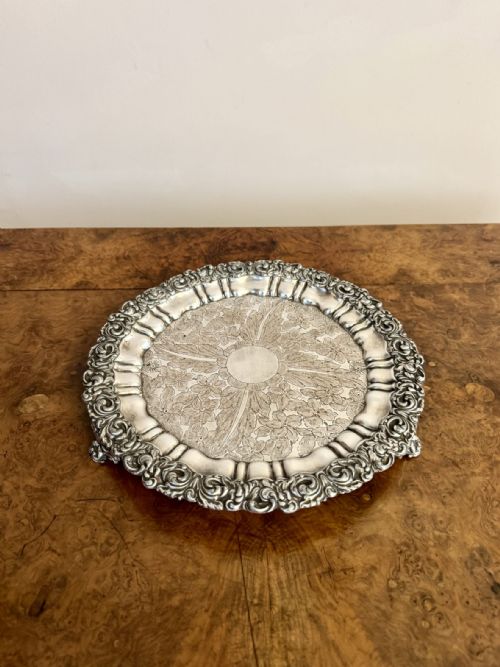
When you search for an epns serving tray, you are looking at metalware designed to carry tea services, drinks, or specific dishes. These domestic pieces appear in forms ranging from simple circular platters to large presentation surfaces with handles and galleries.
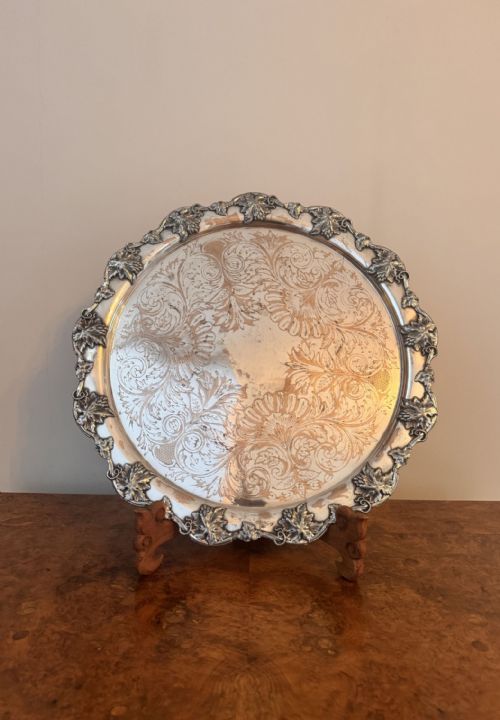
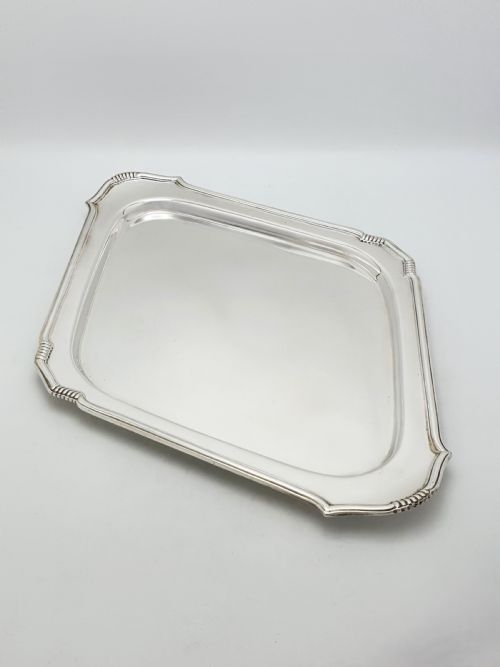
The versions most common on this page date from the Victorian, Edwardian, and Art Deco periods. They include plain surfaces, engraved tea trays, and geometric cocktail trays shaped during the 1920s and 1930s.
Makers produced these trays as practical items for daily hosting as well as formal presentation pieces. They bridge the gap between solid silver and everyday utility by using plated base metals.
How they were made
Makers utilised nickel silver as the base metal, applying a layer of silver over the surface through electroplating. This process, known as EPNS, created a strong foundation that imitated solid silver without the prohibitive weight and cost.
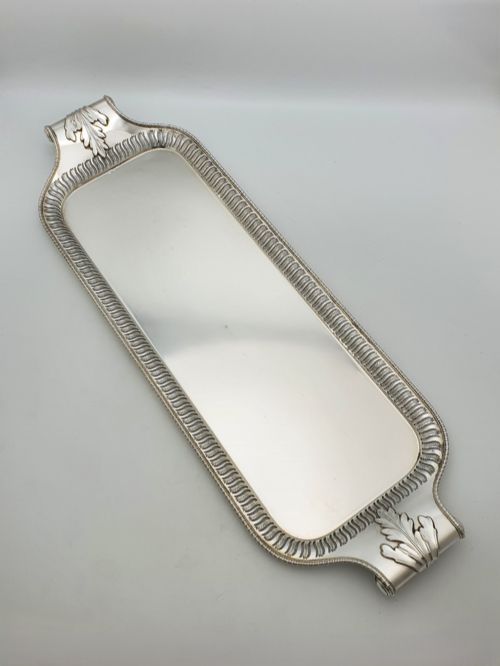
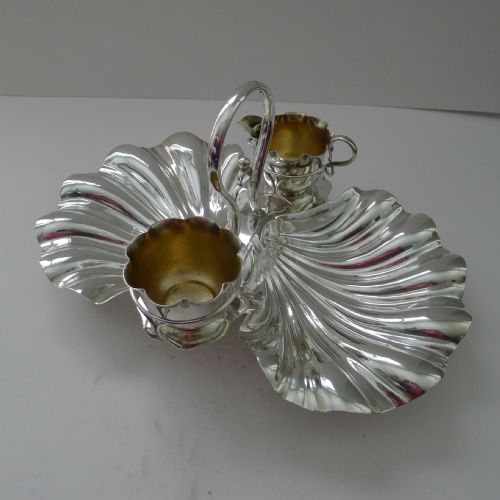
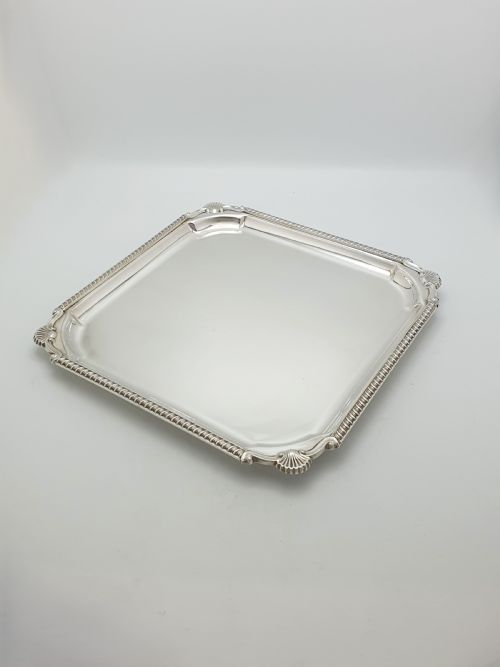
Workshops added decorative touches through hand engraving, floral motifs, or applied borders such as pierced galleries and shell designs. Some pieces also feature an internal gold wash to contrast with the bright silver-plated exterior.
Epns Serving Tray Retail Price Guide 2026
Typical asking prices for epns serving tray among the pieces listed under this phrase on Sellingantiques today, from the lower quarter to the upper quarter. They describe what is for sale here now, not the wider market.
Specialised forms recorded here include cocktail trays, asparagus dishes, strawberry sets, and traditional pierced gallery trays.
What varies in quality
The distinction between tiers of production often lies in the weight of the metal and the crispness of the chased or engraved detailing. A heavy base prevents warping and gives the tray a substantial feel in the hand.
Design complexity also separates standard items from finer works. Pierced galleries, reticulated borders, and custom maker hallmarks point to skilled workshop execution rather than mass production.
James Deakin·William Hutton & Sons·Daniel Arter·Walker & Hall·Mappin & Webb·Hukin & Heath·Atkin Brothers·John Collyer Birmingham·Lee & Wigfull·J.H. Potter
The Epns Serving Tray Glossary
- EPNS
- Electroplated Nickel Silver. This acronym denotes a base of nickel alloy coated with a thin layer of pure silver.
- Gallery tray
- A tray featuring an upright pierced or solid metal gallery around its perimeter to secure items.
- Salver
- A flat serving tray, traditionally circular, often raised on small feet for presentation.
- Reticulated
- Patterned with an openwork net or lattice design, frequently seen along the borders of Victorian trays.
- Gold wash
- A thin layer of gold applied to the interior of a dish or tray to protect the metal and provide contrast.
Epns Serving Tray: Frequently Asked Questions
What does epns mean on a tray?
EPNS stands for electroplated nickel silver, which is a common base metal combination coated in a layer of pure silver.
This method allowed Victorian and Edwardian manufacturers to create domestic silver-plated wares that were accessible yet durable for everyday use.
How do I clean an epns serving tray?
Clean these trays using a soft cloth and a gentle silver polish specifically formulated for plated items.
Avoid harsh abrasives or excessive scrubbing, as vigorous rubbing can wear away the thin silver layer over the nickel silver base.
Are these trays made of solid silver?
No, these pieces are silver plated over a nickel silver base rather than formed from solid precious metal.
This technique provided the polished look of silver while keeping the serving trays practical and affordable for middle-class households.
How do I date an antique tray?
Dating relies on stylistic clues, such as the ornate floral engraving of the Victorian era or the geometric lines of Art Deco pieces.
Maker marks stamped into the metal also help trace the workshop and the approximate decade of production.
Can I use these trays for serving food?
Yes, many of these pieces were originally created to serve afternoon tea, cocktails, or specific dishes like asparagus.
Ensure the surface is cleaned thoroughly before presenting food items to guests at your table.