

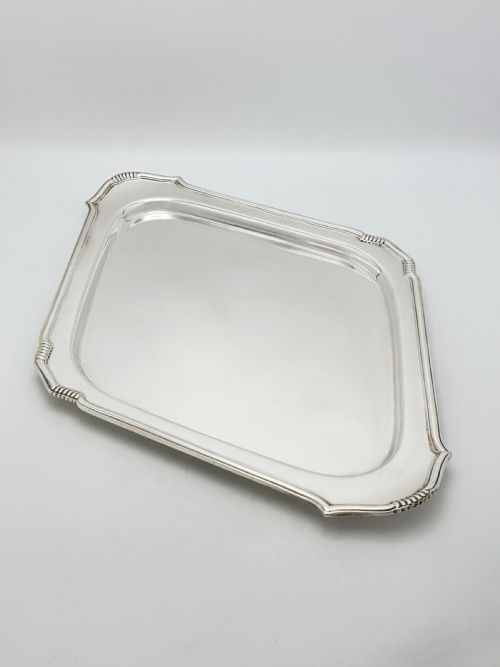


Silver Cocktail Tray
When you need a silver cocktail tray to anchor a home bar, these serving pieces combine period charm with practical hospitality.
Silver Cocktail Tray
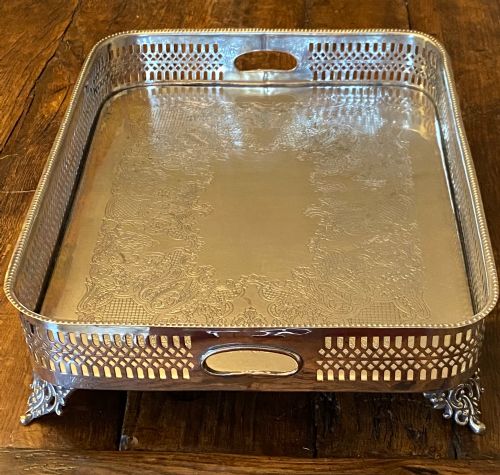
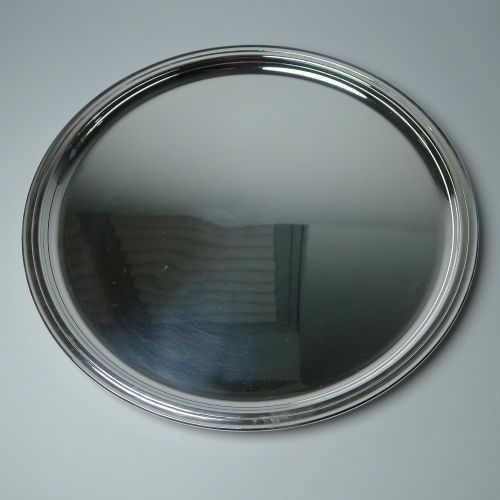
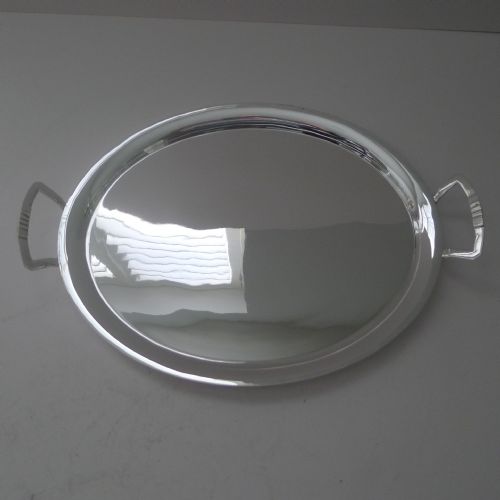
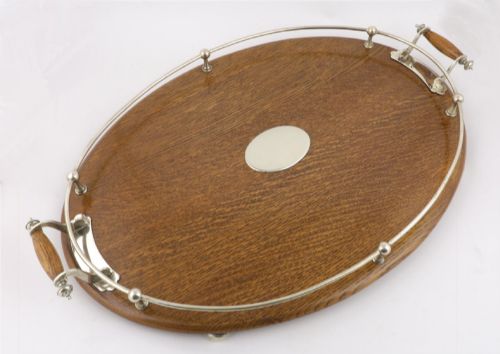
A silver cocktail tray serves as the primary stage for glassware, shakers, and decanters during home entertaining. When searching this phrase, expect to encounter forms ranging from simple geometric shapes to ornate serving platters with gallery rails.
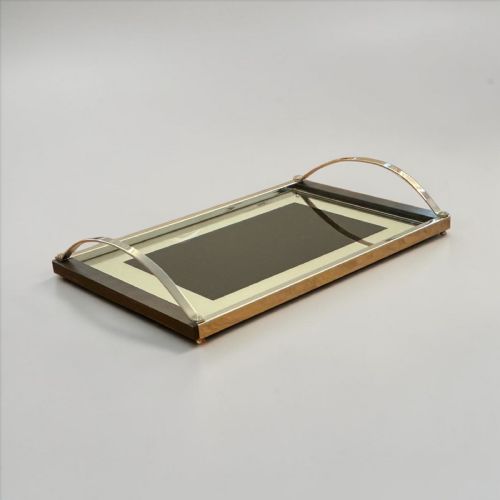
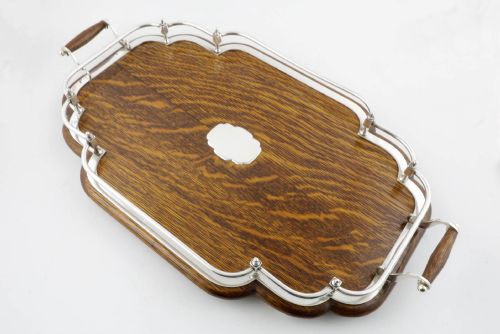
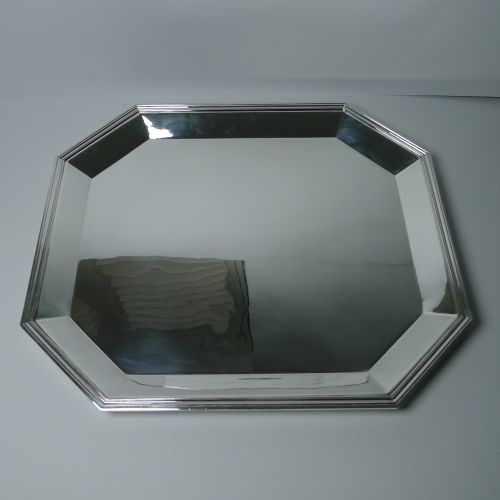
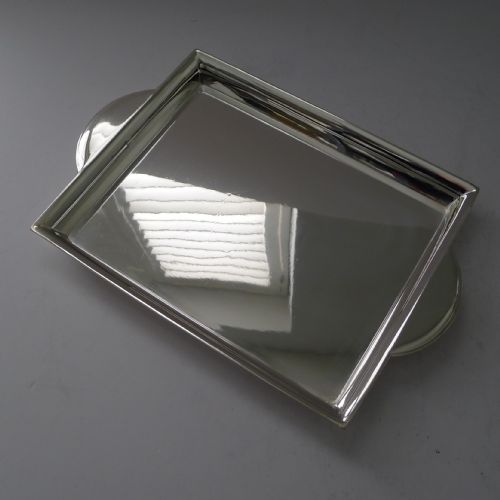
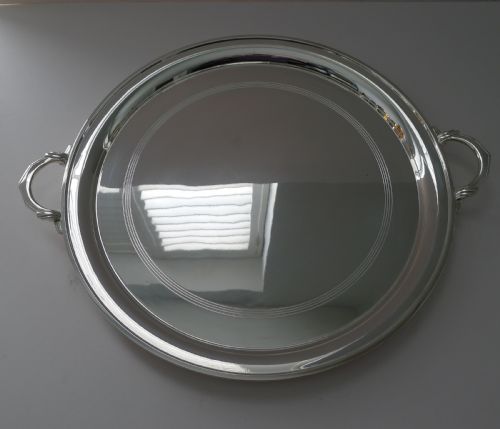
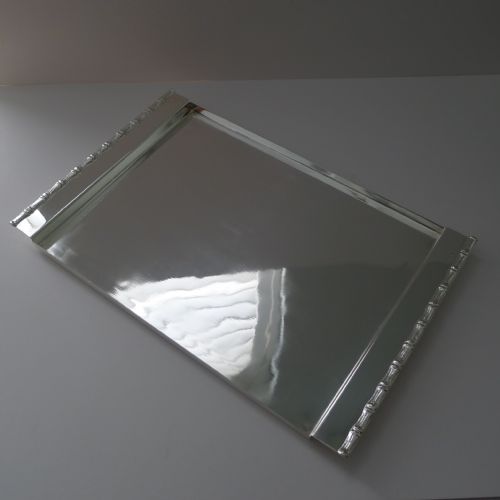
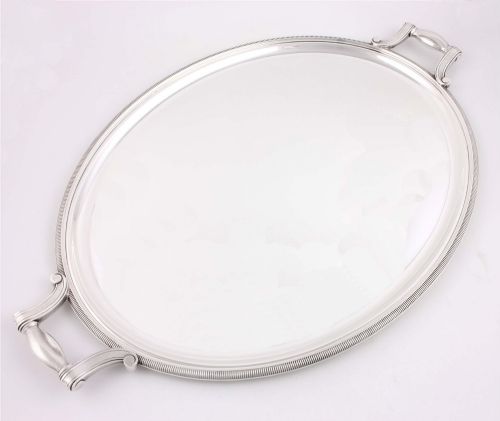
The selection leans heavily into twentieth-century production, particularly the interwar decades and the Edwardian era. Pieces span circular, oval, square, and diamond formats, often equipped with integral handles for secure transport.
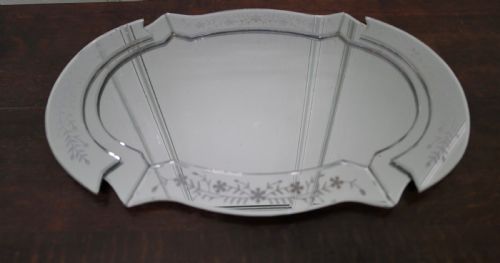
Makers utilised diverse layouts, incorporating mirrored bases, etched glass, or polished metal surfaces to reflect glassware. These items function equally as functional barware and decorative room accents.
How they were made
Manufacturing relies primarily on silver plate, electroplated nickel silver (EPNS), and sterling silver applied over base metals. Workshops employed techniques such as engine turning, intricate embossing, and cut glass insertion to finish the surfaces.
Gallery rails and handles frequently utilised cast components soldered or screwed to the main body. Mirror glass inserts were backed to withstand moisture exposure common in bar service.
Silver Cocktail Tray Retail Price Guide 2026
Typical asking prices for silver cocktail tray among the pieces listed under this phrase on Sellingantiques today, from the lower quarter to the upper quarter. They describe what is for sale here now, not the wider market.
What varies in quality
Quality rests upon the weight of the metal blank, the crispness of stamped borders, and the thickness of the silver plating. Substantial gauge metal prevents flexing when carrying heavy crystal decanters.
Design execution distinguishes standard utility items from named manufacturer commissions. Maker signatures and registered pattern numbers indicate higher workshop standards.
Mappin & Webb·Walker & Hall·Hukin & Heath·James Dixon & Sons·Elkington·Christofle·Asprey
The Silver Cocktail Tray Glossary
- Silver Plate
- A base metal such as copper or nickel silver coated with a thin layer of pure silver. This technique allowed makers to produce large serving items at lower costs than solid silver.
- EPNS
- Electroplated Nickel Silver. A common industrial base material used extensively in twentieth-century barware manufacturing.
- Gallery Tray
- A serving tray featuring an upright pierced or solid metal rail around the perimeter. This gallery prevented glassware from sliding off during transport.
- Engine Turning
- A mechanical decoration technique producing precise geometric patterns of intersecting lines. It adds texture and reduces the visibility of minor surface scratches.
- Salver
- A flat serving tray typically supported on small feet. In historical contexts, these pieces held drinking vessels presented to guests.
Silver Cocktail Tray: Frequently Asked Questions
How do I clean a silver cocktail tray?
Use a specialised silver cream and a soft cloth to remove tarnish without scratching the plating. Rinse with warm water and dry immediately.
Avoid abrasive scouring pads that strip the thin silver layer over the base metal, particularly on antique surfaces.
Are these trays safe for serving drinks?
Silver and silver plate are entirely suitable for holding glassware, bottles, and direct food or drink service. Ensure any vintage glass inserts are cleaned thoroughly before use.
Protective lacquers applied by past owners can be gently removed if you prefer natural metal ageing during entertaining.
How do I date a silver tray?
Examine maker stamps, registry numbers, and style indicators such as Art Deco geometry or Edwardian scrolls. Hallmarks on sterling silver provide exact assay office years.
Silver plated items rely on maker archives and stylistic context to narrow down the decade of production.
Can I use a mirrored tray for daily bar service?
Mirrored glass inserts handle glassware well, provided you lift rather than slide heavy bottles across the surface. Take care to prevent liquid pooling beneath the glass edge.
Original Venetian mirror plates add considerable character to a home bar setup when displayed flat.