




Art Deco Drinks Tray
An art deco drinks tray brings period glamour to a room, offering a functional surface shaped by the geometric lines of the 1920s and 1930s.
Identifying an art deco drinks tray
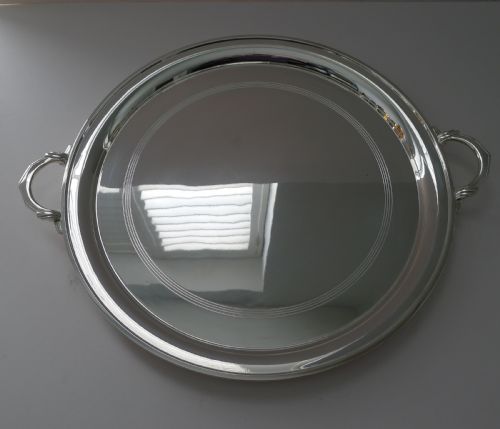
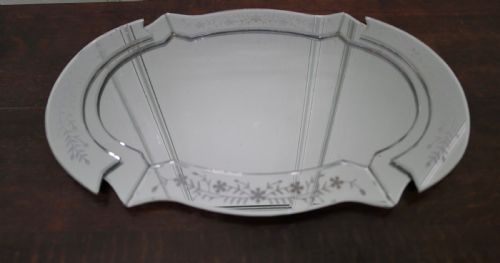
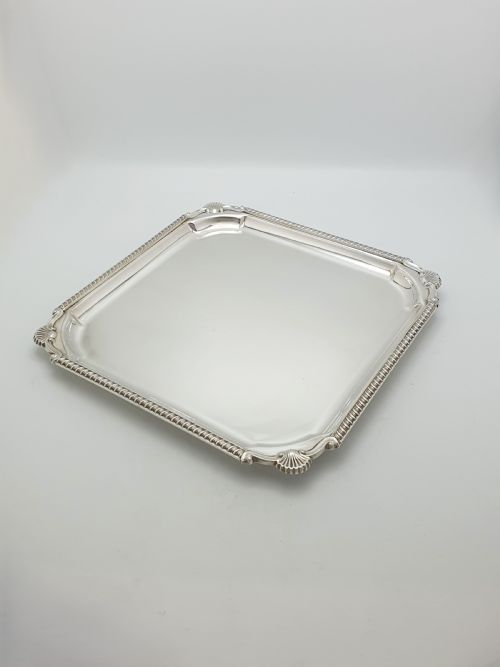
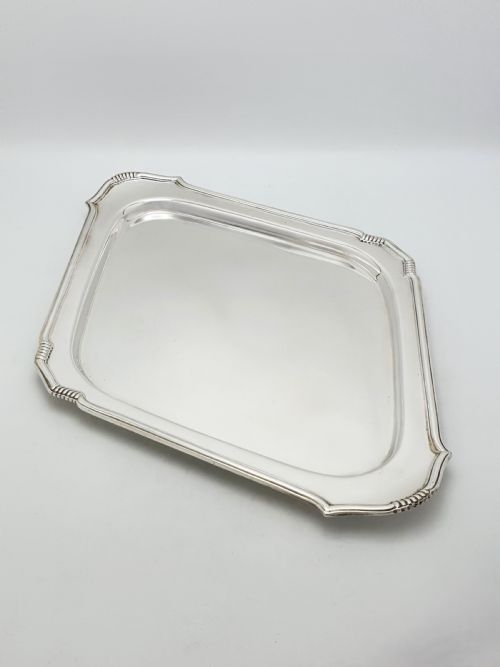
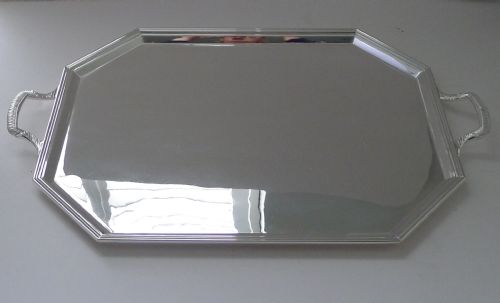
An art deco drinks tray serves as a dedicated surface for glassware and decanters, emerging from the design vocabulary of the 1920s and 1930s. The forms span diamond, round, oval, and oblong configurations designed to catch the eye while holding stemware.
Origin points visible in the record include English makers and French workshops, each bringing distinct regional material preferences to the basic tray form.
Materials and construction
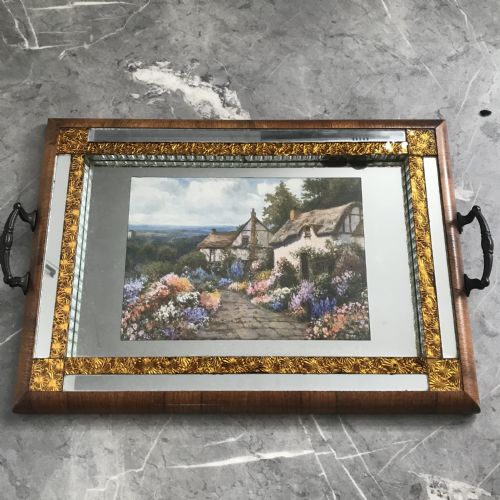
Makers utilised metalworking techniques to shape silver plate, nickel silver, and chrome into rigid chassis, often pairing them with inset mirror glass or clear glass panels. Wooden variants rely on carved oak or exotic veneers like Macassar ebony, sometimes incorporating inlaid geometric patterns.
Surface decoration includes engine turning, reverse painting beneath glass, and Celtic designs. These methods combine structural metal or timber with reflective or decorated inner panels to create a durable serving surface.
Retail Price Guide 2026
Typical UK retail prices for art deco drinks tray, calculated from the Sellingantiques database of over a million retail prices indexed since 2003. This retail price guide relies exclusively on Sellingantiques data; no external sources or auction records are used, so the figures do not describe the wider market.
Listings feature items from both the 1920 and 1930 periods, incorporating silver plate, chrome, glass, oak, and inlay.
Distinctions in execution
The distinction between standard production and finer execution lies in the weight of the metal frame and the precision of the joinery or plating. Heavier gauge silver plate or solid silver maintains its structural integrity better over decades of use.
Quality shows in the integration of specialised elements such as reverse-painted glass panels, precise engine turning, or detailed metalwork by named makers. Simpler chrome and mirror glass combinations depend entirely on the crispness of the framing angles and the absence of silver loss in the reflective backing.
James Dixon & Sons·Roberts & Dore·Aspray of London·Saglier Freres
The Art Deco Drinks Tray Glossary
- Engine turned
- A mechanical engraving method producing intricate geometric patterns on metal surfaces. This technique creates a textured visual field that catches the light differently than plain plating.
- Macassar
- A dark, figured tropical timber utilised in French modernist design. It provides a rich, contrasting grain pattern popular in interwar luxury pieces.
- Reverse painted
- A technique where artwork or colour is applied directly to the underside of glass. This protects the pigment from wear while offering a glossy, deep-set finish.
- Salver
- A flat serving tray, traditionally made of silver or other metals. The term often applies to more formal footed or heavier metal serving pieces.
- Nickel silver
- A copper alloy containing nickel and zinc, lacking actual silver content. It serves as a durable base metal for silver plating due to its resistance to corrosion.
Frequently Asked Questions
How do I clean a silver plated drinks tray?
Clean silver plate with a dedicated non-abrasive silver polish and a soft cloth to avoid stripping the thin metal layer. Rinse gently with warm water and dry immediately to prevent water spots.
Avoid submerging wooden or mirrored trays in water, as moisture can seep behind the glass or warp the timber base. Use a slightly damp cloth for the glass surfaces only.
Are these trays suitable for daily use?
Most metal and glass trays are sturdy enough for carrying drinks, provided you handle them with care to protect mirrored bases or delicate plating. Solid silver and heavy chrome variants withstand regular service well.
Wooden or reverse-painted glass examples require more cautious handling to preserve delicate surfaces and finishes from liquid damage.
How do I tell a 1920s tray from a 1930s tray?
Pieces from the 1920s often feature softer silver-plated forms with subtle ornamentation, sometimes leaning toward traditional shapes with subtle modernist styling. They frequently rely on silver plate over base metal or nickel.
Trays from the 1930s typically embrace starker modernist lines, utilising chrome, mirror glass, and French Macassar wood with bolder geometric patterns.
What is the difference between chrome and silver plate?
Chrome provides a bright, hard, bluish-silver finish that resists tarnish and requires minimal maintenance. It is characteristic of industrial 1930s modernist design.
Silver plate has a warmer, softer lustre that develops a natural tarnish over time, requiring occasional polishing to maintain its reflective shine.