
Vintage Silver Tray
A vintage silver tray brings undeniable presence to a room, offering functional service and bright metallic reflection through decades of design.
Identifying a vintage silver tray
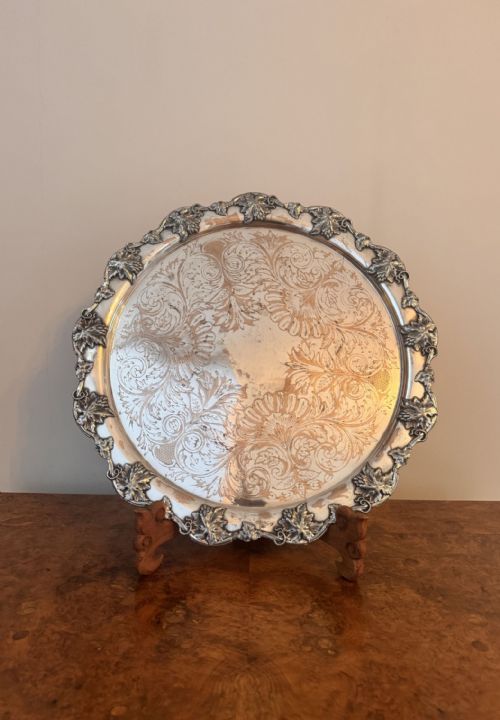
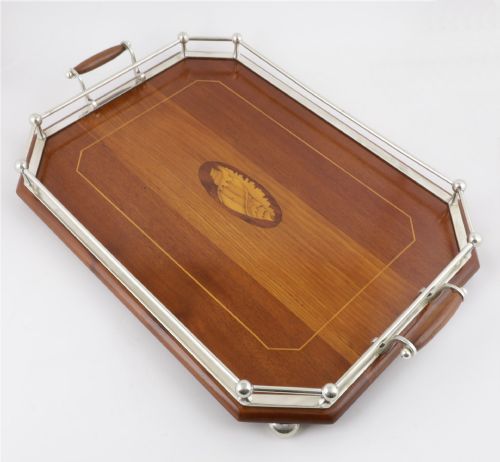
A vintage silver tray encompasses a wide array of serving pieces, cocktail platters, and gallery trays spanning from the late nineteenth century through the mid-twentieth century. Buyers searching this phrase encounter forms ranging from Edwardian serving platters to geometric Art Deco cocktail trays and clean-lined Mid-Century Modern designs.
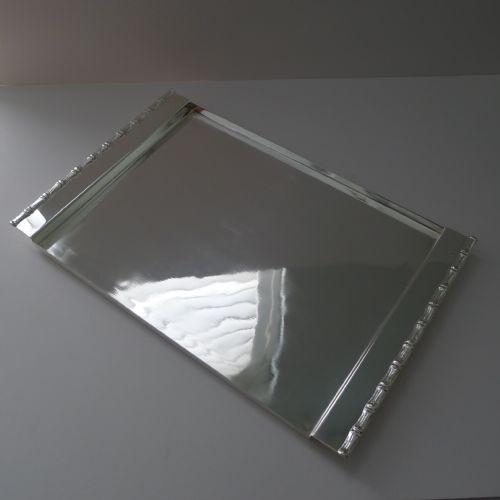
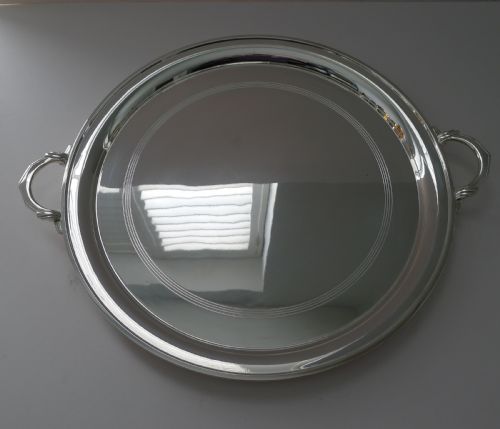
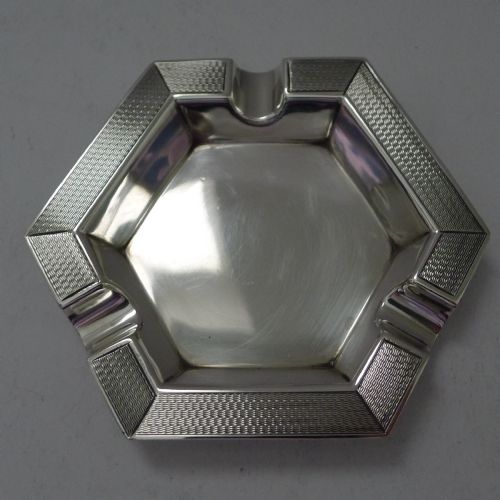
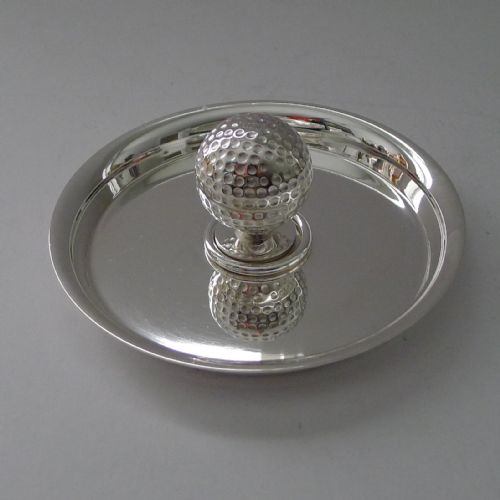
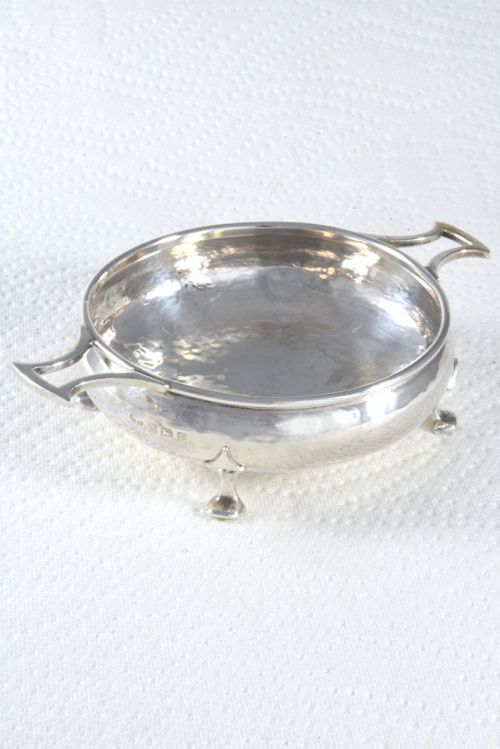
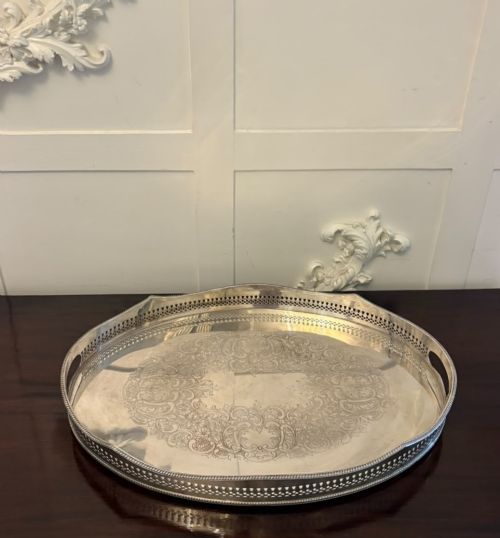
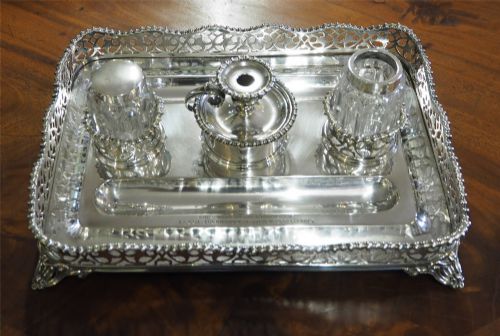
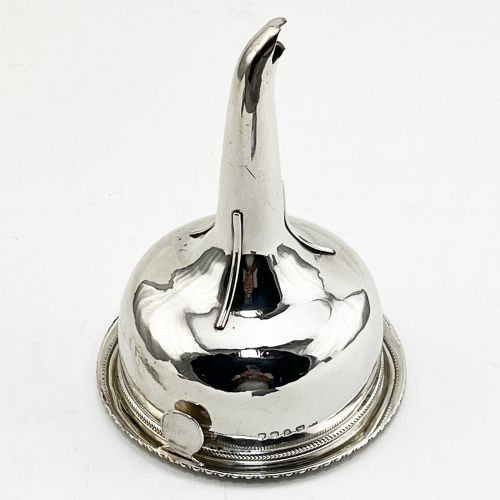
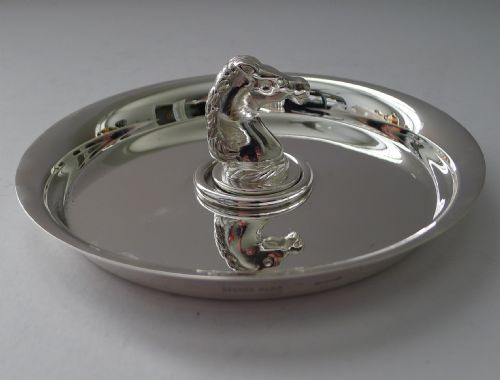
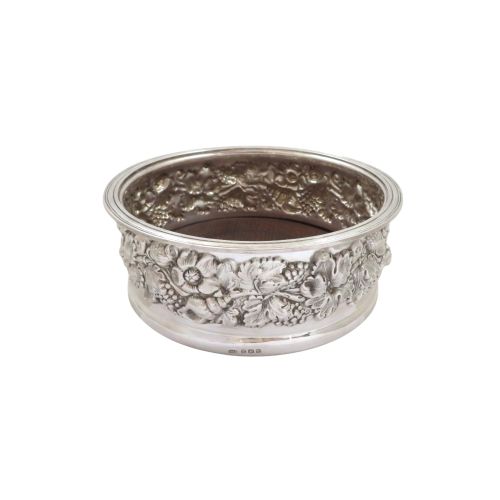
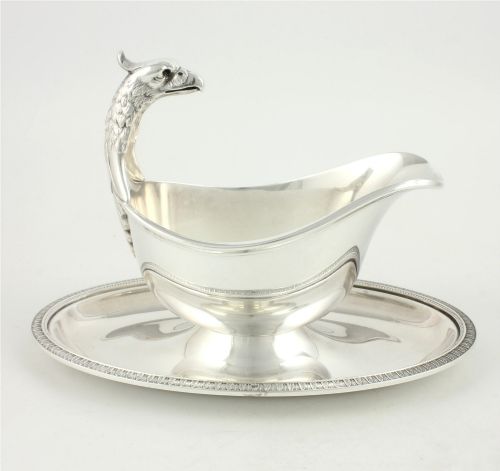
The pieces appearing on this page reflect diverse origins, including English workshops, Italian makers, and French silver houses. Forms vary from simple rectangular shapes with handles to diamond-shaped cocktail vessels and oval presentation platters.
Edwardian and Victorian inheritances share the space with 1920s jazz age cocktail accessories and 1960s Italian modernism. This broad chronological spread ensures that every tray brings its own distinct era of manufacture to the table.
Materials and construction
Construction relies heavily on silver plate, electroplated nickel silver, and EPNS over base metal foundations, alongside occasional solid silver items. Manufacturers shaped these metals into serving trays and platters using techniques of rolling, pressing, and hand-chasing.
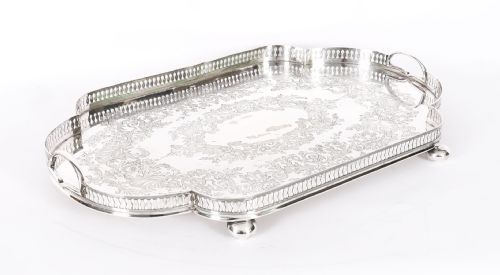
Surface ornamentation often includes detailed engraving, applied gallery rails, and cast handles shaped as bamboo or traditional scrolls. Glass inserts and central glass components appear alongside integrated cocktail sets.
Maker execution ranges from structured gallery borders secured to flat bases to heavy cast mounts soldered onto oval or rectangular fields.
Retail Price Guide 2026
Typical UK retail prices for vintage silver tray, calculated from the Sellingantiques database of over a million retail prices indexed since 2003. This retail price guide relies exclusively on Sellingantiques data; no external sources or auction records are used, so the figures do not describe the wider market.
Listings feature items spanning from the late Victorian and Edwardian eras through Art Deco periods and into 1960s Italian modernism.
Distinctions in quality
Quality rests on the thickness of the plating, the crispness of the engraved decoration, and the structural integrity of handles and gallery rails. Substantial weight in the base metal foundation and balanced construction distinguish finer examples from lighter utilitarian pieces.
Renowned makers and silversmiths impart superior finishing to handles, edges, and feet, elevating standard serving items into decorative works of art. The integrity of the silver surface across high-use areas indicates the original grade of application.
Christofle·Hukin & Heath·Viners of Sheffield·Greggio·Garrard & Co·Christian Dior
The Vintage Silver Tray Glossary
- EPNS
- Electroplated Nickel Silver, a common base metal method where a layer of silver is bonded to a nickel brass or copper alloy core.
- Gallery tray
- A tray featuring an openwork metal gallery or pierced railing around its raised edge to secure glassware.
- Salver
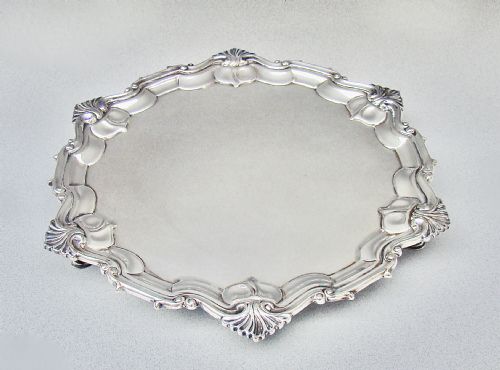
- A flat plate or tray traditionally utilised for presenting visiting cards, letters, or serving drinks.
- Cocktail tray
- A specialised serving tray designed specifically for holding glassware, shakers, and bottles during the interwar cocktail revival.
- Silver plate
- A manufacturing process applying a thin outer coat of pure silver onto a base metal substrate.
Frequently Asked Questions
What is a vintage silver tray used for?
These pieces function primarily as serving vessels for drinks, tea, and coffee, or as decorative display platters on sideboards and coffee tables.
Historically, they also served callers presenting visiting cards or carried correspondence in formal households.
How do I clean a silver plated tray?
Maintenance requires mild soapy water and a soft cloth to remove dust and oils without damaging the underlying metal plate.
Specialist silver creams applied gently preserve the brightness while avoiding harsh abrasive pads that wear through the thin metallic surface.
How can I date an antique tray?
Stylistic indicators such as Edwardian scrollwork, Art Deco geometric angles, or Mid-Century Modern minimalism provide initial chronological markers.
Maker marks, registration numbers, and punch stamps found on the reverse or rim offer further documentary evidence of origin.
What is the difference between solid silver and silver plate?
Solid silver pieces consist entirely of precious metal throughout their structure, whereas plated items apply a thin layer over a base metal core.
Weights, hallmarks, and edge wear characteristics typically distinguish solid silver from electroplated nickel silver or standard EPNS.