


Edwardian Tea Tray
An Edwardian tea tray brings tactile warmth and refined proportion to any surface, combining practical hospitality with period craftsmanship.

Edwardian Tea Tray
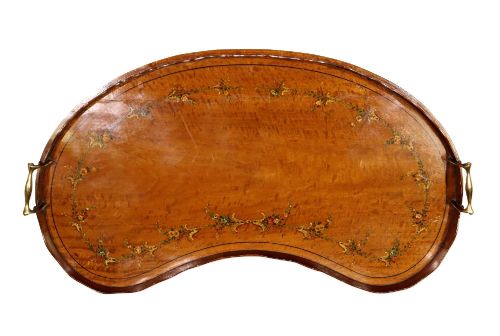
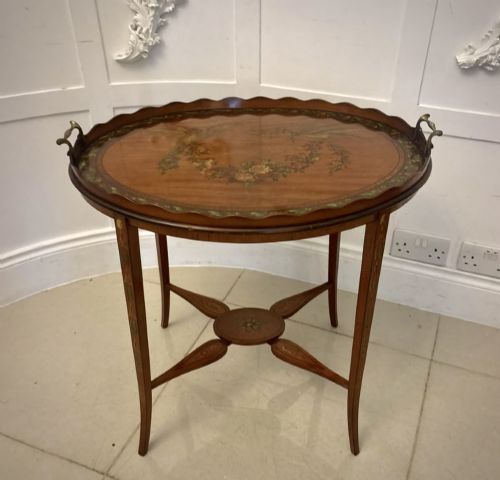
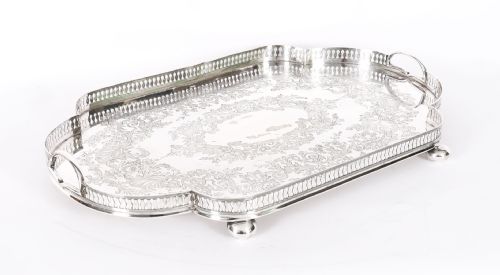
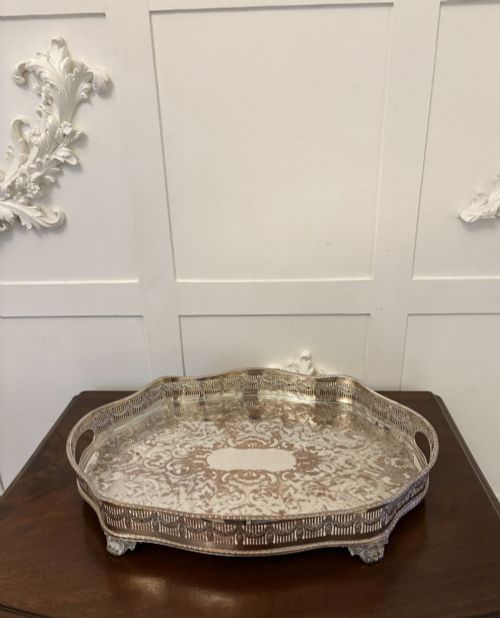
An edwardian tea tray is a functional serving piece designed for afternoon tea, featuring raised edges, handles, and distinctive decorative details. These trays span from the late nineteenth century into the early twentieth century, capturing the transitional aesthetics of the Victorian and Edwardian periods.
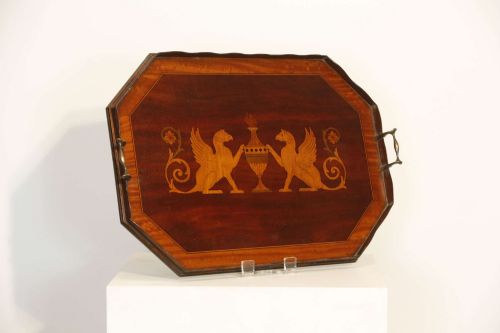
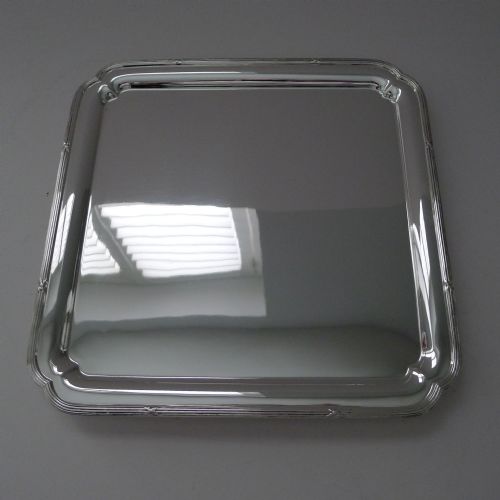
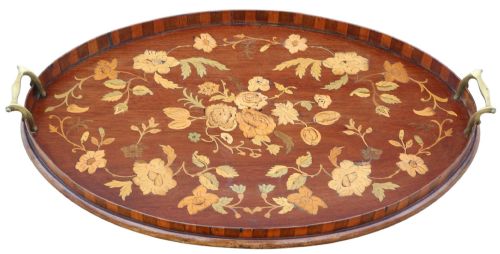
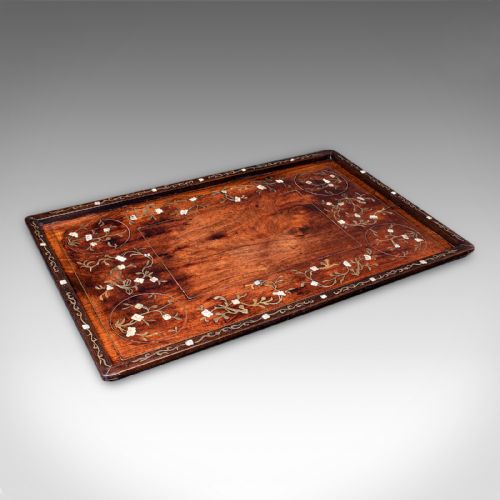
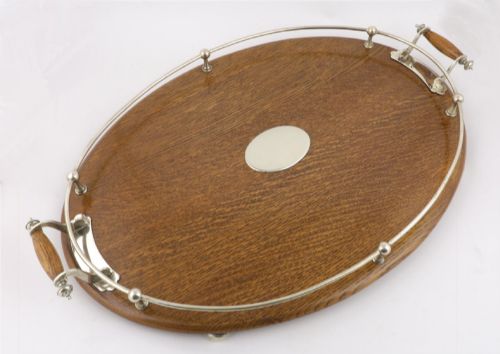
The version most commonly encountered on this page is the silver plated gallery tray or the inlaid mahogany oval tray. These pieces reflect the domestic rituals of their era, serving both as working tableware and as decorative furnishings when displayed on stands or tables.
How they were made
These pieces rely on a combination of traditional cabinetmaking and metalworking techniques. Wood trays utilise solid mahogany, walnut, or oak, often enhanced with satinwood, boxwood, and shell inlay or intricate carving.
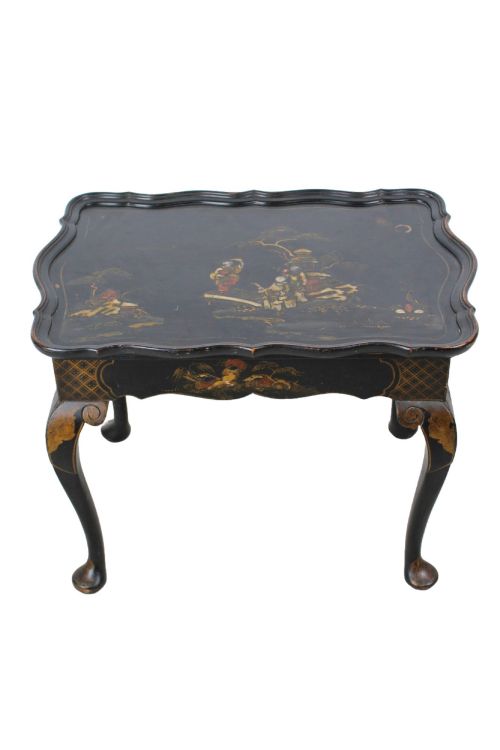
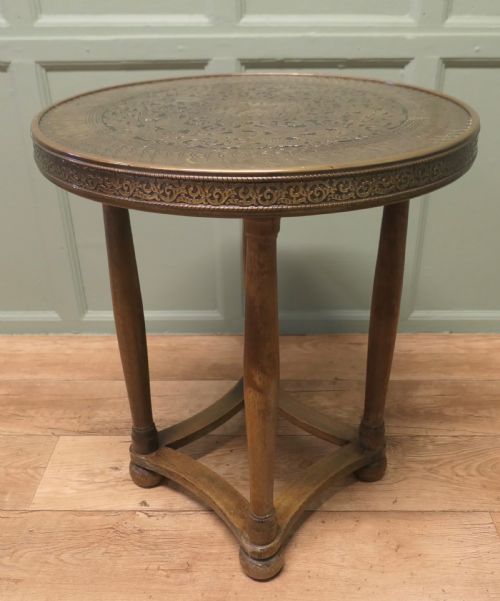
Metal examples employ silver plate over a base metal, handbeaten copper, or brass, frequently incorporating pierced galleries, engraved surfaces, and sturdy fixed handles. Papier-mâché and lacquer variations add painted ornamentation and gilded borders to the construction repertoire.
Edwardian Tea Tray Retail Price Guide 2026
Typical asking prices for edwardian tea tray among the pieces listed under this phrase on Sellingantiques today, from the lower quarter to the upper quarter. They describe what is for sale here now, not the wider market.
Listings feature mahogany, silver plate, satinwood, brass, papier-mâché, and lacquer across Edwardian, Victorian, and Sheraton Revival styles.
What varies in quality
The distinction between tiers rests upon the selection of materials and the precision of assembly. Superior examples feature figured timbers, crisp inlay work, and substantial silver plating that resists thinning over extensive surfaces.
Design complexity further separates standard items from finer pieces, evident in structural stability, the integration of galleries, and the finesse of engraved or carved details.
Saunders And Shepherd
The Edwardian Tea Tray Glossary
- Inlay
- A decorative technique where contrasting woods or shell are inserted into recessed portions of a timber base. Satinwood and boxwood are common choices for creating delicate floral or geometric motifs.
- Silver plate
- A layer of silver fused to a base metal foundation, such as copper or nickel silver. Sheffield plating represents an early form of this process.
- Papier-mâché
- A composite material formed from paper pulp or layers of paper bound with glue, then pressed and dried. It offers a smooth surface suitable for lacquer and gilding.
- Sheraton Revival
- A late nineteenth and early twentieth century design style reviving the classical restraint and fine inlay associated with eighteenth century cabinetmaker Thomas Sheraton.
Edwardian Tea Tray: Frequently Asked Questions
How were these trays used?
These trays served during afternoon tea rituals to transport teapots, cups, and silver service items from the kitchen to the drawing room. They functioned as portable hospitality surfaces for hosting guests.
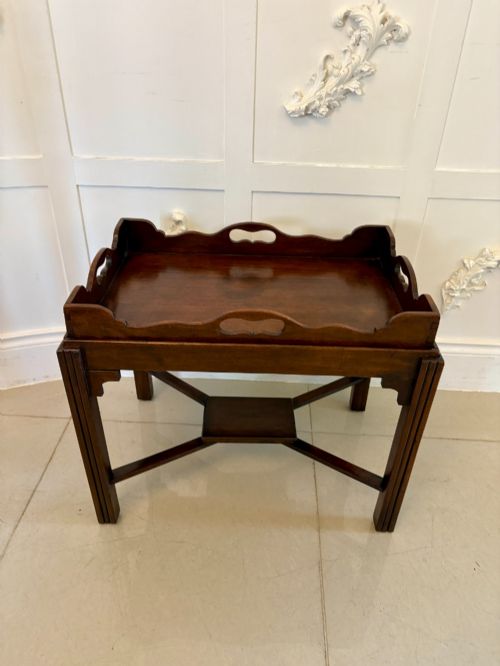
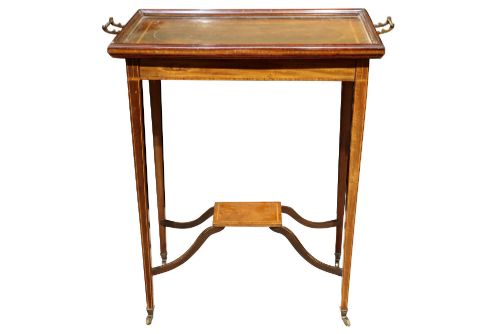
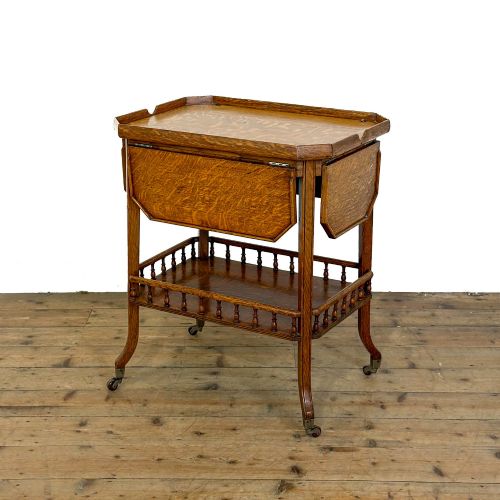
Beyond service, many remained on display tables or were mounted on folding stands to act as occasional side tables within formal rooms.
What woods appear most frequently?
Mahogany forms the primary timber for many classic examples, frequently enhanced with figured grain patterns and decorative inlay. Walnut and oak also appear regularly across the surviving selection.
Inlayers utilised contrasting light woods like satinwood and boxwood to construct delicate borders, stringing, and central motifs.
How do I distinguish Edwardian from Victorian trays?
Edwardian pieces tend to display lighter proportions, brighter wood tones, and refined Sheraton Revival influences. The ornamentation often favours delicate stringing and symmetrical floral motifs.
Victorian items frequently present heavier construction, darker timbers, and more robust carving or expansive papier-mâché surfaces with gilded borders.
Can I use these trays for daily serving?
Silver plated and wooden trays remain robust enough for careful daily use during entertaining. Proper care preserves the silver plating and protects wooden finishes from moisture.
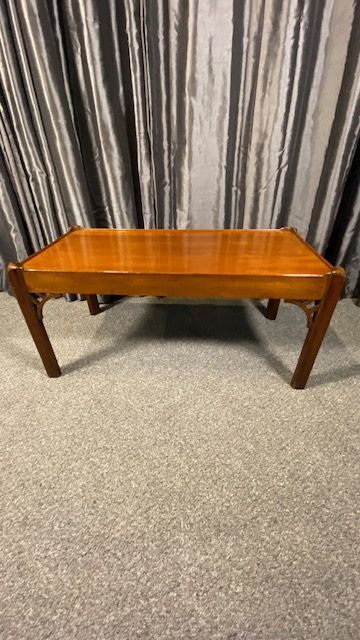
Many collectors prefer to use them as decorative accents on sideboards or coffee tables rather than risking wear on antique surfaces.