

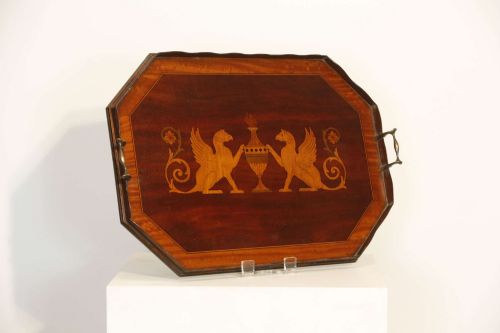
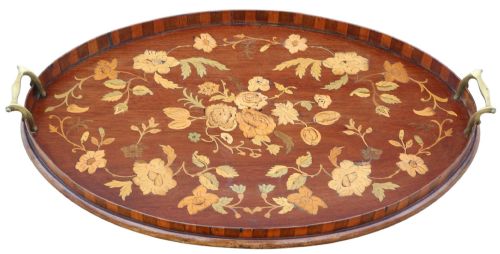
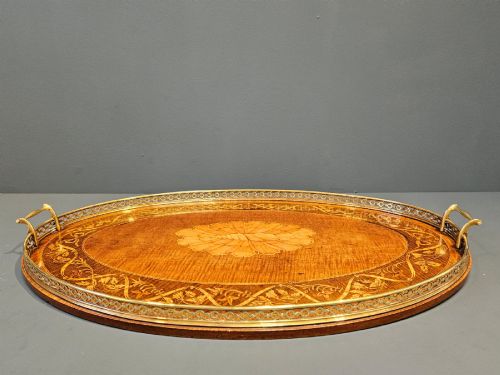
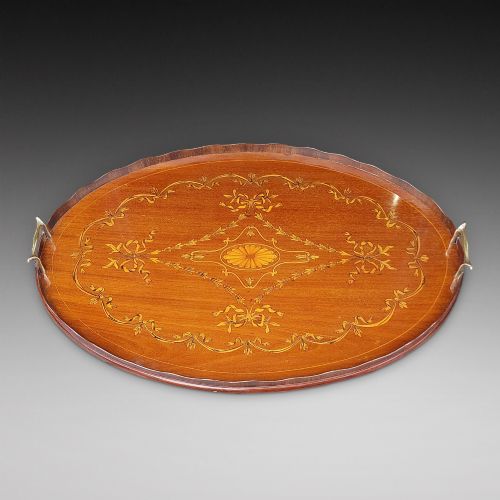





Marquetry Serving Tray
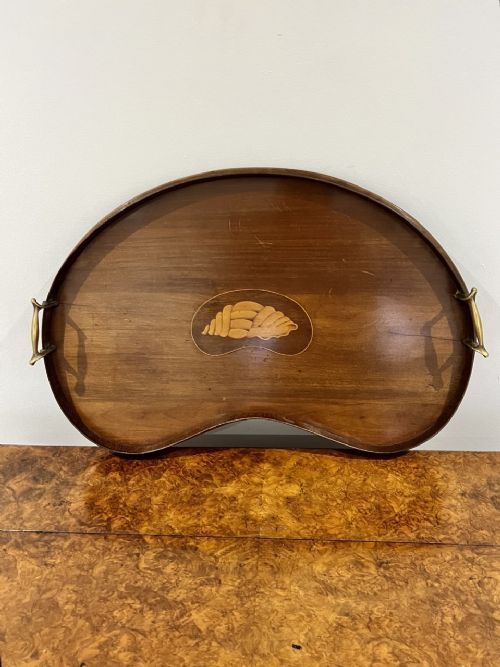
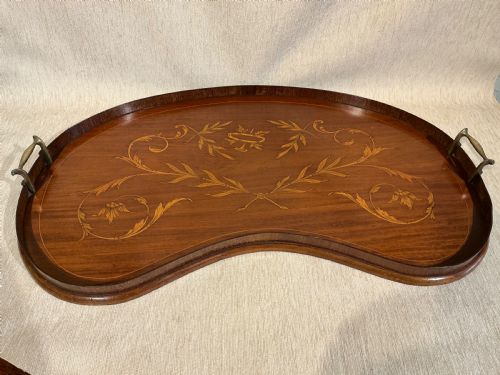
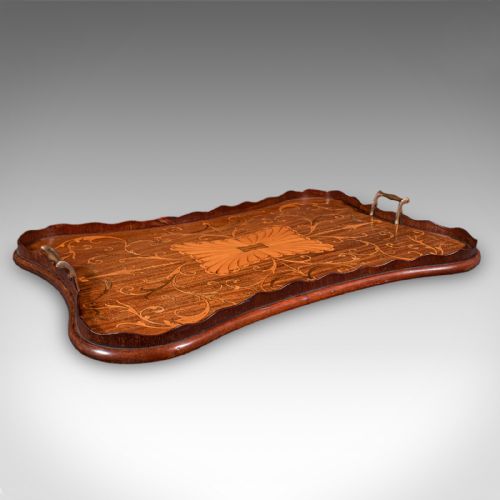
A marquetry serving tray brings together patterned wood veneers and practical service, offering an ornamental surface for the tea table or sideboard.
Marquetry Serving Tray
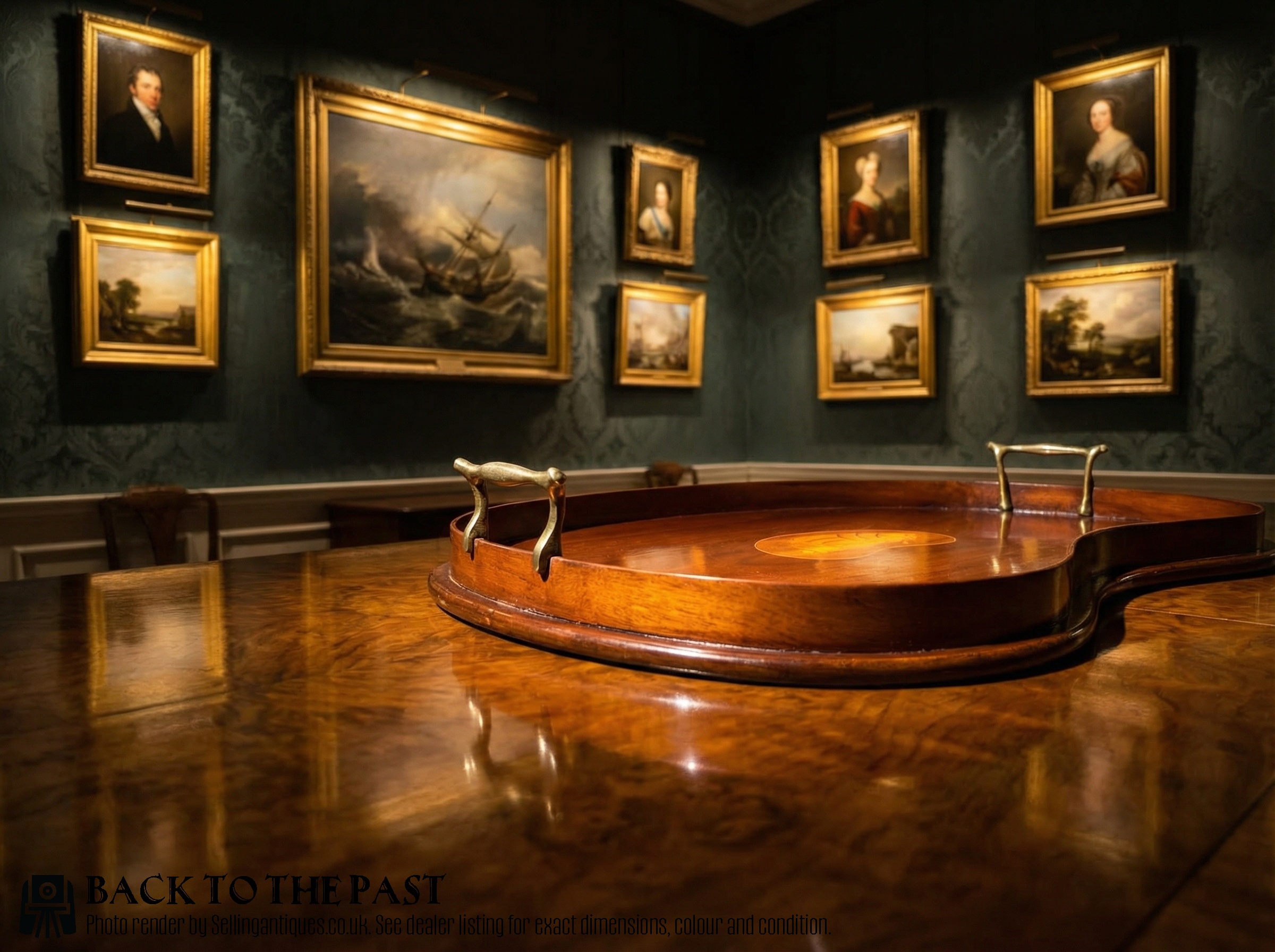
A marquetry serving tray combines utility with decorative woodworking, designed for carrying afternoon tea or drinks. These pieces emerge predominantly from Victorian, Edwardian, and Georgian periods, showcasing traditional British craftsmanship.
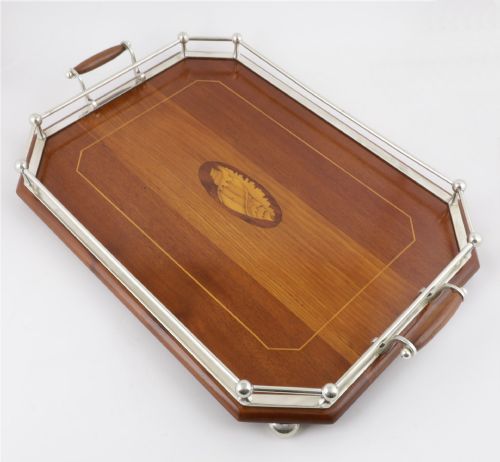
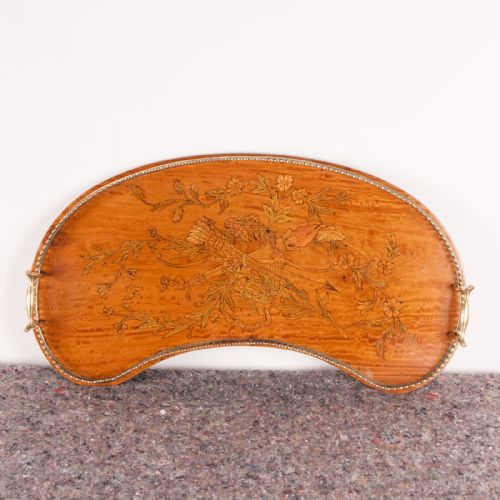
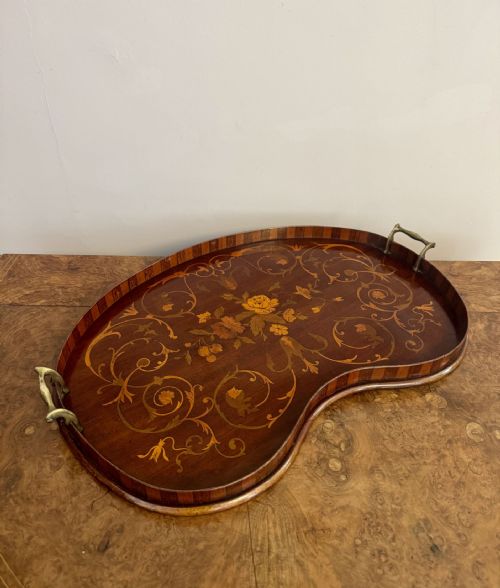
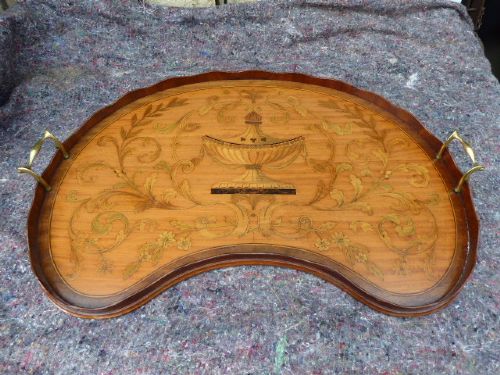
The standard forms on this page include oval, kidney-shaped, and octagonal designs, alongside occasional table conversions. Mahogany and satinwood provide the primary timber foundations for the intricate inlaid motifs.
Buyers encounter examples spanning from the late eighteenth century through to the early twentieth century, including revival styles such as Sheraton and Neoclassical. Each variation reflects the prevailing interior tastes of its era.
How they were made
Cabinet makers utilised wood veneer and marquetry inlay, cutting contrasting timbers like satinwood, rosewood, and burr yew to form pictorial or geometric patterns. These thin veneers were meticulously fitted together and glued onto a solid mahogany or satinwood base.
Metal mounts such as brass galleries, silver-plated handles, and protective edgings were frequently added to secure the contents and provide sturdy lifting points. Glass panels occasionally protected delicate inlaid surfaces from moisture and daily wear.
Marquetry Serving Tray Retail Price Guide 2026
Typical asking prices for marquetry serving tray among the pieces listed under this phrase on Sellingantiques today, from the lower quarter to the upper quarter. They describe what is for sale here now, not the wider market.
A Brazilian butterfly tray brings exotic Rio de Janeiro scenery straight to the afternoon tea service.
What varies in quality
The choice of primary timber and the integration of metalwork also determine distinction, with dense mahogany and lustrous satinwood paired with substantial brass or silver-plated mounts. The fluidity of the kidney or oval silhouette demonstrates the maker's mastery over the wood.
Edwards and Roberts
The Marquetry Serving Tray Glossary
- Marquetry inlay
- The art of applying small pieces of wood veneer to a structure to form decorative patterns and pictures. This technique defines the visual appeal of these serving pieces.
- Satinwood
- A durable, yellowish timber prized for its lustrous sheen and smooth texture. Makers used it extensively for contrasting details and primary surfaces in later pieces.
- Gallery
- A raised ornamental border surrounding the edge of a tray to prevent items from sliding off. These fixtures often incorporate pierced brass or silver-plated work.
- Kidney shaped
- An asymmetrical, curved silhouette popular in Edwardian designs. This organic form offers a comfortable fit against the body during service.
- Etagere
- A set of open shelves or tiers used for displaying objects or serving. Certain variants mount trays onto folding or fixed stands.
Marquetry Serving Tray: Frequently Asked Questions
How were marquetry serving trays used?
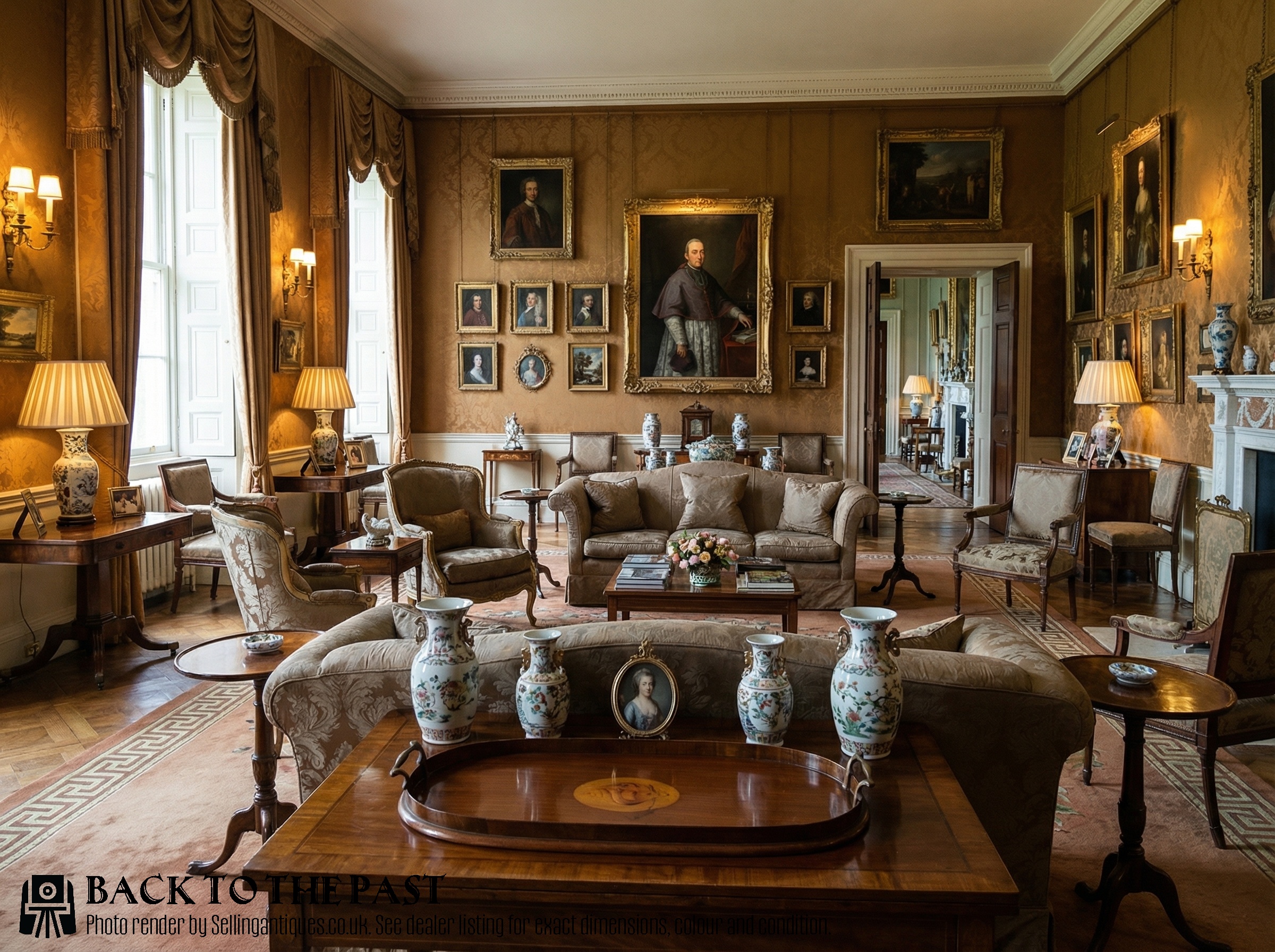
These trays served primarily for carrying tea sets, decanters, and glassware across formal drawing rooms. They functioned as both mobile service equipment and decorative centerpieces when rested upon tables.
In many households, they remained on display on occasional tables or stands, demonstrating the homeowner's taste for fine woodwork during afternoon gatherings.
How do I care for my tray?
Protect the wood veneer and inlay by keeping the tray away from direct sunlight, extreme heat sources, and excessive moisture. Dust the surface regularly with a soft, dry cloth to maintain the timber's natural lustre.
Avoid using harsh chemical polishes or soaking the piece in water, especially examples featuring delicate brass galleries or glass panels.
How can I tell the period?
Georgian and late eighteenth-century examples tend to feature restrained mahogany construction with minimal, classical satinwood banding. Edwardian pieces often embrace lighter satinwood, kidney shapes, and elaborate floral marquetry.
Victorian iterations lean towards heavier proportions and deeper mahogany tones, reflecting the solid manufacturing standards of the nineteenth century.
What is the difference between inlay and marquetry?
Inlay generally involves setting pieces of wood, brass, or shell into cavities carved directly into a solid wooden surface. Marquetry is a distinct technique where entire pictures or patterns are assembled from veneers before being applied to the core.
Both methods appear across these serving trays, frequently combined to create layered decorative borders and central motifs.