

Wooden Gallery Tray
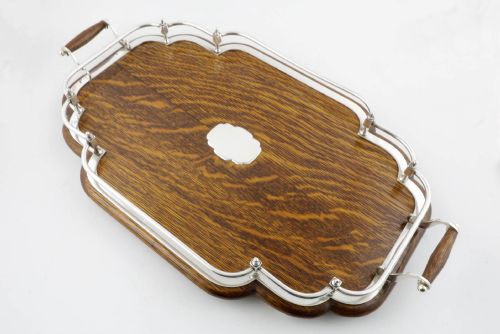
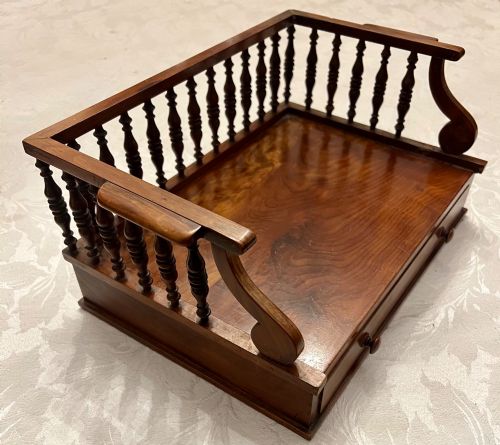
A wooden gallery tray combines practical serving utility with fine cabinetmaking, offering raised borders and secure handles to hold vessels.
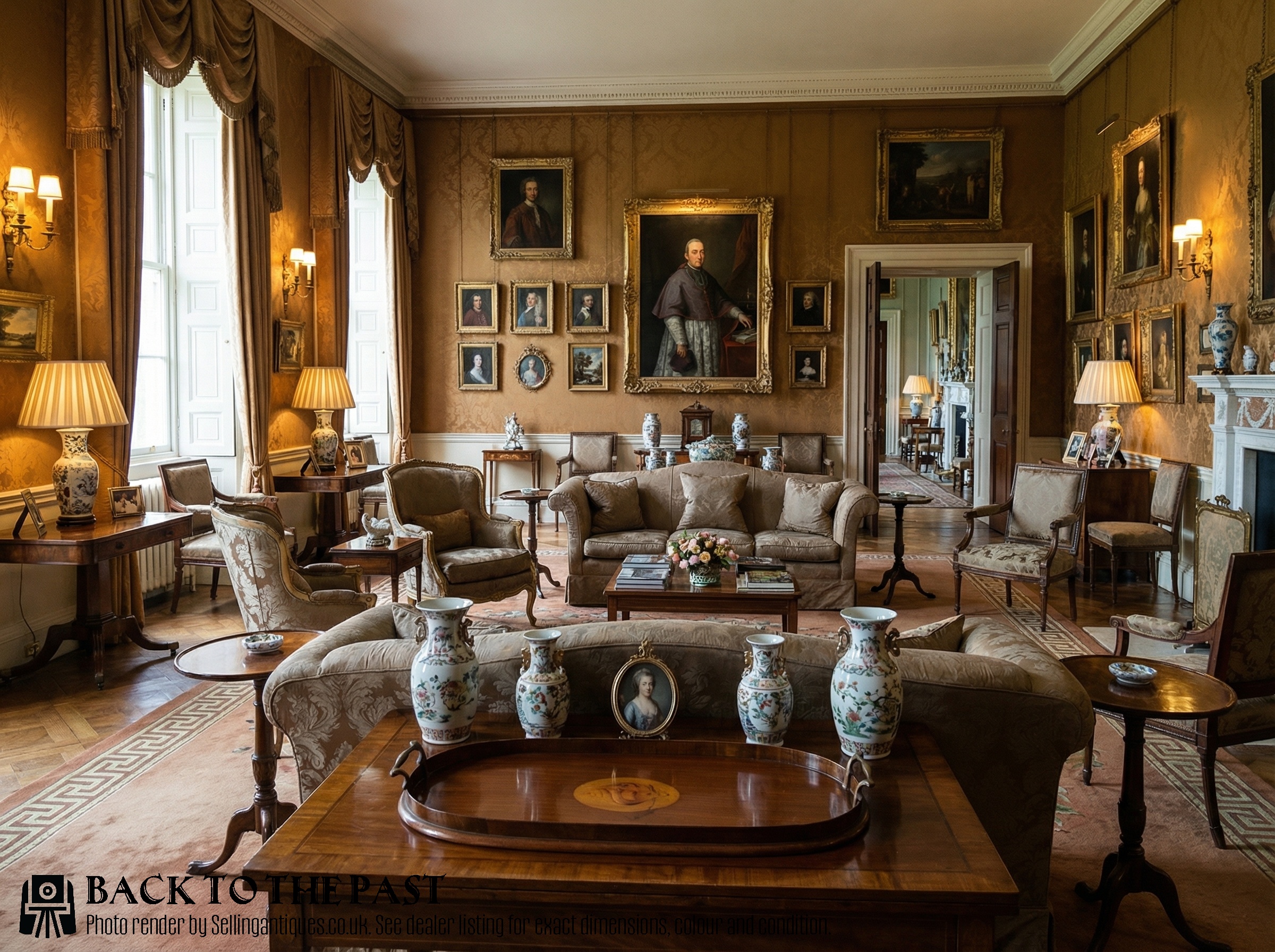
Wooden Gallery Tray
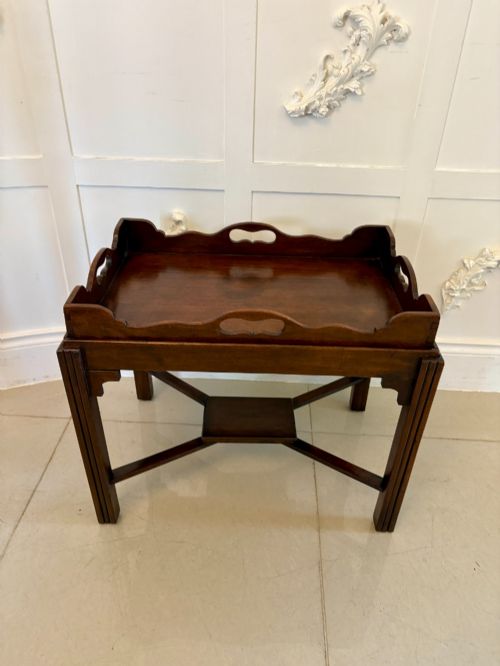
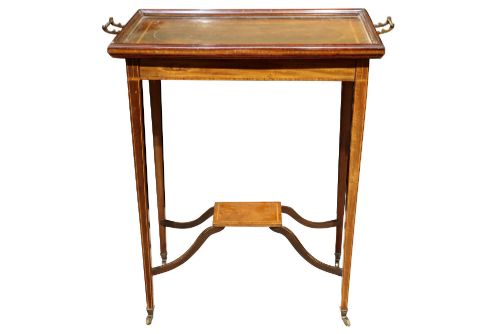
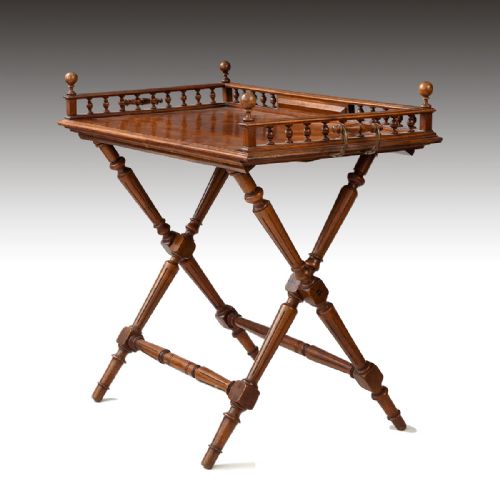
When you search for a wooden gallery tray, you encounter pieces designed to carry drinks, tea, and silver items while preventing slips through raised surrounds. The inventory shows examples spanning the eighteenth century through to the Edwardian era and the nineteen-thirties, ranging from portable serving pieces to those mounted on folding or fixed stands.
Materials and Construction Methods
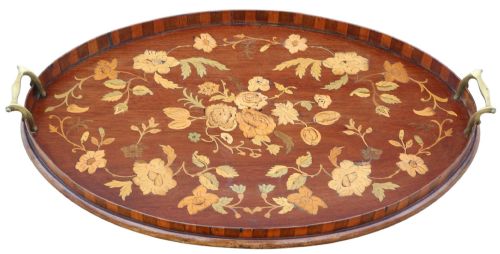
Makers relied principally upon dense hardwoods such as mahogany, oak, and walnut, selecting them for structural stability and rich grain patterns. Satinwood and lighter timbers provided contrasting borders and intricate inlay work, whilst brass fixtures added strength and decorative detail to handles and galleries.
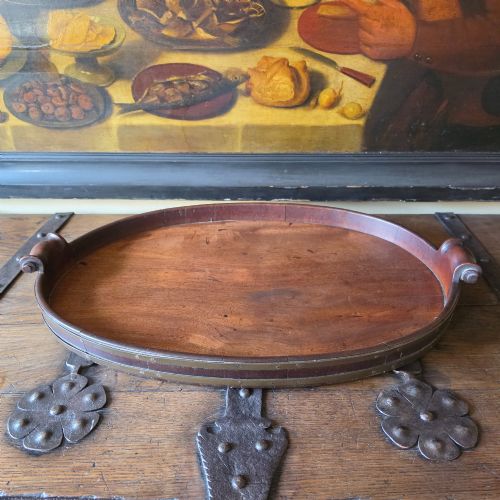
Joinery techniques combined traditional cabinetmaking methods with specialised coopered construction for curved wooden walls. Inlaid panels incorporated finely cut veneers, and silver plating was integrated into specific trays to provide durable metal surfaces alongside timber bases.
Wooden Gallery Tray Retail Price Guide 2026
Typical asking prices for wooden gallery tray among the pieces listed under this phrase on Sellingantiques today, from the lower quarter to the upper quarter. They describe what is for sale here now, not the wider market.
The listings demonstrate that mahogany remains the dominant timber across eighteenth-century and Victorian pieces, frequently paired with brass and satinwood inlay.
Distinctions in Execution and Detail
Quality rests upon the crispness of the woodwork, the precision of the satinwood inlay, and the retention of original brass fittings rather than later replacements. Superior examples display carefully selected grain alignment across the tray floor and tightly joined gallery corners that endure centuries of lifting.
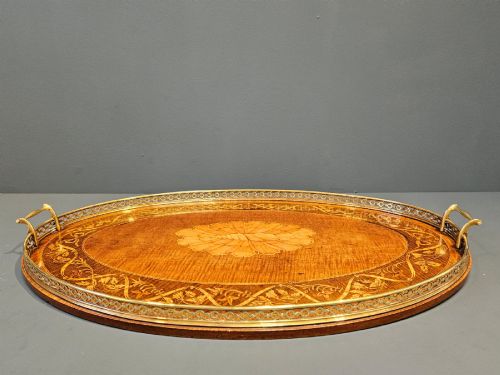
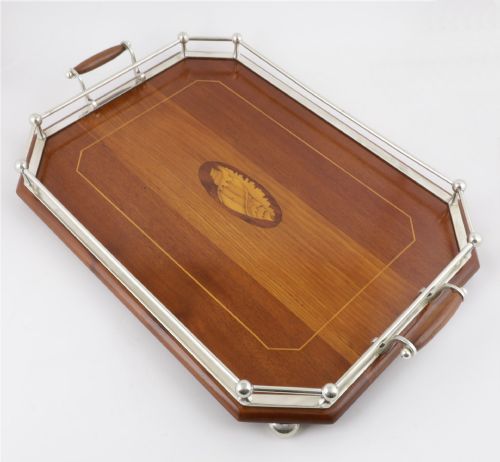
The distinction between standard utility items and high-end pieces lies in the sophistication of carved details, such as scalloped edges, and the presence of documented maker attributions. Finer items integrate marquetry motifs and solid brass gallery rails that demonstrate superior workshop execution.
Edwards and Roberts
The Wooden Gallery Tray Glossary
- Gallery
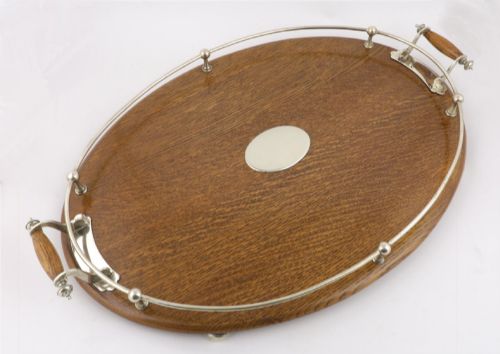
- A raised border or pierced metal railing around the edge of a tray designed to keep objects from sliding off during transport. This feature defines the primary visual and functional characteristic of the piece.
- Butler tray
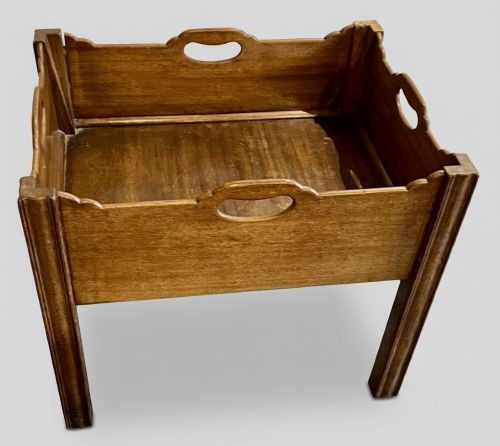
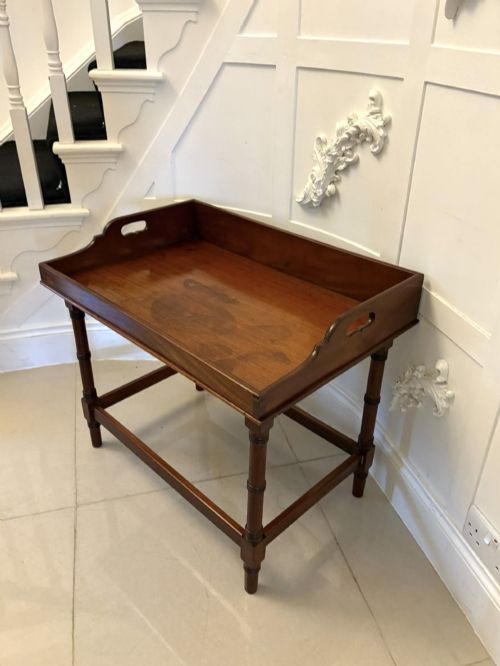
- A portable wooden tray, often featuring hinged sides or cutout handles, built to sit upon a separate folding stand. It originated as a versatile piece for moving dining china and silver.
- Marquetry
- The art of applying decorative pieces of veneer to a structure to form intricate pictorial or geometric designs. Craftsmen utilised contrasting woods like satinwood to achieve this effect.
- Coopered
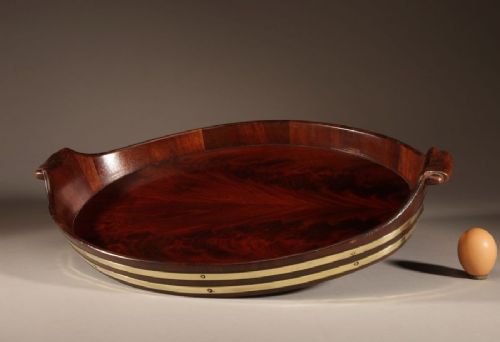
- Constructed from vertical wooden staves fitted together and bound by a band, similar to barrel-making. This technique permitted the creation of rounded tray walls.
- Satinwood
- A durable, lustrous timber native to Ceylon and India with a yellowish sheen, frequently employed for stringing and decorative inlay in eighteenth and nineteenth-century furniture.
Wooden Gallery Tray: Frequently Asked Questions
How were butler trays used?
Butler trays functioned as portable surfaces for serving afternoon tea, drinks, or meals. The removable tray lifted off its folding wooden stand to clear dining spaces.
Victorian and Georgian households utilised these versatile items for moving tableware between kitchens and parlours before placing them on stands as occasional tables.
How do I distinguish eighteenth-century pieces?
Eighteenth-century pieces display specific cabinetmaking traits such as hand-cut dovetails, dense solid mahogany timbers, and period-appropriate Chippendale or George III styling. Construction methods rely entirely on manual joinery.
Later Victorian and Edwardian examples often incorporate machine-cut elements, broader use of satinwood inlay, and silver plating alongside the wood.
Can these trays be used daily?
These trays handle regular placement on side tables or use as coffee table surfaces when treated with appropriate care for antique finishes. Proper maintenance protects the polished wood and inlaid veneer.
Avoiding excessive moisture and direct heat preserves the structural integrity of the gallery edges and the original brass or wooden joinery.