


Georgian Wooden Tray
A georgian wooden tray brings centuries of serving craft into daily use, offering deep mahogany and sturdy brass for the modern home.
Georgian Wooden Tray
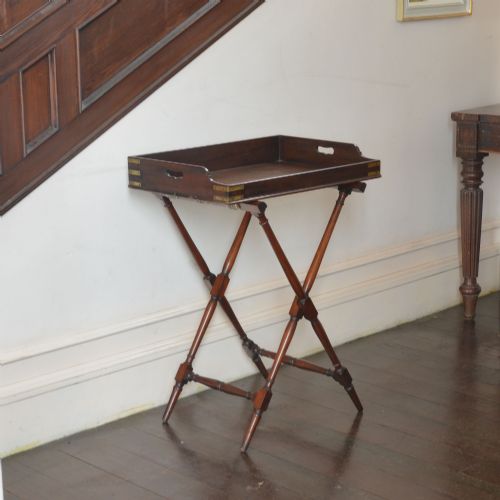
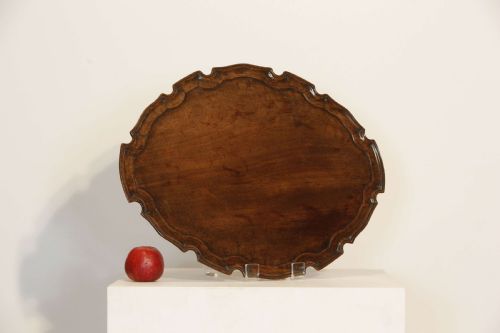
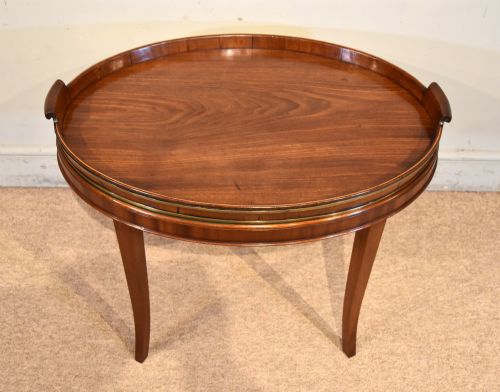
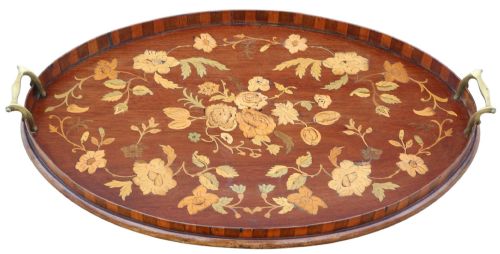
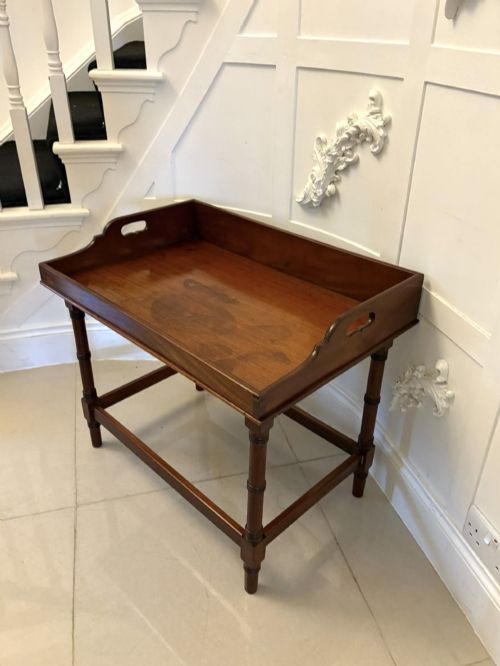
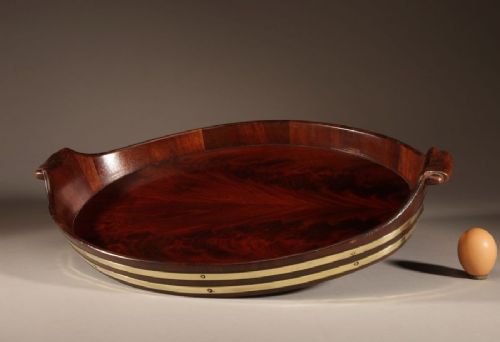
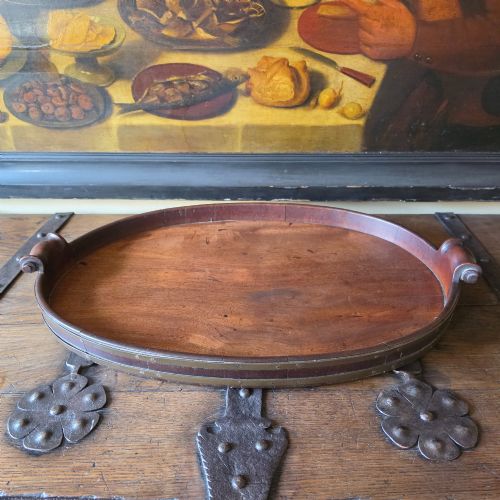
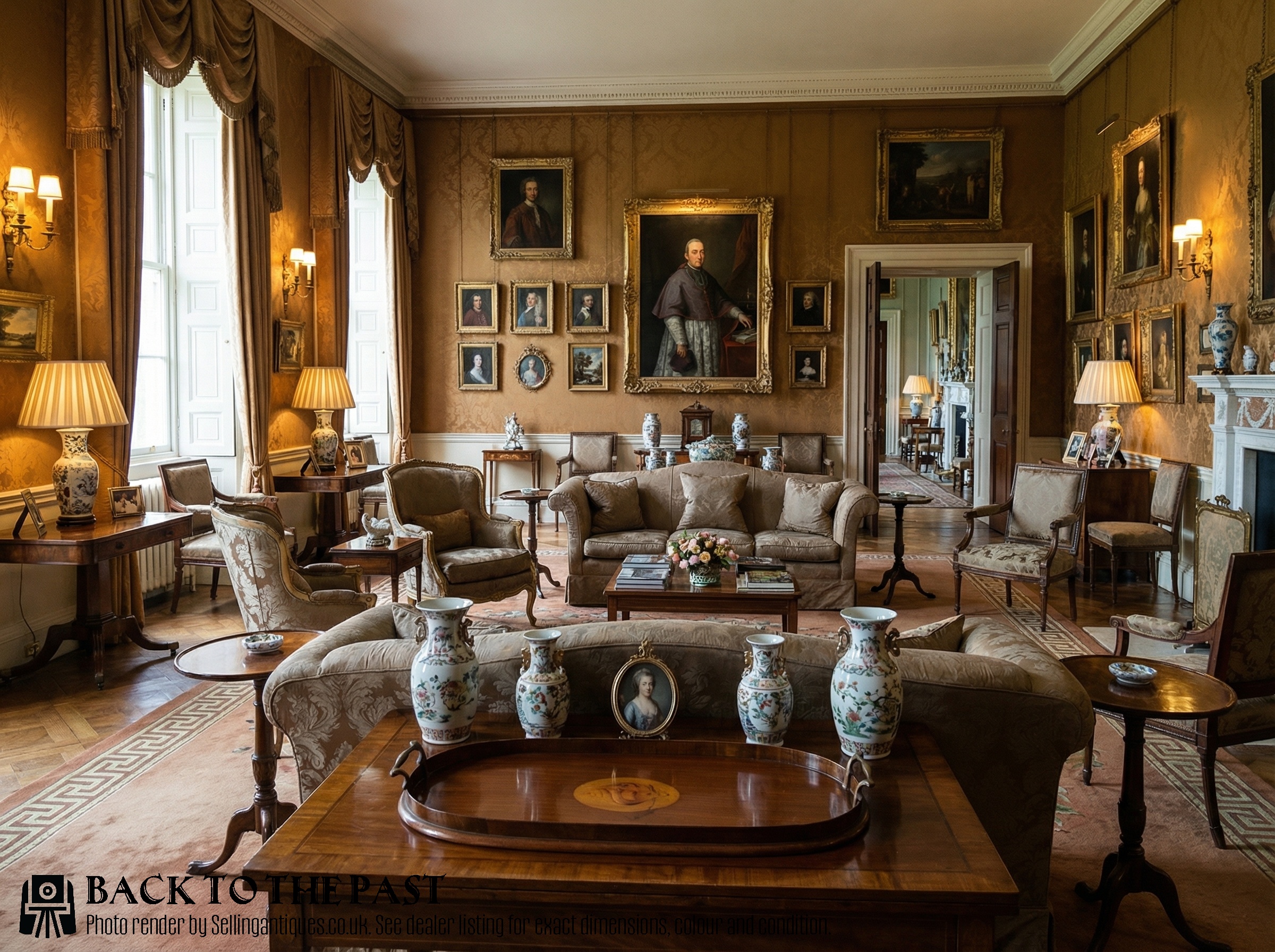
A georgian wooden tray encompasses serving trays, butler's trays on stands, and oval card trays produced during the Georgian period and later centuries. These items serve functional roles as portable servers or rest atop dedicated stands to form occasional tables.
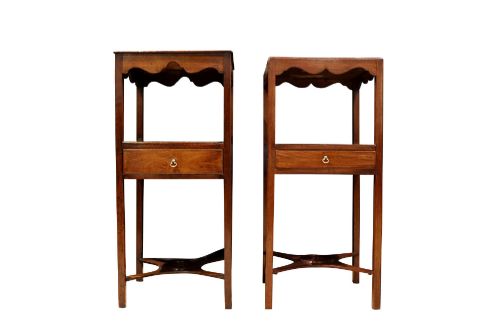
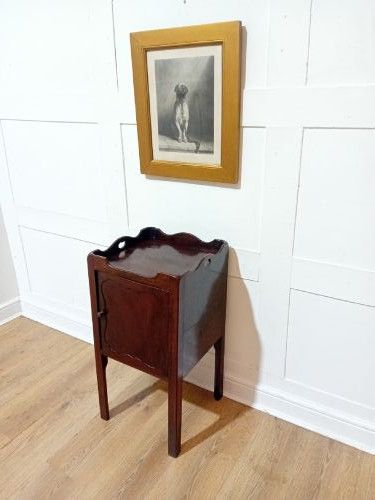
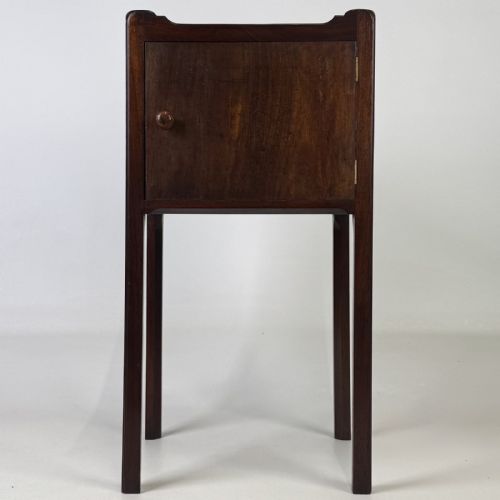
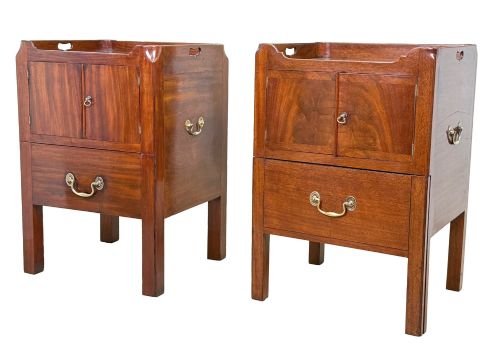
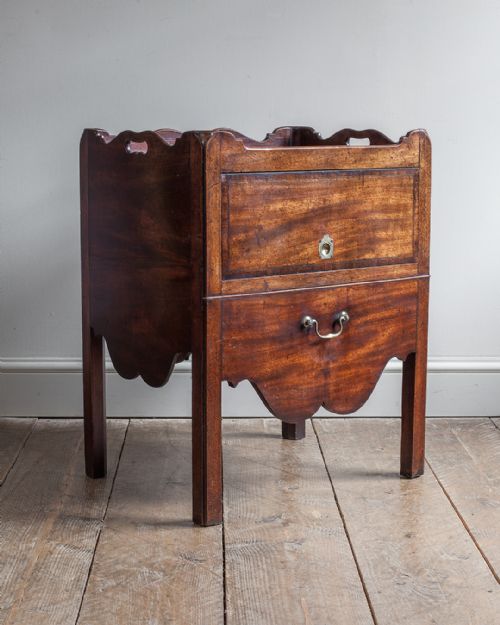
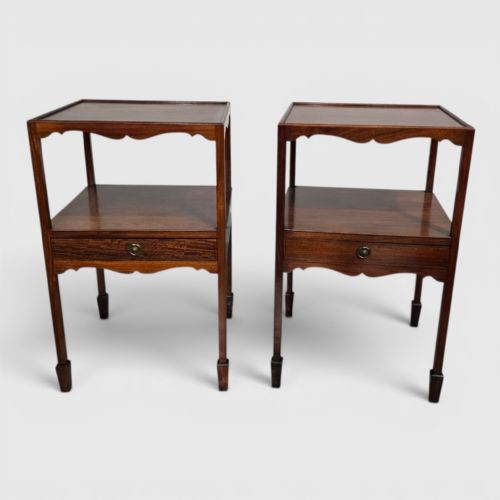
The selections on this page lean heavily towards mahogany, oak, and walnut constructions, appearing alongside related forms like tray-top lamp tables, cheese coasters, and bedside cabinets. Pieces range from straightforward 18th-century serving trays to later revival items.
Buyers encounter distinct configurations, including galleried edges, coopered construction, and folding coaching tables designed for flexible placement in domestic rooms.
What varies in quality
Quality rests in the selection of timber figures, such as rich Cuban mahogany or finely grained walnut, paired with precise inlay work and solid brass hardware. Superior examples display crisp moulding along galleried edges and tight, enduring joinery.
Proportion and decorative restraint separate standard utility items from finer decorative pieces, where carved details or serpentine forms elevate the basic serving tray into a polished table.
Georgian Wooden Tray Retail Price Guide 2026
Typical asking prices for georgian wooden tray among the pieces listed under this phrase on Sellingantiques today, from the lower quarter to the upper quarter. They describe what is for sale here now, not the wider market.
Among the practical serving items hide alphabet slopes complete with bone letters, ready for spelling out messages between courses.
The Georgian Wooden Tray Glossary
- Butler's tray
- A portable wooden tray featuring hinged or fixed sides, frequently paired with a folding stand to create a makeshift table. These were traditionally used for clearing dining tables and serving drinks.
- Coopered
- A method of construction using curved wooden staves bound together with metal bands, commonly seen in cylindrical vessels like cheese coasters and round trays. This technique derives from barrel-making traditions.
- Galleried
- A raised border surrounding the perimeter of a tray or tabletop to prevent items from sliding off during transport. This feature appears in carved wood or openwork frets.
- Cheese coaster
- A small, low wooden tray fitted with wheels or castors, designed to be slid across a dining table for port or cheese service. They often utilise mahogany and brass materials.
- Cabriole leg
- A furniture leg that curves outward at the knee and tapers inward at the ankle, ending in a pad or foot. This stylistic form appears on tray-top silver tables and lamp tables.
Georgian Wooden Tray: Frequently Asked Questions
How were butler's trays used?
These trays functioned primarily for transporting food, tableware, and drinks between rooms in large houses. The removable tray top allowed staff to carry items easily and place them onto a folding stand for serving.
In modern spaces, they serve double duty as coffee tables, side tables, or decorative display surfaces when left mounted on their stands.
What is a cheese coaster?
A cheese coaster is a small, low-sided tray fitted with small wheels or castors underneath. They allowed diners to push cheese selections and wine bottles smoothly along the surface of a long dining table.
Today, they make useful small trays for holding desk accessories or displaying small objects on a sideboard.
How do I care for wooden serving trays?
Wood surfaces require cleaning with a soft, dry cloth and protection from excess moisture and direct heat sources. Periodic application of appropriate wax maintains the polished finish of mahogany and walnut.
Avoid submerging antique wooden trays in water, as moisture damages traditional joints and lifts veneers.
Are these trays sturdy enough for daily use?
Most pieces were built from robust hardwoods like mahogany and oak for practical household service. Solid joinery and substantial timber thickness allow many original trays to support everyday items.
Lighter decorative trays or delicate inlaid card trays require more careful handling than heavy-duty butler's trays or coopered vessels.