
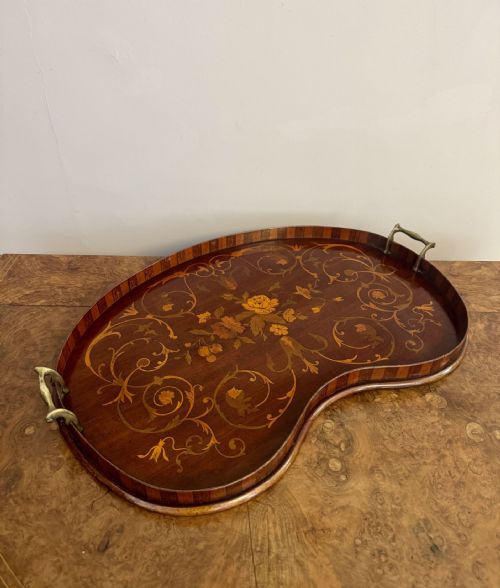



Inlaid Wood Tray
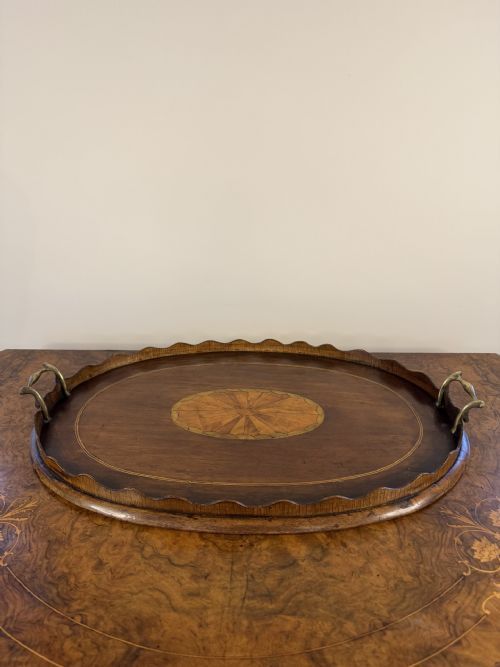
An inlaid wood tray brings centuries of fine cabinet-making into daily use, offering patterned surfaces of satinwood and mahogany.
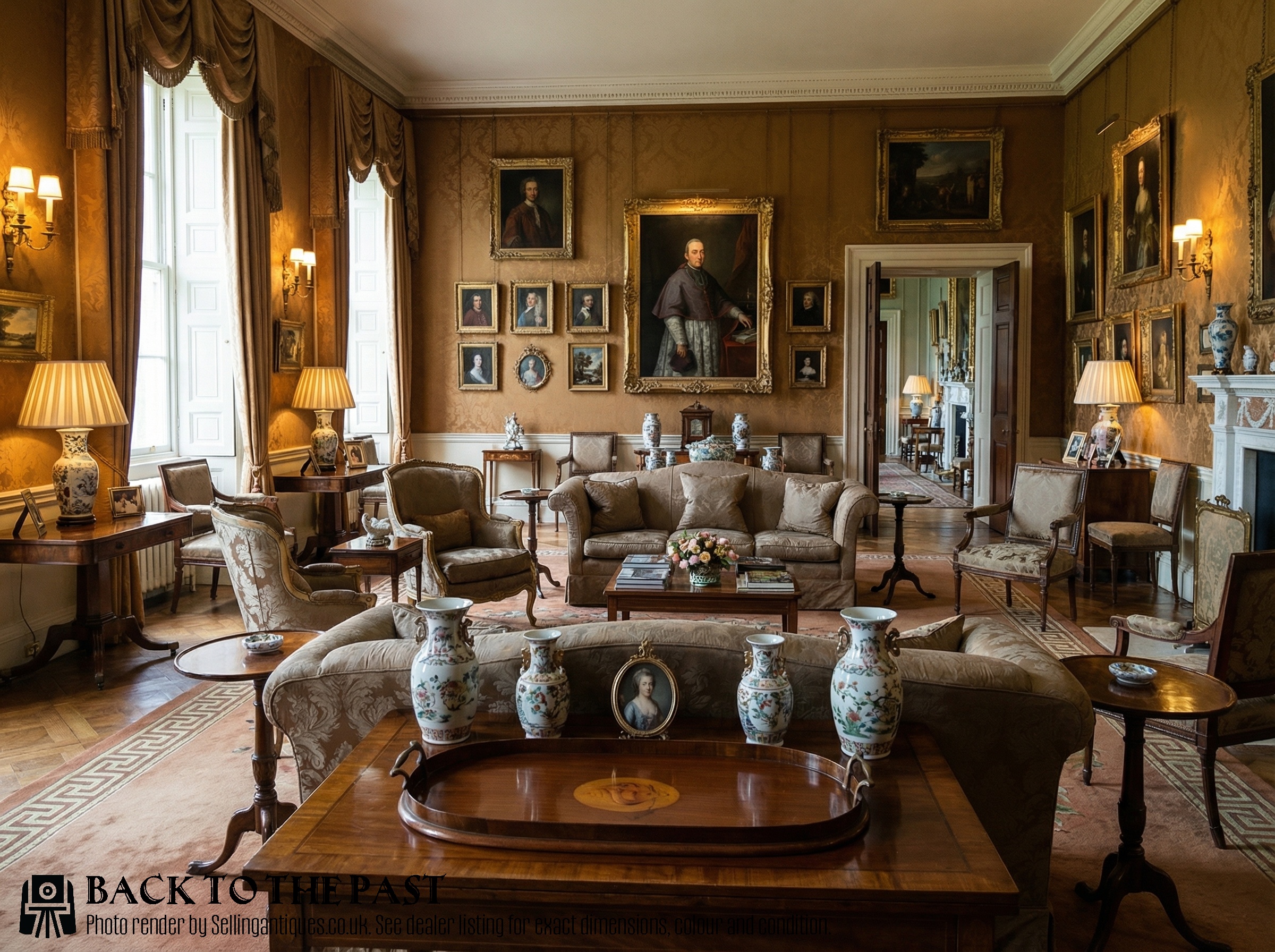
Inlaid Wood Tray
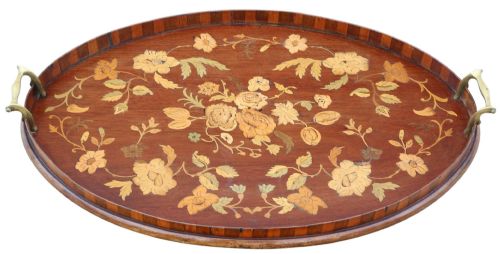
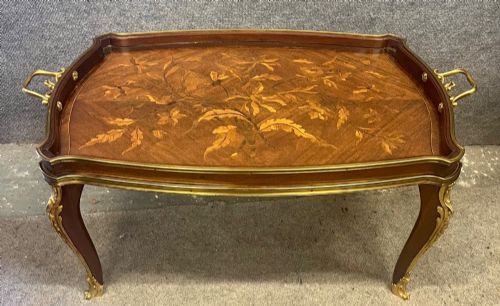
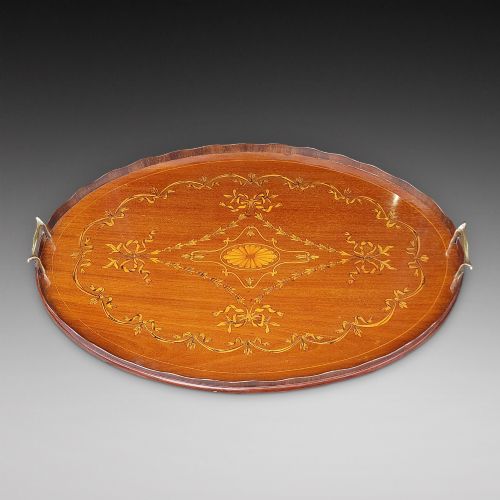
An inlaid wood tray combines functional serving surfaces with decorative parquetry and marquetry, spanning Georgian elegance through Edwardian refinement.
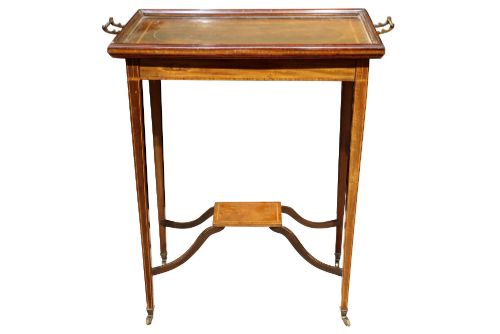
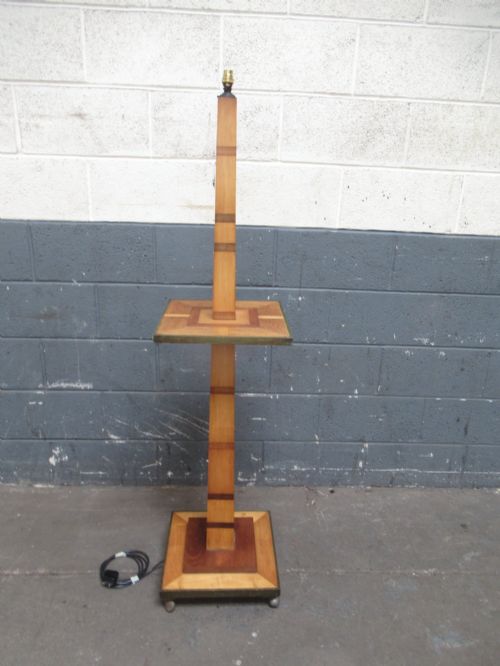
The pieces on this page appear primarily as serving trays, occasional tables, and tea trays constructed in mahogany, satinwood, and rosewood.
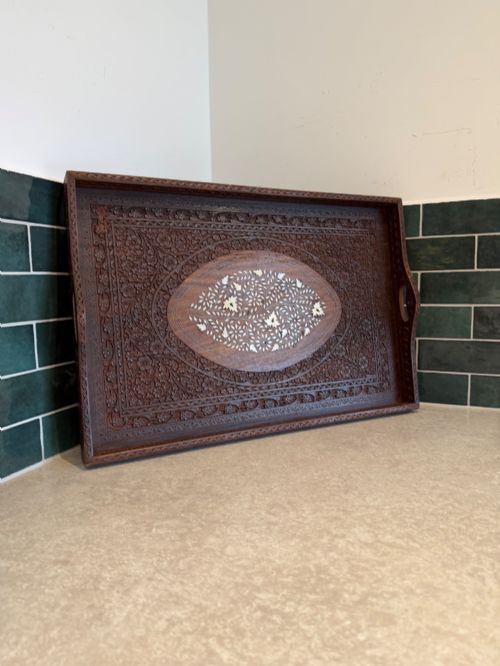
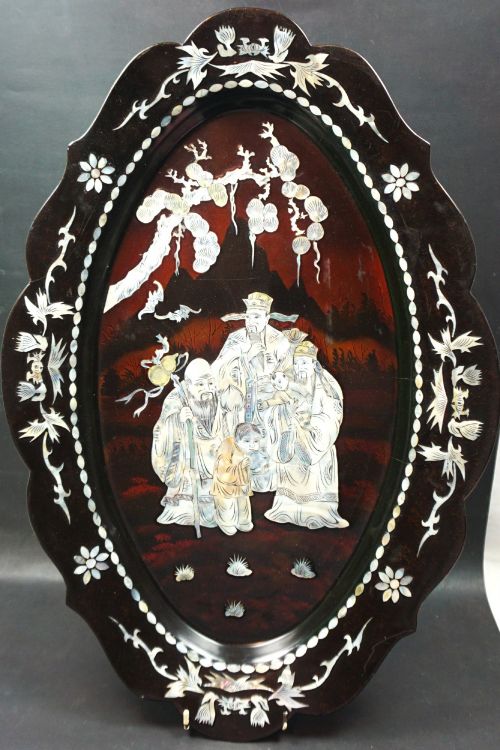
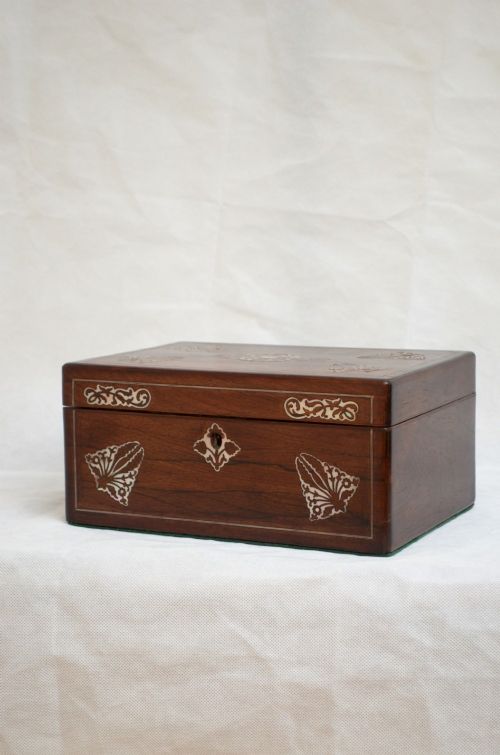
Examples range from simple nineteenth-century specimens to elaborate Anglo-Indian and Chinese hardwood pieces featuring mother-of-pearl and brass detailing.
How they were made
Cabinet-makers utilised dense timbers such as mahogany, walnut, and rosewood as foundational bases for intricate surface ornamentation.
Craftsmen applied contrasting veneers including satinwood, harewood, and fruitwoods using marquetry and parquetry techniques to form geometric or pictorial motifs.
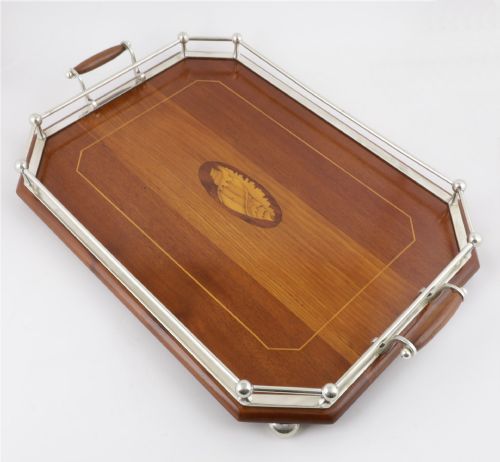
Many items incorporated additional elements like cast brass galleries, silvered side rails, and mother-of-pearl inlay to accent the timber frames.
Listings feature items spanning from the Georgian period through the Edwardian era, incorporating materials like brass, glass, and tortoiseshell.
What varies in quality
The standard of an inlaid wood tray rests in the precision of the veneer work and the crispness of the contrasting timber joints.
Superior examples demonstrate thoughtful grain selection and harmonious colour variation within the marquetry, whereas lesser pieces rely on simpler painted or stamped effects.
The integration of structural mounts, such as solid brass handles and galleries, distinguishes standard production items from finer bespoke creations.
The Inlaid Wood Tray Glossary
- Marquetry inlay
- The art of creating decorative patterns by fitting together small pieces of veneer into a timber ground.
- Satinwood
- A lustrous, hard timber native to India and Ceylon, prized for its golden yellow colour and utilised extensively in eighteenth and nineteenth-century cabinet-making.
- Gallery
- A raised ornamental border, often pierced or cast in brass, fitted around the perimeter of a serving tray or table top.
- Etagere
- A piece of furniture consisting of a set of open shelves for displaying small objects, frequently constructed with tray-like tiers.
- Parquetry
- A geometric mosaic of wood pieces used for floors and furniture covers, closely related to marquetry but strictly geometric in design.
Inlaid Wood Tray: Frequently Asked Questions
How were these trays used historically?
These trays served primarily for carrying tea sets, glassware, and correspondence within affluent households.
Over time, many transitioned into decorative display pieces or found new life atop occasional stands as small tables.
How do I care for antique wood trays?
Keep wooden items away from direct sunlight and extreme temperature fluctuations to prevent the delicate veneers from lifting or splitting.
Apply a mild, appropriate wax polish occasionally to nourish the timber and maintain the natural lustre of the finish.
Can I still use them for serving?
Sturdier nineteenth-century serving trays and gallery pieces remain robust enough for gentle everyday use when handled with care.
More delicate marquetry surfaces or those with intricate mother-of-pearl inlay are better suited to static display rather than heavy hospitality.
How do I distinguish regional styles?
British pieces often favour Sheraton Revival satinwood and mahogany motifs with classical symmetry and refined stringing.
Anglo-Indian and Chinese variants typically employ dense rosewoods or hardwoods paired with extensive brass wire or luminous mother-of-pearl work.