



Antique Oval Tray
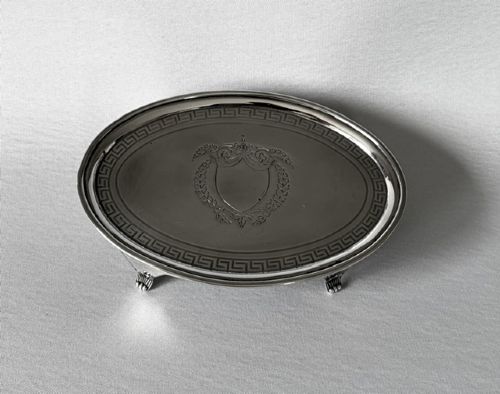
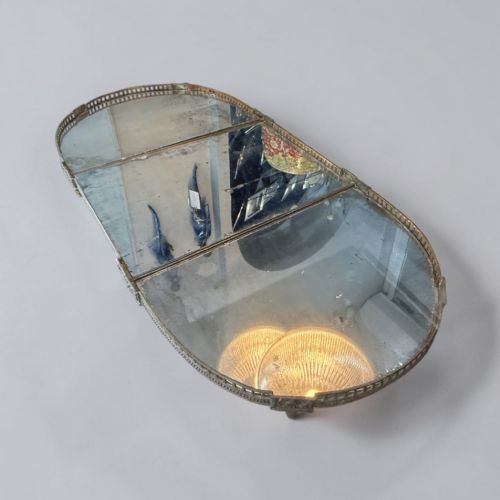
When you search for an antique oval tray, you encounter serving pieces and butler tables spanning Georgian craftsmanship to Edwardian silver plate.
Antique Oval Tray
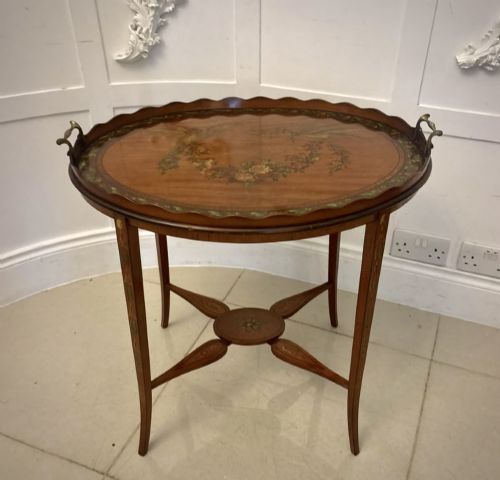
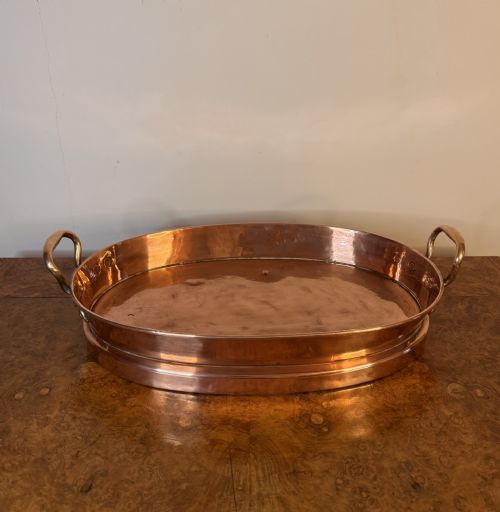
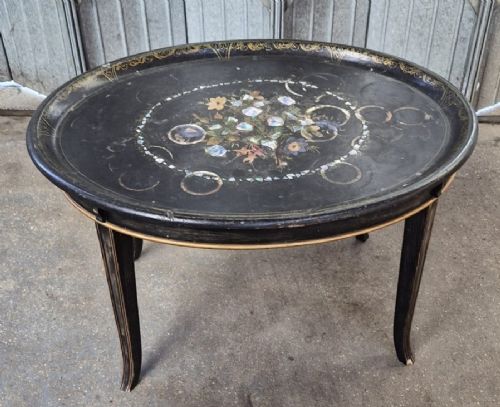
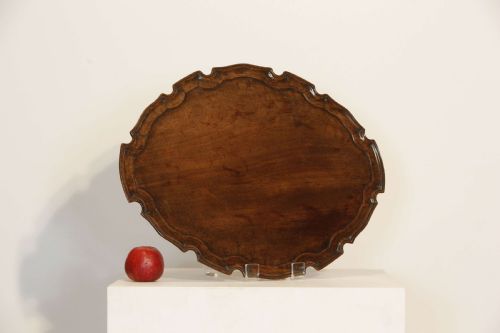
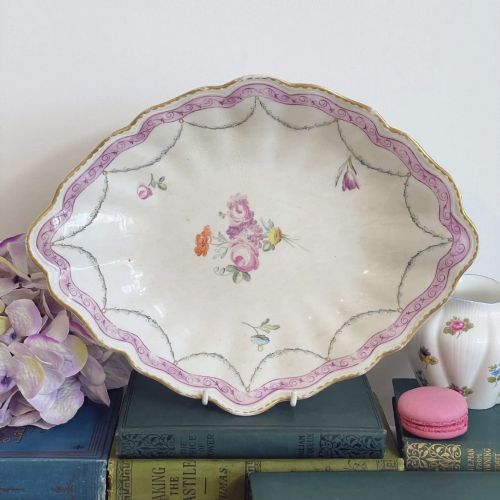
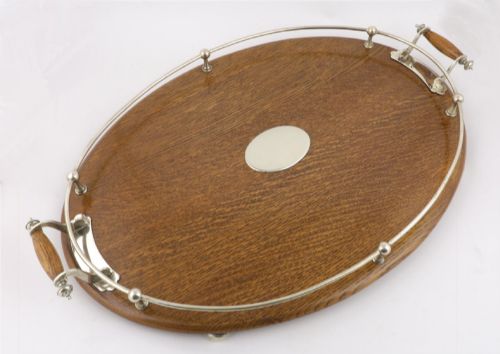
An antique oval tray serves functional and decorative roles, appearing across dining rooms and drawing rooms from the Georgian period onward. Buyers searching for an antique oval tray frequently encounter mahogany serving trays, silver plated tea platters, and coopered vessels designed for carriage.
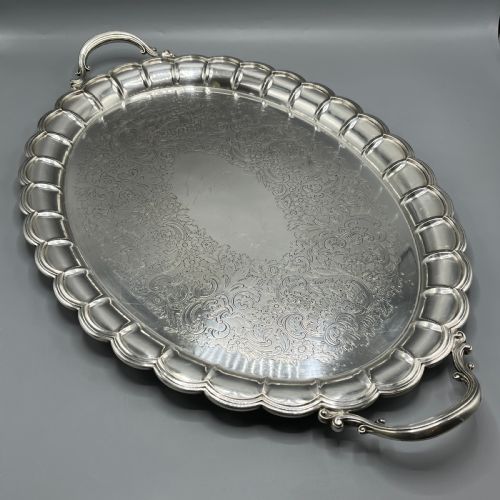
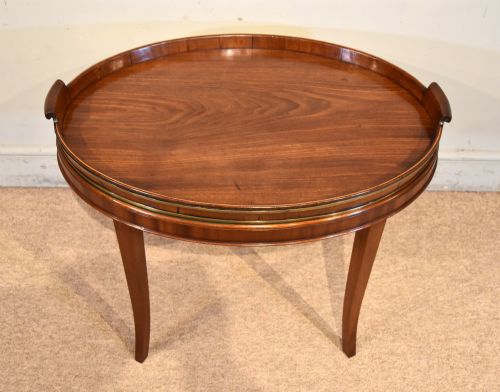
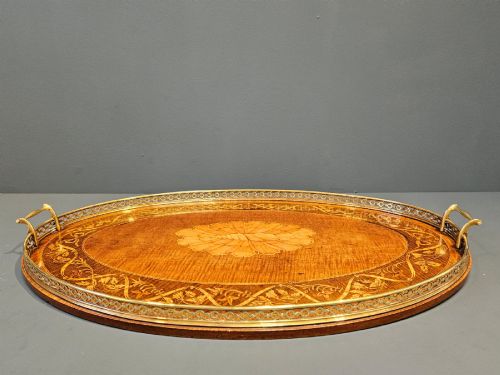
The selection ranges from large Edwardian mahogany tea trays set on folding stands to Victorian silver plated gallery trays fitted with pierced rims and carrying handles. Smaller silver dressing trays and earthenware dishes also emerge within this category, reflecting diverse domestic uses.
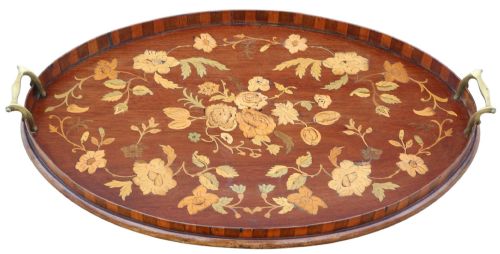
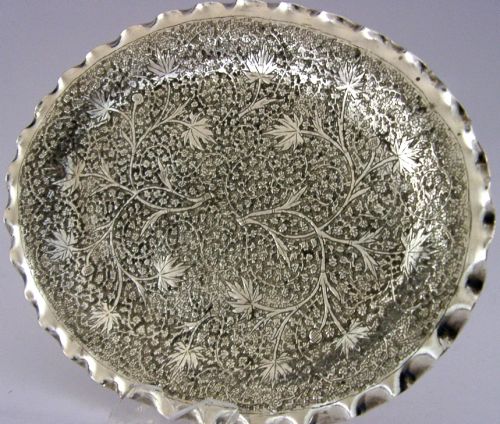
Formal silver and plated varieties often display elaborate engraved surfaces intended for formal hospitality. Meanwhile, wooden examples emphasise figured timber, marquetry inlay, and raised brass bound decoration suited to daily service.
How They Were Made
Cabinetmakers constructed wooden trays using solid mahogany, satinwood, and oak, frequently applying intricate marquetry, oyster veneers, and contrasting stringing. Coopered techniques involved tightly fitting curved wooden staves bound with brass bands to create durable oval walls.
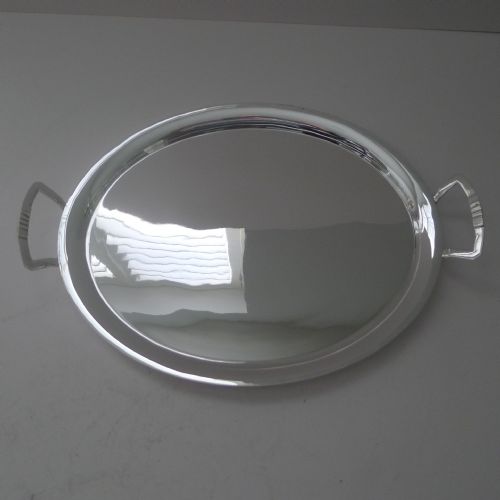
Metal versions utilise sterling silver, copper, and silver plate over base metals. Silversmiths employed hand hammering, repousse work, and piercing to form galleries, while employing flat chasing and engraving for surface decoration.
Antique Oval Tray Retail Price Guide 2026
Typical asking prices for oval tray among the pieces listed under this phrase on Sellingantiques today, from the lower quarter to the upper quarter. They describe what is for sale here now, not the wider market.
Some Edwardian butlers found themselves navigating tea service across deep-pile carpets without spilling a drop.
What Varies In Quality
Construction methods and material selection define the distinction between standard production and superior work. Fine wooden examples demonstrate precise matching of timber grain, crisp marquetry inlay, and securely joined gallery rails rather than simple surface decoration.
Metal trays show variation through the thickness of the silver or plating layer, the depth and clarity of hand engraving, and the structural rigidity of applied handles and pierced galleries. Superior metalwork retains crisp detail in chased borders without thinning at points of stress.
Mappin & Webb·Walker & Hall·Thomas Bradbury & Sons·James Dixon·Hugh Wallis·Liberty & Co
The Antique Oval Tray Glossary
- Gallery tray
- A tray featuring a raised pierced or solid metal border designed to prevent items from sliding off during transport.
- Marquetry
- The art of applying decorative pieces of veneer to a wooden structure to form intricate pictorial or geometric patterns.
- Butler's tray
- A removable serving tray fitted with hinged or fixed sides, frequently paired with a dedicated folding stand.
- Coopered
- Constructed from vertical wooden staves joined edge to edge, similar to barrel making, to form a rounded vessel.
- Repousse
- A metalworking technique where the design is hammered into relief from the reverse side of the sheet.
Antique Oval Tray: Frequently Asked Questions
How were butler trays used?
These versatile pieces functioned primarily to transport tea services and drinks from the kitchen to the drawing room. The removable tray top lifted directly off its folding stand for ease of serving.
In period households, they provided temporary table space during large gatherings before being folded and stored away.
How do I date wooden trays?
Georgian examples often rely on simple, elegant mahogany construction with integral handles and understated proportions. Later Victorian and Edwardian pieces frequently incorporate elaborate marquetry inlay, satinwood banding, and fitted brass handles.
Examining the timber grain, construction joints, and underside wear helps confirm the period of manufacture.
Can silver plated trays be polished?
Silver plated pieces tolerate gentle cleaning with specialised silver polishes to maintain their bright metallic lustre. Care prevents wearing through the thin silver layer covering the base metal beneath.
Frequent light cleaning preserves engraved details far better than aggressive restoration attempts.