





Antique Porcelain Serving Dish
An antique porcelain serving dish brings hand-painted colour and eighteenth- or nineteenth-century craftsmanship directly to the modern dining table.
Antique Porcelain Serving Dish
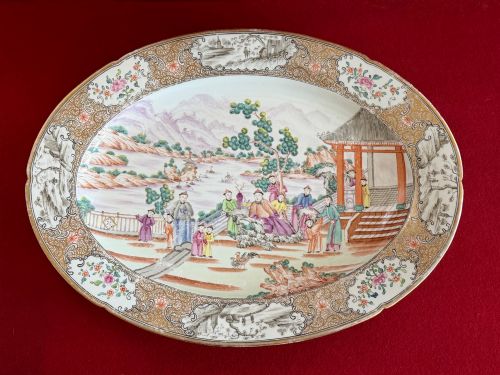
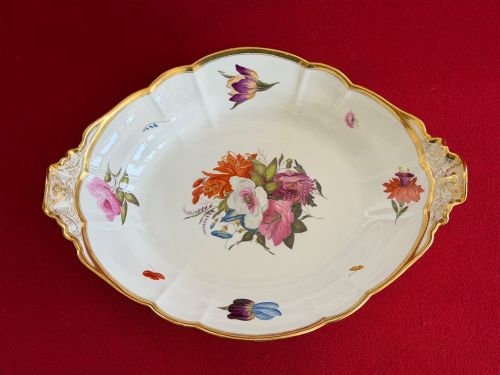
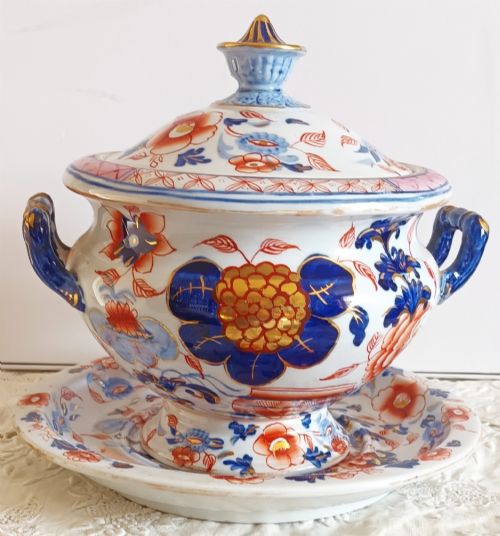
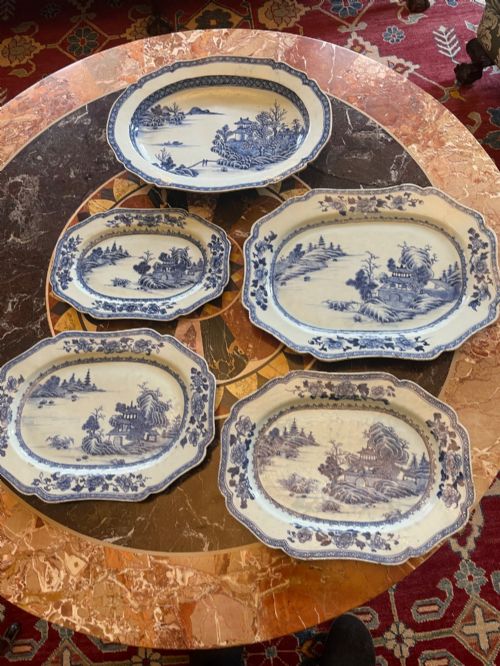
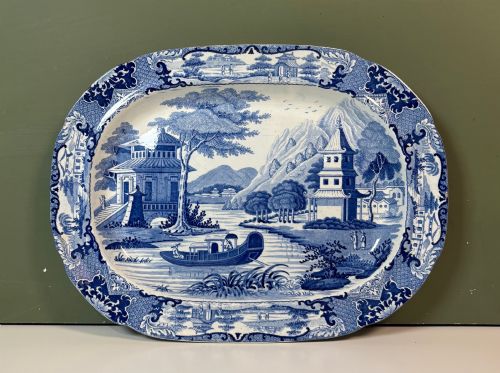
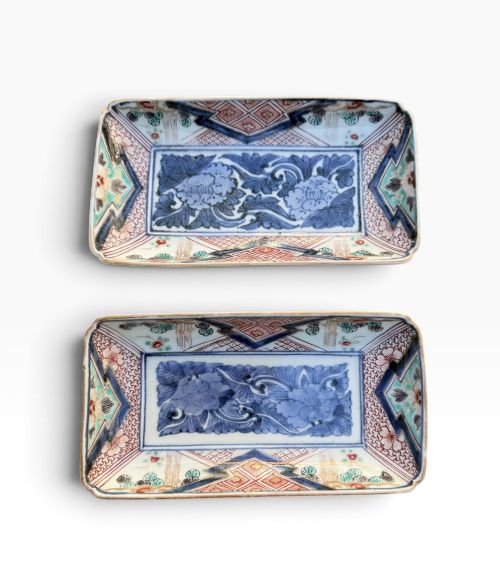
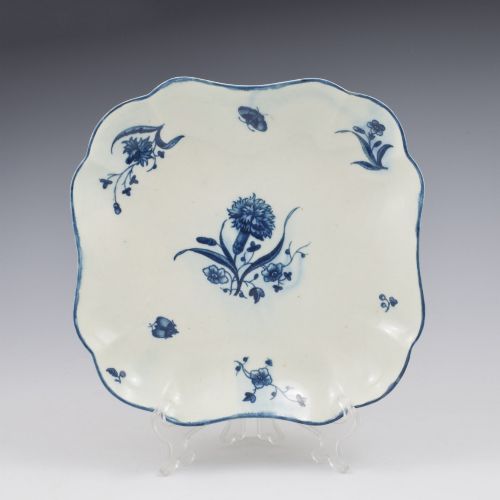
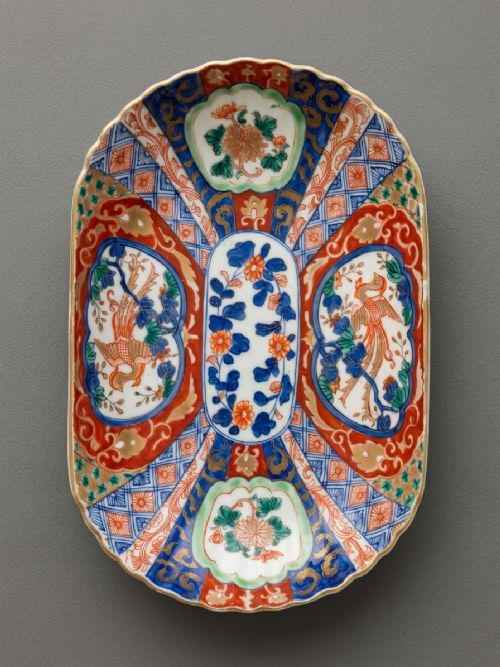
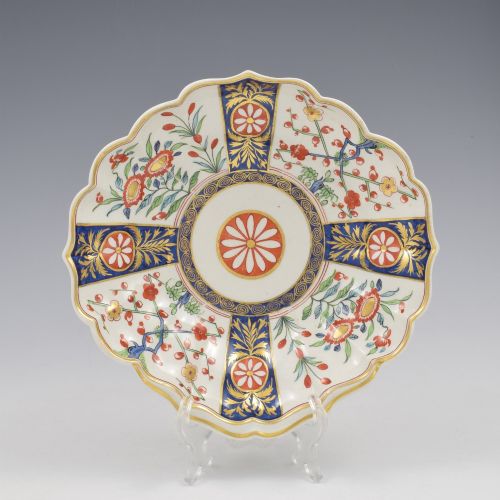
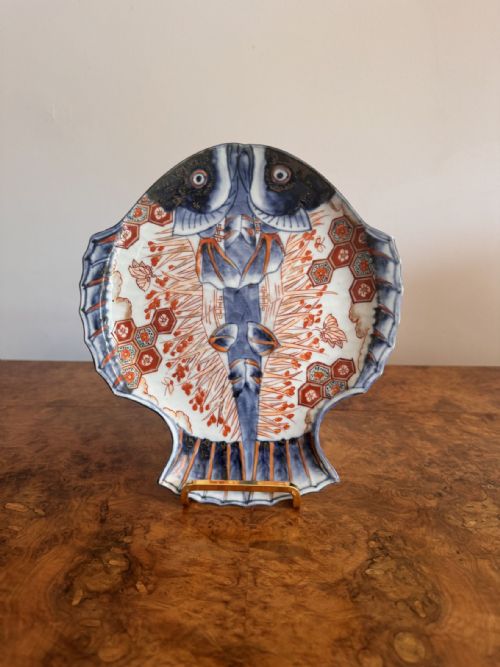
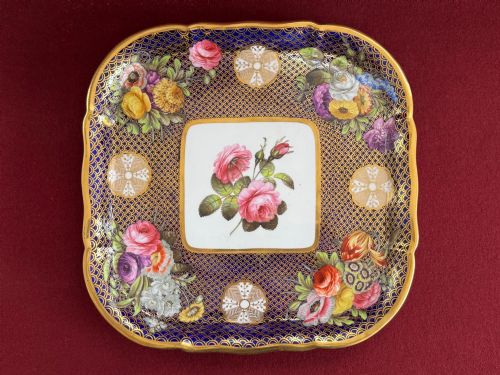
When searching for an antique porcelain serving dish, buyers encounter a diverse range of forms, from eighteenth-century English floral dessert plates to Japanese Imari platters and nineteenth-century tureens. These pieces served practical dining functions in historic households, displaying everything from roasted meats to delicate sweetmeats at formal meals.
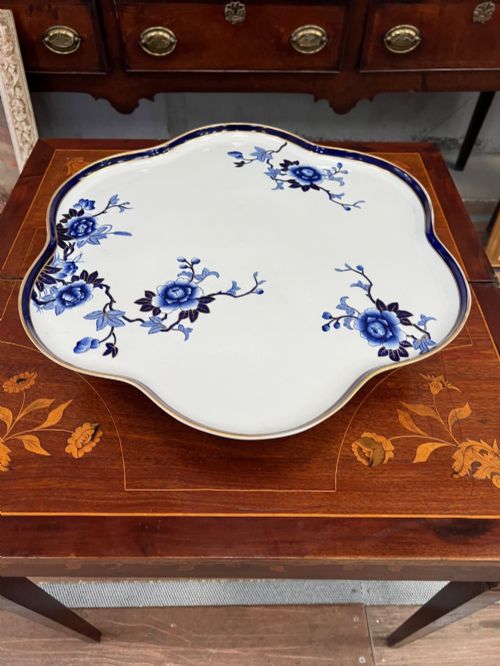
The pieces appearing on this page span several centuries, with prominent representation from the eighteenth and nineteenth centuries alongside Georgian, Regency, and Meiji period examples. Forms vary considerably between round chargers, scalloped bowls, square lobed dessert dishes, and oval platters intended for distinct culinary tasks.
Makers ranging from Worcester and Derby to Meissen and various Chinese export kilns produced these utilitarian yet decorative items. Buyers find both English soft-paste porcelain and imported wares decorated with hand-painted birds, flowers, and cobalt blue designs.
How they were made
Makers utilised ceramic body materials including soft-paste porcelain, hard-paste porcelain, and ironstone, shaping them into bowls, plates, and tureens through throwing, moulding, or pressing. Potters applied glazes to create smooth, vitreous surfaces capable of holding food.
Decoration relied on hand-painted polychrome or blue and white pigments, sometimes enhanced with gilding, gold leaf, and enamel work. Firing in kilns fixed these designs beneath or above the glaze, securing the colours for daily use.
Antique Porcelain Serving Dish Retail Price Guide 2026
Typical asking prices for porcelain serving dish among the pieces listed under this phrase on Sellingantiques today, from the lower quarter to the upper quarter. They describe what is for sale here now, not the wider market.
Materials recorded across these dishes include soft-paste porcelain, ironstone, enamel, glaze, and gold leaf.
What varies in quality
Quality rests primarily on the crispness and skill of the hand-painted decoration, distinguishing finely detailed bird or floral scenes from standard factory output. Superior pieces display masterwork brushwork, precise polychrome shading, and carefully applied gilding.
The sophistication of the porcelain body and moulding also separates exceptional dishes from ordinary wares, seen in thinner potting, intricate lobed or pierced edges, and well-preserved glaze surfaces.
Royal Crown Derby·H & R Daniel·Dr Wall Worcester·Coalport·Meissen·Chelsea·Chamberlains Worcester·Hicks & Meigh·Royal Doulton·Copeland & Garrett·John Ridgway·Rockingham Pottery·Spode·Doulton Burslem
The Antique Porcelain Serving Dish Glossary
- Imari
- A style of Japanese porcelain decorated in underglaze blue, iron red, and gilt, which heavily influenced European pottery manufacturers. European makers frequently copied these vibrant palettes during the eighteenth and nineteenth centuries.
- Soft-paste porcelain
- A ceramic material composed of clay and glass frit, fired at lower temperatures than true hard-paste porcelain. It produces a warm, creamy body common in early English factories.
- Tureen
- A deep covered vessel designed for serving soups, sauces, or stews at the table. These pieces often include matching stands or platters.
- Charger
- A large decorative plate or platter used either for serving food or as an under-plate for smaller courses. They frequently feature elaborate hand-painted central motifs.
- Enamel
- Opaque glass-like pigments applied over the glaze and fired at low temperatures to add bright colours to porcelain surfaces. It creates raised, tactile details on the decoration.
Antique Porcelain Serving Dish: Frequently Asked Questions
Can I use antique porcelain serving dishes for food?
Most pieces remain structurally sound for serving dry foods, though hand-washed care is necessary to protect historic glazes and gilding.
Enamels and gold leaf from the eighteenth and nineteenth centuries can degrade if subjected to modern dishwashers or harsh chemical detergents.
How do I identify eighteenth-century porcelain?
Early pieces often feature soft-paste bodies, underglaze blue painted marks, and distinctive painterly irregularities in the hand-applied flora or fauna.
Examining the footrim for unglazed porcelain and studying documented factory marks helps confirm the period of manufacture.
What is the difference between Chinese Export and Japanese Imari?
Chinese export porcelain made for Western markets typically displays famille rose or blue and white designs adapted to European tastes. Japanese Imari utilises a distinct iron-red, cobalt blue, and gilt palette with dense floral or brocade patterns.
Both styles were widely imported and subsequently copied by European factories during the Georgian and Victorian eras.
How should I display a serving dish?
Platters and chargers look best mounted securely on plate hangers for wall display or set upright on sturdy display stands inside cabinets. Smaller dishes and tureens suit sideboards or open shelving where the interior painted scenes remain visible.