
Antique Porcelain Dessert Plate
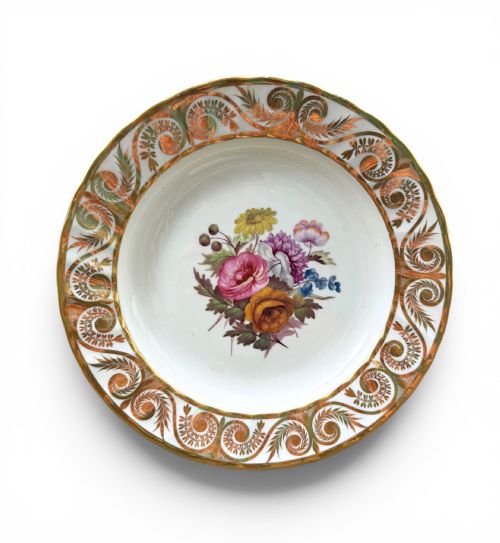
These antique porcelain dessert plate examples bring rich hand-painted colour and gilded detail to the table, exactly what every period dining setup needs.
What They Are
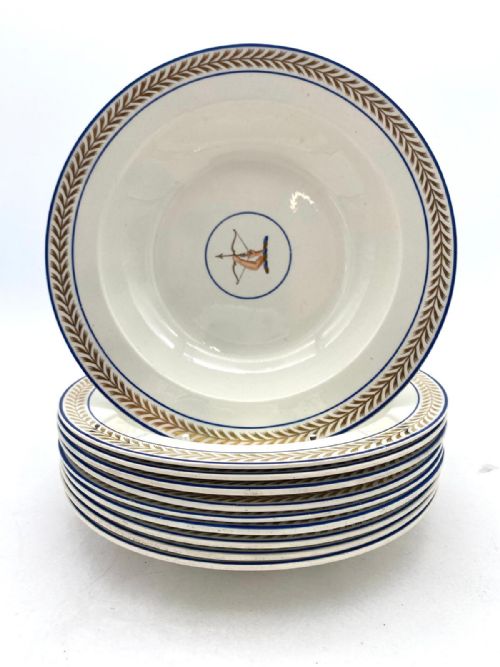
An antique porcelain dessert plate represents a refined form of tableware designed specifically for the final course of a formal meal. These pieces appear across the 18th Century, Georgian, and 19th Century periods, reflecting changing dining habits and social rituals.
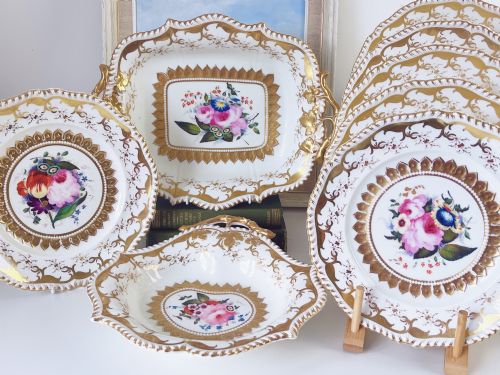
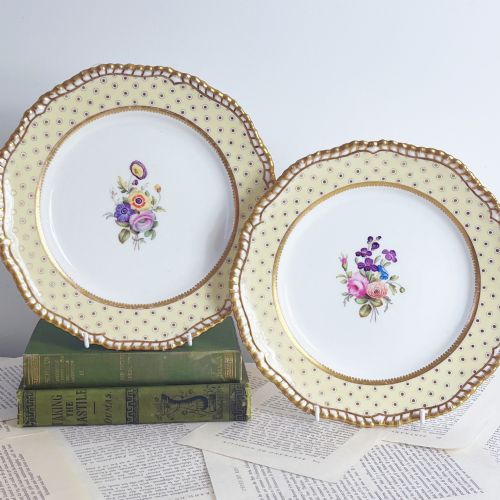
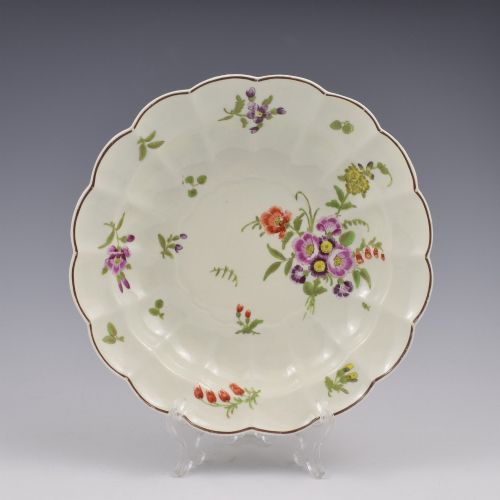
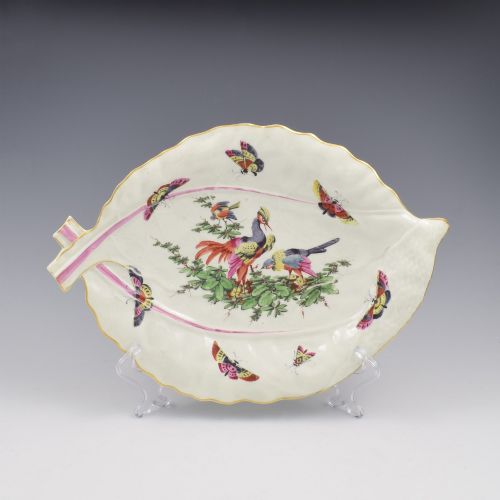
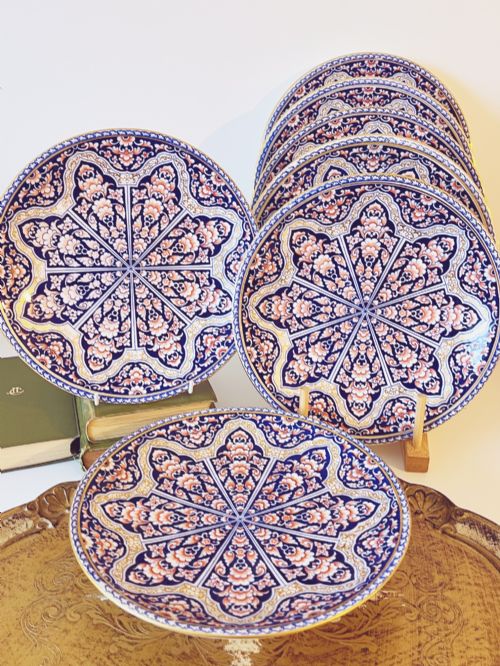
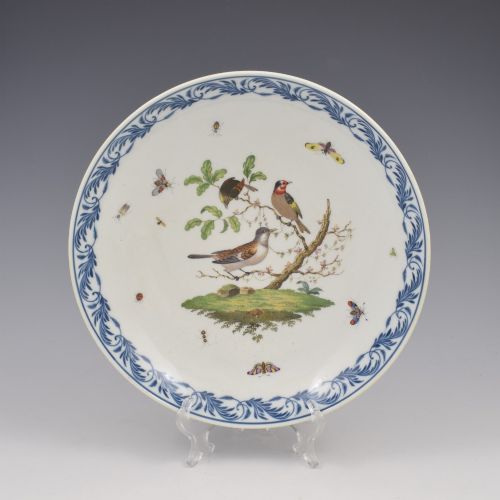
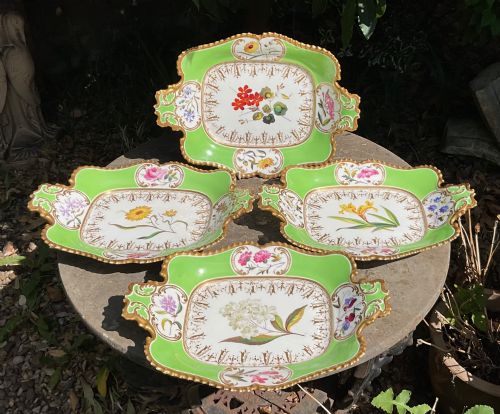
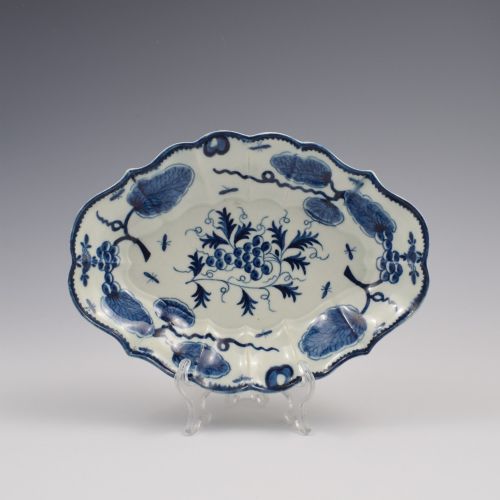
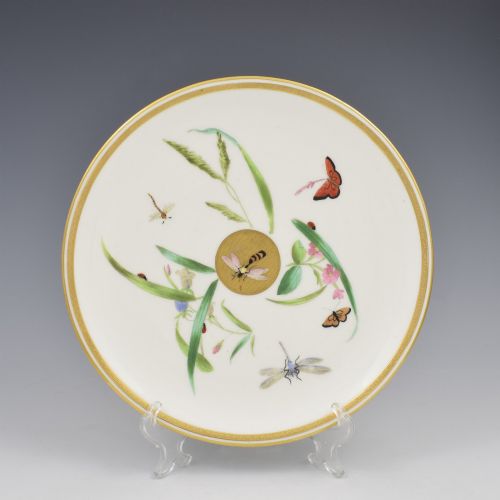
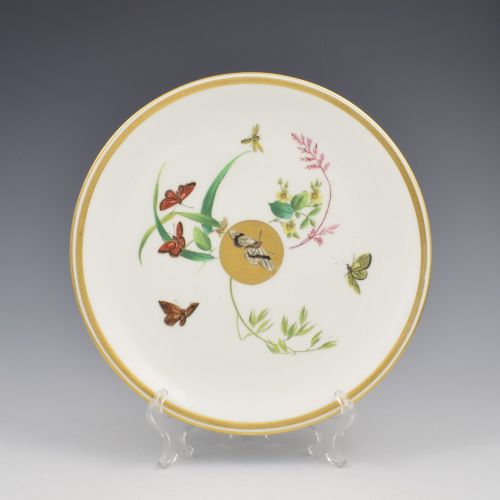
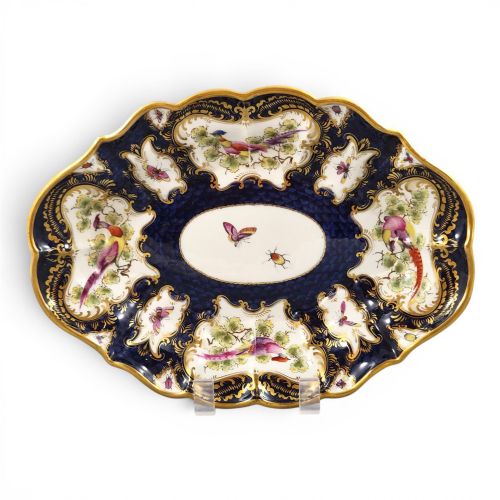
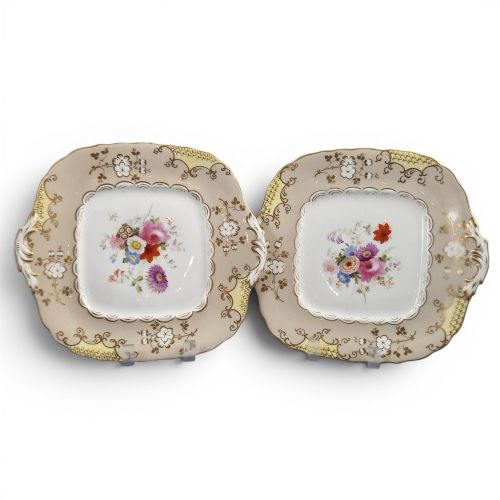
The selections available here include decorative plates, decorative dishes, and cabinet plates. Styles range from Regency and Georgian to Victorian Rococo Revival, showing varied aesthetic tastes across different decades.
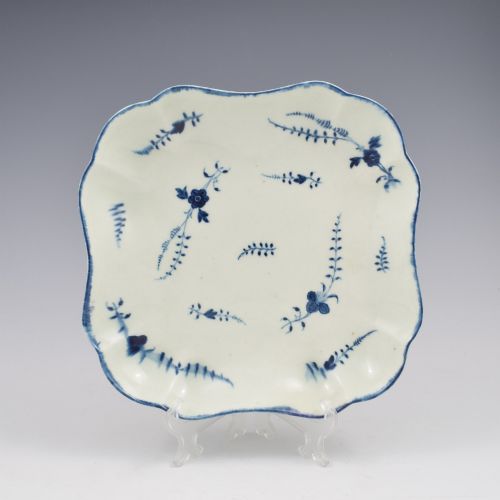
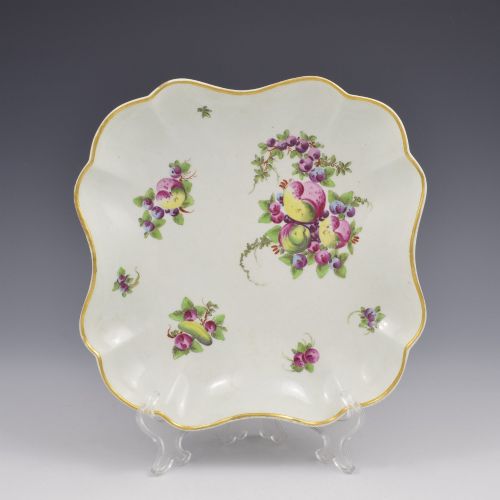
Buyers most frequently encounter soft-paste porcelain and standard porcelain bodies shaped into circular or square formats. These items often feature hand-painted motifs intended for display as much as for serving fruit and sweetmeats.
How They Were Made
Potters shaped porcelain paste by hand or in moulds before firing the ceramic at high temperatures to create a durable white body. Artisans then applied underglaze cobalt blue decorations or overglaze enamels to achieve rich surface patterns.
Gilding with gold leaf was applied by hand to borders, rims, and compartment lines, requiring a secondary firing to bond the metal to the glaze. Skilled painters executed floral sprays, landscapes, and exotic motifs such as dragons directly onto the fired surface.
The inventory records both square dessert dishes and standard circular plates decorated in Regency and Victorian Rococo Revival styles.
What Varies in Quality
The refinement of the porcelain paste and the precision of the throwing or moulding set the baseline for quality. Earlier soft-paste bodies display a warmer, softer lustre compared to later hard-paste ceramic compositions.
Artistic execution dictates the upper tier of value, particularly the brushwork in handpainted flowers and complex motifs like the dragon in compartments. Heavily chased or smoothly burnished gold leaf indicates superior craftsmanship compared to flat, dull gilding.
Samuel Alcock·Chamberlain Worcester·Coalport·Jean-Pierre Feuillet
The Antique Porcelain Dessert Plate Glossary
- Soft-paste porcelain
- An artificial porcelain composition fired at lower temperatures, prized by collectors for its warm glaze texture and slight translucency. It was widely used in early British factories before bone china became dominant.
- Cobalt
- A deep blue metallic oxide used under the glaze for durable, vibrant decoration that withstands high firing temperatures. It forms the rich foundational ground on many Regency and Georgian plates.
- Gold leaf
- Hammered sheet gold applied to ceramic surfaces for decorative borders and highlights, often burnished to a high shine. Its condition and application thickness indicate the workshop standard.
- Cabinet plate
- A decorative plate intended primarily for display in a cabinet or on a wall rather than active dining use. These pieces usually feature more elaborate handpainted scenes and extensive gilding.
- Enamel
- Opaque coloured glass fused to the porcelain surface during a low-temperature kiln firing. It provides the vibrant palette seen in floral sprays and figural compartments.
Frequently Asked Questions
Are these plates safe for modern dining?
While these items were originally created for serving food, their age, delicate enamels, and gold leaf make them largely unsuited for everyday meals or modern dishwasher use.
Collectors generally treat them as display items, cabinet pieces, or decorative dishes for light use to preserve the hand-painted surfaces.
How do I tell an 18th century plate from a 19th century one?
Examining the ceramic body under a strong light often reveals differences in translucency and glaze pooling between soft-paste and later porcelain types.
Stylistic cues such as the restraint of Georgian design versus the bolder ornamentation of Victorian Rococo Revival also help date the piece.
Why are some plates called cabinet plates?
Cabinet plates were manufactured specifically for visual display in drawing rooms rather than for functional service at the dining table.
Because they were spared the wear of cutlery and washing, these pieces frequently retain much crisper enamel colours and brighter gold leaf.
What is cobalt ground?
A cobalt ground refers to a rich blue background colour applied to the ceramic before the final glaze firing, creating a striking contrast with gilded borders.
This technique required exceptional kiln control to ensure an even, deep hue across the porcelain surface.