




Hand Painted Ceramic Dish
A hand painted ceramic dish brings together brushwork and form across centuries of kiln craft, offering visual weight to a table or cabinet.

Hand Painted Ceramic Dish
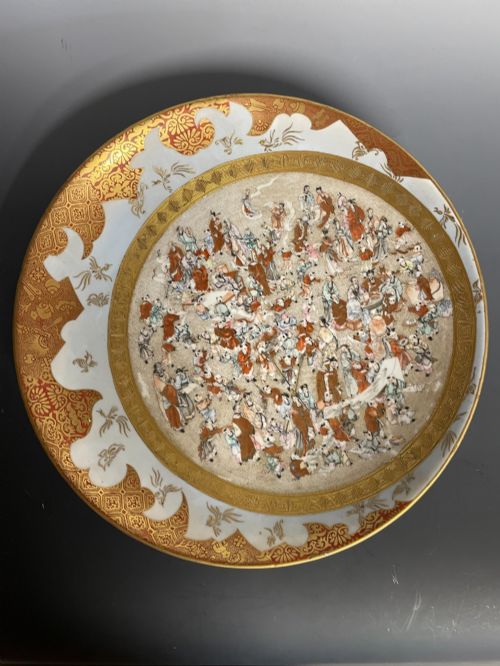
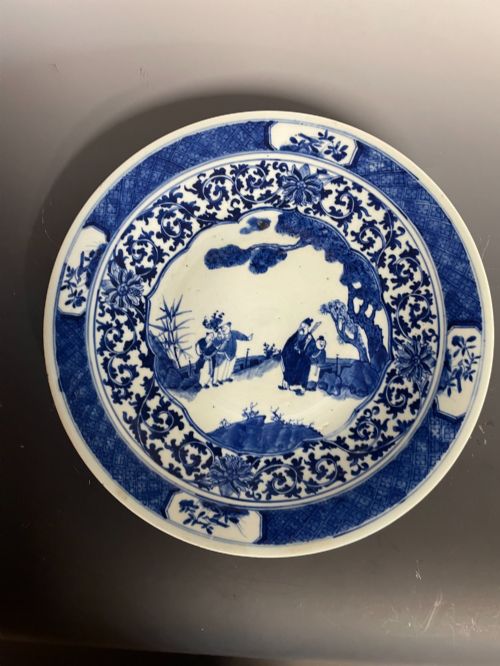
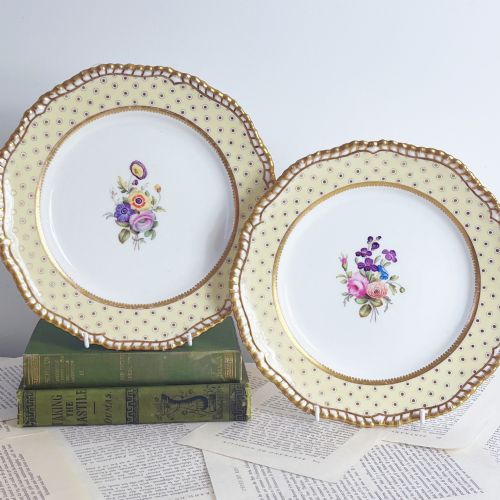
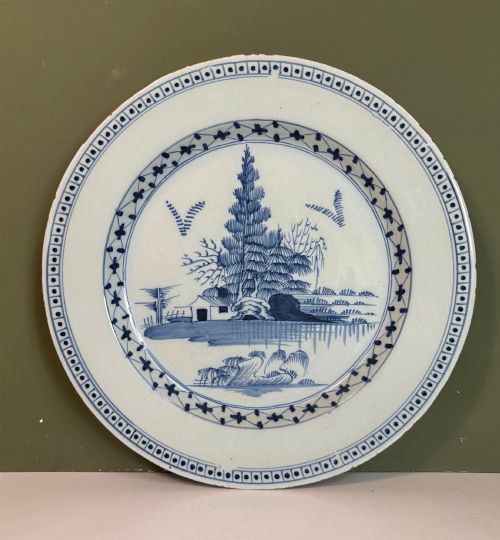
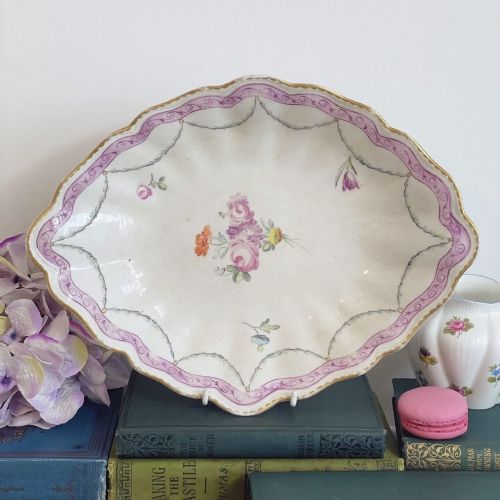
When you search for a hand painted ceramic dish, you encounter forms ranging from cabinet plates and chargers to sweetmeat dishes and serving bowls. The selection spans the eighteenth, nineteenth, and early twentieth centuries, drawing on English, continental European, and East Asian traditions.
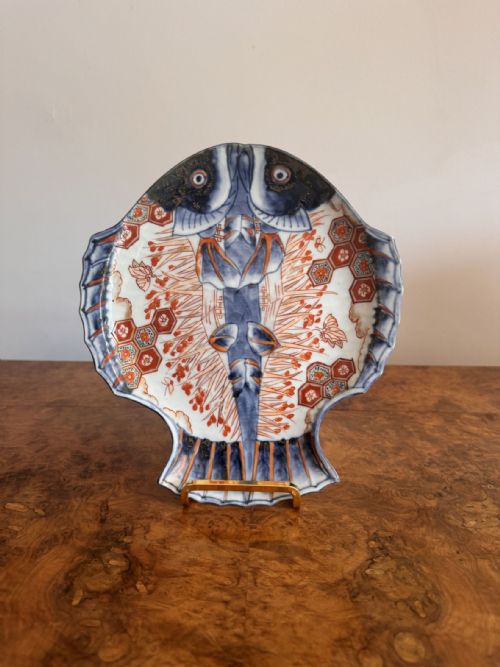
English factories such as Worcester, Derby, and Spode appear alongside continental works from Meissen, Sèvres, and Delft. Japanese Imari and Chinese export porcelains from the Qing dynasty add depth to the range.
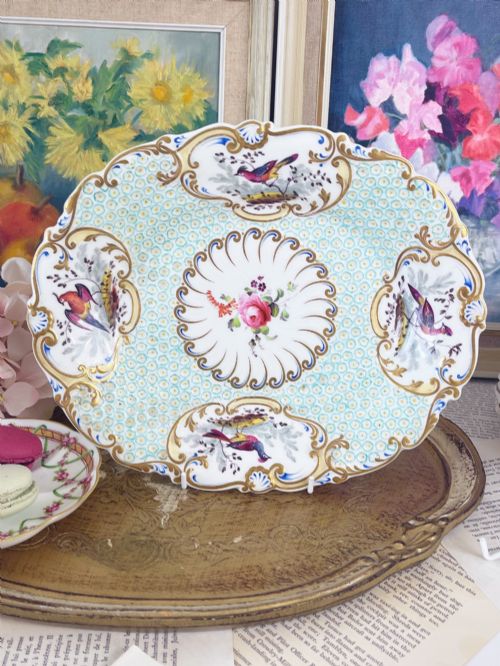
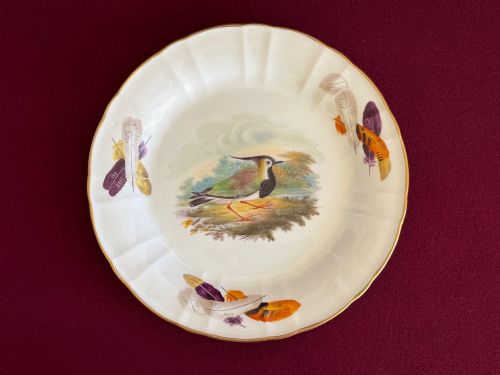
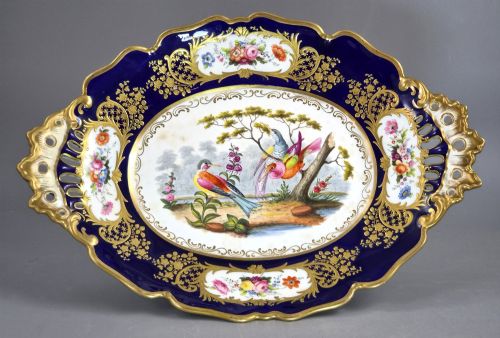
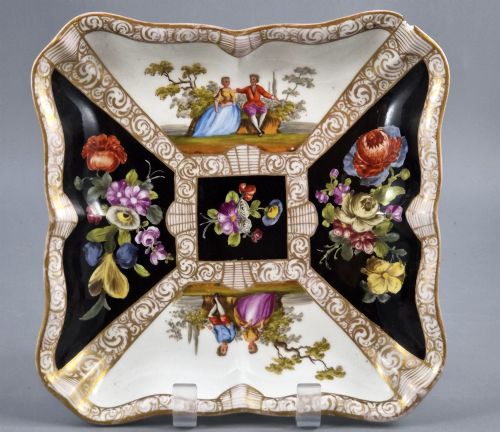
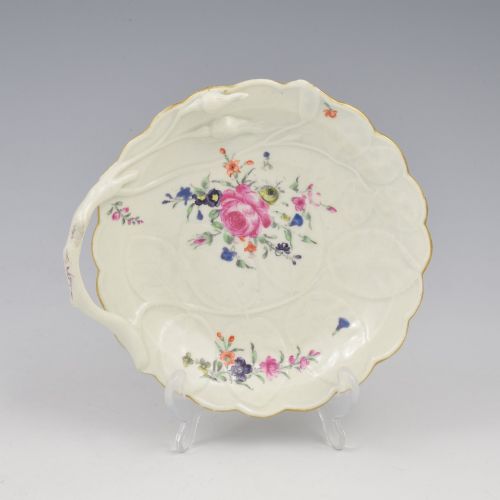
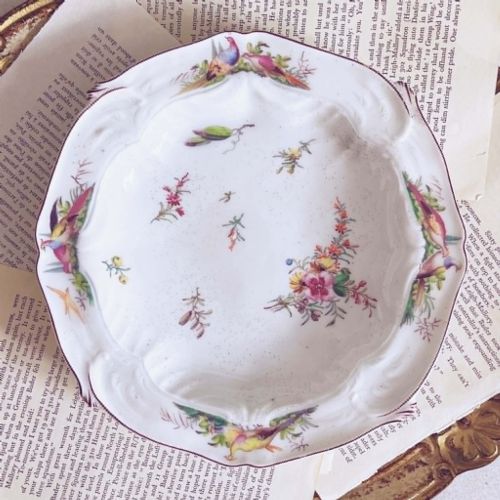
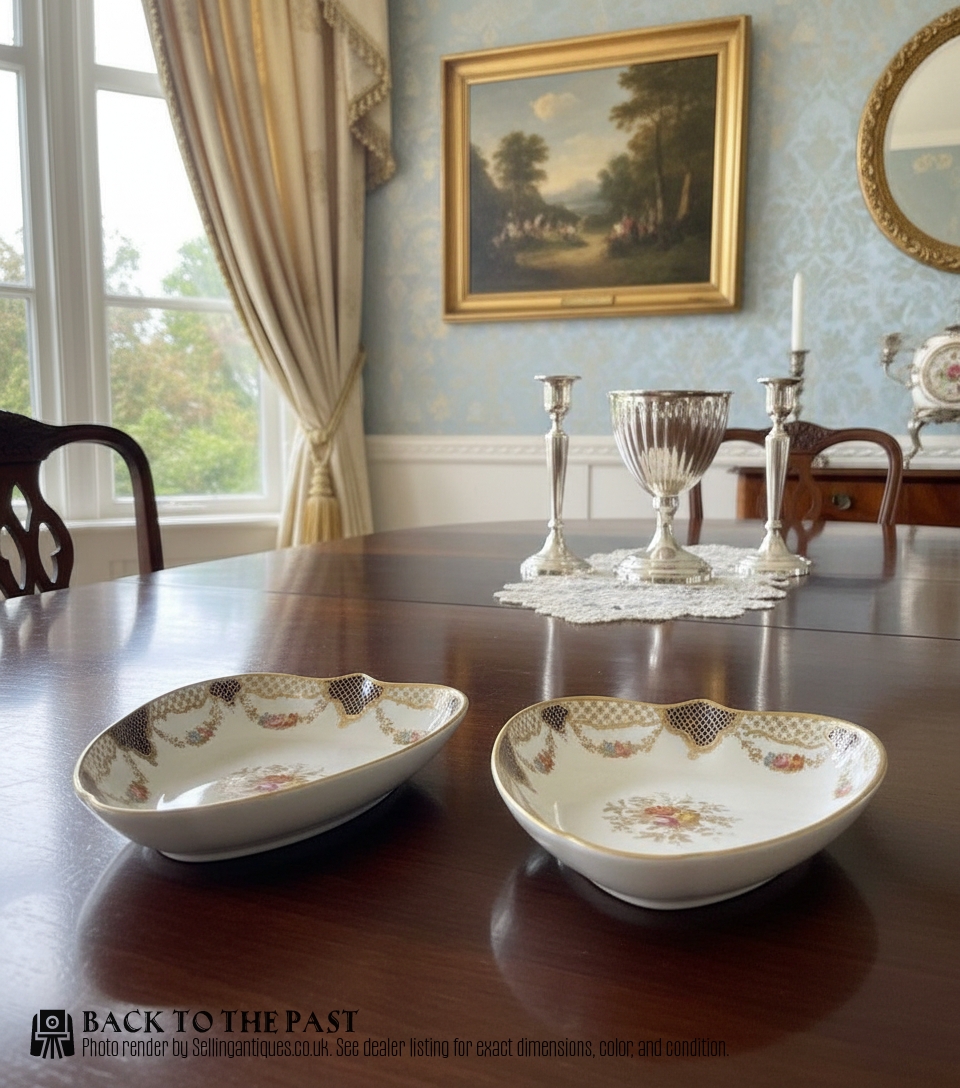
Most examples survive as cabinet pieces or decorative chargers intended for display rather than daily service. Their painted motifs record botanical studies, birds, and narrative scenes executed by skilled hands.
How they were made
Makers shaped porcelain, earthenware, and pearlware bodies either by throwing on a wheel or pressing into moulds, sometimes adding scalloped edges or moulded relief details. Potters then applied tin glaze, enamel, or bone china paste before initial firing.
Artisans applied polychrome pigments and cobalt blue by hand, often incorporating gold leaf, gilding, or metallic enamel highlights. Subsequent kiln firings fixed the enamel colours and gilt layers to the ceramic surface.
Hand Painted Ceramic Dish Retail Price Guide 2026
Typical asking prices for hand painted ceramic dish among the pieces listed under this phrase on Sellingantiques today, from the lower quarter to the upper quarter. They describe what is for sale here now, not the wider market.
Listings feature pieces from the eighteenth, nineteenth, and twentieth centuries, incorporating materials such as porcelain, earthenware, enamel, and gold leaf.
What varies in quality
The precision and detail of the hand painting separate standard production wares from exceptional output. Skilled artists rendered botanical subjects, birds, and Watteau scenes with fine brushwork and nuanced shading.
The crispness of moulded details and the purity of the porcelain or tin-glazed body indicate the standard of the kiln work. Early paste formulations and well-preserved gilding or enamel saturation elevate the standing of a piece.
Spode·H and R Daniel·Wedgwood·Meissen·Chelsea·Dresden·Sèvres·KPM Berlin·Royal Worcester·Royal Crown Derby·Chamberlains Worcester
The Hand Painted Ceramic Dish Glossary
- Charger
- A large decorative plate or dish traditionally used for display on a sideboard or wall. These substantial pieces often feature elaborate polychrome or blue and white painted designs.
- Enamel
- Opaque glass-like substance fused to the ceramic body during firing to create coloured decoration. It provides a smooth, glossy surface for painted botanical and figural scenes.
- Gilding
- The application of gold leaf or powdered gold to ceramic surfaces for highlights and borders. It appears frequently on nineteenth-century cabinet plates and serving dishes.
- Pearlware
- A refined earthenware developed in the late eighteenth century with a bluish glaze that pooled in recesses. It served as a smooth white ground for botanical and transfer-printed or painted motifs.
- Sweetmeat dish
- A small compartmented or shaped vessel designed for confectionery or dry sweet foods. Examples often exhibit delicate moulding and polychrome painted decoration suitable for formal tables.
- Tazza
- An ornamental cup or shallow dish raised on a high foot or pedestal. These display pieces frequently showcase painted topographical or figural subjects.
Hand Painted Ceramic Dish: Frequently Asked Questions
How do I identify an eighteenth century piece?
Examine the weight of the ceramic body, the characteristics of the glaze, and the style of the hand-painted motifs. Early pieces often show subtle irregularities in form and potting technique.
Look underneath for factory marks, painted numerals, or anchor symbols associated with period kilns. The palette used for flowers and birds also helps place the piece within its historical decade.
Can I use these dishes for serving food?
Most antique decorative dishes and chargers are best reserved for display rather than active dining use. Enamel pigments and delicate gilding can wear down with frequent washing and cutlery contact.
Older ceramic bodies may also have hairline fractures or fragile edges susceptible to thermal shock. Gentle dusting or dry cleaning preserves the painted surfaces.
What is the difference between Imari and Canton styles?
Imari wares typically feature a palette of underglaze cobalt blue, iron red, and added gold, often arranged in intricate floral and geometric panels. The style originated in Japan and influenced European makers.
Canton porcelain relies on distinct green, pink, and gilt enamels depicting figures within courtyards or garden settings. The framing borders on Canton pieces frequently incorporate butterflies and fruit.