


Masons Patent Ironstone China
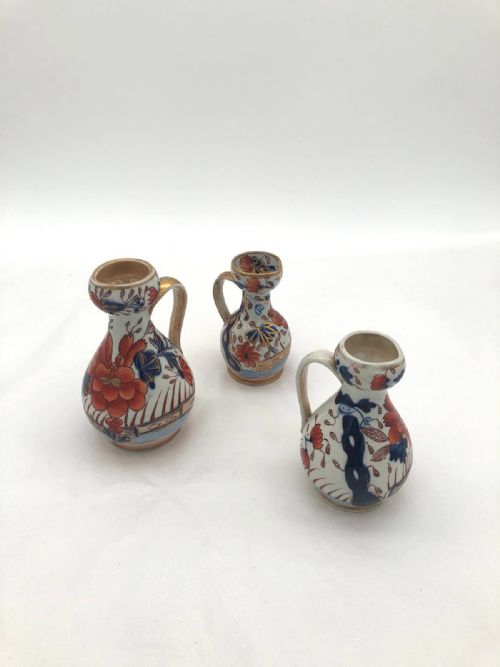
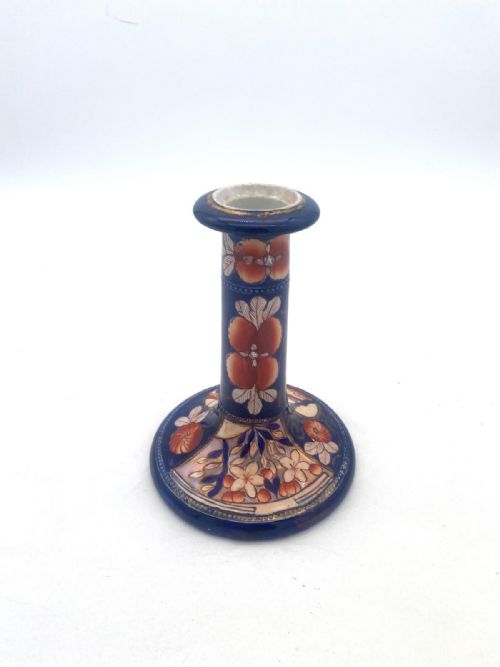
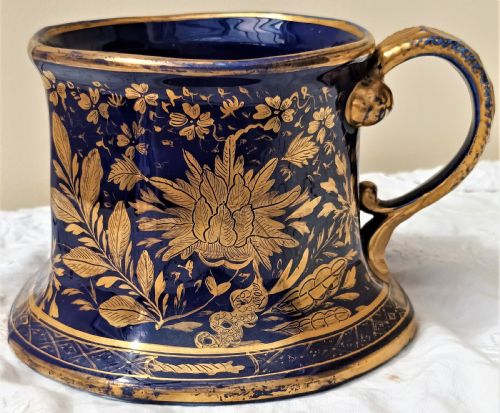
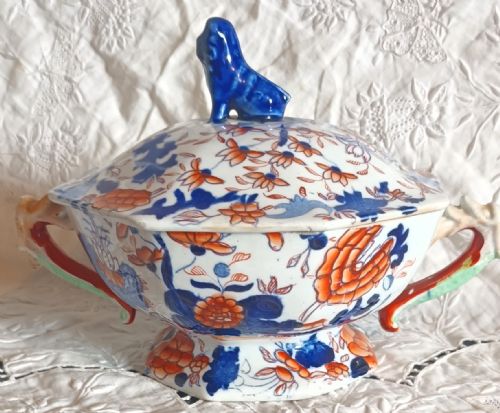
These pieces of masons patent ironstone china combine durable ceramic bodies with vibrant hand-painted patterns for practical display.

Masons Patent Ironstone China
When a collector searches for masons patent ironstone china, they encounter robust domestic and decorative wares spanning the nineteenth and early twentieth centuries. These vessels survive in forms ranging from large soup tureens and dinner services to individual jugs, mugs, and posy vases.
The objects on this page predominantly reflect nineteenth-century manufacture, with Georgian, Victorian, and Edwardian examples appearing frequently. Buyers meet both utilitarian serving pieces, such as meat platters and cheese dishes, and purely ornamental items like potpourri vases.
Stylistic influences draw heavily on Regency and Chinoiserie traditions, alongside specific decorative schemes like the School House, Japan Basket, and Grasshopper patterns. These pieces offer a substantial alternative to porcelain, designed for both heavy dining use and cabinet display.
Materials and Technique
Makers utilised a dense ironstone ceramic body that offered greater strength than traditional earthenware while remaining cheaper than porcelain. This heavy ceramic matrix was shaped into elaborate forms such as hydra jugs, footed cheese dishes, and miniature watering cans.
Surface decoration relied on applied enamel colours combined with generous applications of gold leaf and gilding to highlight moulded details. Artisans painted motifs directly onto the glazed ceramic body, often employing transfer-printing beneath hand-applied enamels.
Masons Patent Ironstone China Retail Price Guide 2026
Typical asking prices for masons patent ironstone china among the pieces listed under this phrase on Sellingantiques today, from the lower quarter to the upper quarter. They describe what is for sale here now, not the wider market.
Among the heavier dinner services hide diminutive miniature watering cans and tiny hydra jugs, proving potters enjoyed working on a microscopic scale.
Assessing Quality
Quality in these ceramics rests upon the crispness of the moulded relief work and the precision of the hand-painted enamel decoration. Superior examples display sharply defined patterns, such as exotic birds or intricate pagodas, executed with confident brushwork rather than hasty application.
The preservation of the original gilding and gold leaf significantly influences the standing of a piece. Wares that retain bright, unrubbed metallic accents and stable enamel glazes represent the higher tier of production from these workshops.
Masons Patent Ironstone
The Masons Patent Ironstone China Glossary
- Ironstone
- A dense, durable ceramic body patented in the nineteenth century to imitate porcelain. It resists chipping and bears heavy enamel decoration well.
- Chinoiserie
- A decorative style inspired by European interpretations of East Asian art. It appears frequently on these ceramics through motifs like pagodas and exotic birds.
- Ashet
- A large oval meat platter or serving dish used for family dining. These pieces often match the plates and soup tureens in a larger service.
- Enamel
- Opaque coloured glass fused to the ceramic surface during firing. Artisans used it to build up vibrant multi-coloured patterns.
- Gilding
- The application of gold leaf or gold paint to highlight rims, handles, and moulded reliefs. It adds a reflective metallic finish to the design.
Masons Patent Ironstone China: Frequently Asked Questions
What is masons patent ironstone china?
It is a heavy, durable ceramic developed in the nineteenth century as a robust alternative to porcelain. The material combines clay, slag, and frit to create a body capable of holding detailed moulded shapes and rich enamel decoration.
Items made from this ceramic range from large dinner services and tureens to small decorative vases and miniature watering cans. They are widely recognised for their weight and their bright, often East Asian-inspired surface patterns.
How were these ceramic pieces used?
These wares served primarily practical functions in nineteenth-century dining rooms and households. Large tureens, platters, and soup bowls accommodated substantial meals, while jugs, mugs, and cheese dishes handled daily kitchen and table duties.
In addition to functional tableware, many pieces served decorative roles in the home. Items like posy vases, potpourri jars, and cabinet plates allowed households to display colourful Chinoiserie and floral patterns in reception rooms.
How do I care for ironstone china?
These ceramics require gentle handling due to their age and the delicate nature of their hand-painted enamel and gilding. Washing them by hand in warm water with mild soap preserves the surface decoration far better than mechanical dishwashing.
Avoid exposing these pieces to sudden temperature extremes, which can stress the historic ceramic body or crack the glaze. Storing serving dishes and plates with protective felt pads prevents scratching between stacked items.
How do I identify a Georgian piece?
Georgian examples often display specific decorative vocabularies, such as early Chinoiserie motifs, red scale borders, or specific named patterns like the Grasshopper design. Their forms tend to reflect the classical proportions popular during the Regency era.
Examining the underside for impressed factory marks helps narrow the date of manufacture. Pieces from this early period frequently exhibit heavier potting and rich, thickly applied enamel colours.