


English Ironstone Tableware
English ironstone tableware delivers robust nineteenth century utility with striking visual character.
What English Ironstone Tableware Is
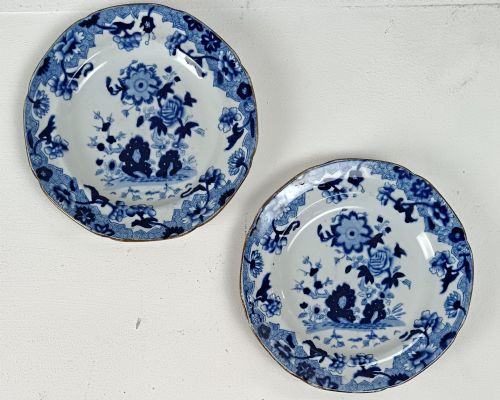
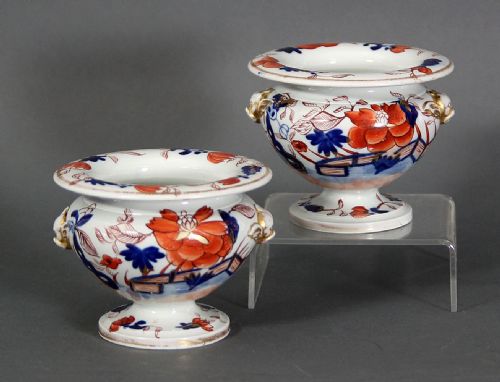
When you search for english ironstone tableware, you encounter sturdy nineteenth century serving pieces designed for rigorous dining room service. The items on this page comprise nineteenth century tureens, serveware, serving dishes, and salt cellars.
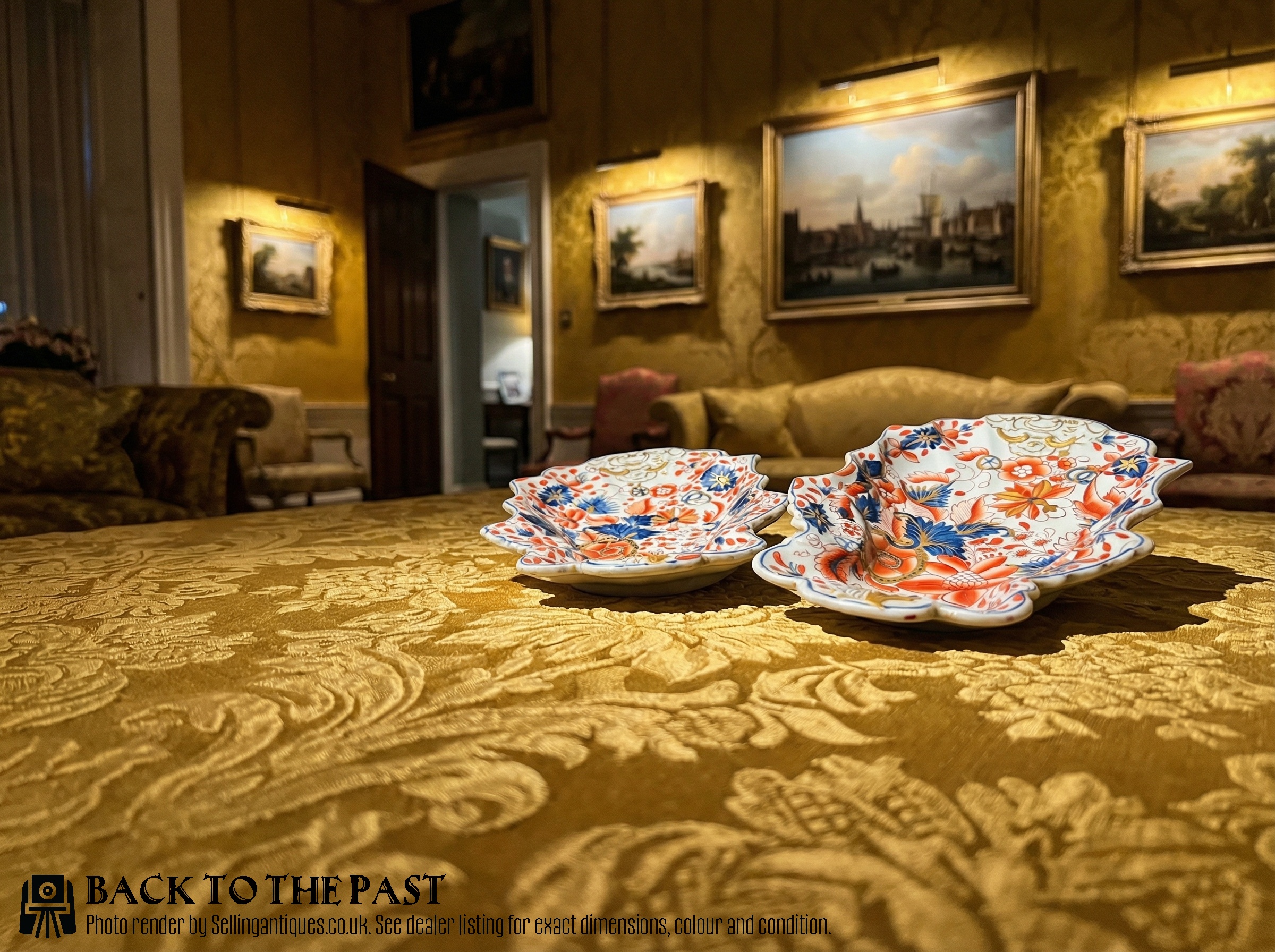
You are most likely to meet Victorian and Regency examples across these listings, often featuring Imari patterns or specific colourways like the green mandarin design. These durable ceramic items bridge the gap between everyday practicality and ornate nineteenth century presentation.
How They Were Made
Potters constructed these pieces using dense ironstone ceramic, fired to create a heavy and durable body that resisted chipping far better than standard earthenware. Artisans applied glaze and enamel decoration over the surface, occasionally adding gilt, gold leaf, or hand gilding to highlight the moulded details.
Makers utilised patent ironstone formulas to achieve both structural strength and a smooth canvas for complex decorative schemes. The combination of durable ceramic bodies with vibrant enamel and gold leaf finish ensured lasting service for demanding dining tables.
Retail Price Guide 2026
Typical UK retail prices for english ironstone tableware, calculated from the Sellingantiques database of over a million retail prices indexed since 2003. This retail price guide relies exclusively on Sellingantiques data; no external sources or auction records are used, so the figures do not describe the wider market.
Materials recorded on this page include ironstone ceramic, enamel, glaze, and gold leaf.
What Varies in Quality
The distinction between standard service wares and exceptional pieces rests upon the complexity of the painted enamel and the presence of intricate gilding. Finer examples display meticulous hand application of gold leaf and specific decorative motifs like Imari patterns or green mandarin designs.
The sophistication of the moulded form also separates ordinary items from superior productions, particularly in pairs of tureens and specialised serving dishes. Better quality pieces maintain crispness in their ceramic relief work alongside well-preserved surface gilding.
Mason s Ironstone
The English Ironstone Tableware Glossary
- Ironstone
- A heavy, durable ceramic body patented in the nineteenth century to provide a strong alternative to porcelain. It forms the structural base for all the tableware listed here.
- Tureen
- A deep covered serving vessel designed for holding sauces, soups, or gravies at the dining table. Nineteenth century versions often include matching ladles.
- Imari
- A decorative style inspired by Japanese export wares, utilising rich cobalt blue, iron red, and gilt. Several Regency and Victorian pieces employ this distinct palette.
- Gilding
- The application of gold leaf or gilt onto the ceramic surface to accent handles, rims, and moulded details. Its preservation indicates the care a piece received over the centuries.
Frequently Asked Questions
What is English ironstone tableware?
English ironstone tableware consists of durable nineteenth century ceramic serving vessels designed for the dining room. These pieces combine heavy bodies with decorative glazes and enamels.
Items typically include tureens, desert dishes, and salt cellars produced during the Victorian and Regency periods.
How do I use these pieces?
These historical serving dishes and tureens can still function on the modern dining table for serving sauces, sides, or small dishes. Their robust ceramic construction makes them suitable for careful everyday use.
Alternatively, you can display them as cabinet or sideboard ornaments to showcase their nineteenth century patterns.
How do I identify Regency pieces?
Regency ironstone tableware dates from the early nineteenth century and often displays specific decorative schemes such as early Imari palettes. The forms reflect the neoclassical design influences popular during that era.
Comparing the stylistic details and patterns with documented examples helps confirm this earlier production window.
What makes Mason's pieces notable?
Mason's pioneered patent ironstone formulas that created exceptionally strong ceramic bodies capable of holding intricate enamel and gilt decoration. Their production includes distinctive forms like sauce tureens and desert dishes.
Collectors prize these items for their successful fusion of industrial durability and refined aesthetic appeal.