
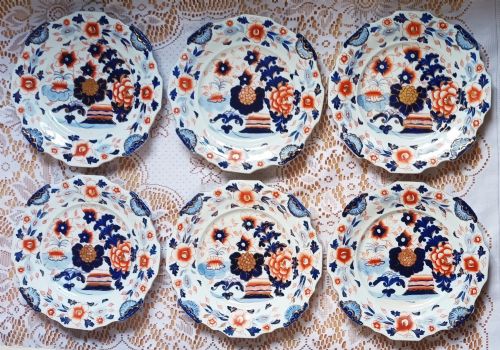


Antique Masons Ironstone
These heavy ceramic vessels bring bold nineteenth-century pattern into daily domestic spaces through robust domestic forms.
Antique Masons Ironstone
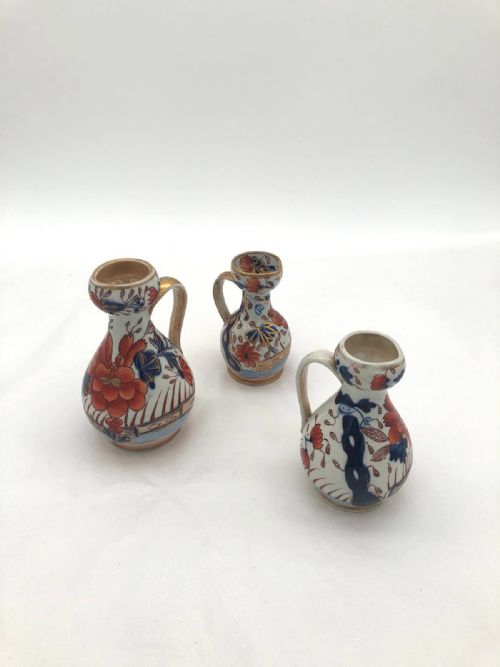
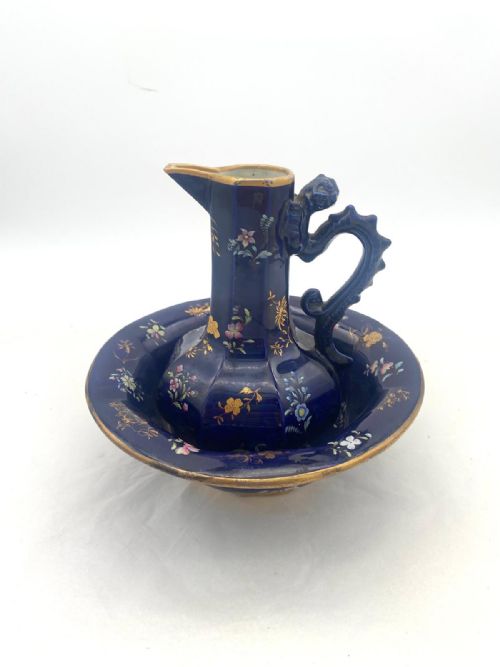
Buyers seeking antique masons ironstone encounter a dense, durable ceramic body developed in the nineteenth century to withstand heavy use while imitating oriental porcelain. The surviving forms concentrate heavily on functional and decorative tablewares, including graduated jugs, tureens, comports, and large washbasin sets.
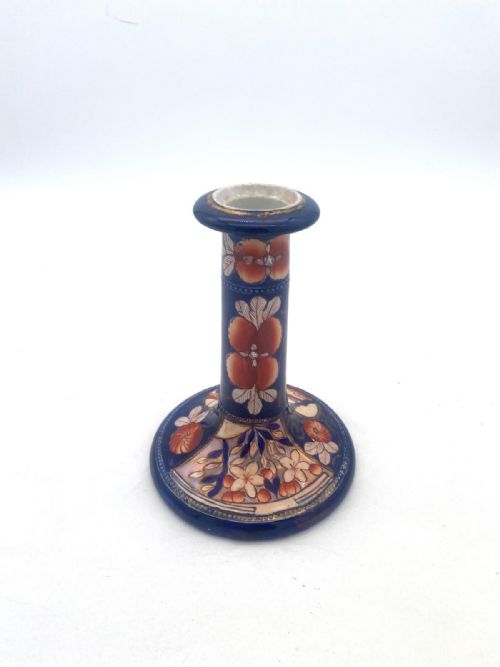
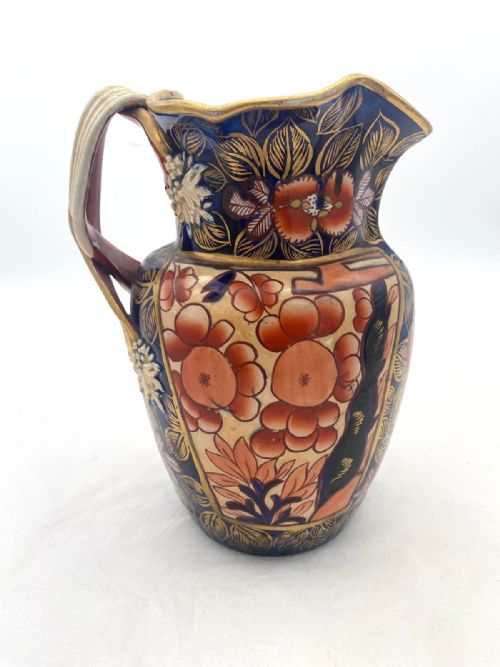
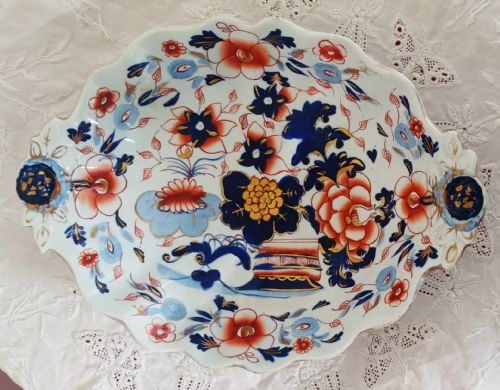
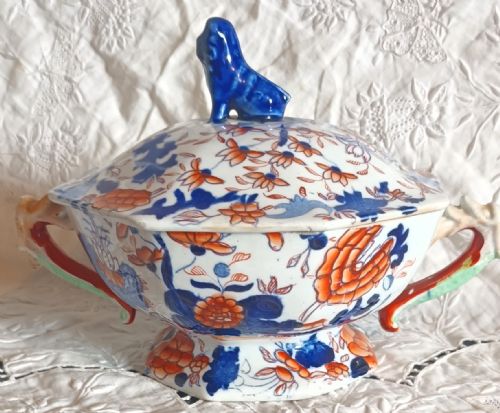
Most pieces on this page stem from the Georgian, Regency, and Victorian periods, often displaying rich Chinoiserie, Imari, or Japan patterns. Jugs with serpent-formed hydra handles and octagonal shapes appear frequently alongside expansive charger plates and lidded vases.
Domestic service pieces dominate the selection, ranging from small individual teapots and dessert shapes to substantial hall vases and soup bowls. The forms combine practical utility with vibrant hand-painted enamel decoration intended for prominent display.
How they were made
Makers utilised a dense ceramic paste containing refined earthenware clay and ground slag from iron production, fired at high temperatures to achieve stone-like durability. This ceramic body received thick layers of glaze that bonded smoothly with subsequent underglaze and overglaze decoration.
Workers applied intricate motifs by hand, combining cobalt blue or polychrome enamel pigments with gilding and gold leaf accents. Many patterns drew inspiration from imported East Asian ceramics, requiring precise brushwork to recreate complex oriental scenes on heavy moulded forms.
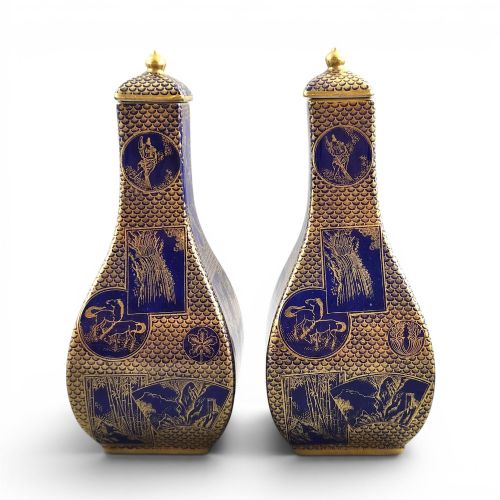
Listings feature ironstone ceramic formed into comports, tureens, and hydra jugs across Georgian and Victorian eras.
What varies in quality
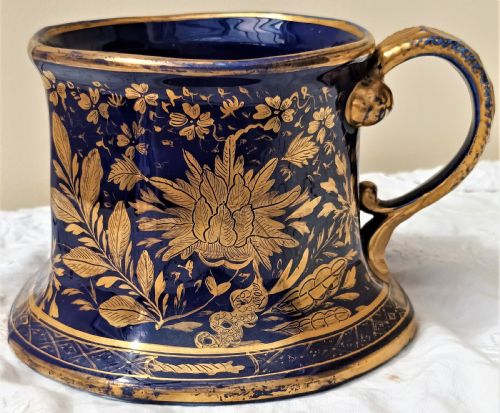
The sophistication of the hand-painted enamels and the crispness of the moulded earthenware body set individual pieces apart. Superior examples display rich, deeply saturated cobalt blue grounds, precise polychrome detailing, and well-preserved application of gold leaf.
Design complexity and form rarity heavily influence the distinction between standard domestic wares and top-tier production. Pieces featuring specialised shapes like serpent handles, intricate Chinoiserie landscapes, or complete matched sets demonstrate greater artisanal execution.
Miles Mason·C.J. Mason·Higginbotham
The Antique Masons Ironstone Glossary
- Ironstone ceramic
- A dense, highly durable pottery body patented in the nineteenth century to resist chipping. It served as a robust alternative to true porcelain.
- Chinoiserie
- European decorative style imitating Chinese and East Asian artistic motifs. It frequently appears on these wares through pavilions, exotic birds, and garden scenes.
- Hydra jug
- A distinctive pitcher featuring a serpent-shaped handle attached to an octagonal or moulded body. This specific form recurs often among nineteenth-century tablewares.
- Comport
- A raised decorative dish or bowl used for serving fruit or sweetmeats at the table. These sit on short pedestals or feet above the surface.
- Mazarine
- A deep, rich shade of dark blue used as a ground colour on ceramic bodies. It often provides a contrasting background for gilt and enamel decoration.
Antique Masons Ironstone: Frequently Asked Questions
What is antique masons ironstone?
It is a heavy, durable ceramic material patented in nineteenth-century England to combine the strength of earthenware with the appearance of oriental porcelain.
Potters shaped this dense body into practical household items and decorated them with vibrant enamels and gilding.
How do I date these pieces?
Dating relies on identifying specific decorative patterns, registration marks, and stylistic periods such as the Georgian, Regency, or Victorian eras.
Earlier pieces often feature hand-painted Chinoiserie motifs, while later nineteenth-century examples display distinct colour grounds and moulded shapes.
How were these items used originally?
They served primarily as functional tableware and washing equipment in nineteenth-century domestic households, handling daily dining and hospitality.
Large jugs, basins, comports, and tureens managed food service and personal hygiene before modern plumbing and mass production.
How do I care for antique ironstone?
Gentle hand washing with mild soap preserves the delicate hand-painted enamel and gold leaf decorations over time.
Avoiding harsh detergents and abrasive scrubbers protects the glaze and keeps the ceramic body safe from unnecessary wear.