





Ironstone Ceramic Pitcher
An ironstone ceramic pitcher is a heavy, durable vessel built for daily service, combining utilitarian strength with decorative ambition.
Ironstone Ceramic Pitcher
When you search for an ironstone ceramic pitcher, you encounter robust vessels designed for pouring water, milk, or larger domestic tasks. These pieces mostly date to the nineteenth century, spanning the Georgian, Regency, and Victorian periods.
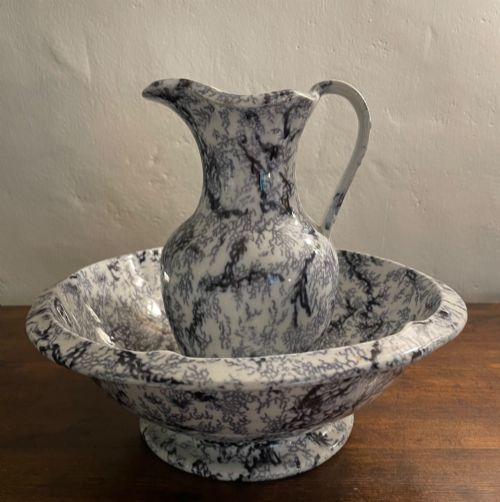
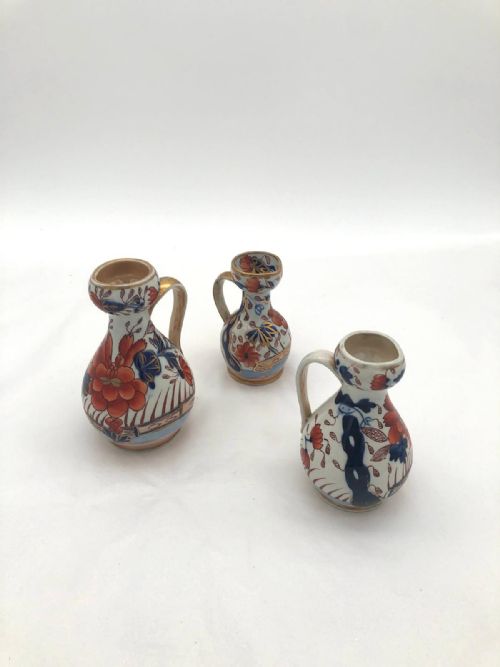
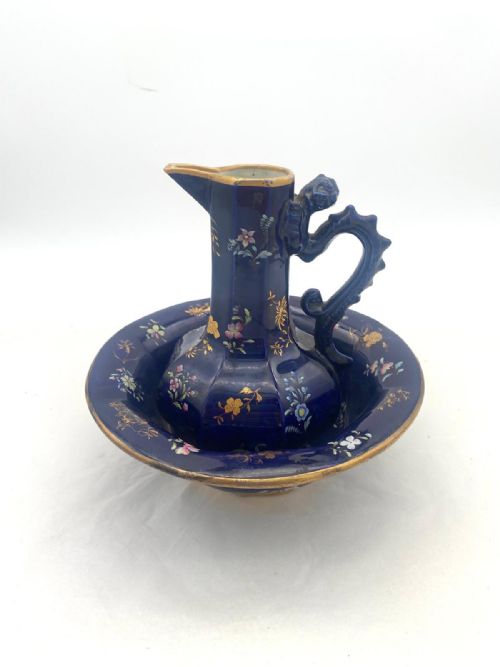
You are most likely to meet transfer-printed, hand-painted, or moulded earthenware forms on this page. Common configurations include standalone jugs, washbasin sets, and multi-piece graduated suites.
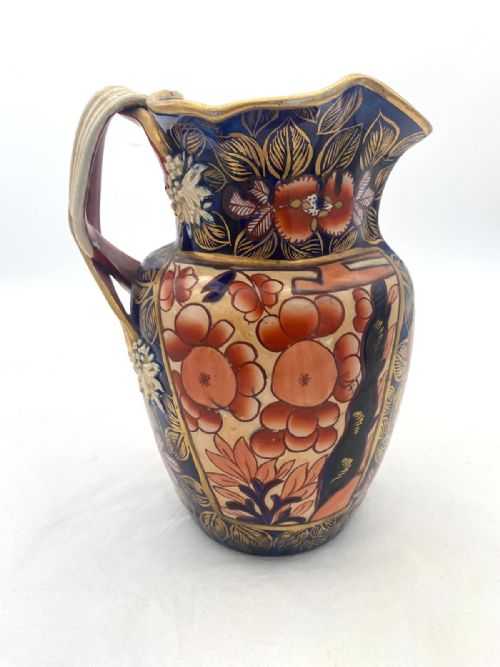
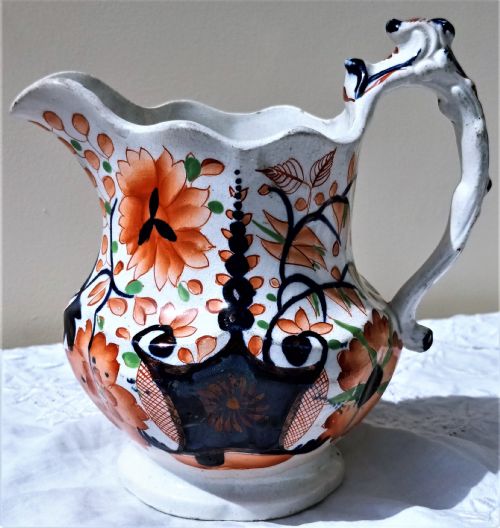
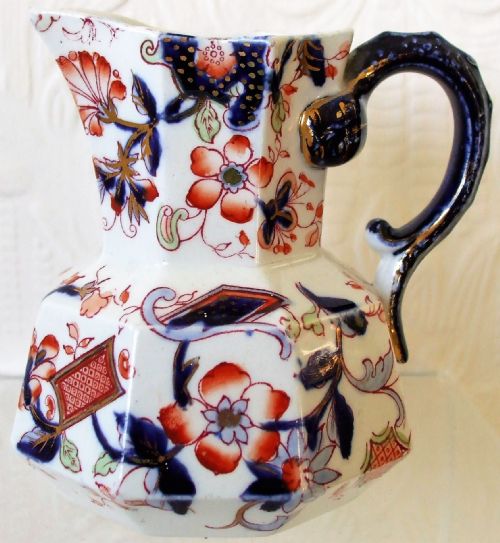
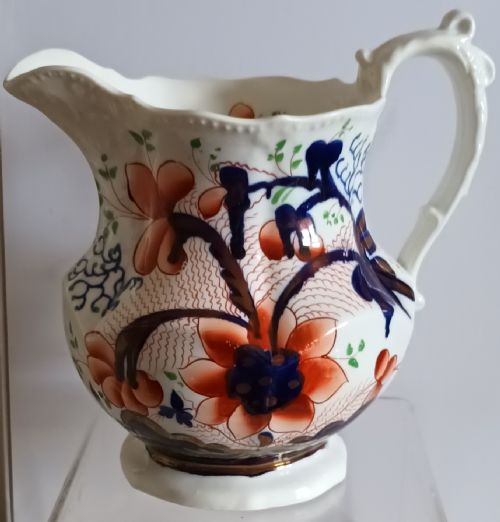
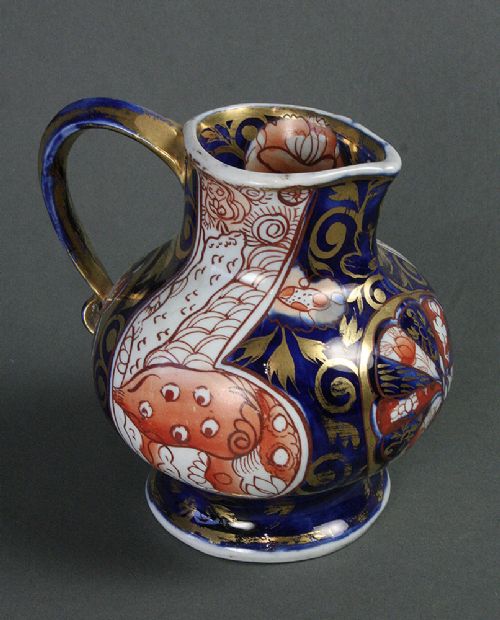
The aesthetic vocabulary ranges from traditional floral patterns to oriental-inspired Chinoiserie and Imari designs. Formats vary from octagonal bodies and Hydra handles to elephant foot motifs and puzzle jugs.
Evaluating the range
Quality separates standard utilitarian wares from ambitious decorative pieces through the crispness of the moulding and the complexity of the hand-painted enamels. Early nineteenth-century examples often display sharper relief details on complex shapes like serpent handles.
The depth of the cobalt blue transfer print or the precision of the gilding distinguishes standard production runs from exhibition-grade pieces. Complete sets and matching basin pairs command greater attention than isolated vessels.
Ironstone Ceramic Pitcher Retail Price Guide 2026
Typical asking prices for ironstone ceramic pitcher among the pieces listed under this phrase on Sellingantiques today, from the lower quarter to the upper quarter. They describe what is for sale here now, not the wider market.
Listings feature pieces from the nineteenth century, including Georgian, Regency, and Victorian periods, executed in ironstone, earthenware, and glazed ceramic.
Mason's·Keeling and Co.·Livesley Powell and Co·Davenport
The Ironstone Ceramic Pitcher Glossary
- Ironstone
- A heavy, durable type of earthenware patented in the early nineteenth century to rival true porcelain. It contains refined clay and slag for added strength.
- Hydra jug
- A specific vessel shape featuring a serpent-form handle and a distinct flared rim, frequently produced by nineteenth-century English potteries.
- Chinoiserie
- A decorative style employing Western interpretations of Chinese artistic motifs, popular on nineteenth-century ceramic jugs and basins.
- Gaudy Welsh
- A colloquial term for brightly coloured earthenware featuring cobalt blue, copper lustre, and iron-red floral patterns made for domestic markets.
- Puzzle jug
- A perforated hollow vessel with multiple spouts designed to test the drinker or user's ability to transfer liquid without spilling.
Ironstone Ceramic Pitcher: Frequently Asked Questions
What is an ironstone ceramic pitcher used for?
These vessels served practical domestic roles ranging from pouring liquids at table to holding water within a bedroom washbasin set.
Over time, many transitioned into purely decorative objects due to their substantial weight and colourful transfer-printed or hand-painted patterns.
How do I date an ironstone pitcher?
Dating relies on examining the shape, the potter's mark underneath, and the specific style of decoration present on the body.
Nineteenth-century examples often exhibit distinct factory stamps, octagonal profiles, or characteristic motifs like Chinoiserie landscapes and Gaudy Welsh florals.
Are these pitchers dishwasher safe?
Historic ironstone pitchers featuring hand-painted enamels, lustre, or gold leaf should be washed by hand in lukewarm water.
Harsh detergents and modern dishwashers can damage the fragile glaze and wear away the delicate nineteenth-century surface decoration.
How are jugs and basin sets displayed?
Washbasin sets are traditionally displayed together on wooden washstands or side tables to showcase the matching pitcher and bowl.
Graduated suites of jugs sit well arranged by size on sideboards, open shelving, or dedicated display cabinets.