


Nineteenth Century Ironstone
Nineteenth century ironstone is the heavy, durable ceramic you need for a robust table service that still carries proper decorative weight.
What nineteenth century ironstone is
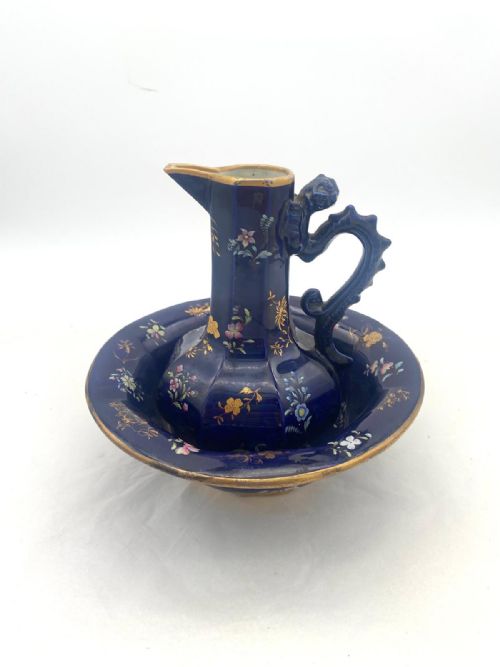
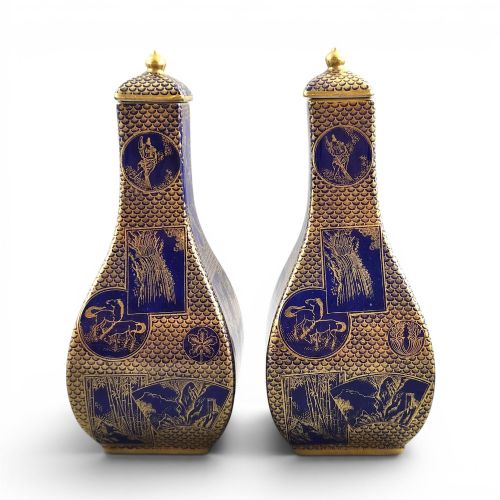
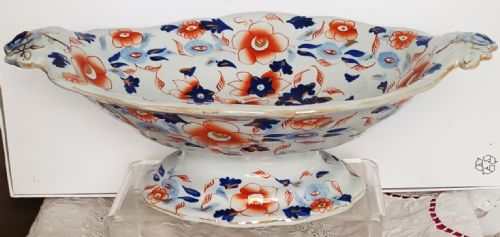
Nineteenth century ironstone encompasses heavy utility wares and display pieces produced during the Georgian and Victorian periods. The items listed here take the form of decorative plates, footed comports, vases, jugs, soup tureens, serving dishes, and large platters.
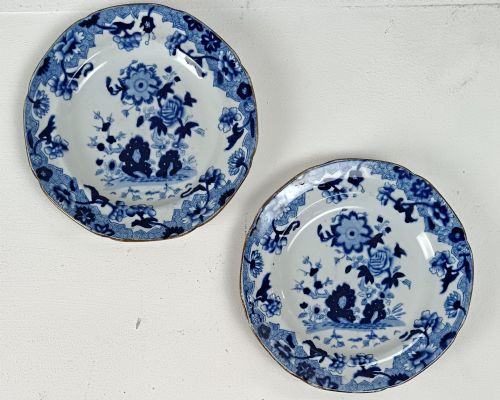
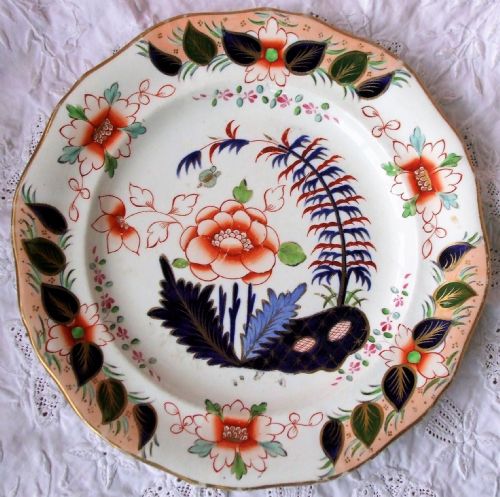
The objects derive largely from English makers working in the nineteenth century, with specific pieces bearing the hallmarks of Georgian and Regency design traditions. Buyers meet patterns spanning English Chinoiserie, Imari palettes, blue transfer printing, and red scale motifs.
Comports, tureens, and large platters dominate the heavier end of the selection, whilst plates and jugs represent the more domestic table forms. Each piece bridges the gap between utilitarian kitchen ceramic and formal dining display.
How they were made
Makers utilised dense ceramic bodies known as ironstone china or glazed ceramic, fired to create a tough and heavy fabric. This material allowed potters to cast or mould complex shapes like soup tureens and footed comports without losing structural integrity.
Surfaces received hand-painted enamels, transfer-printed designs in blue, and applications of gold leaf or gilding. Details such as the bamboo pattern or Imari colours sit beneath or over the glaze, depending on the specific decorative technique employed by the pottery.
Retail Price Guide 2026
Typical UK retail prices for nineteenth century ironstone, calculated from the Sellingantiques database of over a million retail prices indexed since 2003. This retail price guide relies exclusively on Sellingantiques data; no external sources or auction records are used, so the figures do not describe the wider market.
Large country house platters occasionally retain knife scratches from hungry nineteenth century diners who cut their joints a little too enthusiastically.
What varies in quality
Quality rests in the crispness of the moulded form and the precision of the hand-painted or transfer-printed decoration. Pieces with elaborate hand-applied gilding and complex polychrome patterns sit higher in the range than plain utility wares.
The ambition of the object defines its standing, moving from simple domestic plates to grand country house platters and substantial soup tureens. Maker attribution also plays a role, with documented factory pieces showing greater refinement in paste and glaze.
John Davenport of Longport·Spode·Mason
The Nineteenth Century Ironstone Glossary
- Ironstone china
- A patented heavy earthenware developed to provide a durable, vitreous alternative to porcelain. It resists chipping and bears heavy use.
- Comport
- A raised vessel or dish used for serving fruit or sweets as part of a formal table centrepiece. Footed versions elevate the display.
- Transfer printing
- A mechanical method of applying complex blue or monochrome designs to ceramics from a copper plate. It allowed for consistent detail across large services.
- Imari
- A decorative style borrowing from Japanese export porcelain, characterised by iron red, underglaze blue, and gold leaf. It remained popular throughout the nineteenth century.
- Soup tureen
- A large, deep serving vessel with a lid and handles, designed for holding and presenting soup at the dining table.
Frequently Asked Questions
What is nineteenth century ironstone?
Nineteenth century ironstone is a heavy, durable ceramic body patented in the nineteenth century as a tough alternative to porcelain. It was moulded into table and display wares that could withstand daily use while taking rich glazes and prints.
Items range from everyday plates to large serving platters and soup tureens, often decorated with transfer printing or hand-painted enamels.
How do I date these pieces?
Dating relies on maker marks, stylistic clues such as Georgian or Regency forms, and the specific type of transfer print or enamel used. Potters like Mason and Spode stamped their ironstone wares with factory marks that help narrow down the decade of production.
The presence of early nineteenth century patterns, such as Imari palettes or bamboo motifs, also points to the manufacturing period.
Were these pieces used daily?
Many ironstone items were made for heavy service in large country houses and domestic dining rooms. Platters, tureens, and plates saw regular use at the table due to the robust nature of the ceramic body.
Display pieces like footed comports and decorative vases, however, spent more time on sideboards and central tables than in the kitchen.
How do I care for ironstone?
Care involves gentle hand washing with mild soap to protect the surface glaze and any delicate gold leaf or hand-painted enamel details. Avoid abrasive scrubbers that can dull the shine of the ceramic body.
Store large items like platters and tureens securely to prevent edge chipping on the heavy rims.