


Antique Ironstone China
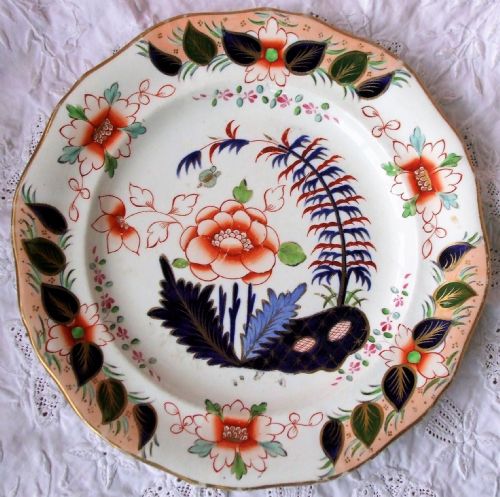
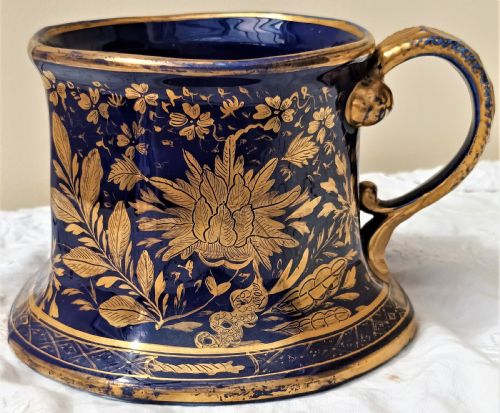
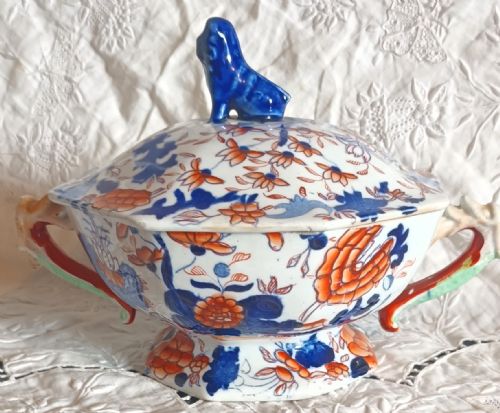
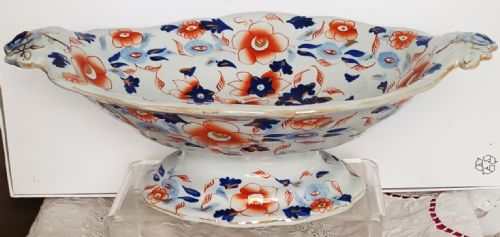
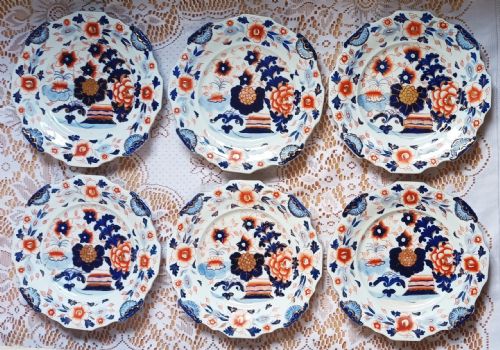
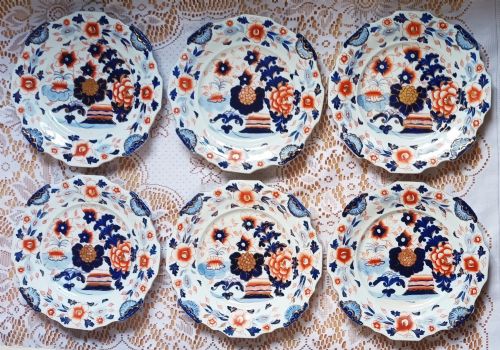
These pieces of antique ironstone china offer robust ceramic service forms decorated in rich patterns.
Antique Ironstone China
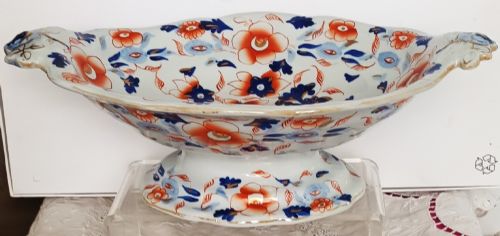
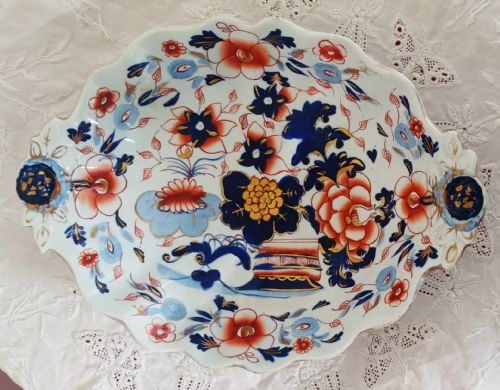
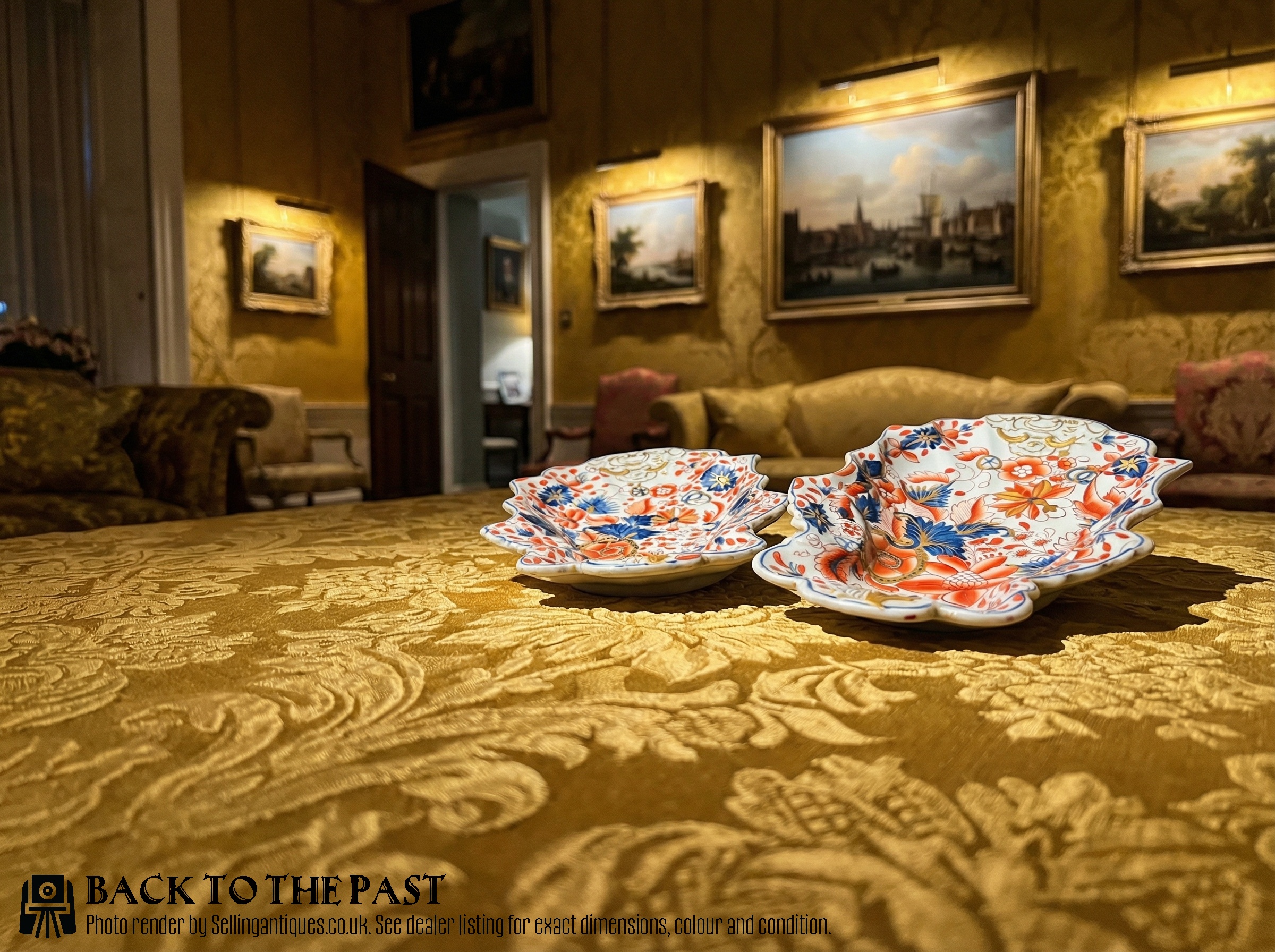
When searching for antique ironstone china, collectors encounter heavy ceramic wares designed for rigorous daily use alongside decorative display items. The pieces on this page span the nineteenth century, Georgian, Regency, and Victorian periods up to Edwardian times.
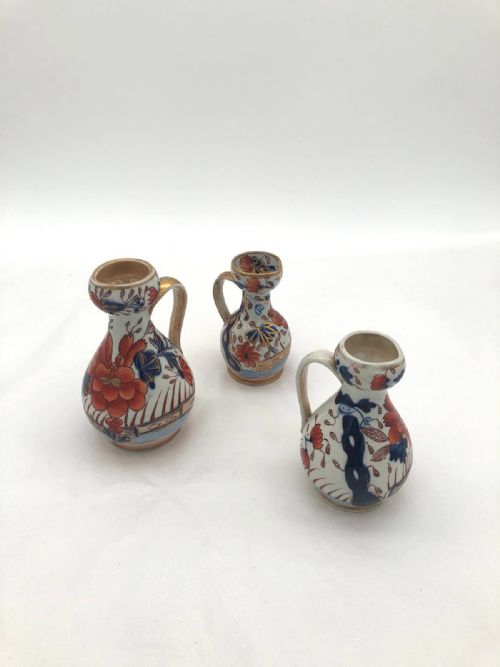
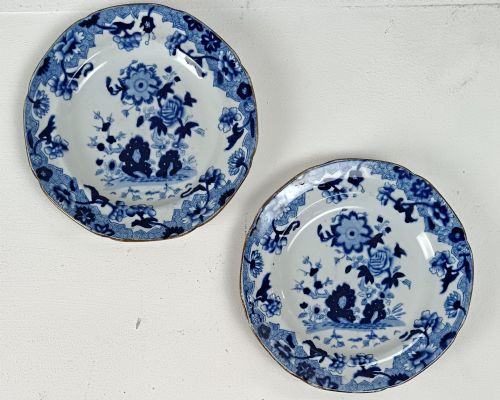
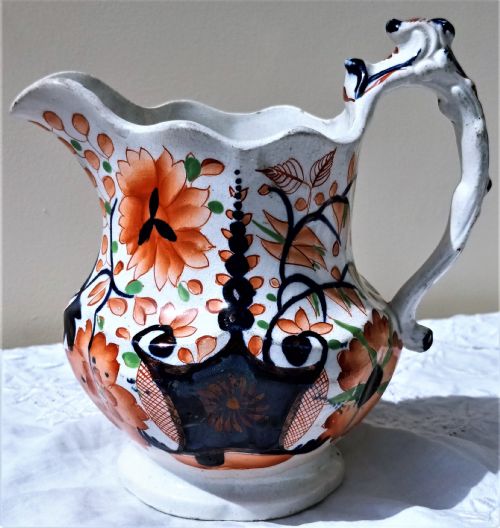
Forms include large dinner services, tureens, serving platters, plates, mugs, tankards, jugs, and comports. Wares often display distinct patterns such as Japan, Imari, Chinoiserie, and blue and white transfers.
How They Were Made
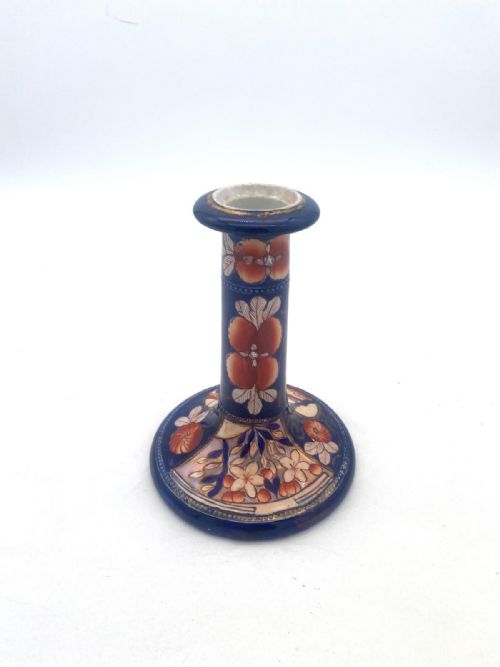
Potters utilised durable ironstone ceramic and earthenware bodies coated in specialised glaze to withstand heavy dining service. Decoration relied on enamel paints, gilt, gold leaf, and transfer printing techniques.
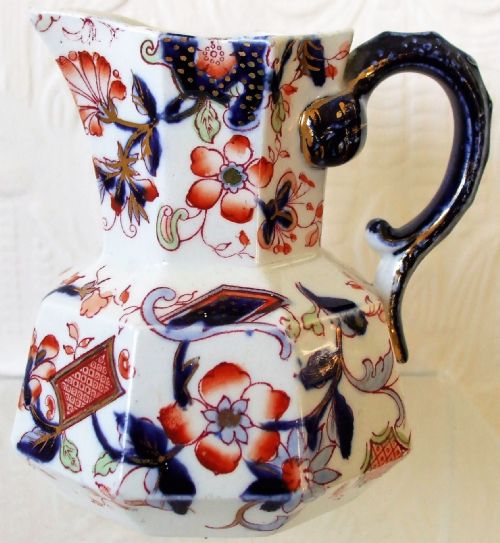
Many items incorporate moulded details such as snake handles on hydra jugs or panelled surfaces on octagonal jugs and vases.
Snake-handled jugs bring reptilian grace to tea tables.
What Varies in Quality
Quality rests upon the crispness of the moulded form and the precision of the hand-painted enamel or transfer-printed decoration. Rich application of gold leaf and complex polychrome palettes separate standard kitchen wares from exhibition-grade ornamental pieces.
Mason's Ironstone·John Davenport of Longport·Copeland·Keeling and Co·Livesley Powell and Co
The Antique Ironstone China Glossary
- Ironstone
- A heavy, durable ceramic patented in the nineteenth century to provide a sturdy alternative to porcelain. It absorbs less moisture and resists chipping.
- Comport
- A raised decorative dish or bowl used for serving fruit or sweets on the dining table. They frequently feature footed bases and scalloped edges.
- Hydra Jug
- A pitcher featuring a distinctive snake-form handle attached to an urn-shaped body. The design draws inspiration from classical Greek pottery forms.
- Flow Blue
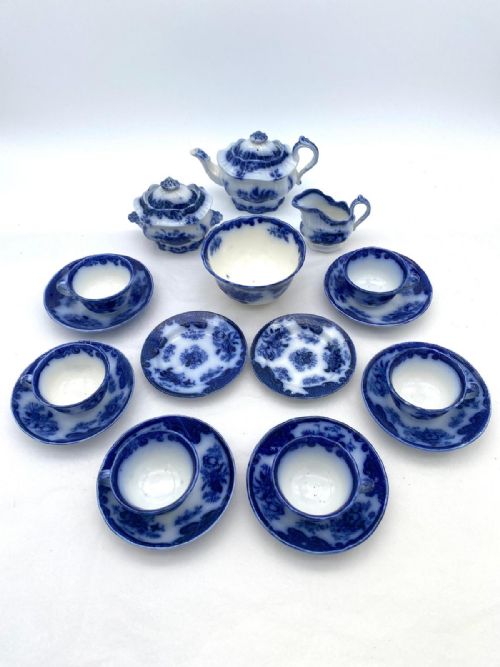
- A transfer-printed blue and white pottery technique where the cobalt colour deliberately blurred into the surrounding white glaze during firing.
- Tureen
- A deep covered vessel designed for serving soups, sauces, or vegetables at the table. They often include matching ladles and under-dishes.
Antique Ironstone China: Frequently Asked Questions
What is antique ironstone china?
It is a heavy, durable ceramic material developed in the nineteenth century as a robust alternative to true porcelain. Potters shaped it into practical dining wares and decorative items.
Wares range from utilitarian dinner services and meat platters to ornamental vases, comports, and tea services decorated with colourful glazes.
How do you use ironstone tureens?
These covered vessels served soups, sauces, and vegetables during formal nineteenth century dining. Matching ladles and under-dishes accompanied many larger serving pieces.
Today, collectors utilise them as decorative centrepieces on dining tables or sideboards to display traditional form.
What are Chinoiserie patterns on ironstone?
Chinoiserie designs reflect European interpretations of traditional East Asian artistic motifs. These patterns feature exotic birds, garden fences, peonies, and oriental landscapes.
Wares decorated this way often utilise rich enamel colours and gilt highlights over ironstone bodies.
How do you care for ironstone china?
The durable ceramic body handles everyday use well when washed carefully by hand in warm soapy water. Avoid harsh abrasive scrubbers that might damage fragile gilt or enamel.
Items decorated with gold leaf or delicate overglaze enamel benefit from gentle handling to preserve surface details.