




Georgian Ironstone Pottery
Georgian ironstone pottery brings durable ceramics into domestic settings through robust jugs, plates and vases finished with rich enamel and gilding.
Georgian Ironstone Pottery
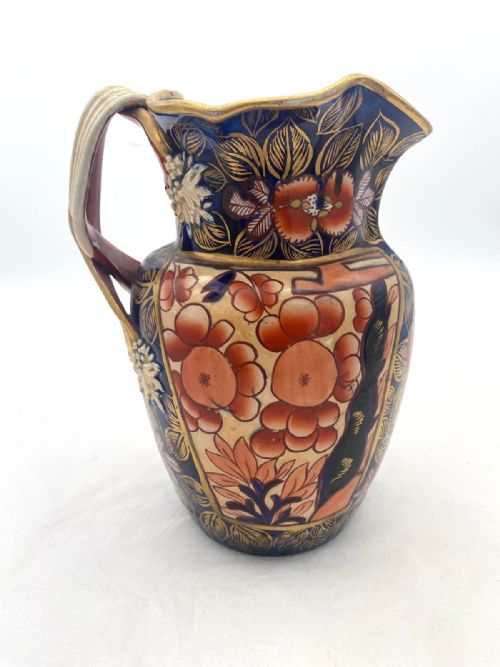
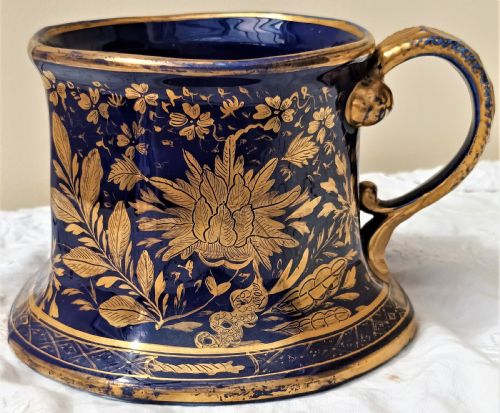
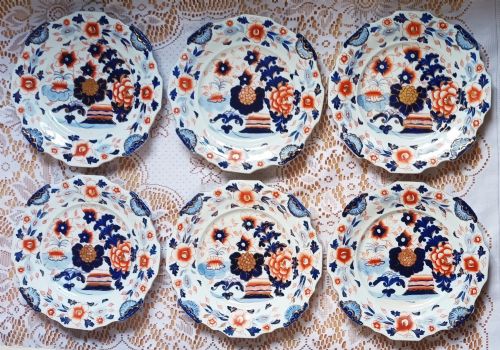
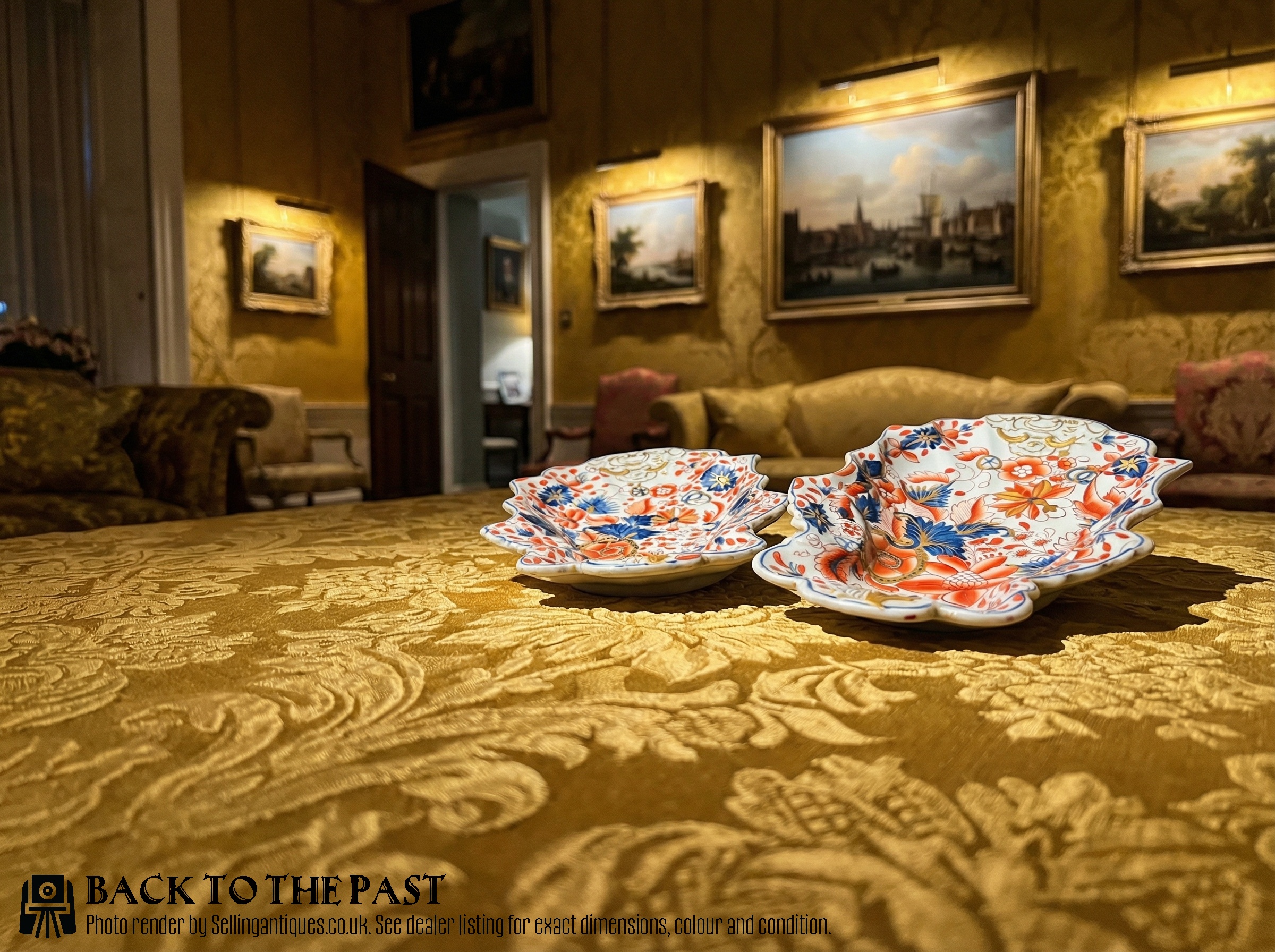
Georgian ironstone pottery comprises sturdy utilitarian and decorative ceramics produced during the nineteenth century, including the Regency period and around eighteen hundred. These pieces encompass mugs, tankards, jugs, plates, bowls, serving dishes, and lidded vases designed for daily use and display.
The objects frequently display bold decorative patterns such as the Bethesda, Schoolhouse, Japan, and Bandana designs, alongside Chinoiserie and Imari motifs. Buyers on this page regularly encounter jugs and mugs alongside pairs of octagonal vases and dessert dishes created from this durable ceramic body.
How it was made
Potters formed these items using ironstone and earthenware ceramics to create a heavy, resilient body capable of withstanding robust handling. The resulting vessel was then finished with a smooth glaze to seal the porous clay surface.
Makers applied complex ornamentation using enamel paints, gold leaf, and gilding, often featuring transfer-printed or hand-painted details. Styles span standard Georgian and Regency aesthetics, incorporating intricate Regency Chinoiserie and Regency Imari colour palettes.
Georgian Ironstone Pottery Retail Price Guide 2026
Typical asking prices for georgian ironstone pottery among the pieces listed under this phrase on Sellingantiques today, from the lower quarter to the upper quarter. They describe what is for sale here now, not the wider market.
Listings feature items exclusively from the nineteenth century, spanning the Regency period and the year eighteen hundred.
What varies in quality
The refinement of the ceramic body and the precision of the moulding dictate the baseline quality of each piece, distinguishing thick, heavy utility wares from sharper, more delicately potted display items. Octagonal forms and double-handled baluster vases require careful handling during shaping to maintain crisp geometric angles.
Decoration quality depends on the execution of the enamel colours and the application of gold leaf or gilding. Hand-painted patterns and detailed transfer printing demonstrate greater artisan skill than simpler, rushed applications.
Mason's Ironstone·Miles Mason·Spode
The Georgian Ironstone Pottery Glossary
- Ironstone
- A dense, durable type of earthenware patented in the nineteenth century to provide a strong alternative to porcelain. It takes glazes and enamels readily while resisting everyday chips.
- Chinoiserie
- A European decorative style reflecting Chinese artistic influences, frequently seen on Regency period ceramics. It employs fantastical landscapes, pavilions, and figures.
- Imari
- A decorative style inspired by Japanese export porcelain, utilising a distinct palette of cobalt blue, iron red, and gilt highlights. This scheme appears on several Regency period items.
- Baluster
- An architectural term describing a vase or pedestal with a swollen lower portion tapering toward a narrow neck. Double-handled baluster vases are typical forms in this category.
- Gilding
- The application of gold leaf or powdered gold to ceramic surfaces to highlight rims, handles, and decorative motifs. It adds a reflective finish to the underlying enamel.
Georgian Ironstone Pottery: Frequently Asked Questions
What is Georgian ironstone pottery?
Georgian ironstone pottery comprises durable nineteenth-century ceramics developed as a tough alternative to porcelain. The material combines clay and slag to produce heavy vessels designed for domestic and institutional use.
Items in this category range from daily dining plates and mugs to decorative lidded vases and mess bowls. They often feature bright enamel patterns and gilded highlights.
How do I identify Regency pieces?
Regency pieces date from the early nineteenth century and typically display specific aesthetic traits popular during that era. Look for crisp classical forms, octagonal shapes, and detailed Chinoiserie or Imari decoration.
Makers working in this period utilised rich enamel colours alongside gold leaf. The combination of sturdy ironstone bodies with refined orientalist motifs helps distinguish these items.
Were these items used daily?
Many of these ceramics served practical functions in domestic households and military settings. Mugs, jugs, plates, and mess bowls handled routine dining and drinking tasks.
At the same time, ornamental items like baluster vases and dessert dishes functioned as decorative centrepieces. Their robust ironstone composition allowed them to survive heavy use.
How should I clean my pottery?
Cleaning these historic ceramics requires gentle hand washing in warm water with mild soap. Avoid harsh scrubbers and modern dishwashers to protect the delicate enamel and gold leaf.
Careful drying with a soft cloth preserves the original glaze. Respecting the fragile nature of early nineteenth-century gilding ensures the decoration remains intact.