


Antique Chinoiserie Urns
Antique chinoiserie urns bring decorative Eastern motifs into Western interiors, offering striking focal points for formal rooms.

Antique Chinoiserie Urns
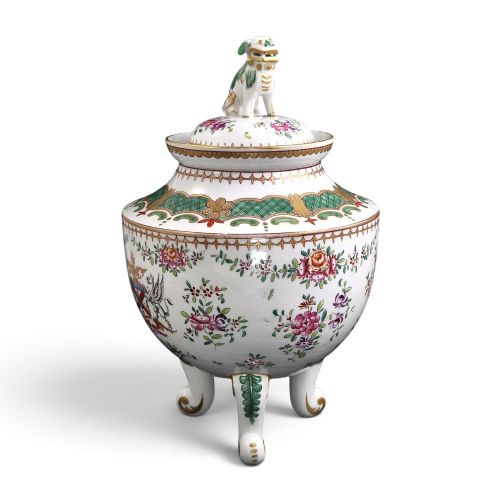
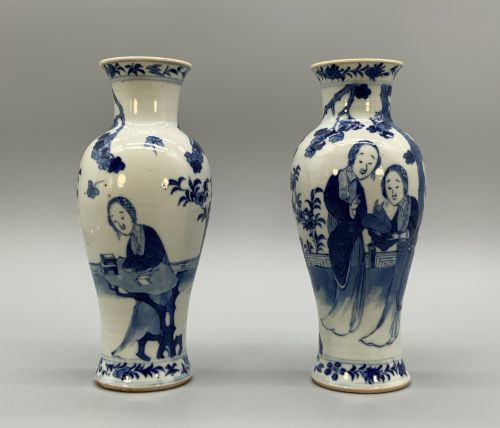
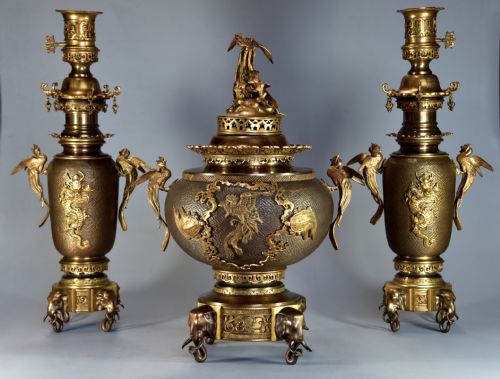
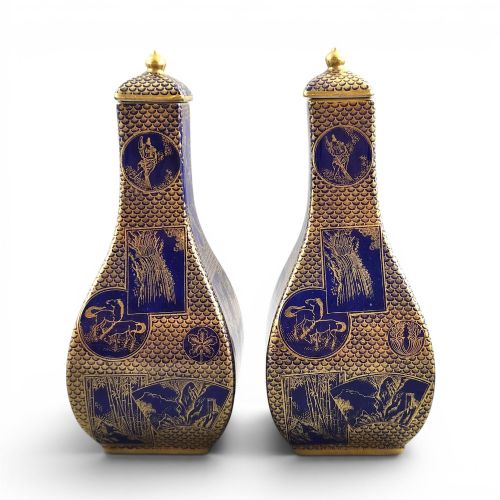
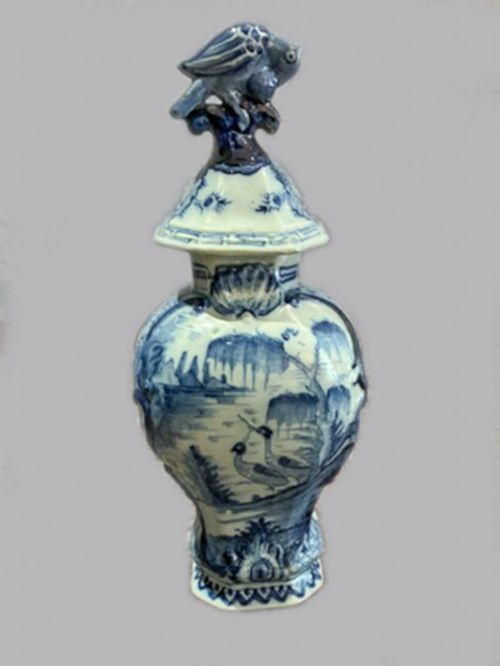
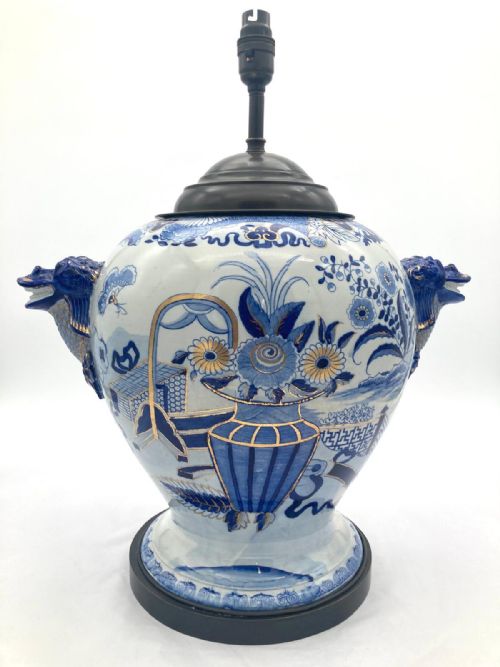
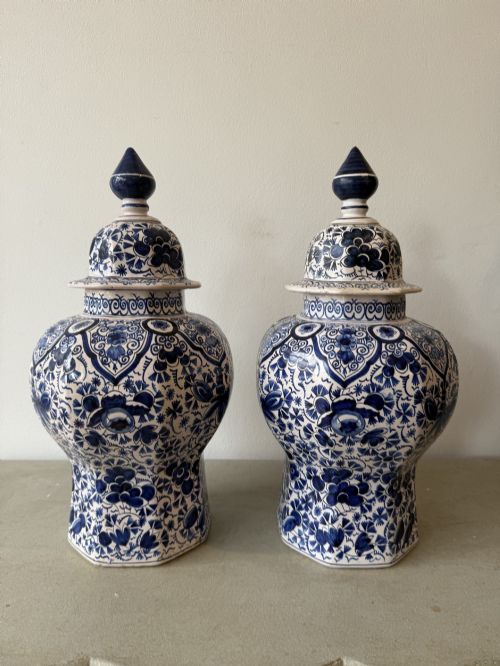
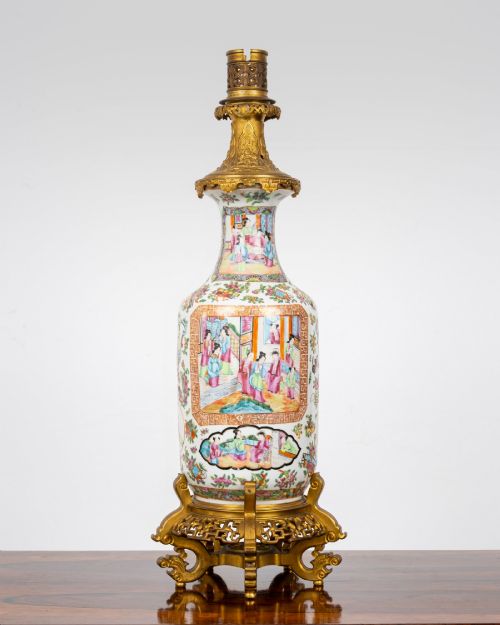
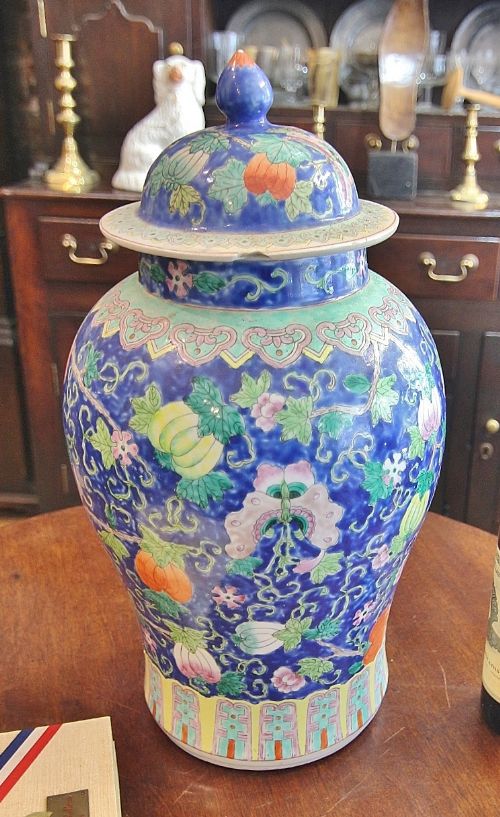
When searching for antique chinoiserie urns, buyers encounter a diverse selection of vessel forms spanning several centuries. The listings show items identified as vases, lidded vases, garniture sets, and ginger jars, alongside examples adapted into table lamps. Most pieces date from the nineteenth century, though earlier eighteenth-century examples and twentieth-century items also appear.
The aesthetic bridges European interpretations of Asian design and direct imports. Pieces range from English ironstone and Dutch delftware to French porcelain and Japanese export wares, often incorporating styles reminiscent of the Kangxi and Qianlong periods.
How they were made
Makers utilised ceramic bodies such as porcelain, ironstone, earthenware, and delftware as the foundation for hand-painted or transferred decoration. Many vessels incorporate applied metal components, utilising brass, gilt bronze mounts, and patinated bronze.
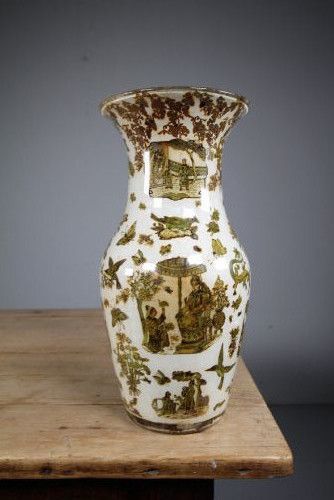
Surface ornamentation relies heavily on cobalt blue pigments, polychrome enamels, and gold leaf or lacquer finishes to achieve the characteristic visual texture. Some glass examples employ decalcomania techniques to simulate layered decorative effects.
The inventory spans multiple centuries of production, including eighteenth-century delftware, nineteenth-century ironstone, and early twentieth-century porcelain.
What varies in quality
The standard of painting and hand-finishing distinguishes basic production ware from superior examples. Precision in the brushwork of figural scenes, exotic birds, and floral motifs dictates the visual impact of the surface.
The integration of mounts and covers plays a significant role in the overall execution. Well-cast bronze mounts and intact, matching lids demonstrate higher original ambition and better preservation.
Mason's·Miles Mason·Samson Paris·Royal Doulton·Hicks and Meigh·Carlton Ware
The Antique Chinoiserie Urns Glossary
- Garniture
- A set of matching vases or urns designed to be displayed together on a mantelpiece or sideboard. These groupings typically comprise three or five pieces of graduated sizes.
- Ironstone
- A heavy, durable type of earthenware patented in the nineteenth century by English manufacturers like Mason's. It provides a robust body closely resembling porcelain.
- Toleware
- Painted or lacquered sheet metal items, often executed in tinplate. Eighteenth and nineteenth-century examples frequently feature dark grounds with gilt decoration.
- Baluster
- A vase form with a rounded body that tapers toward the base and swells near the bottom. This classical profile appears frequently in ceramic vessels.
- Delftware
- Tin-glazed earthenware produced in the Netherlands, renowned for its blue and white palette. Much of this production mimics Chinese porcelain designs.
Antique Chinoiserie Urns: Frequently Asked Questions
What is a garniture set?
A garniture set consists of multiple matching vases intended for symmetrical display together on a mantel or large piece of furniture. They became popular in European interiors during the seventeenth and eighteenth centuries alongside imported porcelain.
Such sets usually comprise three to five vessels, sometimes alternating between beaker shapes and lidded jars. Surviving complete sets remain desirable for period display.
How are lamps converted from urns?
Many antique urns and vases were fitted for electricity during the twentieth century to suit modern domestic lighting needs. This conversion often involved running a cord through a drilled base or mounting the vessel on a bespoke metal plinth.
Buyers should examine whether the conversion preserved the original ceramic body or altered the structural integrity of the piece.
What defines chinoiserie style?
Chinoiserie represents European imaginative interpretations of Chinese and East Asian artistic traditions. The aesthetic incorporates fanciful figures, pagodas, exotic flora, and asymmetrical compositions.
This style flourished across various media throughout the eighteenth and nineteenth centuries, appearing on ceramics, lacquerwork, and furniture.
How do ironstone and porcelain differ?
Porcelain is a hard, vitrified ceramic made from kaolin and petuntse that fires at high temperatures, resulting in a translucent body. Ironstone is a dense, opaque earthenware developed to imitate porcelain while offering greater durability.
Ironstone pieces generally feature heavier walls and a robust weight compared to fine porcelain vessels.