

Antique English Ironstone
Antique english ironstone represents durable British ceramic ware prized for bold decoration and robust utility in historical dining and display.

What antique english ironstone is
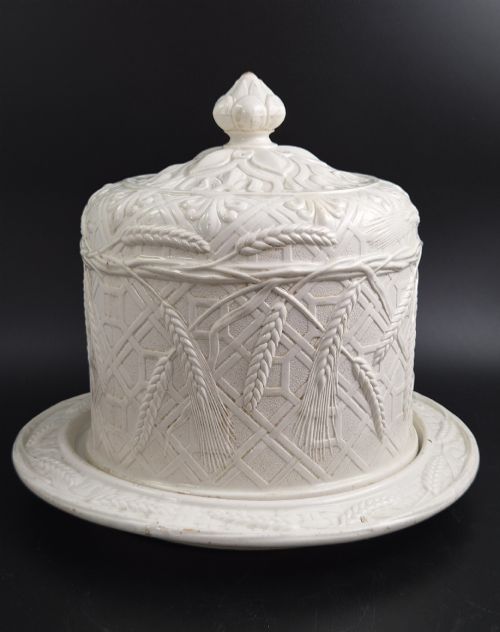
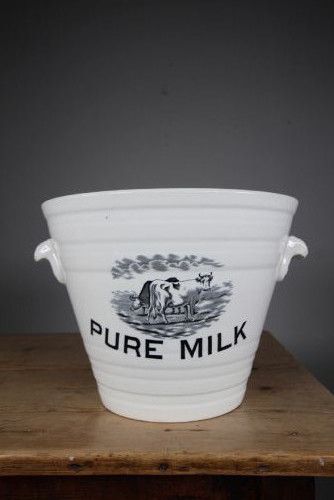
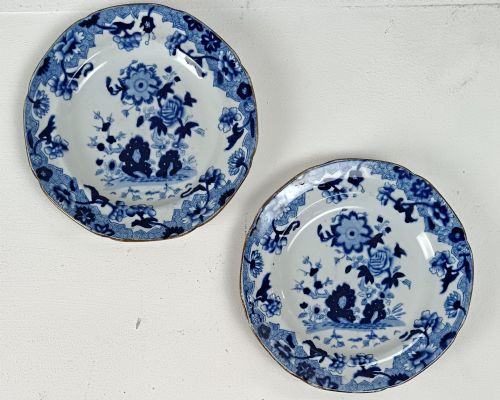
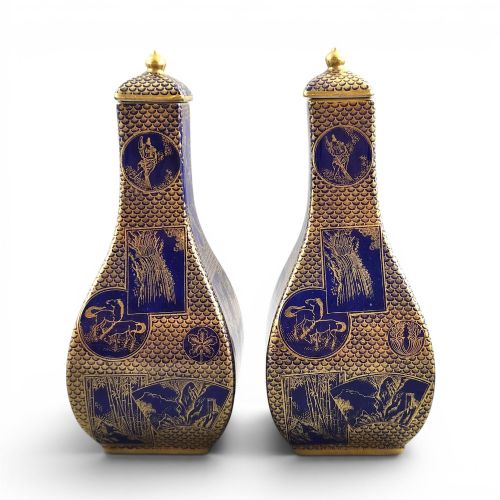
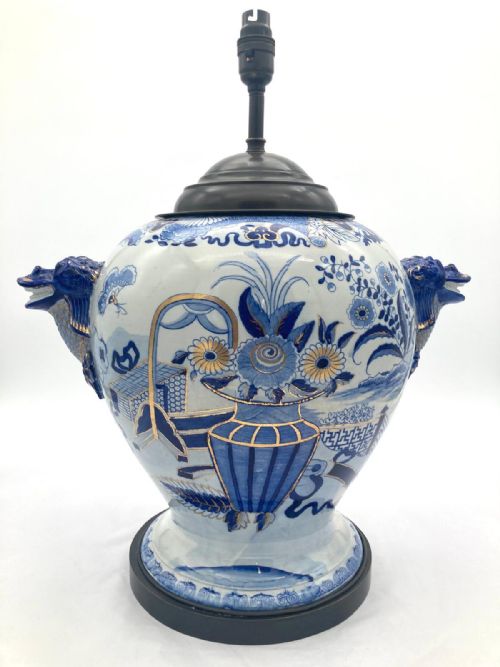
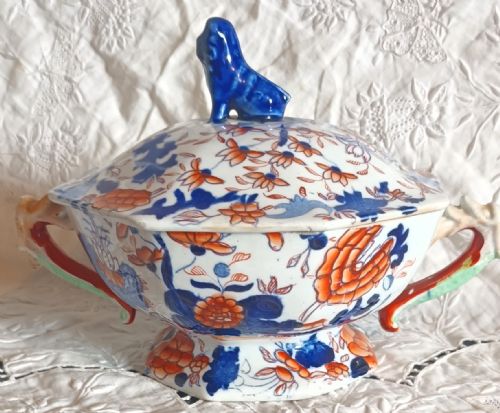
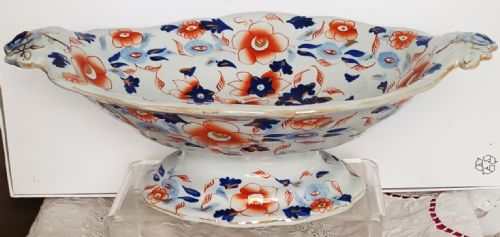
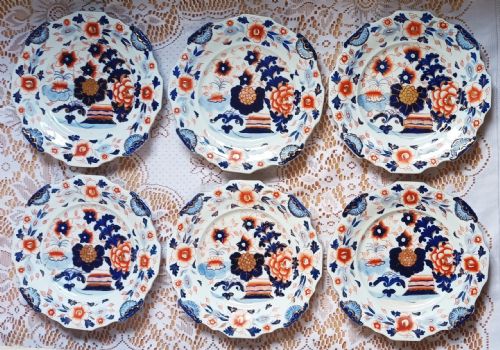
Antique english ironstone encompasses sturdy ceramic tableware and decorative vessels produced across the nineteenth century, including the Georgian and Regency eras. Buyers searching for antique english ironstone frequently encounter robust plates, chargers, lidded vases, and specialised domestic vessels decorated with striking patterns.
The surviving inventory demonstrates a strong preference for large-scale display pieces such as decorative vases and chargers alongside functional dinnerware. Makers adapted traditional shapes to suit contemporary tastes, creating substantial vessels designed to withstand daily use while retaining decorative appeal.
Geographic origins remain centred on English manufactories that developed vitrified earthenware bodies to rival porcelain strength. These pieces combine heavy ceramic weight with vibrant surface decoration, offering collectors durable examples of nineteenth-century ceramic manufacturing.
How these pieces were made
Potters formulated ironstone using dense ceramic bodies fired at high temperatures to achieve exceptional hardness and resistance to chipping. This vitrified composition provided a stable foundation for colourful surface ornamentation.
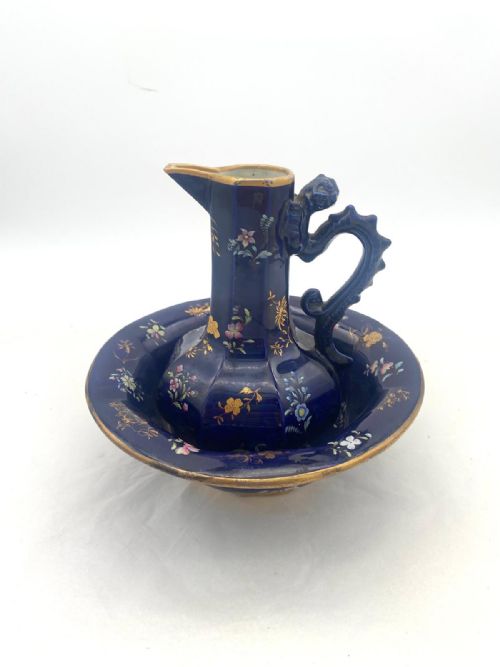
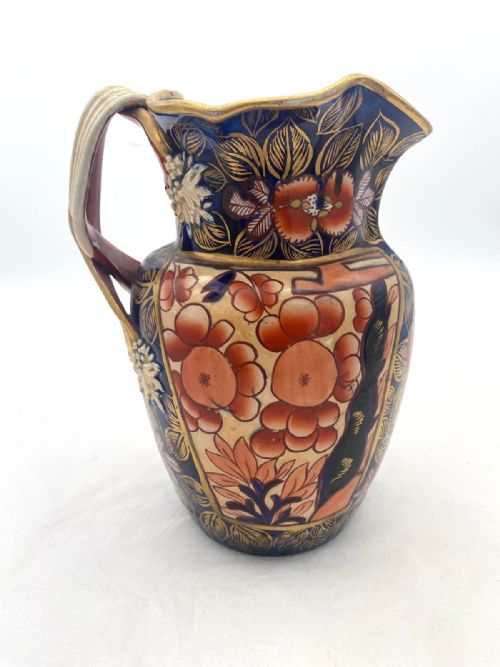
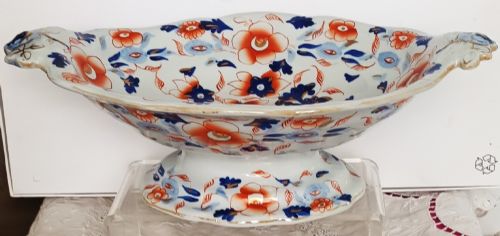
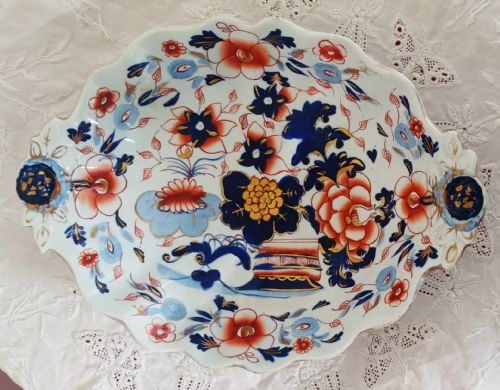
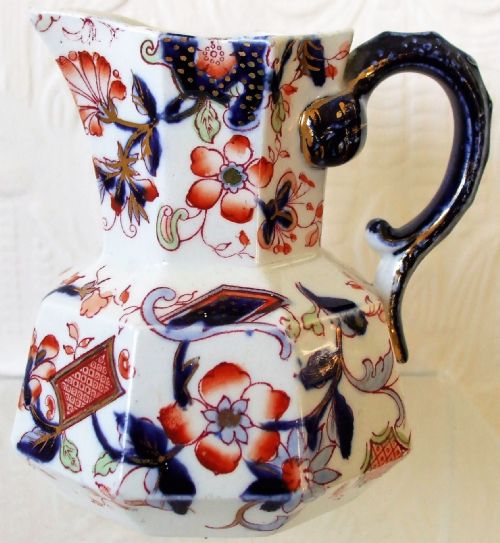
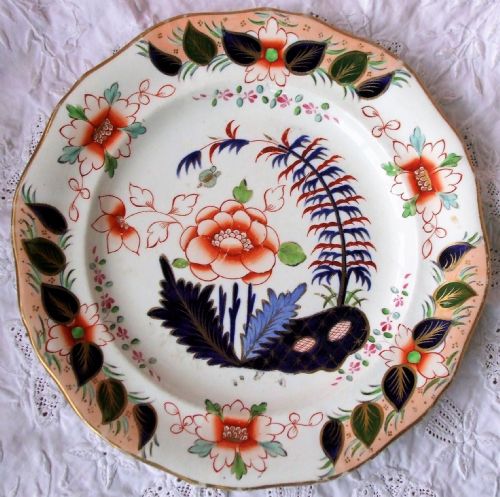
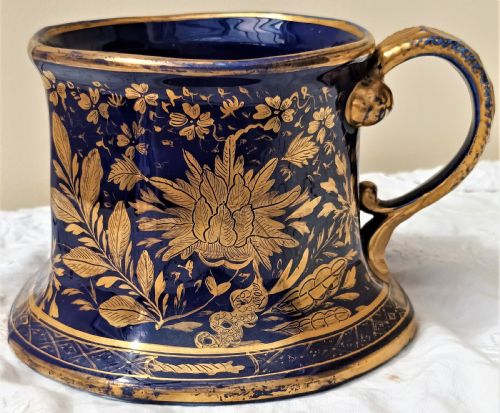
Decoration relied on hand-applied enamel colours frequently enriched with gold leaf or gold gilt details to highlight intricate patterns. Many surfaces employed transfer-printing combined with hand-painting, particularly for rich Chinoiserie and Imari motifs.
Retail Price Guide 2026
Typical UK retail prices for english ironstone, calculated from the Sellingantiques database of over a million retail prices indexed since 2003. This retail price guide relies exclusively on Sellingantiques data; no external sources or auction records are used, so the figures do not describe the wider market.
Some nineteenth-century households kept specialised lidded jars specifically to house medicinal leeches by the fireplace.
What varies in quality
Quality rests upon the crispness of the transfer-printed outlines and the precision of the hand-applied enamel work. Superior examples display vibrant, densely saturated colours and meticulously burnished gold leaf highlights that remain crisp across the ceramic body.
The sophistication of the pattern layout distinguishes finer utilitarian and decorative items from standard production. Form complexity, such as moulded relief details and well-balanced lidded structures, further elevates the standing of individual vessels.
Mason's Patent Ironstone·Ashworth Ironstone·John Davenport of Longport
The Antique English Ironstone Glossary
- Ironstone
- A heavy, vitrified ceramic patented to provide a durable and dense alternative to porcelain. It formed the robust body for nineteenth-century English tableware and decorative vessels.
- Imari Pattern
- A decorative scheme inspired by Japanese export wares featuring deep blues, iron reds, and gold highlights. This palette dominated many nineteenth-century ceramic designs.
- Chinoiserie
- A European artistic interpretation of Chinese and East Asian decorative motifs. It frequently appears on vases and plates rendered in enamel colours.
- Leech Jar
- A specialised medical or domestic vessel featuring a perforated cover. These lidded jars held leeches used in nineteenth-century healthcare practices.
- Mazarine Blue
- A deep, rich shade of blue used as a striking background colour on ceramic bodies. It provided a dramatic contrast for gilt and enamel decoration.
Frequently Asked Questions
What is ironstone pottery?
Ironstone is a heavy, durable ceramic body patented in nineteenth-century England to offer the strength of stoneware combined with the refined appearance of porcelain.
Potters used this dense material to create long-lasting dinner services and decorative vessels that survived rigorous daily use.
How do I identify Imari patterns?
Imari patterns are characterised by a distinct colour palette combining underglaze blue, iron red, and abundant gold gilt details. These designs drew direct inspiration from Japanese export wares popularised during the Georgian and Victorian periods.
English ironstone makers adapted these motifs to suit large plates, chargers, and decorative vases.
Were these pieces used daily?
Many ironstone items were manufactured as robust tableware intended for active service in nineteenth-century dining rooms. Dinner plates, vegetable dishes, and mugs saw frequent handling due to the remarkable durability of the ceramic body.
Other forms, such as large lidded vases and ornamental chargers, served primarily decorative roles in grand interiors.
How do I date ironstone?
Dating relies on identifying specific maker marks, registered patent details, and stylistic indicators such as Regency or Victorian decorative motifs. Examining the depth of the ironstone body and the application method of enamel colours also helps establish the production era.
Archival records for major English manufactories provide clear timelines for pattern introductions.